Este artigo irá ajudá-lo a entender:
Como uma caixa isolada personalizada para biotecnologia protege amostras em cenários reais de remessa
Quais designs de isolamento funcionam melhor para vacinas, enzimas, e terapia celular
Como equilibrar o desempenho térmico, custo, e sustentabilidade
O que 2026 as tendências da cadeia de frio da biotecnologia são importantes para suas decisões de embalagem
Por que uma caixa isolada personalizada é crítica para remessas de biotecnologia?
Resposta direta
Uma caixa isolada personalizada para biotecnologia mantém seus produtos dentro de uma faixa de temperatura segura durante o armazenamento e transporte. Isso é feito combinando espessuras de isolamento personalizadas, fluxo de ar controlado, e materiais de resfriamento de mudança de fase. Na logística de biotecnologia, isso reduz a perda de amostra, tentativas falhadas, e risco regulatório.
Explicação expandida
Quando você envia materiais biotecnológicos, você não está enviando “mercadorias”. Você está enviando dados, pesquisar, e tratamentos futuros. As caixas padrão são projetadas para alimentos ou produtos farmacêuticos em geral. Uma caixa isolada personalizada é projetada para sua carga exata, tempo de envio, e perfil de temperatura. Essa precisão é importante quando suas amostras devem permanecer entre 2–8 °C, –20 °C, ou –70 °C por dias – não horas.
Como o isolamento personalizado melhora a estabilidade da temperatura?
Uma caixa isolada personalizada usa isolamento que corresponde ao seu perfil de risco. Em vez de adivinhar, você projeta em torno da duração, clima, e sensibilidade da carga útil.
| Tipo de isolamento | Resistência Térmica | Tempo de espera típico | O que isso significa para você |
|---|---|---|---|
| Espuma EPS | Básico | 24–48 h | Baixo custo, proteção limitada |
| Espuma EPP | Médio | 48–72 h | Reutilizável e resistente a choques |
| Painéis VIP | Muito alto | 96 h+ | Estabilidade máxima, menor uso de gelo |
Conclusão prática: Melhor isolamento significa menos pacotes de refrigerante e menos remessas de emergência.
Dicas práticas para equipes de biotecnologia
Remessas domésticas curtas: Use customização baseada em EPP caixas isoladas para durabilidade e reutilização
Ensaios internacionais ou clínicos: Escolha caixas aprimoradas VIP para reduzir gelo seco volume
Amostras de alto valor: Projete em torno dos atrasos do pior caso, não é o tempo médio de trânsito
O que diferencia uma caixa isolada personalizada da embalagem padrão?
Resposta direta
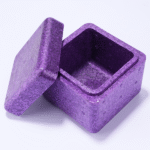
Uma caixa isolada personalizada para biotecnologia é projetada em torno do seu produto, não o contrário. Corresponde às dimensões internas, disposição de refrigeração, e desempenho de isolamento para seu caso de uso exato.
Explicação expandida
As caixas padrão assumem “tamanho único”. A logística da biotecnologia prova que isso está errado todos os dias. Com design personalizado, você evita espaço aéreo vazio, resfriamento irregular, e materiais desperdiçados. Você também ganha previsibilidade: sua caixa tem o mesmo desempenho em todas as remessas.
Ferramentas úteis de decisão
Verifique os detalhes antes de escolher a embalagem
Essas ferramentas rápidas podem ajudá-lo a comparar o risco da rota, necessidades de dimensionamento, escolhas de refrigerante, e detalhes da embalagem antes de solicitar um orçamento.
Refrigerante & Referência PCM
Compare as opções de refrigerante e PCM quando uma rota precisar de suporte adicional de temperatura.
Comparar opçõesCalculadora de gelo seco
Estime as necessidades de gelo seco para remessas congeladas ou ultrafrias antes de embalar.
Estimar gelo secoResistência à queda de material de isolamento
Revise a resistência à queda e os fatores de manuseio antes de escolher materiais de isolamento.
Verifique a resistênciaPrincipais elementos de design que você controla
| Elemento de design | Opção personalizada | Beneficiar para você |
|---|---|---|
| Internal size | Correspondência de carga útil | Menos refrigerante necessário |
| Tipo de isolamento | EPS, EPP, VIP | Desempenho térmico compatível com a rota |
| Colocação do refrigerante | Principal, lados, ou em todos os lugares | Distribuição uniforme de temperatura |
| Concha externa | Ondulado, painel de fibra, ou plástico | Durabilidade e reciclabilidade |
Como você escolhe a caixa isolada personalizada certa para seus produtos biotecnológicos?
Resposta direta
Comece com a faixa de temperatura do seu produto, duração do envio, e requisitos regulatórios. Em seguida, combine o tipo de isolamento, estratégia de refrigeração, e tamanho da caixa para essas necessidades.
Processo de seleção passo a passo
1. Defina sua faixa de temperatura (por exemplo, 2–8 ° C., –20 °C, –70 °C)
2. Estime seu tempo de trânsito realista mais longo, incluindo atrasos
3. Calcule o tamanho e o peso da sua carga útil
4. Escolha o tipo de isolamento com base nas necessidades de desempenho térmico
5. Solicite amostras e execute testes de validação térmica
6. Negociar preços e prazos de entrega com fornecedores qualificados
Quais são as melhores práticas para usar caixas isoladas personalizadas em biotecnologia?
Resposta direta
Pré-condicione seus refrigerantes, valide o design da sua caixa, e treine sua equipe sobre procedimentos adequados de embalagem.
Dicas práticas
Sempre pré-condicione pacotes de gel ou pacotes PCM à temperatura correta antes de embalar
Use registradores de dados para monitorar a temperatura durante o envio
Documente seu processo de embalagem para conformidade regulatória
Revise e atualize o design da sua caixa anualmente à medida que as rotas de envio ou linhas de produtos mudam