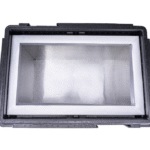
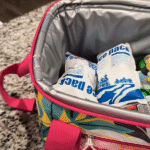
Envio internacional de caixa isolada personalizada
A maneira mais segura de comprar remessa internacional de caixa isolada personalizada é começar com o requisito de remessa e trabalhar de trás para frente até a caixa. Defina a faixa de temperatura do produto, carga útil, rota, transferências, método de refrigeração, e prova necessária na entrega antes de discutir o material, tamanho, ou marca. Uma caixa isolada pode ser um recipiente externo protetor, um passivo expedidor térmico, ou parte de um sistema de embalagem qualificado, dependendo de como ele é projetado e usado. Não deve ser tratado como uma garantia por si só.
Comece com o produto, não a caixa
Para remessa internacional, o maior erro de compra geralmente fica oculto na primeira folha de especificações. Os compradores pedem um tipo de caixa, embora a remessa realmente precise de um método controlado. Caixas personalizadas podem ser atraentes, mas as rotas internacionais aumentam a alfândega, regras de aeronaves, rotulagem, e exposição sazonal. É por isso que o pedido de orçamento deve descrever o produto, rota, condição de chegada necessária, e qualquer documentação de qualidade antes de solicitar o tamanho, cor, estrutura da parede, ou preço unitário.
Uma caixa isolada é uma barreira contra o calor ou frio externo, não é uma máquina de refrigeração ativa. Pode ser usado como um recipiente externo protetor, um expedidor isolado passivo, ou um componente dentro de um qualificado embalagem com temperatura controlada sistema. A diferença importa. Uma caixa de manuseio reutilizável geral pode ajudar na proteção e transferências curtas, enquanto um expedidor passivo qualificado normalmente requer um arranjo de refrigeração definido, um procedimento de embalagem, evidência de teste, e regras de recebimento. Para caixas isoladas personalizadas para remessas transfronteiriças sensíveis à temperatura, o comprador deve perguntar qual a função que a caixa deve desempenhar antes de aceitar qualquer formulação de desempenho.
Construa o pacote em torno da realidade da rota
O ajuste da rota é mais importante do que uma declaração genérica de tempo de espera. Uma rota inclui o tempo de coleta e embalagem, pré-condicionamento, encenação, retirada da transportadora, movimento de linha, alfândega ou depósito, entrega na milha final, e o processo de recebimento. Cada etapa pode adicionar exposição ao calor, vibração, eventos de abertura, ou atraso. Se a rota mudar sazonalmente ou passar por diferentes redes de operadoras, a decisão de embalagem deve incluir uma margem de segurança e um plano claro de escalonamento para atrasos.
O ajuste da carga útil deve ser verificado com espaço interno utilizável, não apenas volume nominal. Caixas de produtos, monitores de temperatura, materiais absorventes, divisores, forros, pacotes de refrigerante, e a papelada podem reduzir o espaço útil. Se a caixa for superdimensionada, espaço de ar extra pode aumentar a demanda de líquido refrigerante e o movimento durante o manuseio. Se estiver muito apertado, o produto pode tocar diretamente no líquido refrigerante, bloqueando o fluxo de ar ou criando pontos frios.
A faixa de temperatura necessária deve vir da especificação do produto, plano de segurança alimentar, equipe de qualidade farmacêutica, ou exigência do cliente. O fornecedor da caixa pode ajudar a propor uma embalagem, mas o comprador possui a definição do que significa “condição de chegada aceitável”. Essa definição deve incluir limites de temperatura, condição visual, tolerância a vazamentos, documentação, e quem decide o que acontece se uma leitura estiver fora do alcance.
Os compradores de especificações não devem deixar vagas
Estruturas de embalagens isoladas comuns incluem caixas de espuma expandida, recipientes reutilizáveis moldados, expedidores baseados em painel, forros, isolamento laminado, e estruturas de alto desempenho, como painéis isolados a vácuo. Cada um tem compensações no custo, grossura, durabilidade, recuperabilidade, estabilidade dimensional, e tolerância de manuseio. Um material que funciona para uma pista pode ser muito frágil, muito volumoso, ou muito caro para outro.
A compatibilidade do refrigerante é tão importante quanto o isolamento. Os pacotes de gel podem ser adequados para muitas rotas de alimentos refrigerados, Os pacotes PCM são escolhidos quando é necessário um comportamento de temperatura mais restrito, e gelo seco é usado somente quando o produto, operadora, e os procedimentos de segurança permitem. O refrigerante deve ser condicionado de acordo com um método escrito. A equipe deve saber para onde vai cada pacote, quanto tempo deve ser congelado ou condicionado, e o que fazer quando o pacote não pode ser seguido.
Um processo de compra útil começa com um requisito por escrito. Incluir o tipo de produto, faixa de temperatura alvo, tamanho da carga útil, duração da rota, exposição ambiental esperada, modo de transporte, método de carregamento, recebendo cheques, e qualquer documentação que a qualidade ou os clientes exijam. Isto evita que a conversa com o fornecedor se transforme em reivindicações genéricas e ajuda ambos os lados a decidir se uma caixa padrão, tamanho modificado, ferramenta personalizada, forro, ou é necessário um design de embalagem completo.
Evidência do fornecedor e controle de qualidade
O fornecedor deve ser capaz de separar fatos comprovados de suposições. Fatos comprovados podem incluir descrição material, dimensões, desenhos de amostra, e documentos de teste sob condições definidas. As suposições incluem pistas não testadas, cargas úteis diferentes, diferentes quantidades de refrigerante, ou alterou os designs de fechamento. Uma boa comunicação com o fornecedor torna esses limites visíveis antes do pedido ser feito.
Para programas de fábrica ou em massa, o controle de qualidade deve cobrir a aprovação da amostra, verificações de materiais recebidos, inspeção de produção, embalagem de papelão, e alterar notificações. Para projetos personalizados, desenhos e amostras aprovadas devem estar alinhados para que a equipe de produção não interprete o projeto de forma diferente da amostra de vendas.
Orientações relevantes podem informar a revisão, mas não deve ser usado como um atalho de marketing. Para este tópico, áreas de referência úteis incluem práticas de carga sensíveis à temperatura da IATA, Conceitos ISTA 7E, regras de importação e alimentos/farmacêuticas específicas do país. Um fornecedor pode dizer que um projeto é adequado para um caso de uso somente quando as condições de teste, carga útil, plano de refrigeração, e método de operação são claros. Se uma afirmação parece universal, pergunte qual condição exata de envio ela descreve.
| Antes da aprovação | Pergunta a fazer | Sinal de decisão |
|---|---|---|
| Definição de requisitos | Qual produto, faixa de temperatura, carga útil, e rota é a caixa que está sendo projetada para? | Requisito claro antes da seleção de tamanho e material |
| Evidência de embalagem | Tem a mesma caixa, refrigerante, carga útil, e procedimento foram testados ou testados? | As evidências correspondem ao uso pretendido e não a uma faixa diferente |
| Ajuste operacional | A equipe do armazém pode embalá-lo corretamente durante a carga de trabalho normal?? | Etapas repetíveis com tempo realista |
| Controle de fornecedores | Como estão as amostras, desenhos, materiais, e mudanças de produção controladas? | As unidades a granel permanecem alinhadas com o projeto aprovado |
| Tratamento de exceções | O que acontece depois do atraso, excursão, dano, vazamento, ou falha na entrega? | A equipe sabe a resposta antes do lançamento |
Esta tabela de aprovação fornece informações de aquisição, operações, e equipes de qualidade uma lista de verificação compartilhada. Também ajuda a evitar que a aprovação da amostra se transforme em alterações de produção descontroladas posteriormente.
Quando a caixa não é suficiente
Uma caixa isolada não é suficiente quando o percurso é maior que o projeto térmico, o produto requer documentação rigorosa, o refrigerante não pode ser condicionado corretamente, ou a equipe não consegue seguir o pacote. Também não é suficiente quando a remessa utiliza gelo seco sem revisão de segurança, vacinas sem lógica de prevenção de congelamento, ou alimentos sem controles de higiene. Nesses casos, o comprador precisa de um sistema de embalagem e procedimento operacional mais completo.
Não trate a espessura da parede como o único sinal de desempenho. A espessura pode ajudar, mas material de isolamento, ajuste da tampa, vazamento de canto, posição do refrigerante, contato de carga útil, exposição ambiental, e lidar com a disciplina também afeta os resultados. Um pacote mais fino, mas com melhor design, pode superar um design volumoso em um percurso curto, enquanto um painel de alto desempenho pode ser desnecessário para uma faixa local de baixo risco.
Não copie a embalagem de um concorrente sem entender o produto e a faixa. Duas remessas podem usar caixas semelhantes, mas se comportar de maneira diferente porque a massa da carga útil, temperatura do líquido refrigerante, espaço aéreo, temporada de rotas, e frequência de manuseio são diferentes. Copiar um layout também pode criar risco de congelamento se o produto for sensível e o líquido refrigerante estiver colocado muito próximo.
Ferramentas úteis de decisão
Verifique os detalhes antes de escolher a embalagem
Essas ferramentas rápidas podem ajudá-lo a comparar o risco da rota, necessidades de dimensionamento, escolhas de refrigerante, e detalhes da embalagem antes de solicitar um orçamento.
Forro de caixa & Dimensionamento da cobertura de paletes
Verifique a lógica de dimensionamento do forro da caixa e da tampa do palete para projetos de embalagens isoladas.
Dimensionamento estimadoCalculadora de gelo seco
Estime as necessidades de gelo seco para remessas congeladas ou ultrafrias antes de embalar.
Estimar gelo secoResistência à queda de material de isolamento
Revise a resistência à queda e os fatores de manuseio antes de escolher materiais de isolamento.
Verifique a resistênciaExemplo de campo: um piloto mais seguro antes da compra em massa
Em uma remessa internacional comum, o comprador pode conhecer a promessa de entrega, mas não o orçamento térmico. A equipe deve mapear o tempo fora do armazenamento controlado, refrigerante pré-condicionado, embalar a carga em uma ordem repetível, e verifique os dados de chegada. Esse pequeno piloto muitas vezes revela se o problema é o tamanho da caixa, massa de refrigerante, disciplina de preparação, morada da transportadora, ou atraso no recebimento.
Depois do piloto, o comprador deve revisar o que falhou primeiro. Se ocorreu desvio de temperatura durante o preparo, mudar o procedimento do armazém pode ajudar mais do que mudar a caixa. Se as caixas dos produtos foram esmagadas, suporte interno ou um tamanho diferente pode ser importante. Se a equipe não conseguisse embalar de forma consistente, o projeto pode precisar de compartimentos mais claros ou menos etapas. O objetivo não é fazer com que a embalagem pareça perfeita no papel, mas para torná-lo repetível.
Notas adicionais de avaliação do comprador
Uma especificação forte para remessa internacional de caixa isolada personalizada deve descrever o que é conhecido, o que deve ser verificado, e o que não deve ser assumido. Os fatos conhecidos podem incluir a categoria do produto, dimensões da embalagem, modo de envio esperado, e processo básico de manuseio. Os itens a serem verificados incluem volume utilizável, quantidade de refrigerante, atraso na rota, consistência material, e evidência de temperatura. As suposições que não devem ser escritas como fatos incluem o tempo de espera universal, adequação regulatória automática, e desempenho em rotas que não foram testadas ou pilotadas.
O lado receptor merece a mesma atenção que a embalagem. Um pacote pode ser bem projetado e ainda assim criar problemas se o destinatário o abrir tarde, armazena na área errada, descarta o monitor, ou não sabe como avaliar a condição do produto. Para rotas B2B recorrentes, escrever instruções de recebimento em linguagem operacional simples. Inclua o que verificar primeiro, quando escalar, e quais evidências devem ser mantidas.
O alinhamento interno também faz parte do desempenho da embalagem. As compras podem querer estabilidade de preços, operações podem querer embalagem fácil, qualidade pode querer evidências documentadas, e as vendas podem querer uma melhor experiência de desembalagem. O projeto final não deve atender apenas um departamento. Reúna esses requisitos antes que o pedido passe para as ferramentas, marca, ou produção em massa.
Uma revisão final deve perguntar se a embalagem pode ser usada em um dia ruim. Bons dias escondem especificações fracas. Recolha tardia, encenação quente, uma tentativa de entrega perdida, um novo operador, ou uma carga ligeiramente diferente pode expor problemas que eram invisíveis durante um teste de amostra perfeito. Se o pacote for destinado à escala, o processo de aprovação deve incluir essas variações realistas.
A revisão de custos deve incluir mais do que o preço cotado da caixa. Líquido refrigerante extra, caixas externas maiores, embalagem mais lenta, entregas falhadas, retorna, trabalho de limpeza, tratamento de reclamações, e descarte afetam o custo real de uma decisão de embalagem. Um pacote que parece mais caro por unidade pode ser menos dispendioso se reduzir erros do operador, reduz o dano, ou torna as verificações de chegada mais claras. Um pacote que parece barato pode ser caro se exigir correção manual constante.
A reunião de aprovação final deve incluir aquisições, operações de armazém, qualidade, e a equipe de negócios que detém a promessa do cliente. A área de compras pode confirmar o preço e as condições do fornecedor. As operações podem confirmar se o pacote é realista. A qualidade pode decidir se o tratamento de evidências e desvios é aceitável. A equipe comercial pode avaliar se a condição de chegada corresponde à promessa feita aos clientes. Esta revisão compartilhada geralmente evita problemas evitáveis após o lançamento.
Treinamento deve fazer parte do lançamento da embalagem. Uma nova caixa isolada pode falhar se os operadores não souberem a ordem do refrigerante, sequência de carregamento, tempo máximo de preparação, posicionamento da etiqueta, ou regra de exceção. Fotografias simples, cartões de embalagem, e receber notas pode ser mais eficaz do que um longo manual que ninguém lê durante os períodos de pico. Um design de embalagem só estará realmente pronto quando a equipe comum puder repeti-lo sob carga de trabalho normal..
Perguntas frequentes
O envio internacional de caixa isolada personalizada é suficiente para envio com temperatura controlada por si só?
Não. A caixa retarda a transferência de calor, mas a remessa também precisa do refrigerante correto, layout de carga útil, pré-condicionamento, controle de rota, e processo de recebimento. Para produtos de alto risco, os compradores devem solicitar evidências de teste ou realizar um piloto nas condições de rota pretendidas antes de usar a embalagem em grande escala.
O que devo enviar a um fornecedor antes de solicitar um orçamento?
Compartilhe o tipo de produto, faixa de temperatura necessária, tamanho da carga útil, duração da rota, modo de transporte, exposição ambiental esperada, transferências de operadora, e qualquer documentação necessária. Quanto mais completo o requisito, mais fácil será para o fornecedor recomendar um tamanho padrão, design personalizado, forro, plano de refrigeração, ou abordagem de qualificação.
Um design de caixa isolada pode servir comida, farmacêutico, e remessas de ciências biológicas?
Às vezes, a estrutura externa pode ser semelhante, mas os requisitos operacionais são diferentes. Os alimentos podem se concentrar na higiene e no vazamento, farmacêutica sobre documentação e controle de desvios, e remessas de ciências biológicas sob proteção de amostras ou regras de gelo seco. Trate cada categoria de produto como uma revisão de embalagem separada.
Como os pedidos em grandes quantidades devem ser controlados após a aprovação da amostra?
Registre o desenho aprovado, material, projeto de fechamento, forro, dimensões, embalagem de papelão, e quaisquer suposições de pacote. Pergunte ao fornecedor como as mudanças na produção são controladas. Quando a embalagem suporta produtos sensíveis à temperatura, mesmo pequenas alterações devem ser revisadas antes de serem aceitas para remessas repetidas.
Conclusão
A caixa isolada personalizada certa para envio internacional é aquela que corresponde ao produto, rota, plano de refrigeração, processo de manuseio, e requisitos de evidência. Uma caixa forte com um procedimento fraco ainda é uma remessa fraca. Uma caixa modesta usada na pista da direita com um pacote repetível pode ser mais segura do que um pacote caro selecionado sem compreensão da rota.
Antes de fazer o pedido, definir a faixa de temperatura necessária, carga útil utilizável, exposição da rota, Método de embalagem, necessidades de monitoramento, evidência do fornecedor, e expectativas de controle de mudanças. Em seguida, teste ou teste o projeto em condições realistas. Essa abordagem reduz a chance de um pedido em massa se tornar uma lição cara após o lançamento.
Sobre Tempk
A Tempk ajuda os compradores da cadeia de frio a conectar a seleção de embalagens com os detalhes práticos do design da remessa. Para remessa internacional, isso significa discutir os requisitos do produto, rota, carga útil, escolha do refrigerante, formato de caixa isolada, e o que deve ser verificado antes de passar da amostra para o pedido em massa. Nosso escopo abrange bolsas de gelo em gel, Pacotes de gelo seco, isolado bolsas térmicas, Caixas isoladas em EPP, caixas de transporte frio, forros, Tampas de paletes, e materiais de embalagem relacionados para produtos sensíveis à temperatura.
Discuta sua rota, carga útil, faixa de temperatura, e necessidades de embalagem com Tempk antes de dimensionar pedidos, especialmente quando a remessa envolve produtos regulamentados ou sensíveis à temperatura de alto valor.