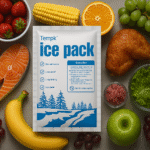
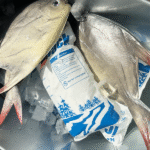
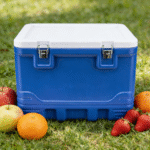
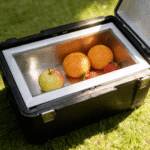
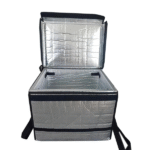
Transportar insulina não é tão simples quanto jogá-la em qualquer refrigerador. A insulina deve permanecer entre 2 °C e 8 °C para permanecer potente, enquanto um disposable dry ice sheet sits at –78.5 °C and can freeze the medicine. Para usar um com segurança, você precisa de um buffer, dimensionamento inteligente e rotulagem adequada. Este guia completo mostra como equilibrar o frio extremo com cuidado delicado para que seu suprimento permaneça viável.

Se uma placa de gelo seco descartável é segura para envio de insulina e quando é necessária (palavra-chave de cauda longa: Folha de gelo seco compatível com FDA para insulina)
Como construir um pacote em camadas com materiais de mudança de fase (palavra-chave de cauda longa: Blocos PCM para transporte de insulina)
Como calcular a quantidade certa de gelo seco para diferentes climas e durações (palavra-chave de cauda longa: proporção de peso de gelo seco para insulina)
Práticas de segurança, limites regulatórios e requisitos de rotulagem para 2025 (palavra-chave de cauda longa: regulamentos de companhias aéreas de gelo seco)
Sustainable alternatives and cold chain trends affecting insulin shipping
Are Disposable Dry Ice Sheets Safe for Insulin Shipping?
Resposta curta: Dry ice sheets are not inherently “FDA approved” and can freeze insulin if used alone. Dry ice is solid carbon dioxide at –78.5 °C, far colder than insulin’s 2 Faixa °C–8 °C. To protect your medicine, you must place a buffer layer such as +5 °C phase change material (PCM) bricks between the insulin and the dry ice sheet. Without this barrier the extreme cold can denature insulin proteins and make the medication unusable.
Why FDA compliance doesn’t mean what you think
When marketers describe a “FDA approved” dry ice sheet, they are referring to the materials that encase the dry ice—not the carbon dioxide itself. Os EUA. Comida & Drug Administration regulates packaging materials that touch food or drugs through its Food Contact Notification (FCN) processo. Compliant dry ice sheets use food safe plastics like high density polyethylene (PEAD) ou polipropileno (PP), non toxic refrigerant gels, and food safe adhesives. They must also display the UN1845 hazard label to warn handlers that carbon dioxide is inside. Even when all components are certified, the CO₂ will still remain at –78 °C, so you still need insulation and a buffer to protect your medicine.
Components of a FDA compliant dry ice sheet
FDA compliant dry ice sheets rely on several materials to ensure safety and performance. Cada componente desempenha uma função específica:
| Componente | Material típico | Food safety significance | O que isso significa para você |
| Filme externo | PEAD, PEBD ou PP | These inert plastics resist chemical migration and remain flexible at low temperatures. | Keeps your insulin container free from contamination and prevents film cracking during freezing and transport. |
| Gel refrigerante | Food grade super absorbent polymer | The gel freezes into a solid block without leaching chemicals. | Provides cooling without leaving messy water and can sometimes be reused for short trips. |
| Selantes & adesivos | Adesivos termofusíveis seguros para alimentos | Create leak proof seals to keep CO₂ contained. | Prevents gel leaks and ensures the dry ice sheet doesn’t rupture during travel. |
| Rotulagem | UN1845 hazard label | Required for DOT/IATA transport. | Informs carriers that your package contains dry ice and helps you comply with airline regulations. |
Practical tips when considering dry ice sheets
Request documentation: Always ask your supplier for FDA compliance certificates and hazard labels to verify that the films, gels and adhesives meet food contact standards.
Use a thermal buffer: Never let dry ice touch insulin directly. UM +5 °C PCM brick or medical gel pack must be between them.
Etiqueta claramente: Mark your package with “Contains Dry Ice / Dióxido de carbono, Solid” and list the net weight. Airlines require this information.
Assess insulation quality: When buying dry ice sheets, confirm that the film thickness matches your shipping duration and ambient temperature.
Exemplo de caso: A remote clinic needed to send insulin to a rural location 48 hours away. They placed vials in a rigid case, wrapped them with +5 °C Tijolos PCM, added insulation, and then positioned 0.8 kg de gelo seco no compartimento externo. A data logger recorded temperatures of 3.5 °C–6 °C for two days, proving that the buffer prevented freezing while the dry ice sheet supplied extra cooling.
How to Package Insulin with Disposable Dry Ice Sheets
Protecting insulin during transit requires a layered “thermal sandwich.” This technique separates the medicine from subzero refrigerants while still taking advantage of dry ice’s long lasting cold. Siga estas etapas:
Step by step pack out instructions
Pre condition your PCM or gel packs: Frio +5 °C PCM bricks or medical gel packs in the refrigerator for at least 24 hours to stabilize them at 2 °C–8 °C. Não os congele; freezing could make them too cold and risk freezing the insulin.
Prepare a insulina: Place insulin vials or pens in a rigid plastic or metal case to prevent crushing and provide structure.
Create a thermal sandwich: Surround the insulin case with chilled PCM bricks on all sides, leaving a 1–2 cm gap between the medicine and any subzero element. This buffer ensures temperatures stay within the 2 Faixa °C–8 °C.
Adicionar isolamento: Use isolamento de alta qualidade, como poliestireno expandido (EPS), polipropileno expandido (PPE) ou painéis isolados a vácuo (VIP), para retardar a transferência de calor. Pre chill the insulation if possible.
Position the dry ice sheet: Place the disposable dry ice sheet outside the PCM layer in the outer compartment of your cooler. Ensure there is space for CO₂ gas to escape; never seal the container airtight.
Rotular e ventilar: Mark your container with the dry ice hazard label and net weight, and create vents or leave the lid slightly ajar to let gas escape.
Monitore a temperatura: Insert a data logger near the insulin. Definir alertas em 2 °C e 8 °C to ensure the pack out stays within range. Testing the set up for 12–24 hours before your trip helps you fine tune the arrangement.
Sizing your dry ice sheet: climate and duration
The amount of dry ice you need depends on the trip length, temperatura ambiente e qualidade do isolamento. Over packing can freeze insulin, while under packing risks overheating. Use these guidelines:
| Journey & clima | Peso recomendado de gelo seco | Significado prático |
| Viagem curta (≤18 horas, ≤25°C) | 0 kg de gelo seco; dois +5 °C PCM bricks are sufficient | For day trips or mild climates, skip the dry ice. PCMs alone maintain 2 °C–8 °C. |
| Jornada moderada (25–32ºC, 18–36 horas) | 0–0.5 kg of dry ice per day | Adicione isolamento extra e um tijolo PCM extra; only a small dry ice sheet if the ambient temperature is high. |
| Clima quente (≥32 °C) ou viagem de vários dias (>36 horas) | 0.5–0,8 kg de gelo seco por dia | Use a buffered dry ice pack out: four or more PCM bricks plus a larger sheet of dry ice. Keep the dry ice outside the PCM layer. |
| General rule of thumb | 5–10 libras de gelo seco (2.27–4,54kg) sublimate every 24 horas; comece com um 1:1 proporção de peso (peso de gelo seco : peso do produto) para remessas até 48 horas, adjusting 25–50 % for summer or longer distances. | Use fórmulas como (volume do refrigerador × diferença de temperatura × 0.12) ÷ 150 × 1.25 for large containers. |
Practical pack out scenarios and advice
Curta distância (<18 horas): Pack insulin in a hard case with two chilled PCM bricks and insulation. Skip the dry ice completely.
24–48 hour trips: Use o 1:1 ratio guideline: match the weight of your dry ice sheet to the weight of the insulin and PCM case, and add extra insulation.
Long distance shipments (48–72 horas): Combine dry ice sheets with high performance insulation or a VIP cooler. Use multiple PCM bricks and 0.5–0.8 kg of dry ice per day.
Perguntas para se fazer: Quanto tempo dura sua jornada? What’s the hottest expected temperature? How many vials or pens are you transporting? Will you have access to refrigeration at your destination? As regras da companhia aérea permitem gelo seco em sua rota? Answering these helps determine whether you need dry ice and how much.
Label and trial run: As companhias aéreas limitam os passageiros a 2.5 kg (5.5 Libra) de gelo seco, so weigh your sheet and mark the net weight. Conduct a test run at home to verify the pack out before your actual trip.
Cenário do mundo real: A home chef mailing a genetic testing kit across the country used a 500 g dry ice sheet with a 500 g sample in a pre chilled box. She placed a cardboard layer between the dry ice and the specimen, labeled the package and kept the cooler vented. The sample arrived within 48 horas na temperatura adequada.
Segurança, Handling and Regulatory Considerations
Using a disposable dry ice sheet is not only about packing—it’s also about safety and compliance. O gelo seco é classificado como um material perigoso (E 1845). Improper handling can result in frostbite, suffocation or regulatory fines.
Essential safety practices
Use equipamento de proteção: Luvas isoladas, long sleeves and eye protection are mandatory when handling dry ice. Use tongs or a scoop instead of your bare hands.
Ventilar: Work in a well ventilated area and keep car windows open during transport. O gelo seco libera gás dióxido de carbono que pode deslocar o oxigênio e causar asfixia.
Evite recipientes herméticos: Never store dry ice in sealed coolers or glass jars. As the CO₂ sublimates it builds pressure and can cause explosions.
Mantenha longe de crianças e animais de estimação: Dry ice should only be handled by responsible adults.
Etiquetar remessas: Afixar uma classe 9 rótulo de perigo e anote o peso líquido do gelo seco. Provide safety instructions for the recipient.
Primeiro socorro: In the event of frostbite, mergulhe a área afetada em água morna (não quente) water and seek medical attention.
Regulatory guidelines for 2025
Airline limits: Passengers may carry dry ice only with airline approval and must limit it to 2.5 kg (5.5 Libra) per package or per passenger. Commercial cargo may allow up to 200 kg, but carriers set their own limits. Always check your airline’s rules.
Ventilation and labeling: DOT and FAA regulations require packages containing dry ice to be vented and marked with “Dry ice” or “Carbon dioxide, sólido,” along with the net weight. The outermost container must carry a hazard class 9 label and the UN 1845 identificador.
Embalagem tripla: Pharmaceutical packaging standards often call for triple containment—a primary container (insulin vial), secondary rigid case and outer insulated package. Always ensure your dry ice sheet remains outside the secondary barrier.
CO₂ rate of loss: Expect 5–10 lb of dry ice to sublimate every 24 horas. Add extra for possible delays.
Documentação: Carry a Material Safety Data Sheet (FISPQ) for dry ice and verify your supplier’s certifications.
Environmental impact and sustainable alternatives
Dry ice is produced from captured carbon dioxide, so using it can repurpose industrial waste gas. No entanto, à medida que sublima, CO₂ is released, contributing to greenhouse gases if not captured. Consider these eco friendly options:
CO₂ reciclado: Choose suppliers who produce dry ice from recycled carbon dioxide. This reduces the carbon footprint of your shipment.
Optimize usage: Combining dry ice with high performance insulation or PCM bricks reduces the amount needed. This hybrid approach balances ultra cold power with moderate cooling and cuts emissions.
Materiais de mudança de fase: PCMs designed for +5 °C provide precise temperature control without hazardous materials or complicated labeling. They are reusable and eco friendly.
Pacotes de gel: Medical gel packs freeze around 0–4 °C and keep products cool for up to 33 horas; they’re leak proof and reusable.
Pacotes evaporativos de hidrogel: For room temperature insulin, hydrogel packs maintain around +20 °C por cerca 45 hours and can be rehydrated.
Filmes biodegradáveis: Manufacturers are exploring polylactic acid (PLA) and cellulose films that meet FDA standards but degrade more quickly, Reduzindo resíduos de plástico.
Sensores inteligentes e monitoramento IoT: Real time data loggers with Bluetooth or cellular connectivity now alert travelers to temperature excursions. Mais do que 70 % of pharmaceutical shippers require real time monitoring.
Sistemas híbridos: Many companies combine dry ice with PCM bricks to reduce super cooling and extend hold times. This trend is making its way into personal travel kits.
História de sucesso: A meal kit company replaced single use EPS foam and heavy gel packs with a hybrid system—biodegradable PCM bricks combined with a small dry ice sheet in a recyclable cardboard box. By using only the necessary amount of dry ice and focusing on recyclable materials, eles reduziram as emissões do transporte marítimo em 20 % while keeping food frozen for 72 horas.
2025 Tendências e Inovações em Logística da Cadeia de Frio
The cold chain industry is evolving rapidly due to increased demand for biologics, vaccines and e commerce deliveries. The dry ice market grew 5 % per year in recent years while CO₂ supply grew only 0.5 %, causing price volatility. Stay ahead by following these trends:
Dinâmica do mercado: The global dry ice market was valued at about USD 1.54 bilhão em 2024 e está projetado para atingir USD 2.73 bilhão por 2032, com uma taxa composta de crescimento anual em torno 7.4 %. Demand is driven by biologics and frozen food logistics.
Dry ice formats: Large blocks sublimate slowly and are suited for bulk shipments; pellets and nuggets provide rapid cooling but vaporize faster; thin sheets balance coverage and duration. Selecting the right format prevents over cooling or insufficient hold time.
Inovações em embalagens: Improved insulation design—pre conditioning containers, minimizing void space and positioning dry ice above the payload—can significantly extend hold times. High density EPS, EPP and VIP panels are becoming standard.
Filmes biodegradáveis: Polylactic acid and cellulose films are entering the market, Reduzindo resíduos de plástico.
Monitoramento inteligente: IoT enabled data loggers provide real time alerts for temperature excursions. Sobre 70 % of pharmaceutical shipments now require live monitoring.
Refrigerantes híbridos: Combining dry ice with PCM bricks mitigates extreme cold and reduces overall dry ice usage. This approach is gaining traction in both industrial and personal applications.
Produção distribuída: To ease supply shortages, manufacturers are building local CO₂ production hubs and diversifying sources.
Insights de mercado
Supply constraints and sustainability pressures mean travelers and small shippers should plan ahead. Spot dry ice prices have surged by as much as 300 % durante crises de abastecimento. Investing in reusable PCM bricks or hybrid kits can reduce dependence on volatile dry ice supply. Enquanto isso, eco conscious consumers increasingly favor recyclable packaging and carbon neutral options.
Perguntas frequentes (Perguntas frequentes)
Q1: Can I bring a disposable dry ice sheet on an airplane for my insulin?
Sim, but you must follow airline and FAA rules. Os passageiros podem levar até 2.5 kg (5.5 Libra) of dry ice per package or per passenger. The container must vent carbon dioxide gas and be labeled “Dry Ice” or “Carbon dioxide, sólido” com o peso líquido. Always check with your airline and consider gel or PCM packs to avoid extra paperwork.
Q2: What’s the ideal temperature range for storing and transporting insulin?
Insulin should stay between 2 °C e 8 °C (36 °F–46 °F) de acordo com as diretrizes da FDA. A insulina fechada armazenada nesta faixa permanece potente até a data de validade. Uma vez aberto, many types of insulin can be kept at room temperature (15 °C–30 °C) para até 28 dias, mas nunca deve congelar. Se a insulina for exposta a temperaturas extremas ou congelamentos, descarte-o.
Q3: How much dry ice do I need for a 48 hour insulin shipment?
Logistics experts estimate that 5–10 lb (2.27–4,54kg) de gelo seco irá sublimar cada 24 horas. Por um 48 hour trip in hot conditions, use 0.5–0.8 kg of dry ice per day along with multiple +5 °C Tijolos PCM. Always keep dry ice outside the PCM layer and vent the container.
Q4: Qual é a diferença entre mantos de gelo seco, pacotes de gel e tijolos PCM?
Dry ice sheets contain solid CO₂ at –78 °C and provide intense cold for 24–72 hours but can freeze insulin if not buffered. Gel packs freeze around 0–4 °C and keep products cool for about 12–36 hours, plus they’re reusable and don’t require hazard labeling. Tijolos PCM projetados para +5 °C maintain insulin safely between 2 °C e 8 °C for 24–48 hours and are reusable and eco friendly. Choose the refrigerant that matches your temperature needs and regulatory comfort.
Q5: Como posso verificar se uma camada de gelo seco é realmente compatível com a FDA?
O FDA não aprova o próprio gelo seco. Verify that the outer film is made of food grade HDPE or PP and that the gel is a food grade polymer. Request Food Contact Notification documentation from your supplier and ensure the product comes with a UN1845 hazard label.
Q6: Are there eco friendly options for disposable dry ice sheets?
Many manufacturers now produce dry ice from recycled CO₂ and pair it with biodegradable films. Hybrid kits that combine a small dry ice sheet with reusable PCM bricks reduce overall CO₂ emissions and plastic waste. You can also choose purely PCM based kits, which provide precise temperature control without hazardous materials.
Resumo
Transporting insulin with a disposable dry ice sheet requires balancing extreme cold with the medicine’s narrow safe temperature range. Remember that dry ice sits at –78.5 °C and can freeze insulin if it touches the vials. Always wrap your insulin in a rigid case and buffer it with chilled PCM bricks or gel packs. Use only as much dry ice as you need—0 kg for short trips, 0–0.5 kg/day for moderate journeys and 0.5–0.8 kg/day for multi day or hot climates. Ventive seu contêiner, wear protective gear and follow airline weight limits and labeling rules. Consider eco friendly alternatives such as recycled CO₂ dry ice, hybrid PCM kits or reusable gel packs to reduce environmental impact.
Ação
Avalie sua viagem: Determine the length, climate and number of insulin units you’re carrying. If you can complete your journey within 18 horas, skip the dry ice and use only PCM bricks.
Crie um pacote em camadas: Pre chill PCM bricks, coloque a insulina em um estojo rígido, insulate well and position the dry ice sheet outside the buffer layer. Test your set up with a temperature logger before traveling.
Siga os regulamentos: Check airline rules, weigh your dry ice sheet and label the package with UN 1845 hazard information. Carry documentation and the supplier’s compliance certificates.
Considere a sustentabilidade: Sempre que possível, choose recycled CO₂ sources and reusable PCM or gel packs. Hybrid solutions reduce carbon footprint and regulatory headaches.
Mantenha-se informado: Keep up with cold chain trends, como sensores inteligentes, biodegradable films and hybrid refrigerants. They can improve safety, reduce costs and protect the environment.
Sobre Tempk
Tempk is an innovator in cold chain packaging, oferecendo caixas isoladas, medical ice cases and advanced refrigerants for pharmaceuticals and perishable goods. Our research and development center focuses on precise temperature control and sustainability. We provide food grade dry ice sheets, FDA compliant gel packs and phase change materials, and we assist clients in meeting DOT/IATA regulations. We are committed to eco friendly materials and are exploring biodegradable films and smart monitoring devices to help you ship medicines safely and responsibly.