Distribuidor de gelo seco para entrega de alimentos: Uma estrutura de fornecimento de rota até o recebimento
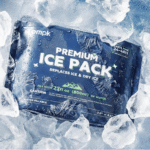
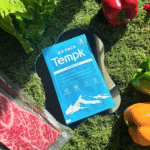
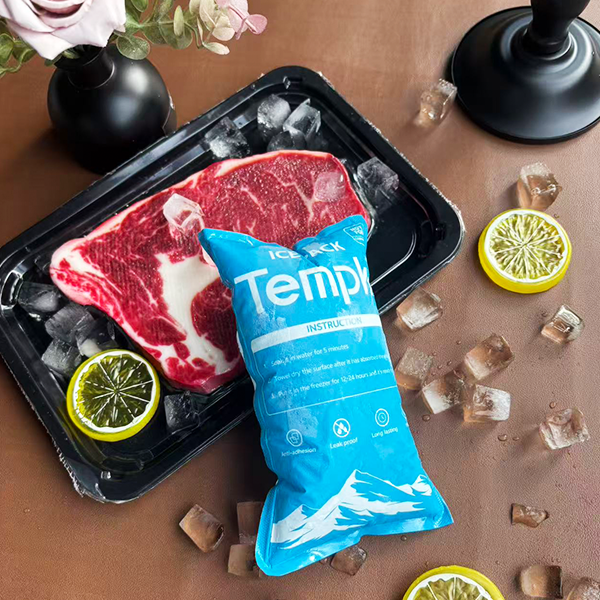
Um distribuidor pacote de gelo seco para entrega de alimentos deve ser aprovado através da rota, não de uma reivindicação de catálogo. O pacote de hidratação da Tempk é uma folha de refrigerante congelada ativada por água. Não é gelo seco sólido com dióxido de carbono, não é refrigerante UN1845, e não se deve esperar que crie um ultra-frio ambiente. Usado em um pacote isolado definido, a folha pode absorver o calor que entra. Se os alimentos permanecem seguros e aceitáveis ainda depende da classificação do menu, temperatura inicial, separação, preparação de folhas, geometria do pacote, tempo decorrido, saneamento, monitoramento, e recibo do cliente.
Defina a decisão alimentar antes da decisão da embalagem
O primeiro documento do comprador deve ser um resumo de alimentação e rota, não é um pedido de refrigerante.
Liste todas as categorias de produtos que podem entrar no contêiner de entrega. Identifique o controle de tempo/temperatura frio para alimentos seguros, itens congelados, alimentos mantidos quentes, bens estáveis em prateleira, e produtos resfriados principalmente pela qualidade. Produto inteiro, cortar produtos, proteína crua, refeições cozinhadas, laticínio, itens de padaria, molhos, e os produtos de confeitaria podem ter necessidades diferentes, mesmo quando aparecem no pedido de um cliente.
A equipe de segurança alimentar deve definir o critério regulador para cada produto relevante para a segurança. Nos Estados Unidos, o Código Alimentar da FDA é um modelo para adoção no varejo e no serviço de alimentação e normalmente usa 5°C ou 41°F para conservação a frio de alimentos TCS. O conselho federal ao consumidor geralmente informa aos destinatários que os alimentos perecíveis entregues devem estar a 4°C ou 40°F ou menos. Esses valores vêm de diferentes contextos. A jurisdição aplicável, análise de perigo, formulação do produto, processo validado, e as instruções do cliente devem determinar a regra de negócios.
Para produtos sensíveis à qualidade, definir uma janela útil e sinais de falha. O congelamento parcial pode danificar as saladas, emulsões, produtos frescos, ou alguns molhos. A condensação pode amolecer produtos assados ou papelão. O chocolate pode precisar de proteção térmica sem uma embalagem TCS refrigerada. A configuração mais fria não é necessariamente a melhor configuração.
Finalmente, documentar a condição inicial pretendida. O refrigerante passivo foi projetado para proteger alimentos adequadamente acondicionados, não substitui o resfriamento controlado de refeições quentes ou corrige um processo de armazenamento refrigerado interrompido.
Substituir "prazo de entrega" com exposição total
O cliente vê uma notificação de envio e uma chegada. O pacote experimenta uma cadeia mais longa:
alimentos saem de armazenamento controlado;
trabalhadores selecionam e consolidam linhas de pedido;
o pedido aguarda itens faltantes;
refrigerante e barreiras são montados;
fila de pedidos embalados para motoristas;
sacos ou caixas são carregados;
os veículos fazem uma ou várias paradas;
uma transferência é bem-sucedida ou falha;
comida espera na porta, mesa, ou recepção;
o destinatário refrigera, congela, reaquece, ou serve.
Atribua um tempo de atraso normal e confiável para cada estágio. Marque quais espaços são controlados e quais podem ser quentes ou frios. Observe as aberturas das bolsas, contato veículo-piso, sol direto, transferência entre correios, e recibo não atendido. Este mapa produz uma duração de teste e um perfil ambiental defensáveis.
Também separa a margem de design da negligência operacional. Um pacote pode incluir uma margem de atraso justificada. Não deve ser usado para normalizar testes ilimitados ou tentativas repetidas de entrega com falha. Defina um ponto em que o pedido deve ser recuperado, em quarentena, substituído, ou descartados de acordo com o processo de segurança alimentar.
Os dados devem apoiar este mapa. Carimbos de data e hora da embalagem, verificações de driver, eventos de localização, registros do registrador, e o contato com o cliente pode identificar onde ocorreu a exposição. Sincronize relógios e predefina quem analisa as exceções. Uma notificação sem ação autorizada é apenas uma observação.
Entenda o que o refrigerante de hidratação pode e o que não pode fazer
A folha contém células que absorvem e retêm água. Depois de congelar, que a água armazena capacidade de resfriamento sensível e latente. O gelo puro absorve cerca de 333.5 joules por grama durante a fusão, uma propriedade física verificada que explica o valor energético da água congelada. Não indica quanta água um lençol exato retém ou quanto tempo uma entrega permanece dentro do limite alimentar.
O desempenho do pacote depende dos dois lados de um equilíbrio térmico.
O resfriamento disponível é influenciado pela massa da folha preparada, condição de congelamento, número e localização das folhas, temperaturas iniciais de alimentos e embalagens, e outra massa fria.
A demanda de calor é influenciada pela exposição ambiente, isolamento, costuras e fechamentos, aberturas, temperatura da carga útil, lacunas de ar, geometria do contêiner, superfícies de veículos, luz solar, e tempo total.
O contato direto adiciona outro problema. Uma folha pode criar um limite frio em uma bandeja enquanto um canto remoto aquece. Dobrar a folha duplica o refrigerante localmente. Uma embalagem fina de molho reage de maneira diferente de uma bandeja de refeição densa. Mapear locais quentes e frios é, portanto, mais útil do que medir um ponto ao ar livre.
A folha também tem limites tecnológicos claros. Não é gelo seco com dióxido de carbono e não deve herdar a capacidade ultra-frio do gelo seco sólido. Não refrigera indefinidamente, resfrie alimentos quentes com segurança por si só, evitar contaminação cruzada, ou provar que um item entregue atendeu às regras aplicáveis.
Crie um arquivo de componente controlado pelo distribuidor
Assim que a tecnologia se adequar ao conceito, criar um arquivo de item controlado. Deve identificar:
Nome do fabricante Tempk e modelo exato;
código do distribuidor;
padrão celular e dimensões controladas;
revisão e formato do lote;
documento exato de ativação e manuseio;
embalagem seca e condições de armazenamento;
uso pretendido e status de reutilização para esse modelo;
material ou informações de contato com alimentos necessárias para revisão;
critérios de defeito visível e dano;
expectativas de notificação de mudança;
pacotes aprovados que usam o item.
Não aprove "ou equivalente" sem rota técnica. Um item equivalente precisa de comparação de construção, ativação, massa preparada retida quando relevante, dimensões, geometria celular, manuseio de congelados, integridade, contato pretendido, e desempenho do pacote. O nível de confirmação deve corresponder ao risco alimentar e da rota.
O distribuidor deve passar pelos documentos atuais do fabricante, manter a rastreabilidade do lote, proteja o inventário seco contra umidade e danos, e notificar o comprador sobre alterações relevantes. O comprador deve inspecionar os recibos, controlar o status do armazém, e conectar reclamações ou vazamentos a lotes.
Peça às reivindicações que mostrem seus limites
Os termos de marketing tornam-se úteis apenas quando o escopo da evidência é explícito.
| Reivindicação comum | Perguntas que definem o limite | O que resta para o negócio alimentar |
|---|---|---|
| Qualidade alimentar | Qual modelo e camadas exatos? Que tipo de contato e condições? Qual documento suporta isso? | Aprovar o uso de contato ou barreira no sistema de segurança alimentar |
| Duradouro | Qual pacote isolado, contagem de folhas, carga útil, estado inicial, perfil ambiente, sensores, e banda de aceitação? | Teste o pedido e a rota reais |
| Reutilizável | O modelo é destinado à reutilização? Quais orientações de inspeção ou manuseio se aplicam? | Crie higiene, recuperação, identificação, e controles de aposentadoria |
| Resistente a vazamentos | Que condicionamento, manuseio, método, e limite de defeito foram usados? | Evite danos e inspecione antes de embalar |
| Ajuste personalizado | Qual desenho, tolerâncias, material, impressão, e revisão se aplicam? | Aprovar amostras e avaliar alterações |
| Testado para entrega | Um componente ou pacote completo foi testado, e em que condições? | Julgue a relevância para o cardápio e o processo de distribuição |
| Sustentável | Que comparação funcional, limite do ciclo de vida, e os dados apoiam o termo? | Meça o sistema real, incluindo perda e retorno de alimentos |
Esta revisão não exige que o distribuidor qualifique a operação do comprador. Identifica quais afirmações são fatos componentes e quais precisam de prova do sistema. Uma limitação precisa é mais confiável do que uma promessa universal.
Qualificar uma família de pacotes, não é um pedido médio
As cargas úteis de entrega variam. Um pedido pequeno tem mais ar e pode permitir que as folhas se movam. Um pedido grande tem mais massa térmica, mas pode comprimir o isolamento ou impedir o fechamento. Um pedido misto pode colocar um produto sensível ao frio próximo à folha e um item TCS em um canto quente.
Crie configurações que a equipe possa selecionar sem cálculo. Exemplos podem incluir:
pedido pequeno somente refrigerado;
pedido grande apenas refrigerado;
ordem mista refrigerada e ambiente com zonas separadas;
pedido congelado e resfriado em compartimentos distintos;
bolsa reutilizável multidrop;
pacote de transportadora com subsídio de porta.
Cada configuração aprovada deve corrigir o Recipiente isolado, modelo de folha, ativação e condicionamento, contar, posição, barreiras, zonas alimentares, faixa de carga útil, encerramento, monitorar o posicionamento onde usado, e cronograma operacional máximo. Se uma configuração não puder cobrir o intervalo, use outro; não esticar a conclusão de um teste por conveniência.
Projete o teste em torno dos modos de falha
Use alimentos representativos ou simuladores tecnicamente justificados, pacotes primários reais, pessoal de embalagem normal, e o veículo pretendido, bolsa, ou caixa transportadora. Desafie prováveis pontos quentes, contato frio, envio atrasado, abertura de bolsa, mudanças de orientação, e entrega ao vivo. Selecione instrumentos calibrados com precisão e intervalo de registro adequados.
Meça vários locais durante o desenvolvimento. Um sensor contra uma célula congelada, na massa alimentar central, perto de uma ponte de tampa, e no ar superior podem revelar comportamentos diferentes. Os dados ambientais ajudam a explicar o desafio. Predeterminar o critério e a análise em vez de escolher um sensor favorável após a execução.
Verifique também os resultados não térmicos:
Ferramentas úteis de decisão
Verifique os detalhes antes de escolher a embalagem
Essas ferramentas rápidas podem ajudá-lo a comparar o risco da rota, necessidades de dimensionamento, escolhas de refrigerante, e detalhes da embalagem antes de solicitar um orçamento.
Calculadora de bolsa de gelo
Estime a quantidade de bolsas de gelo em gel para remessas refrigeradas e planejamento prático de rotas.
Estimar bolsas de geloReferência de material de isolamento
Compare as opções de materiais de isolamento para diferentes necessidades de embalagens da cadeia de frio.
Compare materiaisRefrigerante & Referência PCM
Compare as opções de refrigerante e PCM quando uma rota precisar de suporte adicional de temperatura.
Comparar opçõesseparação crua e pronta para consumo;
integridade da vedação e vazamento;
condensação e etiquetas úmidas;
danos na bandeja ou movimento de alimentos;
congelamento parcial e textura;
murchar, separação, ou apresentação;
fechamento de saco ou caixa;
limpeza e manuseio.
Repita o projeto final no ritmo de produção e em rotas justificadas ou condições sazonais. O resultado é uma configuração operacional limitada, não é uma reivindicação universal para a folha.
Exemplo prático: um pedido de supermercado que cruza categorias
Imagine que um dono de mercearia entrega um pedido contendo peixe cru selado, leite, melão cortado, tomates intactos, sobremesa congelada, pão, e produtos enlatados. Um distribuidor sugere uma grande folha de hidratação enrolada em toda a cesta.
O resumo de alimentação e rota revela necessidades incompatíveis. Peixe cru, leite, e melão cortado exigem controle de frio de acordo com o plano aplicável da empresa. A sobremesa congelada deve permanecer congelada de forma que a folha de hidratação possa não suportar. Tomates intactos podem ser danificados pelo frio excessivo, enquanto rótulos de pão e papel podem sofrer condensação. Produtos enlatados não precisam de refrigerante.
A equipe de embalagem cria três zonas: um resfriado, compartimento separado para alimentos frios relevantes para a segurança; um compartimento congelado usando um sistema comprovado para esse requisito; e uma seção ambiente protegida da umidade. Os tomates são colocados para evitar o contato direto com o congelamento, permanecendo em um ambiente de entrega apropriado. As folhas de hidratação ocupam bolsas controladas ao redor da zona refrigerada.
Os testes cobrem preenchimentos mínimos e máximos, escolhendo viver, múltiplas paradas de entrega, uma condição de veículo quente, e transferência do cliente. Sensores mapeiam os alimentos resfriados e prováveis locais quentes e frios. Revisores inspecionam condensação, contenção de alimentos crus, qualidade do tomate, condição do pão, e estado do produto congelado.
Este exemplo hipotético pode resultar em um saco mais complexo do que o envoltório original. Também é muito mais fácil defender porque cada zona tem um propósito. Uma folha flexível não consegue conciliar todas as categorias de alimentos simplesmente tocando-as.
Transferir o método entre sites
A disponibilidade do distribuidor pode ser centralizada enquanto o atendimento é local. Uma folha aprovada em um armazém pode ser preparada de forma diferente em uma loja, cozinha, ou site de realização obscura.
Verifique cada site:
limpar a área de trabalho de hidratação e manuseio de água;
tamanho do lote e método de ativação;
tipo congelador, fluxo de ar, carregando, e recuperação;
identificação de status congelado;
tempo de preparação e fila de despacho;
execução de pacote de equipe;
saneamento de sacos reutilizáveis;
processo de recebimento ou falha na entrega.
Um freezer vertical compartilhado com o estoque de alimentos pode não condicionar uma carga densa de folhas como um rack walk-in. Um restaurante movimentado pode pular uma barreira que uma fila de armazém sempre usa. A transferência do local deve observar a execução e comparar as condições preparadas, não apenas distribuir um PDF.
Treine em torno de decisões e etapas. A equipe deve saber por que o gelo seco com dióxido de carbono sólido é diferente, por que o contato direto pode ser importante, por que a separação entre cru e pronto para consumo é inegociável, e por que folhas extras não são um reparo aprovado. A ação compatível mais fácil deve ser incorporada em kits e compartimentos.
Receber fecha o circuito de controle
O destinatário é o controle operacional final. Forneça instruções claras para recebimento imediato, verificações de condição, refrigeração ou congelamento, e o que fazer quando a comida chega quente, danificado, vazando, ou atrasado. Para entregas ao consumidor, as instruções devem ser simples e alinhadas com os conselhos oficiais de segurança alimentar. A aparência ou o cheiro não são um teste de segurança confiável.
Os destinatários comerciais podem usar:
carimbo de data/hora de entrega;
condição do selo e da embalagem;
medição da temperatura dos alimentos sob um método definido;
revisão do registrador ou indicador;
verificação de separação e vazamento;
aceitação, quarentena, ou registro de rejeição.
O material congelado restante pode ser observado, mas não deve decidir a aceitação por si só. Uma folha pode descongelar enquanto a comida permanece aceitável, ou pode permanecer gelo enquanto um produto remoto aquece. Use os critérios verificados de processo e produto.
Reclamações e desvios de tendências. Eventos quentes vinculados a uma rota podem levar a mudanças de escala ou de operadora. Danos causados pelo frio em uma parede podem levar a uma barreira ou revisão de posicionamento. Vazamentos concentrados em um lote devem desencadear investigação de distribuidora. Os dados tornam-se valiosos quando melhoram a configuração controlada.
Calcule o custo e a sustentabilidade por entrega aceita
Preço unitário perde mão de obra de ativação, energia do congelador, embalagem, treinamento, monitoramento, dano, e falha na entrega. Compare sistemas completos para um pedido aceito. Incluir:
componente e frete de entrada;
armazenamento seco e congelado;
água de hidratação, saneamento, e trabalho;
capacidade e energia do freezer;
isolamento, divisores, e barreiras;
tamanho e peso de saída;
tempo de empacotamento e controles de erros;
logística reversa e lavagem;
perda e rejeição de folhas;
comida estragada, reembolso, e reentrega.
Aplicar a mesma unidade funcional à avaliação ambiental. Seco, fornecimento de entrada estável pode melhorar o armazenamento e o cubo de frete, mas o congelamento transfere energia para o local de embalagem. Reutilização pode ajudar em rota densa e fechada, mas requer adequação do modelo, recuperação, higiene, inspeção, e aposentadoria. Folhas multicamadas podem não ser aceitas na reciclagem local comum.
Evite uma alegação de sustentabilidade baseada apenas em gelo seco sem CO₂. A ausência de sublimação de dióxido de carbono descreve a tecnologia de refrigeração, não a pegada do ciclo de vida. Use limites medidos e inclua o desperdício de alimentos, o que pode ser uma consequência significativa do sistema.
Perguntas frequentes
Qual é o fato mais importante para contar ao distribuidor?
Fornecer as categorias de alimentos e seus requisitos de segurança ou qualidade, juntamente com as condições iniciais, intervalo de pedidos, Recipiente isolado, tempo total do percurso, aberturas, exposição sazonal, processo de recebimento, e reutilização pretendida. Esses detalhes permitem que o distribuidor identifique um candidato a folha física sem inventar uma promessa de desempenho universal.
As folhas de hidratação podem ser usadas para entrega de alimentos congelados?
Não presuma isso. Uma folha congelada à base de água tem comportamento térmico diferente do gelo seco sólido com dióxido de carbono ou de um sistema mecanicamente congelado. O estado exigido do produto congelado, rota, pacote, condição inicial, e o atraso deve ser testado. Use um sistema comprovado para o critério exato de alimentos congelados.
Quem é responsável pela conformidade na entrega de alimentos?
As responsabilidades variam de acordo com a função, jurisdição, e operação. O distribuidor fornece um componente controlado e informações de suporte. A empresa alimentar geralmente deve identificar os perigos, manter o manuseio sanitário, estabelecer controles de temperatura e separação, verificar o processo de entrega, manter os registros necessários, e atender às regras locais ou nacionais aplicáveis. Obtenha aconselhamento regulatório qualificado para a operação específica.
Como uma planilha alternativa deve ser aprovada?
Compare a identidade exata do modelo, construção, ativação, dimensões e massa preparadas quando relevante, padrão de célula, integridade, manuseio, escopo do documento material, e ajuste da embalagem. Em seguida realize o nível de confirmação térmica e operacional justificado pelo risco. Não libere porque o distribuidor chama de equivalente.
Uma folha reutilizável é adequada para entrega ao consumidor?
Somente se o modelo exato for destinado à reutilização e a empresa tiver um sistema de recuperação realista. As rotas de consumo muitas vezes têm baixa certeza de retorno e histórico de contaminação desconhecido. Loops de sacola fechados são mais fáceis de controlar, mas ainda exigem identificação, inspeção, higiene, armazenar, e procedimentos de aposentadoria.
Conclusão: aprovar um sistema de rota até o recebimento
Categoria de alimentos, exposição total, preparação de refrigerante, isolamento, zoneamento, controle de distribuidor, e formulário de recebimento em um sistema. Aprovar apenas a planilha deixa os riscos mais importantes fora da decisão.
A folha de refrigeração de hidratação da Tempk pode ser uma fonte de frio útil quando é claramente diferenciada do gelo seco sólido e integrada em uma configuração testada. Use a identidade exata do componente, uma família de embalagens práticas, verificação do local de produção, e recebendo ações para preservar o resultado em escala. Comparações de custo e sustentabilidade devem contar com entrega aceita, não pacotes comprados.
Sobre Tempk
A Tempk fornece folhas de refrigeração de hidratação ativadas por água para integração em embalagens isoladas para entrega de alimentos. Podemos apoiar a identificação exata do produto, orientação de ativação, comparação de formato de célula, e documentação de componentes para avaliação de distribuidores e compradores. As folhas não são gelo seco sólido com dióxido de carbono e não produzem alimento, rota, ou pacote automaticamente seguro. Tempk incentiva os compradores a definir categorias de menu, exposição da rota, zonas, e locais operacionais antes de escolher amostras para verificação. Isso mantém a seleção do produto vinculada ao pacote que a operação realmente usará.
Envie à Tempk e ao seu distribuidor um resumo do roteiro até o recebimento, em seguida, solicite as folhas e documentos exatos necessários para um julgamento representativo. Aprove o volume somente depois que a embalagem completa e o método operacional atenderem aos seus critérios.