Distribuidor de gelo seco para entrega de vegetais: Como escolher antes de dimensionar
Um distribuidor gelo seco embalagem para pedido de entrega de vegetais deve ser tratada como uma decisão de embalagem controlada, não apenas uma compra de frio. Para rotas de entrega de vegetais locais e regionais, o refrigerante errado pode ser tão prejudicial quanto pouco resfriamento. O comprador deve confirmar qual é o pacote, que efeito de temperatura ele cria, como fica dentro do pacote isolado, e se o processo de envio pode repetir o mesmo resultado após a fase de amostragem. Este artigo fornece um caminho de decisão prático para compras, operações, e equipes de qualidade se preparando para escalar.
Primeiro decida se o gelo seco é o nível de resfriamento correto
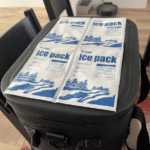
A frase bolsa de gelo seco é ambígua. Pode referir-se a dióxido de carbono sólido, uma folha de PCM hidratada, um pacote de gel, ou uma alternativa de gelo seco. Essa diferença é importante porque o risco do envio muda imediatamente. Hidratado flexível folhas de embalagens de gelo seco e pacotes pcm resfriados podem ser usados para suportar rotas curtas quando embalados com isolamento e separação específica do produto. Gelo seco sólido solto raramente é o padrão certo para vegetais frescos porque pode criar pontos de congelamento locais e danos à embalagem se a embalagem não for projetada
Um comprador deve pedir ao fornecedor que escreva a identidade do refrigerante em termos claros. É dióxido de carbono sólido? É uma folha de PCM absorvente de água? É um pacote de gel que deve ser congelado antes de usar? A intenção é tocar a embalagem do produto ou ficar atrás de uma barreira? Se a resposta não estiver clara, o pedido não está pronto para aprovação.
A decisão correta começa com o frescor durante a distribuição multiponto. Essa condição deve ser definida pelo proprietário do produto, especificação do cliente, rótulo, ou exigência de segurança alimentar. Um fornecedor pode recomendar uma fonte fria, mas o fornecedor não deve adivinhar a temperatura aceitável do produto.
Construa a rota do pedido, Carga útil, e manuseio
Assim que a necessidade de temperatura estiver clara, o próximo passo é a rota. Use quantidades de pacotes baseadas na rota, pré-condicionar pacotes de forma consistente, e treinar maquinistas para não remover pacotes frios de malas durante a entrega em várias paradas. A rota deve ser escrita com detalhes suficientes para mostrar onde o calor entra e onde o manuseio pode perturbar a embalagem. Uma rota com uma entrega direta tem um perfil de risco diferente de uma rota de distribuidor com múltiplas escalas ou de uma remessa aérea com transferência cross-dock.
A carga útil também altera o pacote. A massa do produto pode atuar como massa térmica, mas somente se estiver pré-condicionado corretamente. O espaço vazio pode permitir o movimento do ar quente e a mudança da embalagem. Caixas internas, bandejas, garrafas, frascos, bolsas, e as caixas de presente mudam a forma como o frio passa da embalagem para o produto. Um pedido em massa que abrange vários formatos de caixa não deve depender de uma configuração não testada.
Um distribuidor que atende restaurantes pode precisar de uma embalagem que sobreviva à abertura repetida da sacola, enquanto uma caixa de produto de entrega única pode precisar apenas de proteção até que o cliente receba a caixa. Este tipo de comparação é o que separa um pacote prático de uma recomendação genérica. A mesma bolsa fria pode ser apropriada em uma pista e inadequada em outra.
Qual é a aparência de uma avaliação forte do fornecedor
Uma análise do fornecedor para um programa de distribuição deve abranger mais do que a disponibilidade do catálogo. O comprador deve perguntar sobre a construção da embalagem, pré-condicionamento, uso pretendido, compatibilidade com isolamento, consistência da amostra, controle de lote de produção, e notificação de alteração. Um fornecedor que explica os limites é mais útil do que um fornecedor que diz que todas as rotas são adequadas.
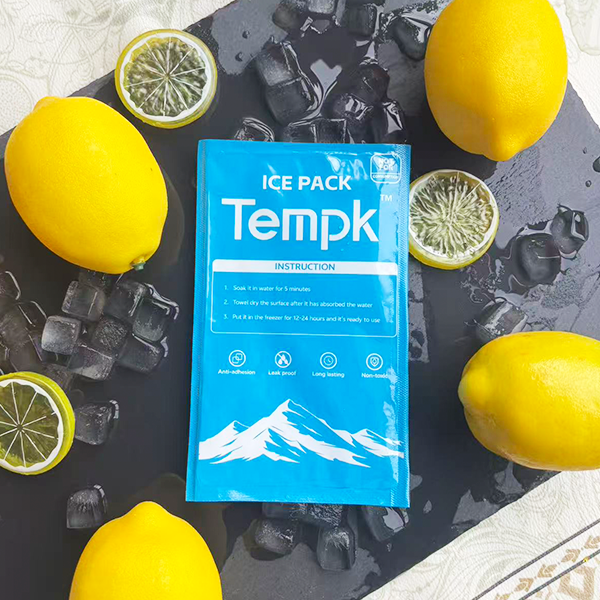
Para hidratação estilo Tempk Pacotes de gelo seco, questões úteis incluem como a folha absorve água, como deve ser congelado, se pode ser cortado ou dobrado, como deve ser separado de produtos sensíveis, e se o material externo corresponde às expectativas de manuseio e descarte do comprador. Para gelo seco sólido, o comprador deve se concentrar em desabafar, segurança do trabalhador, rotulagem, Massa líquida, e aceitação da transportadora.
| Verificação do comprador | O que perguntar antes de fazer o pedido | Razão prática |
|---|---|---|
| Sensibilidade do produto | As rotas locais e regionais de entrega de vegetais podem tolerar congelamento direto ou apenas proteção refrigerada?? | O nível de resfriamento incorreto pode prejudicar a qualidade do produto antes da entrega. |
| Formato do pacote | O item é gelo seco sólido, uma folha de PCM hidratada, Pacote de gel, ou outra fonte fria? | Os nomes variam entre os catálogos, e as regras de tratamento mudam por tipo de produto. |
| Ajuste de isolamento | Qual caixa, forro, bolsa, ou remetente foi usado na recomendação do fornecedor? | As reivindicações de tempo de espera não têm sentido sem o pacote envolvente. |
| Ajuste de rota | Qual duração da rota, exposição ambiental, e pontos de transferência foram assumidos? | Uma via de armazém a armazém difere da entrega direta à porta. |
| Controle de escala | As unidades de produção corresponderão ao tamanho da amostra, layout de célula, membrana, e preencher o comportamento? | Um pedido de atacado ou distribuidor precisa de repetibilidade, não é uma amostra única. |
Esta revisão transforma a seleção de fornecedores em uma decisão documentada. Também fornece às operações um ponto de partida claro para testes de amostras, porque a equipe sabe quais suposições precisam ser verificadas, em vez de confiar em uma afirmação geral de desempenho.
O teste de amostra deve imitar a remessa real
Um teste de amostra não é significativo se usar a massa errada do produto, uma caixa vazia, um diferente material de isolamento, ou uma rota que é mais fácil que a produção. Use o produto real ou um substituto realista, o pacote externo planejado, o posicionamento esperado do refrigerante, e o mesmo processo de carregamento. Se o produto for de alto valor ou regulamentado, envolver a equipe de qualidade antes do início do teste.
Para rotas de entrega de vegetais locais e regionais, a inspeção deve incluir taxa de retorno para murchas, congelado, ou pacotes de produtos úmidos. A temperatura por si só pode não contar toda a história. Um item resfriado pode estar tecnicamente frio, mas danificado pelo congelamento. Um item congelado pode parecer aceitável enquanto a embalagem estiver estressada. Um item para presente pode ser seguro, mas inaceitável para o cliente porque a condensação afetou a apresentação.
- Defina os critérios de aceitação antes do teste, incluindo a condição do produto no recebimento.
- Use a quantidade planejada e a posição dos pacotes, não é um arranjo aproximado.
- Registre o tempo de pré-condicionamento, tempo de embalagem, exposição da rota, e tempo de recebimento.
- Inspecione o produto, rótulos, embalagem interna, e condensação após a entrega.
- Repita o teste quando a temporada, operadora, carga útil, ou alterações no design da caixa.
Não confunda marcação de transporte com proteção de produto
As folhas verdes cortadas são comumente manejadas contra uma referência de conservação a frio de 41°F ou 5°C de acordo com o Código Alimentar da FDA, enquanto muitos vegetais inteiros seguem metas de temperatura baseadas na qualidade definidas pelo proprietário do produto. Essas referências são importantes, mas eles não devem ser mal interpretados. As regras de transporte de gelo seco ajudam as transportadoras a lidar com o dióxido de carbono com segurança. Não comprovam que a embalagem mantém o produto nas condições exigidas. Um médico, comida, ou produto especializado ainda precisa de sua própria revisão específica do produto.
O mesmo limite se aplica aos documentos do fornecedor. Uma declaração material, ficha de segurança, ou folheto do produto pode explicar o que é a embalagem, mas não qualifica automaticamente a rota do comprador. Quando a remessa é sensível, o comprador deve perguntar se o desempenho declarado foi testado com a mesma carga, isolamento, perfil ambiente, e passar critérios que o comprador planeja usar.
Quando não usar esta abordagem de resfriamento
Uma abordagem de gelo seco deve ser reconsiderada quando o produto não tolerar a fonte de frio, quando o receptor não consegue lidar com o refrigerante com segurança, quando a transportadora não aceitar a remessa, ou quando o pedido não possui uma instrução de embalagem repetível. Um programa de pacotes de distribuidores não pode compensar áreas de espera quentes ou atrasos não planejados nas rotas sem um procedimento revisado.
Ferramentas úteis de decisão
Verifique os detalhes antes de escolher a embalagem
Essas ferramentas rápidas podem ajudá-lo a comparar o risco da rota, necessidades de dimensionamento, escolhas de refrigerante, e detalhes da embalagem antes de solicitar um orçamento.
Avaliador de risco da rota
Revise as condições da pista antes de selecionar a embalagem para requisitos operacionais reais.
Verificar risco da rotaCalculadora de gelo seco
Estime as necessidades de gelo seco para remessas congeladas ou ultrafrias antes de embalar.
Estimar gelo secoResistência à queda de material de isolamento
Revise a resistência à queda e os fatores de manuseio antes de escolher materiais de isolamento.
Verifique a resistênciaUm comprador também deve fazer uma pausa quando o fornecedor não consegue definir o tipo de produto ou quando a declaração de venda é apenas um número de tempo de espera sem condições.. O tempo de espera depende do isolamento, perfil ambiente, massa do produto, quantidade do pacote, e critérios de aceitação. Sem essas condições, o número pode enganar a equipe de compras.
Perguntas frequentes
Uma bolsa de gelo seco é adequada para todos os transportes de alimentos??
Não. Alimentos congelados, alimentos refrigerados, produtos frescos, doce, e refeições prontas têm diferentes necessidades de temperatura e qualidade. Gelo seco sólido pode ser útil para pistas congeladas, enquanto produtos refrigerados podem precisar pacotes de gel ou pacotes PCM com controle mais suave.
O que os compradores atacadistas devem verificar primeiro?
Confirme a categoria do produto, faixa de temperatura necessária, carga útil, duração da rota, isolamento, nível de serviço da operadora, e processo de recebimento. Em seguida, pergunte aos fornecedores se a embalagem foi testada em condições semelhantes, em vez de comparar apenas o preço do pacote.
O gelo seco requer manuseio especial?
O gelo seco sólido real libera gás dióxido de carbono e não deve ser selado em um recipiente hermético. Remessas aéreas podem exigir marcação, informações de peso líquido, e arranjos do operador. Pacotes de PCM hidratados são diferentes, então os compradores devem confirmar o tipo exato de produto.
Como as marcas de alimentos podem reduzir entregas malsucedidas?
Eles podem pré-resfriar produtos, evite envio no final da semana, use o isolamento certo, reduzir o espaço vazio da caixa, incluir instruções do receptor, e revisar dados de temperatura ou qualidade após remessas de teste. A bolsa fria é importante, mas o controle do processo também é importante.
Notas de aprovação operacional
Antes de aprovar a bolsa de gelo seco do distribuidor para entrega de vegetais, o comprador deve verificar se o lado receptor pode lidar com o pacote conforme projetado. Uma remessa pode passar na lista de verificação da sala de embalagem e ainda assim falhar porque o destinatário deixa a caixa fechada, remove a bolsa fria muito cedo, armazena o produto no local errado, ou perde o aviso de gelo seco. Para rotas de entrega de vegetais locais e regionais, a instrução de recebimento deve ser curta o suficiente para ser seguida imediatamente, mas específica o suficiente para evitar danos evitáveis.
A propriedade também deve ser clara. O setor de compras pode gerenciar o preço, quantidade do pedido, e comunicação com fornecedores. As operações podem validar a colocação do pacote, etapas trabalhistas, e fechamento da caixa. Qualidade, segurança alimentar, ou equipes de farmácia podem definir critérios de aceitação e tratamento de desvios. O atendimento ao cliente pode rastrear reclamações por rota e período climático. Quando essas funções não são atribuídas, uma questão de embalagem torna-se um argumento logístico geral em vez de um projeto de melhoria controlada.
O comprador deve manter um registro simples de revisão do pacote aprovado. Registre o tipo de pacote, número de pacotes, pre-conditioning method, isolamento usado, arranjo de produto, material de barreira, fechamento de caixa, linguagem do rótulo, e recebendo cheque. Se o fornecedor posteriormente alterar o material da embalagem, layout de planilha, contagem de caixas, ou instruções de preparação, o registro ajuda o comprador a decidir se a alteração é pequena ou se é necessária outra amostra de teste.
A inspeção do recebimento merece a mesma atenção que a embalagem. O receptor deve saber se a embalagem pode conter gelo seco sólido, se luvas são necessárias, onde a temperatura do produto deve ser verificada, e quais evidências devem ser registradas se o produto parecer quente, congelado, molhado, esmagado, ou de outra forma anormal. Instruções claras reduzem discussões entre fornecedores, operadora, remetente, e cliente após uma entrega difícil.
Como manter o programa estável ao longo do tempo
Embalagem da cadeia de frio os programas mudam quando as equipes tratam o primeiro teste bem-sucedido como permanente. Mudança de rotas, mudança de operadora, mudança de tamanho de pedido, e mudanças sazonais de exposição. Um cronograma de revisão prático ajuda o comprador a detectar essas mudanças antes que elas gerem devoluções ou reclamações sobre o produto. A revisão pode ser simples para remessas de alimentos de baixo risco e mais formal para produtos de alto valor ou regulamentados.
Para rotas de entrega de vegetais locais e regionais, as perguntas de revisão mais úteis são diretas: O produto ainda está sendo embalado na mesma condição inicial? O mesmo isolamento ainda é usado? A equipe do armazém está seguindo a mesma etapa de pré-condicionamento?? A rota ganhou um novo ponto de transferência? Os receptores ainda verificam o produto prontamente? Essas perguntas mantêm o programa de gelo seco vinculado à remessa real, e não a um resultado de amostra antigo.
O pedido de compra também deve proteger a configuração aprovada. Pode afirmar que as substituições no material de embalagem, formato de folha, membrana, contagem de caixas, ou instruções de preparação exigem notificação e aprovação da amostra. Esta linguagem não precisa ser complexa, mas ajuda a evitar mudanças silenciosas que alteram o comportamento da cadeia de frio depois de o comprador já ter treinado o pessoal do armazém.
Finalmente, o comprador deve manter os dados da reclamação vinculados ao pacote. Uma reclamação sobre descongelamento, congelando, fusão, condensação, geada, dano na etiqueta, ou recebimento atrasado deve ser marcado por rota e data de envio. Ao longo do tempo, esse pequeno hábito mostra se o problema é a qualidade do fornecedor, exposição da rota, execução de armazém, ou atendimento ao cliente.
Conclusão
A melhor embalagem de gelo seco do distribuidor para decisão de entrega de vegetais é específica. Identifique o tipo de refrigerante, definir a necessidade de temperatura do produto, mapear a rota, teste o pacote completo, e documentar o que deve permanecer consistente quando o pedido crescer. Se o produto for sensível, regulamentado, ou orientado por apresentação, uma revisão cautelosa da embalagem não é um trabalho extra. É a diferença entre comprar material frio e proteger a remessa.
Sobre Tempk
Tempk ajuda compradores B2B a avaliar bolsas de gelo seco e embalagem isolada opções para rotas locais e regionais de entrega de vegetais. O ponto de partida prático é o seu produto, rota, carga útil, e tolerância ao risco de temperatura. Porque as bolsas de gelo seco para hidratação da Tempk são produtos em folha à base de PCM, em vez de dióxido de carbono sólido solto, os compradores devem tratá-los como parte de um projeto de embalagem e verificar o desempenho em relação à faixa específica antes do uso na produção.
Para uma melhor recomendação, compartilhe sua categoria de produto, rota, carga útil, tamanho da caixa, e requisitos de temperatura com Tempk antes de se comprometer com um programa de distribuidor. Tempk pode ajudá-lo a comparar se uma bolsa de gelo seco para hidratação, outra opção PCM, gelo seco sólido, ou um sistema isolado diferente deve ser revisado primeiro.