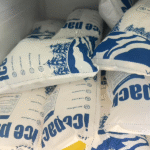
Entrega de gelo seco: Como garantir uma remessa segura e eficiente?
Shipping temperature-sensitive goods requires a reliable cooling solution, e Pacotes de gelo seco are a top choice. These packs ensure your products stay frozen during transit, preserving their quality and integrity. Esteja você enviando alimentos perecíveis, Suprimentos médicos, ou farmacêuticos, understanding the proper use of dry ice is crucial for efficient and safe delivery. This guide will walk you through everything you need to know to ensure your dry ice shipping process is seamless and compliant with industry standards.
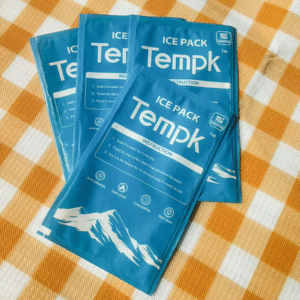
-
O que são Pacotes de gelo seco E como eles funcionam?
-
Como você escolhe a bolsa de gelo seco certa para sua remessa?
-
What safety measures should you follow when shipping with dry ice?
-
How can you ensure dry ice effectiveness during delivery?
O que são pacotes de gelo seco e como eles funcionam?
Bolsas de gelo seco são dióxido de carbono solidificado (Co₂) that sublimates at a temperature of -78.5°C (-109.3°F). Ao contrário do gelo regular, dry ice doesn’t melt into liquid but transforms directly into gas, making it ideal for shipping temperature-sensitive goods without creating water damage. This property makes dry ice particularly useful for perishable items, produtos farmacêuticos, amostras biológicas, and food products that need to stay frozen or chilled during transit.
Dry ice packs are also favored for their ability to maintain temperatures without leaking liquid, providing a dry, mess-free solution for your shipments. Whether you are transporting vaccines or frozen seafood, using the right dry ice pack ensures that your goods remain in their optimal condition.
Characteristics of Dry Ice
| Característica | Descrição | O que isso significa para você |
|---|---|---|
| Temperatura | Sublimados a -78,5 ° C. | Keeps items frozen during transit |
| Taxa de sublimação | 5-10 libras cada 24 horas | Helps you determine when to replace packs |
| Regulamentos | Subject to DOT & Regras IATA | Ensures compliance and avoids legal issues |
How Do You Select the Right Dry Ice Pack for Shipping?
Choosing the right dry ice pack is essential for maintaining the correct temperature throughout the shipping process. Considere os seguintes fatores:
1. Product Type and Temperature Sensitivity
Alguns itens, como vacinas, require extended freezing periods, enquanto outros, like food products, may need only short-term cooling. Understanding your product’s specific temperature needs will help you select the appropriate dry ice pack.
2. Duração do envio
Para remessas mais longas, you may need larger or multiple dry ice packs. Por exemplo, a short 24-hour shipment may only require a small amount, while longer shipments may need 10-20 lbs of dry ice to maintain the necessary temperatures.
3. Size of the Shipping Container
Ensure the dry ice fits within the container without jeopardizing the integrity of the product. Too much dry ice can cause unnecessary pressure buildup, while too little may not effectively maintain the cold chain.
Best Practices for Ensuring Dry Ice Effectiveness During Delivery
Use embalagem isolada
To maximize the longevity of dry ice, always package your goods in insulated containers. This helps slow down the sublimation process and ensures the dry ice lasts for the entire shipping period.
Monitor Temperature with Sensors
Many shipping services offer temperature sensors, which can help track the effectiveness of dry ice during transit. These sensors alert you if the temperature falls outside the acceptable range, ensuring that the shipment stays within the required temperature window.
Escolha o tamanho certo
Bigger isn’t always better. The size of the dry ice pack should match the shipment’s duration and the temperature sensitivity of the goods. Avoid over-packing, as this could lead to excessive sublimation and unnecessary waste.
Estudo de caso:
A pharmaceutical company recently upgraded their shipping practices by using dry ice packs for global deliveries. Como resultado, they reduced product spoilage by 40%, ensuring that vital medical supplies arrived in perfect condition.
How to Safely Handle and Store Dry Ice
Handling dry ice requires precautions due to its extremely low temperatures and potential health hazards.
Key Safety Measures for Using Dry Ice:
-
Ventilação adequada: Always store dry ice in well-ventilated areas to prevent the buildup of CO₂ gas, which can displace oxygen in confined spaces and cause suffocation.
-
Equipamento de proteção: Always wear insulated gloves and goggles when handling dry ice to avoid frostbite and eye injuries.
-
Disposição: Allow dry ice to sublimate in an open outdoor area. Never dispose of it in small or enclosed spaces.
| Safety Guideline | Ação | Por que é importante |
|---|---|---|
| Ventilação | Store in areas with good airflow | Prevent CO₂ buildup and suffocation |
| Equipamento de proteção | Use luvas e óculos de proteção | Avoid frostbite and injuries |
| Disposição | Let it sublimate in open air | Prevent hazardous buildup in closed spaces |
2025 Trends and Developments in Dry Ice Shipping
The world of dry ice shipping is rapidly evolving, with new trends and technologies improving efficiency, segurança, e sustentabilidade.
Emerging Trends in Dry Ice Shipping:
-
Sistemas de monitoramento inteligentes: Real-time temperature tracking systems are becoming more prevalent, alerting users if the shipment’s temperature falls outside the acceptable range.
-
Blockchain for Cold Chain: The use of blockchain ensures greater transparency and traceability in dry ice shipping, particularly for high-value pharmaceutical shipments.
-
Isolamento Ecológico: Companies are developing more sustainable packaging materials that reduce the amount of dry ice required, contributing to both cost savings and environmental benefits.
Insights de mercado: Cold Chain Logistics in 2025
With the global demand for cold chain logistics rising, the market for dry ice solutions is expected to grow significantly. Por 2025, o mercado está projetado para atingir $500 bilhão, driven by increasing demand for fresh food, Biologics, e outros produtos sensíveis à temperatura.
Perguntas frequentes
Q1: Quanto tempo durará o gelo seco durante o envio?
O gelo seco normalmente dura entre 24 e 48 horas, depending on the size and insulation. Pacotes maiores duram mais, while smaller ones are better for shorter shipping times.
Q2: Posso enviar gelo seco internacionalmente?
Sim, Gelo seco pode ser enviado internacionalmente, but it must comply with specific regulations such as IATA guidelines for air transport and PONTO regulations for ground shipping.
Q3: Como calculo quanto gelo seco preciso?
Calculate the amount of dry ice based on the shipment size, duração, and insulation type. Uma diretriz geral é 5-10 libras de gelo seco por 24 horas de envio.
Conclusão e recomendações
Dry ice packs are indispensable for shipping perishable goods and ensuring product quality during transit. Seguindo as melhores práticas, selecting the right pack, e aderindo às normas de segurança, you can confidently ship temperature-sensitive products without worrying about spoilage.
PRÓXIMOS PASSOS:
-
Avalie suas necessidades de remessa: Determine your product’s temperature requirements and shipping duration.
-
Eduque sua equipe: Ensure your team is trained in the safe handling of dry ice.
-
Monitor Technological Advancements: Stay updated on new technologies to improve efficiency and reduce waste.
Sobre Tempk
No Tempk, we provide high-quality dry ice solutions designed to meet the needs of various industries. Com anos de experiência em logística de cadeia de frio, our dry ice packs ensure your goods remain safe and cold, Não importa a distância. Let us help you streamline your shipping process!
For more information on our dry ice shipping solutions, Entre em contato conosco hoje!