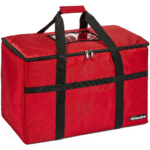
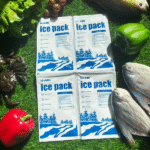
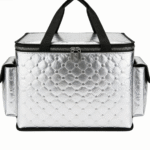
UM pacote de gelo seco para peixe keeps seafood deeply frozen through parcel and air lanes when sized, embalado, e rotulado corretamente. Plano 5–10 lb por 24 horas, position dry ice on top so cold air falls, and keep packages vented for CO₂. Alvo ≤32°F (0°C) para refrigerado e ≤−18°C for frozen arrivals to cut spoilage and claims. That approach ships frozen right.
-
Quanto pacote de gelo seco para peixe is needed by route time and insulation?
-
Como embalar um pacote de gelo seco para peixe so temps stay below 32°F?
-
When to choose gel/PCM vs. um pacote de gelo seco para peixe for superchilled fish transport?
-
What UN1845 labels and airline/courier rules apply?
-
Como 2025 tendências (sensores inteligentes, forros de papel) reduce ice mass and cost?
How much dry ice pack for fish do you need for 24–72 hours?
Resposta curta: size a dry ice pack for fish at 5–10 lb per 24 hours in a quality shipper, then add 20–50% safety for summer or multi-hub routes. Full boxes and thicker insulation slow sublimation and extend hold time.
Por que funciona: Dry ice is −78.5°C and sublimates (Sem líquido), creating a cold reservoir that protects frozen fish for long transits. The more surface area exposed and the warmer the route, the faster it disappears—so pack tight and upgrade insulation before simply doubling pounds. Use a data logger to verify.
Dry ice pack for fish sizing calculator (início rápido)
| Rota & Caixa | Linha de base (lb/24h) | Add-On Buffer | O que isso significa para você |
|---|---|---|---|
| Pernoite, remetente premium | 5–7 | +0–25% | Fewer pounds if box is full and pre-chilled |
| 48 horas, average EPS | 10–15 | +25–40% | Split across top and side pieces to avoid hot spots |
| 72 horas, pista quente | 15–25 | +40–50% | Consider VIP liners or PCM hybrid to cut total dry ice |
Para a ponta: Coloque o pacote de gelo seco para peixe above product so the “cold dome” falls over fillets; keep a paper or corrugate spacer to prevent freezer burn.
How do you pack a dry ice pack for fish safely?
Use a “box-in-box” method: liner and spacer, tight-packed fish, gelo seco por cima, ventilado exterior, and UN1845 labels. Keep packages non-airtight so CO₂ can escape; never tape all seams shut.
Step-by-step pack-out
-
Pre-freeze product and pre-chill the shipper.
-
Add a spacer so fish sit above condensate.
-
Load vacuum-sealed fish; fill voids to reach 80–95% box fill.
-
Coloque o pacote de gelo seco para peixe no topo, wrapped in paper; add side PCM if superchilling.
-
Close the inner liner, leave designed vent paths, and label UN1845 with net dry-ice weight.
-
Insert a USB/BLE data logger to document time-at-temperature.
Box-in-box checklist (avoid the usual failure modes)
| Variável | Better Setting | Worse Setting | O que isso significa para você |
|---|---|---|---|
| Isolamento | ≥2″ rigid PU or high-R liner | ≤1″ EPS | Hours more hold time |
| Preencher % | 80–95% full | Half-empty | Sublimação mais lenta |
| Manuseio | Minimal door opens | Frequent opens | Protects the cold pool |
| Carrier path | Direct/overnight | Multi-hub/day+ | Add 25–50% ice margin |
Dry ice pack for fish vs. gel/pcm: Qual você deve escolher?
If delivery must be frozen, choose a dry ice pack for fish; for superchilled 0 to −2°C fish, use −21°C PCM and add a small dry-ice topper only for risky lanes.
| Método de resfriamento | Faixa de temperatura | Melhor para | Compensações | Sua jogada |
|---|---|---|---|---|
| Dry ice pack for fish | ~−109°F (-78,5 ° C.) | Frozen deliveries, 24-72h | Hazmat labels; vents required | Use when “frozen-solid on arrival” is non-negotiable |
| PCM −21°C bricks | −6 to −21°C setpoints | Superchilled quality | Custo inicial mais alto | Hybrid with small dry-ice topper |
| Pacotes de gel (2–8 ° C.) | Itens resfriados | Cestas mistas, live seafood | Cannot keep items frozen | Keep sauces/side items from freezing |
What rules and labels apply to a dry ice pack for fish?
Ventilação, rótulo, e declarar. Dry ice is UN1845 (Aula 9 para o ar). Passenger flights often cap packages at 2.5 kg (5.5 Libra); cargo services allow higher but require “Carbon dioxide, solid/Dry Ice,” UN1845, e peso líquido de gelo seco no pacote.
Lista de verificação de rotulagem
-
Marca UN1845 e mostrar peso líquido de gelo seco
-
Use non-airtight packaging with vents
-
Provide a 24-hour contact if the operator requires it
2025 trends shaping your dry ice pack for fish strategy
O que há de novo: Paper-based liners, low-cost BLE loggers, and reusable PCM cartridges are mainstream. Many shippers now meet SLA with fewer pounds of pacote de gelo seco para peixe, validated with logger proof.
Avanços resumidos
-
Paper liners: 48–72h performance with recyclability
-
Monitoramento mais inteligente: BLE/NFC loggers cut claims
-
Sensor freshness: Biosensors for fish quality grading
Dry ice pack for fish FAQs
How many pounds of dry ice pack for fish do I need for 48 horas?
Comece com 10–20 lb dependendo do isolamento e calor ambiente; validate with a data logger.
Can I fly with a dry ice pack for fish?
Sim – use embalagens ventiladas, Rotulagem UN1845, and respect airline limits.
É seguro de gelo seco para manusear?
Use luvas isoladas; ventilate rooms and vehicles to keep CO₂ safe.
What temperature is acceptable if fish thaws late in transit?
Keep at or below 40°F (4°C); closer to 32°F (0°C) é melhor.
How long does a dry ice pack for fish last?
Planejar 5–10 lb por 24 horas; better insulation stretches this.
Dry ice pack for fish summary and next steps
Takeaways -chave: Escolha um pacote de gelo seco para peixe when frozen-solid delivery is essential. Tamanho em 5–10 lb por 24 horas, coloque em cima, ventilação, e rotule corretamente. For superchilled goals, usar −21°C PCM with a dry-ice topper.
Plano de ação:
-
Pick a shipper for your longest lane.
-
Correr 3 test shipments with loggers.
-
Padronize os POPs, rótulos, and add FAQ schema.
Sobre Tempk
We build cold-chain packaging balancing performance, custo, e sustentabilidade. Our engineers optimize seafood parcels with hybrid builds (PCM + pacote de gelo seco para peixe), 72-hour shippers, and logger validation. Clients cut claims by 30–40% after adopting standardized pack-outs.