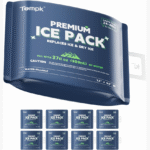
Esteja você indo para um acampamento, enviar um lote de comida para um cliente, ou apenas precisa armazenar produtos perecíveis em caso de queda de energia, Maços de gelo seco para refrigeradores are your best bet for maintaining a safe, temperatura fria. O gelo seco oferece uma camada extra de proteção além das bolsas de gelo normais, garantindo que seus produtos permaneçam congelados e frescos por muito mais tempo. Este guia cobre tudo, desde o tamanho do gelo seco até os melhores métodos de embalagem, e todos os 2025 atualizações de conformidade de envio.
Este guia irá responder:
-
Quanto gelo seco você precisa para manter alimentos e bebidas frios por até 48 horas?
-
Como embalar gelo seco com segurança em refrigeradores e evitar riscos de CO₂?
-
Quais são as diretrizes de envio mais recentes para gelo seco em refrigeradores (IATA, PONTO, QUEM)?
-
Como usar gelo seco com segurança em refrigeradores para envio de alimentos e itens médicos?
-
Qual a melhor forma de evitar queimaduras por gelo seco e garantir a segurança?
-
How to size dry ice packs for coolers?
How Much Dry Ice Do You Need for Coolers?
Resposta curta:
Para refrigeradores, dry ice typically requires 2–3 pounds of dry ice per cubic foot of cooler space for up to 48 horas. Full coolers maintain cold temps longer, so you’ll need more ice if the cooler is half-full. Dry ice is much colder than regular ice, and its sublimation rate (how quickly it turns to gas) depends on the cooler type, ventilação, and outside temperatures.
Explicação expandida:
Dry ice is an excellent choice for coolers because it sublimates directly from solid to gas, absorbing a large amount of heat during the process. It doesn’t leave water behind like regular ice. For most applications, a standard 20–30lb dry ice pack can keep coolers cold for around 48 horas. No entanto, you can adjust the weight depending on factors such as cooler size, qualidade de isolamento, e temperatura externa. Always err on the side of more dry ice, as you can always ventilate excess CO₂, but you can’t “criar” dry ice once it’s gone.
Quick Guide to Dry Ice Sizing for Coolers
| Tamanho mais frio | Gelo Seco (libras) | Tempo de espera estimado | O que isso significa para você |
|---|---|---|---|
| 5–10 ft³ cooler | 8–10 lb. | ~24–36 hours | Ideal for 1–2 day use, perfect for personal camping trips or food transport. |
| 15–20 ft³ cooler | 20–25 libras | ~36–48 hours | Best for extended trips, larger events, or shipping perishable foods. |
| 30+ ft³ cooler (envio) | 30–50 libras | ~48 horas | For shipping bulk foods, vacinas, or medical goods, adding more ice ensures safety. |
Para a ponta: Always test your dry ice size in advance, as it can vary based on the cooler’s insulation and opening frequency.
How to Safely Pack Dry Ice in Coolers?
Resposta curta:
Ensure the cooler has proper ventilation, never seal dry ice in airtight packaging, and always handle it with insulated gloves or tongs. Dry ice releases carbon dioxide (Co₂) à medida que sublima, so it’s important to allow the gas to escape. Sealing it in airtight containers can lead to pressure buildup, which could be dangerous. Make sure you always use vented coolers or packouts.
Explicação expandida:
Dry ice requires careful packing. The key steps are:
-
Ventilação: Always use a cooler with vents or leave a crack in the lid to let CO₂ escape.
-
Camadas: Pack dry ice on top of your items, with cardboard or bubble wrap as a barrier. This ensures that items don’t get frozen directly and that the dry ice can release gas freely.
-
Proteção: Handle dry ice using insulated gloves or tongs to avoid frostbite. Never place your bare skin on it.
When packing for shipping purposes, always mark the package with UN 1845 and make sure you label it as containing Dry Ice with a Class 9 Etiqueta de perigo. This ensures safe transport and proper handling by shipping carriers.
Lista de verificação de embalagem
-
Vented cooler or pack-out box
-
Luvas e pinças isoladas
-
Layered packing (plástico bolha, cartão) between dry ice and food items
-
Quantidade de gelo seco: ~2.5–3 lb per ft³ of cooler volume
-
Marcação: Apply UN 1845, Peso líquido (kg), e classe 9 label on the outer side
-
Thermometer or data logger for monitoring temperature
How to Ship Dry Ice in Coolers: IATA 2025 Diretrizes
Resposta curta:
Ao enviar gelo seco, make sure to use vented packaging, label the container with UN 1845 and Class 9 rótulos, and include the net weight of dry ice in kilograms. Complying with IATA guidelines (Instrução de embalagem 954) ensures that your shipment is safe, especially in air transport. O 2025 regulations emphasize proper venting, correct documentation, and safe packaging to prevent CO₂ hazards.
Explicação expandida:
A Associação Internacional de Transporte Aéreo (IATA) regulates the shipping of dry ice under Packing Instruction 954 (Pi 954). Aqui está o que você precisa fazer:
-
Ventilação do pacote: Always use packaging that allows CO₂ to escape. This is typically done through vented packaging with holes or relief valves.
-
Rotulagem: Mark the container clearly with UN 1845 (“Gelo seco/dióxido de carbono, sólido”), and specify the net weight of dry ice in kilograms.
-
Hazardous Goods Label: Afixado da classe 9 label to indicate the presence of hazardous materials.
-
Documentação de envio: Complete the Air Waybill and indicate the quantity of dry ice in the appropriate field.
Para a maioria das remessas aéreas, ensure compliance with the IATA Dangerous Goods Regulations (DGR) to avoid fines and delays. When shipping biologicals or perishables, you may need a specialized dry ice shipping box that meets IATA’s standards.
Best Practices for Air Shipments
-
Documentação adequada: Fill in all details accurately, especially the net dry ice weight and Class 9 rótulo.
-
Venting is critical: Ensure all coolers have venting, as dry ice expands into CO₂ gas.
-
Avoid using glass containers: Dry ice can cause glass to crack under pressure.
Perguntas frequentes
Q1: How much dry ice do I need for a 10 ft³ cooler?
You need about 25–30 lbs of dry ice to keep it cold for 48 horas. Make sure to place dry ice on top of the items for optimal cooling.
Q2: Can dry ice be used for shipping food in coolers?
Sim, dry ice is ideal for shipping perishable items, especially frozen foods. Make sure to label the package with UN 1845 and the correct Class 9 etiqueta de envio.
Q3: How do I safely use dry ice in a cooler?
Always handle dry ice with insulated gloves and never seal it in an airtight container. Ensure the cooler has ventilation to allow CO₂ gas to escape.
Q4: Is dry ice safe for shipping medical items?
Sim, dry ice is commonly used for shipping medical items, but ventilation and labeling are required for safety. Siga IATA PI 954 guidelines and mark UN 1845 claramente.
Resumo & Recomendações
Pontos -chave:
Dry ice packs for coolers offer extended cold retention and are the ideal solution for shipping and storing perishables, comida, e suprimentos médicos. Always size your dry ice based on the cooler size, pack it correctly with ventilation, and adhere to 2025 IATA guidelines for shipping. Always use gloves when handling dry ice and ensure proper labeling and ventilation.
PRÓXIMOS PASSOS (actionable):
-
Calculate your dry ice requirement for your cooler or shipment.
-
Check all coolers for ventilation and ensure compliance with safety regulations.
-
Label the shipment correctly using UN 1845 e classe 9 rótulos.
-
Test and calibrate your dry ice shipping procedures every 6 meses.
Sobre Tempk
Tempk is a leading supplier of cold chain packaging solutions. We design and manufacture dry ice packs for coolers and medical shipping solutions that meet IATA standards. Our products are tailored to your needs, garantindo conformidade, segurança, and temperature control every time.
Contact us today for a consultation on dry ice packs for coolers—we’ll help you determine the best packaging for your needs!