Cold chain management in the pharmaceutical industry protects the integrity and safety of temperature sensitive medicines. À medida que produtos biológicos e terapias avançadas ganham destaque, billions of dollars ride on maintaining stable conditions. Em 2024 the global pharmaceutical cold chain logistics market was valued at about US $18.6 billion com projeções para alcançar US $27.1 billion by 2033. The sector continues to expand alongside demand for vaccines, gene therapies and personalized medicines. Em 2025, you must not only keep products within the 2–8 ° C. range but also comply with evolving regulations, adopt smart technologies and embrace sustainability. This article breaks down everything you need to know.
What are the fundamentals of cold chain management in the pharmaceutical industry? – incluindo faixas de temperatura, monitoring and packaging requirements.
How do regulatory frameworks and compliance shape cold chain strategies? – covering Good Distribution Practices (PIB), FDA and EMA expectations and documentation rules.
Quais tecnologias estão transformando as cadeias de frio farmacêuticas em 2025? – explorando sensores IoT, Otimização de rotas de IA, rastreabilidade de blockchain, automation and cryogenic solutions.
Why is sustainability becoming essential in cold chain logistics? – highlighting energy efficient refrigeration, solar storage and eco friendly packaging.
What market trends and growth indicators matter for planners? – summarising market sizes, Cagr, regional dynamics and growth drivers.
How can you address common challenges and temperature excursions? – outlining best practices, treinamento e planejamento de contingência.
Quais são os últimos desenvolvimentos e tendências em 2025? – listing emerging innovations and regulatory updates.
What Are the Fundamentals of Cold Chain Management in the Pharmaceutical Industry?
Cold chain management ensures that pharmaceuticals stay within their approved temperature range from manufacture to administration. Temperature sensitive products such as vaccines, Biologics, cell therapies and insulin must be kept cold or frozen to preserve potency and prevent contamination. A dedicated logistics process encompassing temperature controlled storage, transporte, packaging and continuous monitoring is therefore essential. Small deviations can cause irreversible damage and render medicines ineffective.
Why is Temperature Control Critical?
Medicines have strict stability profiles. Many vaccines and biologics require storage between 2–8 ° C. (36–46°F), referred to as the 2–8 °C cold chain. Others need to be frozen at –20 ° C. or kept below –70ºC for ultra low temperature products like mRNA vaccines. Breaching these ranges – a temperature excursion – can compromise product efficacy, jeopardising patient safety and causing costly recalls. A Organização Mundial da Saúde observa que sobre 20% of temperature sensitive health products are damaged during distribution due to poor cold chain management.
Core Elements of Effective Cold Chain Management
To maintain integrity throughout the supply chain, your cold chain program should include:
Manutenção precisa da temperatura: Keep products within their validated range. For pharmaceuticals this often means 2–8 °C for refrigerated goods, –20 °C for standard freezing and below –70 °C for ultra low storage.
24/7 monitoramento: Use automated data loggers and IoT sensors to track temperature, umidade e localização continuamente. Real time alerts allow immediate intervention when deviations occur.
Infraestrutura validada: Employ certified refrigeration units, insulated vehicles and temperature controlled packaging that consistently meet regulatory standards.
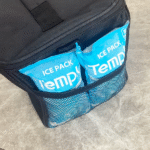
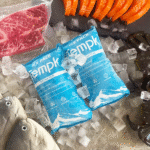
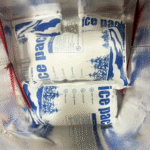
Embalagem especializada: Utilise thermal packaging materials such as gel packs, materiais de mudança de fase (PCMs) and vacuum insulated panels to maintain stable conditions in transit.
Manutenção de registros detalhados: Manter documentação para registros de temperatura, calibração de equipamentos, personnel training and deviation handling.
Planos de contingência: Prepare protocols to respond to equipment failure, power outages or delays. This includes emergency storage options and product quarantine procedures.
Pessoal treinado: Everyone handling cold chain products should understand proper loading/unloading, monitoring device operation and corrective actions.
Temperature Ranges and Their Applications
| Range Category | Temperatura | Produtos de exemplo | Significado para você |
| Refrigerado (Refrigerado) | 2–8 ° C. | Common vaccines, insulina, Anticorpos monoclonais | Standard range requiring continuous monitoring. Ensure packaging can maintain 2–8 °C during transit and storage. |
| Congelado | –20 ° C. | Some plasma products, specific vaccines | Requires specialised freezers and packaging to prevent ice formation. |
| Ultrabaixo / Criogênico | –70°C ou menos | Vacinas de mRNA, terapias genéticas e celulares | Necessitates dry ice or liquid nitrogen dewars; high risk of excursions; real time temperature tracking is critical. |
| Ambiente controlado | 15–25 ° C. | Comprimidos, capsules, certos produtos biológicos | Still needs temperature control in hot climates; benefits from thermal insulation and data logging. |
Dicas práticas para você
Mapeie sua cadeia de suprimentos: Identify the weakest links—from manufacturer to last mile distribution—and implement monitoring devices at each stage.
Invest in modular packaging: Use reusable insulated containers with PCMs tailored to your product’s temperature range. Testing them under real world conditions reduces the risk of excursions.
Conduct stability studies: Validate how long your product can withstand short excursions and adjust SOPs accordingly. Regulatory bodies expect documented excursion impact studies.
Use performance metrics: Track key indicators such as temperature excursion frequency, device calibration compliance and staff training completion to continuously improve your cold chain.
Exemplo de caso: Durante o lançamento da vacina COVID 19, Pfizer used GPS enabled thermal shippers and replenished dry ice during transit to maintain –70 °C conditions, ensuring the vaccines remained potent.
How Do Regulatory Frameworks and Compliance Shape Pharmaceutical Cold Chain Strategies?
Regulatory compliance is non negotiable in pharmaceutical logistics. Authorities such as the NÓS. Food and Drug Administration (FDA), Agência Europeia de Medicamentos (Ema) e Organização Mundial de Saúde (QUEM) provide frameworks to ensure medicines remain safe and effective. Em 2025 these bodies are tightening requirements and increasing inspections.
Understanding Good Distribution Practices (PIB)
Boas Práticas de Distribuição are international standards governing the storage and distribution of medicinal products. They cover facility management, qualificação de rota, Monitoramento de temperatura, supplier audits and documentation. The EU GDP guidelines (2013/C 343/01) and Directive 2001/83/EC specify how medicines and active substances should be handled across the supply chain. Compliance ensures products maintain identity, strength and purity until they reach the patient.
Os princípios-chave incluem:
Sistema de qualidade: Documented processes, quality risk management and internal audits to demonstrate continuous control.
Responsible person: A qualified individual responsible for ensuring GDP compliance, including oversight of outsourced activities.
Temperature mapping and qualification: Warehouses and routes must be mapped to identify hot/cold spots and equipped with validated monitoring systems.
Computerised systems: Data integrity and traceability must be ensured through validated electronic systems with audit trails.
Management of returns and recalls: Procedures must exist for investigating complaints, handling recalls and preventing re introduction of non conforming products.
Regulatory Landscape by Region
| Regulatory Body | Escopo | Requisitos principais | Significado prático |
| FDA (NÓS.) | Applies to pharmaceuticals distributed in the United States | Mandates validated storage and transportation systems capable of maintaining temperature integrity. Requires robust documentation and reporting. | Implement continuous monitoring and ensure your infrastructure is validated. Prepare for audits and maintain full traceability. |
| Ema (UE) | Governs medicinal products within the EU/EEA | GDP guidelines require structured impact assessments for temperature excursions and documented responses. Regulatory updates may end blanket extensions of GDP certificates and emphasise on site inspections. | Conduct regular self inspections and maintain updated certifications. Stay informed on policy changes. |
| QUEM | Provides international best practices | Model GDP emphasises continuous monitoring, Corrective and Preventive Actions (CAPA), and stability data. | Adopt risk based approaches and CAPA programs to address excursions. |
| EU GDP (2013/C 343/01) | Applies to wholesalers and logistics operators | Specifies facility requirements, qualificação de rota, Monitoramento de temperatura, supplier auditing and documentation. | Ensure your partners are audited and qualified. Document every step from purchase to export. |
Consequências da não conformidade
A broken cold chain can lead to product degradation, riscos para a saúde pública, perdas financeiras, ação regulatória e danos à reputação. Regulatory bodies can impose heavy fines, force product recalls or suspend licences. Para evitar esses resultados, você deve:
Implementar um sistema de gestão da qualidade (SGQ) aligned with GDP and GMP.
Treine sua força de trabalho regularly on handling procedures and emergency protocols.
Audite seus fornecedores and third party logistics providers for compliance.
Document excursions and CAPA actions to demonstrate control and continuous improvement.
Verificação da realidade: No início 2025, the EMA announced that automatic extensions of GDP certificates would no longer be granted, signalling a return to regular on site inspections. Companies operating in Europe should therefore ensure their documentation and facilities are inspection ready.
Which Technologies Are Transforming the Pharmaceutical Cold Chain in 2025?
Technological innovation is reshaping how temperature sensitive medicines are stored, transportado e monitorado. Digital tools enable real time visibility, predictive analytics and enhanced security. Integrating these technologies into your cold chain can reduce waste, improve compliance and increase efficiency.
Sensores IoT e monitoramento em tempo real
Dispositivos IoT coletam temperatura, dados de umidade e localização em tempo real, enviando alertas quando as condições divergem. Lascar Electronics emphasises that 24/7 monitoring is a core requirement for compliance. IoT sensors with GPS functionality enable real time position tracking and immediate notifications. Active sensors reduce operational risks and protect products during transit by enabling quick corrective action.
Benefícios:
Evitar deterioração: Instant alerts help avoid temperature excursions and product loss.
Melhore a conformidade: Continuous data provides proof of adherence to GDP and FDA guidelines.
Aumente a transparência: Stakeholders can access real time dashboards to track shipments.
Inteligência Artificial e Análise Preditiva
AI analyzes large data sets from IoT sensors to optimise routes, predict equipment failures and prevent excursions. AI powered route optimisation combines traffic and weather data to ensure prompt delivery of temperature sensitive products. Predictive analytics can identify upcoming temperature deviations and trigger early alerts. AI also supports maintenance by detecting patterns that signal equipment failure.
Blockchain para rastreabilidade
Blockchain creates an immutable ledger of temperature data, ensuring transparency and preventing tampering. PharmaNow explains that blockchain provides end to end traceability, recording every step of product transport and sharing data with stakeholders. This builds trust and aids regulatory compliance by demonstrating product integrity and chain of custody.
Automação e Robótica
Sistemas automatizados de armazenamento e recuperação (AS/RS) and robotic handling systems streamline warehouse operations. The industry faces labour shortages and rising labour costs, driving adoption of robotics. Sistemas automatizados operam continuamente, reduce human error and improve consistency in temperature control.
Cryogenic and Portable Freezers
Terapias genéticas e celulares, as well as mRNA vaccines, require cryogenic logistics. Os freezers criogênicos portáteis mantêm temperaturas tão baixas quanto –80 °C to –150 °C and offer real time temperature tracking. DataM Intelligence notes that the cryogenic segment will hold 31.45 % of the pharmaceutical cold chain market in 2024. Companies like CSafe have introduced reusable dewars integrated with real time tracking to serve the cell and gene therapy market.
Embalagens Sustentáveis e Inteligentes
Sustainable packaging solutions such as biodegradable insulated containers, recyclable thermal wraps and reusable cold packs are gaining traction. Solar powered cold storage units reduce energy consumption and serve rural areas with unreliable electricity. The global shift toward sustainability also includes natural refrigerants and energy efficient refrigeration systems.
Comparing Technologies
| Tecnologia | Descrição | Principais benefícios | Significado para você |
| Sensores IoT | Dispositivos conectados medem a temperatura, umidade e localização. | Alertas em tempo real, continuous data for compliance, improved transparency | Reduces excursions and supports audit readiness. |
| Inteligência artificial | Algorithms analyze data to optimize routes and predict risks. | Shorter delivery times, proactive maintenance and risk mitigation | Improves efficiency and reduces costs. |
| Blockchain | Distributed ledger records each transaction in the supply chain. | Tamper proof traceability, enhanced security and regulatory compliance | Builds trust and streamlines audits. |
| Automação & Robótica | Automated storage and retrieval systems handle inventory without human intervention. | Processamento mais rápido, custos trabalhistas reduzidos, controle de temperatura consistente | Increases capacity and reduces errors. |
| Congeladores criogênicos | Portable or stationary units maintain –80 °C to –150 °C. | Enables transport of gene therapies and mRNA vaccines; rastreamento em tempo real | Expands product portfolio and market reach. |
| Embalagem sustentável & Solar Power | Eco friendly materials and renewable energy solutions reduce carbon footprint. | Custos operacionais mais baixos, conformidade regulatória, desperdício reduzido | Aligns with corporate sustainability goals and consumer expectations. |
Tips for Implementation
Pilot new technology: Start with a pilot project to test performance before scaling.
Integrar sistemas: Combine IoT, AI and blockchain for holistic visibility and predictive capabilities.
Treine a equipe: Introduce change management programs to ensure staff are comfortable with new tools.
Planeje a segurança dos dados: Protect sensitive data through encryption and access controls.
Exemplo do mundo real: Em fevereiro 2024 Sensitech introduced the TempTale GEO X device, an IoT temperature monitoring solution that delivers real time analytics for temperature sensitive medicines transported globally. Innovations like these demonstrate how technology can enhance compliance and efficiency.
Why Are Sustainable Practices and Packaging Becoming Essential?
The cold chain is energy intensive and historically reliant on refrigerants with high global warming potential. Em 2025 environmental sustainability is both a regulatory requirement and a competitive differentiator. A cadeia global de frio alimentar representa cerca de 2 % das emissões globais de CO₂, highlighting the need for greener logistics.
Drivers of Sustainable Cold Chain
Pressão regulatória: Governments and agencies are tightening environmental regulations. Por exemplo, the UN Environment Programme pushes for energy efficient refrigeration and natural refrigerants.
Expectativas do consumidor: Customers increasingly prefer eco friendly brands. Sustainable packaging and lower emissions can enhance brand loyalty.
Economia de custos: Solar powered cold storage units reduce energy costs, com tarifas solares comerciais entre 3.2–15.5 cents/kWh, offering substantial savings compared to the 13.1 centavos/kWh average for commercial electricity in 2024.
Resiliência da cadeia de abastecimento: Práticas sustentáveis, como embalagens reutilizáveis e energia renovável, can mitigate disruptions during power outages or fuel shortages.
Green Solutions in Practice
| Sustainable Innovation | O que isso faz | Benefícios para você |
| Armazenamento frio movido a energia solar | Uses solar panels to power refrigeration units, particularmente em regiões com redes não confiáveis. | Cuts operating costs, reduces carbon footprint and enables cold chain access in remote areas. |
| Biodegradável & Embalagem reciclável | Recipientes reutilizáveis, recyclable thermal wraps and biodegradable insulation. | Minimises waste, meets regulatory requirements and aligns with corporate sustainability goals. |
| Refrigerantes Naturais & Equipamento com eficiência energética | Replaces hydrofluorocarbons with low GWP gases; employs energy efficient compressors and insulation. | Reduces greenhouse gas emissions and improves energy efficiency. |
| Programas Circulares | Encourages returning and reusing temperature controlled packaging. | Lowers material costs and waste while improving sustainability metrics. |
Dicas práticas para você
Realizar uma auditoria energética: Identify inefficient equipment and opportunities for solar integration.
Envolva fornecedores: Partner with vendors who share sustainability goals and can provide recyclable or reusable packaging.
Calcular o ROI: Compare upfront costs of solar or eco friendly packaging against long term savings to justify investments.
Eduque os clientes: Communicate your sustainability efforts to build trust and differentiate your brand.
How Are Market Trends and Growth Indicators Shaping Cold Chain Management?
A cadeia de frio farmacêutica está a crescer rapidamente. DataM Intelligence estimates that the market reached US $18.61 billion in 2024 e crescerá até US $27.11 billion by 2033 em um 4.3 % Cagr. The overall cold chain logistics market (em toda a comida, pharma and other sectors) foi avaliado em NÓS $436.30 bilhão em 2025 e espera-se que alcance NÓS $1,359.78 bilhão por 2034, expandindo em um 13.46 % Cagr.
Motores de crescimento
Rise of biologics and gene therapies: Biologics account for roughly 30 % of all drugs and require strict cold chain logistics. The growing pipeline of cell and gene therapies demands ultra low and cryogenic solutions.
Pandemic lessons: The COVID 19 pandemic highlighted the need for robust cold chains for vaccine distribution. Investments in refrigeration and monitoring infrastructure will continue.
Mudanças regulatórias: As authorities tighten GDP standards, companies must upgrade facilities and monitoring systems, stimulating market growth.
Globalisation and e commerce: Wider distribution networks and direct to consumer models require sophisticated last mile logistics, increasing demand for temperature controlled transportation.
Dinâmica Regional
| Região | Percepções | O que isso significa |
| América do Norte | Expected to dominate the pharmaceutical cold chain market with a 42.87 % compartilhar em 2024. Advanced healthcare systems and high biologics demand drive growth. | Investment opportunities exist in automated warehouses and cryogenic solutions; companies should emphasise compliance with FDA guidelines. |
| Ásia-Pacífico | The overall cold chain logistics market projects the highest CAGR of ~14,3 % de 2025–2034. Rapid growth in biologics and gene therapy manufacturing, coupled with expanding distribution networks. | Businesses should explore partnerships and infrastructure development in APAC to capture market share. |
| Europa | Strong regulatory environment; EMA requires thorough GDP compliance and has resumed on site inspections. | Companies must maintain up to date certifications and adapt to shifting regulatory expectations. |
Market Forecast Table
| Métrica | 2024/2025 Valor | 2033/2034 Projeção | Significado para você |
| Pharma Cold Chain Market Size | NÓS $18.61 bilhão (2024) | NÓS $27.11 bilhão (2033) | Indicates moderate growth; companies should invest in scalable infrastructure. |
| Mercado geral de logística da cadeia fria | NÓS $436.30 bilhão (2025) | NÓS $1,359.78 bilhão (2034) | Rapid expansion reflects opportunities across multiple sectors, including pharma. |
| Cryogenic Segment Share | 31.45 % compartilhar 2024 | Growing due to mRNA and gene therapies | Highlighting the need for ultra low temperature solutions. |
| Asia Pacific CAGR | ~14,3 % (2025–2034) | Highest regional growth | Suggests focusing resources on APAC markets. |
O que isso significa para você
Plan capacity expansions aligned with market growth forecasts, particularly for cryogenic capabilities.
Diversify distribution networks, investing in emerging regions such as Asia Pacific to capitalise on high growth.
Fortalecer a logística da última milha to support direct to patient distribution models and maintain cold chain integrity.
Monitor regulatory landscapes across regions to anticipate compliance costs and adapt strategies.
What Are Common Challenges and How Can They Be Managed?
Apesar dos avanços tecnológicos, cold chain management faces persistent obstacles. Understanding and mitigating these challenges is crucial for maintaining product integrity and compliance.
Common Sources of Temperature Excursions
According to Euro American Worldwide Logistics, the most frequent causes of temperature excursions include transportation delays, falhas de embalagem, equipment malfunctions and human error. Unexpected events such as traffic congestion, customs delays or weather disruptions prolong exposure to unprotected environments. Insufficient insulation or improper container qualification causes rapid temperature changes. Faulty refrigerators or reefer trucks can malfunction, while improper loading practices or incorrect device configuration often trigger preventable excursions.
Challenges in Global Distribution
Pharmaceutical cold chains often span multiple continents, each with varying infrastructures and regulatory requirements. Some regions lack advanced monitoring technologies, complicating compliance. Cultural and language differences can hinder communication and training. Managing multi modal transport—air, sea and road—adds further complexity. Adicionalmente, global supply chains must navigate geopolitical tensions, natural disasters and pandemics, requiring resilient contingency planning.
Estratégias de Mitigação
| Desafio | Causa | Mitigação | Significado para você |
| Atrasos no transporte | Tráfego, customs backlog, clima | Use AI enabled route planning and predictive analytics; build buffer time into schedules | Allows you to anticipate delays and prevent excursions. |
| Falhas de embalagem | Isolamento insuficiente, depleted phase change materials | Validate packaging systems; employ PCMs and vacuum insulated panels | Ensures containers can maintain temperature for expected transit durations. |
| Mau funcionamento do equipamento | Faulty refrigeration units or inaccurate data loggers | Implement regular maintenance schedules and predictive diagnostics; use backup units | Reduces risk of unplanned failures. |
| Erro humano | Improper loading/unloading or device configuration | Provide comprehensive training, SOPs and periodic refreshers | Builds a culture of accountability and reduces mistakes. |
| Complexidade regulatória | Different regional rules and updates | Maintain a compliance matrix; work with local experts to interpret requirements | Helps you navigate varying regulations and avoid penalties. |
| Global disruptions | Desastres naturais, pandemias, tensões geopolíticas | Desenvolver planos de contingência, diversify suppliers and maintain emergency stock | Increases resilience against unforeseen events. |
Best Practices for Handling Excursions
Desenvolva procedimentos operacionais padrão (POPS): Clearly define steps to take when an excursion occurs, incluindo quarentena, documentação, notification of QA and root cause analysis.
Utilise real time monitoring: IoT sensors and data loggers provide instant alerts and GPS tracking, offering a verifiable record for audits.
Validar embalagem: Ensure packaging performs under real world conditions using PCMs, vacuum insulated panels and active containers.
Conduct stability studies: Determine how temperature excursions affect product quality and incorporate results into risk assessments.
Invista em treinamento: Emphasise correct loading/unloading, monitoring device use and escalation procedures.
Implement CAPA: Depois de uma excursão, perform root cause analysis and corrective actions to prevent recurrence.
Exemplo prático: The ultra low temperature requirements of the Pfizer BioNTech COVID 19 vaccine led to numerous excursion challenges. Para mitigar riscos, Pfizer used GPS enabled thermal shippers, replenished dry ice during transit and monitored shipments continuously.
Quais são os últimos desenvolvimentos e tendências em 2025?
2025 is shaping up to be a pivotal year for pharmaceutical cold chains. Several technological, regulatory and market trends are converging:
Automação & Robotics Proliferation: Many warehouses remain non automated, but labour shortages and the need for efficiency are accelerating adoption of AS/RS systems and robotic handlers.
Visibilidade de ponta a ponta: Companies are deploying advanced IoT devices and software solutions for real time tracking of location, temperatura e umidade. Real time data allows route optimisation and proactive risk management.
Growth in Pharma Cold Chain: Demand for biologics and gene therapies drives expansion of ultra cold storage capacity. Aproximadamente 20 % dos novos medicamentos em desenvolvimento são terapias genéticas e celulares. The pharma cold chain market could reach NÓS $1,454 bilhão por 2029 com um 4.71 % Cagr.
Parcerias Estratégicas: Colaboração entre fabricantes, packaging suppliers and technology providers enhances supply chain integration. Standardisation of data and smart containers enables seamless integration, com até 74 % de dados logísticos expected to be standardised by 2025.
Sustainable Initiatives: Companies are embracing energy efficient refrigeration, energia renovável e embalagens recicláveis. Sustainable practices not only reduce emissions but also help reduce product spoilage.
Atualizações regulatórias: EMA has ended blanket extensions of GDP certificates, emphasising the return to on site inspections. USP has proposed a new chapter on Mean Kinetic Temperature (Mkt) to assess temperature excursions, highlighting deeper scientific evaluation.
IA & Blockchain Expansion: AI is increasingly used for route optimisation, anomaly detection and fleet maintenance. Blockchain adoption provides immutable records that support compliance and data integrity.
Quick Snapshot of 2025 Desenvolvimentos
Automação & Robótica shorten warehouse cycle times and reduce labour costs.
Monitoramento de IoT em tempo real offers continuous visibility and faster intervention.
Soluções criogênicas expand to meet gene and cell therapy demand.
Standardisation & parcerias improve supply chain integration.
Sustentabilidade becomes integral, with solar storage and eco friendly packaging.
Regulatory scrutiny aumenta; companies must stay updated on guidelines.
IA e blockchain provide predictive analytics and tamper proof traceability.
Perguntas frequentes
Q1: What is the ideal temperature range for storing vaccines?
A maioria das vacinas deve ser armazenada entre 2–8 ° C. (36–46°F) para preservar a potência. Some require freezing at –20 °C, while mRNA vaccines demand ultra low temperatures around –70 °C. Always consult the product’s stability data.
Q2: Como os sensores IoT melhoram o gerenciamento da cadeia de frio?
Sensores IoT medem continuamente a temperatura, umidade e localização, sending real time alerts when conditions deviate. They enable traceability, support compliance and allow quick corrective action, reducing product spoilage.
Q3: Why is blockchain important for pharmaceutical supply chains?
Blockchain creates a tamper proof record of each transaction and temperature measurement, garantindo rastreabilidade de ponta a ponta. It builds trust among stakeholders, aids regulatory audits and prevents data manipulation.
Q4: What are temperature excursions and how should I respond?
A temperature excursion occurs when a product is exposed to temperatures outside its validated range. Respond by quarantining the affected items, documenting the deviation, notifying quality teams, performing root cause analysis and executing CAPA actions.
Q5: Which regulatory guidelines apply to global pharmaceutical cold chain logistics?
Key guidelines include the EU Boas Práticas de Distribuição (PIB), o NÓS. FDA’s GDP, o EMA’s GDP guidelines e o WHO GDP model. Compliance ensures medicines maintain quality, segurança e eficácia.
Resumo e recomendações
Cold chain management in the pharmaceutical industry is crucial for ensuring that temperature sensitive medicines remain safe and effective. Manter faixas rigorosas de temperatura, monitoramento contínuo, infraestrutura validada, robust documentation e pessoal treinado não são negociáveis. Marcos regulatórios como o PIB, FDA and EMA guidelines set the standards for compliance and are becoming more stringent.
Inovações tecnológicas—incluindo sensores IoT, IA, blockchain, automation and cryogenic solutions—are transforming cold chain logistics, permitindo visibilidade em tempo real, predictive analytics and enhanced traceability. Sustentabilidade is now a core value; companies must adopt energy efficient equipment, solar powered storage and eco friendly packaging.
Crescimento do mercado is driven by rising demand for biologics and gene therapies, regulatory pressures and global distribution expansion. Regional dynamics show opportunities in North America and Asia Pacific. No entanto, os desafios permanecem, including transportation delays, packaging failures and complex regulatory landscapes.
Próximas etapas recomendadas
Avalie sua cadeia de frio atual: Perform a gap analysis against GDP and FDA requirements; map temperature risks across your supply chain.
Invista em monitoramento em tempo real e IA: Integrate IoT sensors and predictive analytics to gain visibility and anticipate excursions.
Adote práticas sustentáveis: Evaluate renewable energy options and recyclable packaging; calculate long term ROI.
Fortalecer parcerias: Collaborate with specialised logistics providers, packaging manufacturers and technology vendors to improve resilience.
Treine sua força de trabalho: Provide regular training on SOPs, monitoring equipment and CAPA processes to reduce human errors.
Sobre Tempk
Tempk is a leader in pharmaceutical cold chain solutions. We specialise in IoT enabled temperature monitoring, AI driven analytics and sustainable packaging. Our integrated platform provides real time visibility across the supply chain, helping you comply with GDP, FDA and EMA standards while reducing waste. With dedicated support and user friendly dashboards, we enable you to deliver life saving medicines safely and efficiently.
Why Work with Us
End to end monitoring: Our devices track temperature, umidade e localização, delivering actionable insights through intuitive dashboards.
Suporte de conformidade: We design our solutions to meet regulatory requirements, including 21 CFR Part 11 compliance and data integrity standards.
Sustentabilidade: Tempk’s reusable packaging and solar powered solutions reduce carbon footprint and operating costs.
Chamada de ação: Pronto para fortalecer sua cadeia de frio farmacêutico? Contact our experts today to discuss tailored solutions for your logistics challenges.