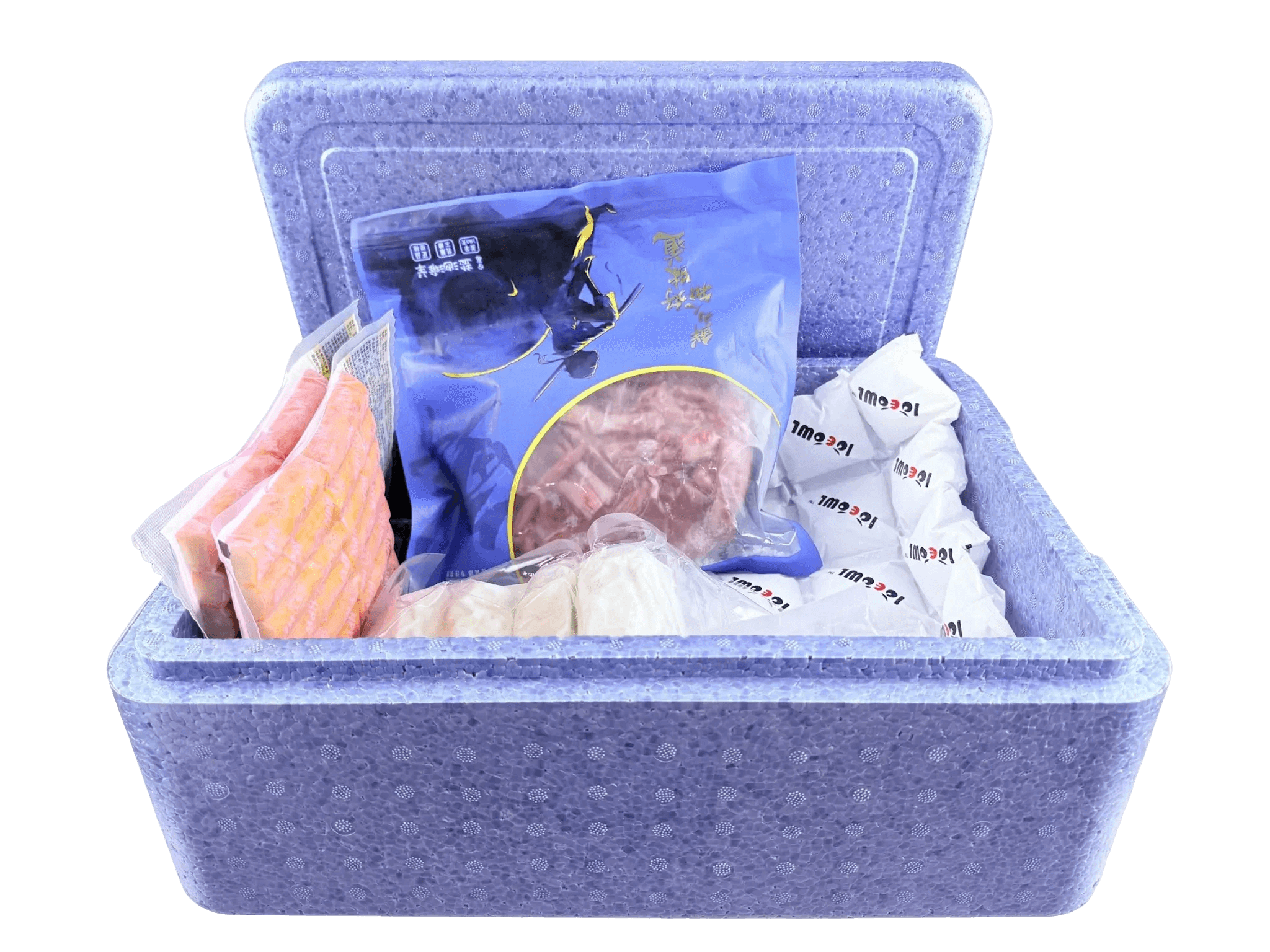
Distribuidor de caixa EPP para uso médico: Um guia prático de seleção para compradores B2B
Uma decisão prática sobre Distribuidor de caixa EPP para a área médica deve começar com o trabalho que a caixa deve realizar. Pode ser necessário amortecer, isolar, pilha, retornar, apresente o produto de forma organizada, ou apoiar um processo de manuseio documentado para distribuição médica. EPP é útil porque é leve, resiliente, e moldável, mas os compradores não devem tratar o material como um atalho para o planejamento de rotas, limpeza, verificação de temperatura, ou avaliação de fornecedor. Este guia concentra-se nas questões que reduzem as compras erradas antes que se tornem problemas operacionais.
Decisão em um parágrafo
O distribuidor de caixas EPP para uso médico é um bom candidato quando a aplicação precisa de proteção reutilizável, isolamento prático, e um recipiente moldado que pode ser manuseado repetidamente. Não é uma resposta universal. Os compradores devem verificar a função da caixa, os requisitos do produto, exposição da rota, documentação do fornecedor, processo de limpeza, e quaisquer necessidades de monitoramento ou qualificação antes de passar do pedido de amostra para o pedido de volume.
Onde o EPP ajuda e onde precisa de apoio
A maneira mais útil de avaliar uma caixa EPP é descrever o trabalho operacional em linguagem simples. A caixa protegerá itens frágeis, ganho de calor lento, carregar uma carga pesada, organize vários pacotes pequenos, devolver para reutilização, ou apresente o produto de forma limpa na entrega? Cada trabalho muda as prioridades do design. Uma tampa adequada para armazenamento a seco pode não ser suficiente para uma rota sensível à temperatura. Um grande volume interno pode parecer eficiente até que a equipe descubra que uma caixa carregada é difícil de levantar ou que a carga útil se desloca durante o transporte.
O EPP ajuda porque a estrutura de espuma moldada pode absorver choques, recuperar de muitos impactos de manuseio, e permanecem mais leves do que muitas alternativas rígidas de plástico ou metal. Sua natureza de célula fechada também suporta resistência térmica, é por isso que é frequentemente usado em recipientes isolados. Para distribuição médica, isso pode reduzir os danos nos pontos de entrega e dar ao comprador mais controle sobre o formato da embalagem. A desvantagem é que o EPP ainda é passivo. Não esfria, aquecer, monitor, certificar, ou documentar uma remessa por si só.
Os produtos médicos variam amplamente. Alguns são ambientais, alguns refrigerados, alguns congelados, e alguns exigem monitoramento formal da cadeia de frio. O distribuidor deve solicitar a faixa de temperatura exigida e a documentação antes de recomendar uma caixa.
Os detalhes da caixa acabada são mais importantes do que os amplos adjetivos materiais. Geometria de canto, compressão da tampa, costelas moldadas, comportamento de drenagem, textura de superfície, áreas de rótulo, e inserir todos influenciam como a caixa se comporta depois que a equipe a usa em uma rota movimentada. Os compradores devem pedir amostras que reflitam a produção esperada, em seguida, teste o método de carregamento real em vez de revisar a caixa vazia em uma mesa de conferência.
Lista de verificação do comprador antes de passar para as amostras
A tabela abaixo transforma a seleção do distribuidor de caixas EPP para uso médico em verificações práticas. Evita números não suportados porque a resposta correta depende do tipo de produto, exposição da rota, projeto de caixa, e as evidências fornecidas pelo fabricante ou distribuidor.
| O que verificar | Como verificar | Por que isso importa |
|---|---|---|
| Função de embalagem | Confirme se a caixa é um armazenamento protetor, isolamento passivo, um envio externo, ou parte de um sistema qualificado. | Impede que a equipe trate um contêiner de EPP como adequado para cada uso. |
| Carga útil e volume utilizável | Verifique o espaço real utilizável após as inserções, refrigerante, forros, divisores, ou bandejas estão incluídas. | Evita enchimento excessivo, mudança de cargas úteis, e suposições de capacidade irrealistas. |
| Requisito de temperatura | Use as instruções do produto, plano de segurança alimentar, POP de laboratório, ou exigência de qualidade em vez de assumir uma faixa padrão. | Mantém a decisão de embalagem vinculada ao produto e não ao material. |
| Design de tampa e fechamento | Revise a linha de vedação, hábito de abertura, método de bloqueio, e como a tampa se comporta após uso repetido. | Muitas falhas de rota começam com troca de calor ou contaminação no fechamento. |
| Limpeza e reutilização | Definir limpeza, secagem, inspeção, retornar, e regras de retirada antes do pedido por volume. | A reutilização só funciona quando a operação consegue manter as caixas limpas e adequadas à finalidade. |
| Evidência do fornecedor | Solicite informações materiais, amostras, controles de consistência de produção, e quaisquer dados de teste relevantes para sua aplicação. | Uma boa documentação protege as reivindicações do catálogo, revisão de qualidade, e repetir pedidos. |
Esta tabela é útil porque separa o que o EPP geralmente pode suportar daquilo que deve ser verificado para a caixa real. Os compradores podem usá-lo em ligações com fornecedores, avaliações de amostra, e reuniões internas de aprovação. Quando um fornecedor apresenta uma reivindicação de desempenho fixa, pergunte qual carga útil, exposição ambiental, configuração de refrigerante, e critérios de aceitação foram usados para produzir essa afirmação.
Revisão de amostra: a etapa que evita correções caras
Uma amostra de revisão deve ser prática. Carregar a caixa com o conteúdo real ou representativo utilizado para revenda ou fornecimento Caixas EPP para clínicas, laboratórios, farmácias, cuidados de saúde em casa, movimento de amostra, e logística de produtos médicos. Feche a tampa, mova-o da maneira que a equipe irá movê-lo, empilhe se o empilhamento for esperado, limpe-o após um derramamento simulado, e verifique se os rótulos permanecem visíveis. Esse tipo de avaliação geralmente revela problemas que não são visíveis na foto de um produto: cantos apertados que prendem resíduos, tampas que são difíceis de alinhar, alças que são desconfortáveis, ou dimensões internas que não correspondem à carga útil após a adição de revestimentos ou divisórias.
Dimensões internas e dimensões externas devem ser revisadas em conjunto. O tamanho interno controla o ajuste da carga útil. O tamanho externo afeta o espaço nas prateleiras, carregamento de van, padrões de paletes, e armazenamento de retorno. Se o produto precisar de refrigerante, bandejas, material absorvente, inserções, ou mangas protetoras, o volume utilizável pode ser menor que o volume interno bruto. Os compradores devem pedir aos fornecedores que definam qual medida estão cotando.
O design do fecho é outro detalhe prático. Uma tampa bem combinada pode reduzir a troca de calor e proteger o conteúdo contra poeira ou respingos, enquanto um fechamento fraco pode anular o benefício de um bom isolamento. Para operações de alto volume, a questão não é apenas se a tampa fecha uma vez. É se a equipe ocupada consegue fechá-lo corretamente sempre, se a caixa dá um sinal visual claro quando fechada, e se os danos no aro são fáceis de detectar.
Uma clínica pode solicitar a um distribuidor uma caixa EPP médica para transportar suprimentos entre locais. Se o conteúdo for suprimentos gerais não sensíveis à temperatura, a caixa pode fornecer principalmente proteção e organização. Se o conteúdo for amostras, vacinas, ou medicamentos sensíveis à temperatura, o distribuidor deve fazer perguntas diferentes sobre as instruções do produto, refrigerante, monitoramento, qualificação de embalagem, e recebimento de cheques.
O que verificar antes de escalar da amostra para o pedido
O primeiro erro é usar a frase distribuidor de caixa EPP para uso médico como se descrevesse uma solução completa. Descreve o material e a forma geral, não a rota, pacote, método de monitoramento, ou critérios de aceitação. Isto é importante para a distribuição médica porque a caixa pode ser usada por funcionários que estão sob pressão de tempo e podem não compreender os limites da embalagem passiva.
Remessas de saúde podem envolver expectativas de PIB, Regras da IATA para carga aérea sensível ao tempo e à temperatura, requisitos da autoridade de saúde local, ou instruções específicas do produto. Um distribuidor deve enquadrar a caixa como um componente, a menos que haja evidências de qualificação disponíveis.
O segundo erro é ignorar os pontos de transferência. Danos e exposição à temperatura ocorrem frequentemente quando uma caixa é movida do armazenamento para o veículo, do veículo para a doca, da doca até o recebimento da equipe, ou da pilha de retorno para limpeza. Pergunte onde a caixa ficará, quem abre, quanto tempo a tampa pode permanecer aberta, e se o conteúdo é verificado na chegada. Uma pequena lacuna operacional pode ser mais importante do que uma ampla vantagem material.
A abordagem mais segura é transformar cada risco em uma questão do fornecedor. Para este tópico, os principais riscos incluem redação de conformidade médica não comprovada, ajuste de categoria de produto errado, falta de evidência de temperatura, requisitos de limpeza pouco claros, e confundindo proteção externa com expedidor qualificado. Nenhum destes riscos faz do EPP uma má escolha. Eles simplesmente mostram por que um comprador deve especificar a aplicação antes de solicitar o preço.
Ferramentas úteis de decisão
Verifique os detalhes antes de escolher a embalagem
Essas ferramentas rápidas podem ajudá-lo a comparar o risco da rota, necessidades de dimensionamento, escolhas de refrigerante, e detalhes da embalagem antes de solicitar um orçamento.
Verificador de risco de rota
Revise as condições da pista antes de selecionar a embalagem para requisitos operacionais reais.
Verifique o risco da rotaReferência de material de isolamento
Compare as opções de materiais de isolamento para diferentes necessidades de embalagens da cadeia de frio.
Compare materiaisCalculadora de gelo seco
Estime as necessidades de gelo seco para remessas congeladas ou ultrafrias antes de embalar.
Estimar gelo secoFinalmente, planejar o fim do uso. Se a caixa for para ser reutilizada, decida quantas equipes irão lidar com isso, onde será limpo, como os danos serão registrados, e quando ele será removido de serviço. Se a reciclabilidade faz parte da mensagem de venda, verificar se o comprador, distribuidor, ou parceiro local de resíduos pode realmente coletar e processar o material. Uma reclamação só é útil quando pode ser realizada através da operação.
Como selecionar um fornecedor para a aplicação real
A seleção do fornecedor deve ser mais específica do que perguntar quem pode ser o distribuidor de caixas EPP para produtos médicos.. Vários fornecedores podem oferecer uma caixa moldada de aparência semelhante, mas as diferenças úteis aparecem na qualidade da amostra, comunicação, documentação, controle de personalização, e quão honestamente o fornecedor descreve os limites de aplicação.
Comece com estas perguntas: Qual categoria de produto médico o cliente atenderá? A remessa precisa de um registrador de dados, pacote qualificado, ou etiqueta específica? O fornecedor pode oferecer suporte a dimensões consistentes e documentação de material?? Quais reivindicações o distribuidor pode incluir com segurança na cópia do catálogo? A questão não é tornar a compra mais lenta. O objetivo é evitar uma ordem de volume baseada em suposições que são descobertas somente depois que as caixas entram na rota.
Pergunte como as amostras são aprovadas e como as unidades de produção são comparadas com a amostra aprovada. Isto é especialmente importante quando a caixa tem uma tampa moldada, inserir, dobradiça, recurso de empilhamento, requisito de cor, ou marca do cliente. Uma pequena diferença dimensional pode criar uma lacuna na tampa, interferência da bandeja, problema de código de barras, ou movimento de carga útil. Para médico, laboratório, comida, ou aplicações aeroespaciais, o custo de uma especificação vaga é muitas vezes superior ao custo de uma análise cuidadosa da amostra.
Discuta o idioma da reivindicação antes das páginas do produto, catálogos, ou as cotações do cliente estão finalizadas. É seguro descrever o EPP como um produto leve, resiliente, material isolado quando essas declarações correspondem ao produto. Não é seguro prometer conformidade universal, tempo de espera fixo, aptidão médica certificada, ou segurança alimentar garantida, a menos que o fornecedor forneça evidências da caixa exata e do caso de uso. Se faltarem provas, escreva a reclamação como um ponto de verificação do comprador em vez de um fato.
O preço deverá ser revisto após a definição da aplicação. Um preço unitário mais baixo pode sair caro se a caixa for difícil de limpar, é removido do serviço mais cedo, causa escolhas erradas em um armazém, ou força o comprador a adicionar embalagens extras posteriormente. A melhor comparação é o ajuste operacional total: preço de compra, processo de reutilização, taxa de dano, eficiência de armazenamento, manuseio de pessoal, documentação, e rota de fim de vida.
Ajustar limites: o que a caixa não deve ser solicitada a fazer
Use este tipo de contêiner EPP quando a rota se beneficiar de proteção moldada reutilizável, peso controlável, e isolamento passivo. É uma boa opção quando a carga útil é conhecida, o processo de manuseio é repetível, a equipe pode fechar e limpar a caixa corretamente, e o comprador pode definir quais evidências são necessárias antes do lançamento.
A caixa não é suficiente quando o cliente exige validado embalagem da cadeia de frio, transporte regulamentado de amostras, ou uma via farmacêutica documentada. O distribuidor deve solicitar as evidências necessárias em vez de descrever cada caixa de EPP como em conformidade médica.
As alegações de sustentabilidade também precisam de provas operacionais. Material reciclável é útil, mas o resultado ambiental depende de quanto tempo a caixa permanece em uso, como é limpo, se os retornos são eficientes, e se a coleta de fim de vida está disponível. UM caixa reutilizável que é perdido após algumas viagens pode não trazer o benefício pretendido. Um programa de retorno bem administrado pode tornar a vantagem material mais significativa.
Antes de fazer um pedido grande, faça uma pequena revisão controlada. Use conteúdos reais, pessoal normal, veículos esperados, e o processo de transferência real. Grave o que é fácil, o que é confuso, o que fica sujo, o que atrasa a equipe, e quais informações a equipe receptora precisa. Estas observações dirão mais do que uma afirmação genérica sobre o desempenho da caixa EPP.
Entrega do comprador e notas de recebimento
A entrega é onde muitas suposições de embalagem são testadas. Para distribuição médica, decida quem fecha a caixa, quem abre, onde espera, e o que a equipe receptora verifica antes de aceitar o conteúdo. Se a caixa for reutilizável, a equipe receptora deve saber se deve devolvê-lo imediatamente, mande para limpeza, ou colocá-lo em quarentena devido a danos ou contaminação. Essas pequenas regras evitam que um bom contêiner se torne um elo fraco na rota.
A rotulagem também deve ser planejada. Uma caixa EPP reutilizável pode precisar de uma etiqueta de produto, rótulo de rota, etiqueta de devolução, etiqueta de status limpa ou suja, ou nota de advertência sobre disciplina de tampa. As etiquetas não devem bloquear recursos de empilhamento, ocultar danos, ou cair durante a limpeza. Se a caixa contiver informações médicas, laboratório, comida, ou produtos aeroespaciais, o processo de etiquetagem deve corresponder aos requisitos internos de qualidade do comprador.
Perguntas frequentes
Qual a principal vantagem do distribuidor de caixa EPP para uso médico?
A principal vantagem é a combinação de proteção moldada, baixo peso, isolamento passivo, e potencial de reutilização. Para distribuição médica, que pode reduzir problemas de manuseio e melhorar a consistência da embalagem quando a caixa corresponde à rota.
Qual é a forma mais segura de comparar fornecedores?
Dê a cada fornecedor o mesmo briefing: carga útil, necessidades de tamanho interno, rota, exigência de temperatura, processo de limpeza, modelo de reutilização, necessidades de personalização, e reivindicar limites. Compare amostras e evidências, não apenas preço ou fotos do produto.
O Tempk pode definir a faixa de temperatura necessária para o meu produto?
A faixa necessária deve vir das instruções do produto, equipe de qualidade, plano de segurança alimentar, protocolo de laboratório, ou via regulatória. A Tempk pode ajudar a discutir opções de embalagem em torno desse requisito, mas a exigência do produto deve ser confirmada pelo comprador.
O que deve ser decidido antes de um pedido em grandes quantidades?
Antes de um pedido em grandes quantidades, confirmar amostra aprovada, dimensões, ajuste da tampa, arranjo de carga útil, método de limpeza, linguagem de reivindicação, papel de embalagem, evidências de teste, se necessário, e o processo para futuras alterações ou substituições de design.
Conclusão
Selecionar um distribuidor de caixas EPP para produtos médicos não é apenas uma compra de embalagens. É uma decisão sobre a proteção do produto, fluxo de trabalho, risco de temperatura, reutilizar disciplina, evidência do fornecedor, e controle de reivindicações. Comece com o produto e rota, confirme o papel da embalagem, testar amostras em condições realistas, e só então passar para a ordenação por volume. Essa abordagem dá ao EPP uma chance justa de atuar onde é forte e evita pedir-lhe que resolva problemas que exigem um sistema diferente.