Fornecedor de caixa refrigeradora EPP Seleção com cinco portas de aprovação
Um preço baixo torna-se caro quando o refrigerante não cabe mais, as tampas chegam distorcidas ou um relatório de teste não pode ser atribuído à produção. A maneira mais segura de escolher um fornecedor de caixas térmicas EPP é usar portas de aprovação. Cada portão fecha uma fonte de incerteza: o requisito operacional, a evidência do fornecedor, o projeto físico, desempenho térmico e consistência de produção. Você não avança porque uma amostra parece boa; você avança quando a próxima decisão tiver evidências suficientes. Este método funciona para entrega de comida, logística de alimentos retornáveis e projetos de cadeia de frio mais controlados porque mantém as reclamações de materiais separadas dos resultados da embalagem.
Portão Um: Escreva um requisito que possa ser inspecionado
A primeira entrega não é uma solicitação de orçamento. É uma especificação de uso de uma página que dois fornecedores podem interpretar da mesma maneira. Sem isso, um fornecedor pode citar uma caixa vazia, outro pode incluir refrigerante e um terceiro pode assumir um uso que nunca foi discutido. Os seus preços e declarações de desempenho não serão comparáveis.
Comece com o produto. Registre seus limites de remessa ou retenção conforme fornecidos pelo proprietário do produto, junto com sensibilidade ao congelamento, aquecer, umidade, impacto ou contaminação. Não use uma gama farmacêutica familiar para um medicamento desconhecido, e não transformar um valor de código alimentar de varejo em um requisito universal de exportação. Se o limite estiver indeciso, sinalizá-lo como um pré-requisito, em vez de pedir ao fornecedor da embalagem que o escolha.
Próximo, descrever a carga útil em termos físicos. Forneça as dimensões e a massa do varejo real, pacotes secundários ou de laboratório, o número e a orientação das unidades, e as menores e maiores cargas esperadas. Indique se as divisórias, material absorvente, forros, recursos de violação ou um registrador de temperatura são necessários. Todos esses componentes ocupam espaço.
Separe o tamanho externo máximo do tamanho interno mínimo utilizável. O envelope externo controla paletes, prateleiras, portas, transportadores, aceitação de veículos e correio. O espaço utilizável controla o pacote. Solicite as menores dimensões claras após a conicidade da parede, cantos arredondados, intrusão na tampa, refrigerante e recursos internos. Um volume nominal da cavidade pode apoiar a triagem precoce, mas não pode provar que uma carga retangular se ajusta.
A descrição da rota deve incluir mais do que distância. Identifique o armazenamento pré-embarque, condições de embalagem, carregamento, veículos, terminais, transferências, possíveis atrasos, frequência de abertura e recebimento. Para um programa reutilizável, adicionar transporte de retorno, lavar, secagem, inspeção e armazenamento. A caixa pode enfrentar sua condição mais difícil enquanto estiver vazia no caminho de volta ou enquanto espera sem lavar, mesmo que nenhum evento apareça em uma reivindicação térmica.
Finalmente, definir qual sucesso será observado. Os exemplos incluem o fechamento correto por pessoal treinado, drenagem limpa, um pacote repetível, nenhuma interferência com a carga útil, comportamento especificado do rótulo e desempenho de temperatura sob um protocolo aprovado. Se você precisar de empilhamento, indique a condição carregada, padrão e ambiente de manipulação que devem ser avaliados. Evite um requisito de carga numérica não suportado simplesmente para fazer a especificação parecer completa.
Portão Dois: Selecione o fornecedor de caixas térmicas EPP por meio de evidências
As evidências do fornecedor tornam-se mais valiosas à medida que se tornam mais específicas. No nível mais baixo está uma declaração geral sobre o PPE. Os produtores de material de polipropileno expandido descrevem seus produtos como leves, isolante, resiliente e resistente a baixos níveis de absorção de água e vários produtos químicos. Essas propriedades apoiam o uso de EPP em embalagens moldadas reutilizáveis. Eles não identificam a nota na caixa citada.
O próximo nível é um documento de material específico da série. BASF e JSP publicam vários graus de EPP, faixas de densidade e informações de aplicação. Algumas classes nomeadas possuem documentação de contato com alimentos; outros são projetados para finalidades diferentes. Pergunte qual fonte de resina, nota, pacote de cor ou aditivo e opção de conteúdo reciclado são propostos. Em seguida, obtenha as declarações que se aplicam exatamente a essa composição e mercado-alvo. Uma ligação com a família geral de produtos de um produtor de material não é rastreabilidade.
Acima disso está a especificação da peça acabada. Deve identificar a revisão do desenho controlado, densidade moldada alvo ou um método de verificação acordado, dimensões críticas, massa parcial quando útil, detalhes de fechamento e acessórios, limites de defeitos visuais e recursos de rotulagem. Esta camada informa o que o fornecedor pretende reproduzir.
A evidência de embalagem é um nível mais alto novamente. Um relatório térmico deve identificar a caixa e a tampa exatas, carga útil, refrigerante, método de condicionamento, conjunto, pré -condicionamento, perfil ambiente, localizações dos sensores, método de gravação e critérios de aceitação. A conclusão do relatório é menos informativa do que a sua configuração. Se a caixa proposta tiver uma nova tampa, densidade diferente ou carga útil diferente, a equipe deve determinar se o trabalho anterior ainda se aplica.
O nível final é a evidência operacional. Um piloto no fluxo de trabalho pretendido pode revelar erros de divulgação, longo tempo de embalagem, substituições de refrigerante, lavar danos, resíduo de rótulo, perda e exposição inesperada à transferência. Um fornecedor não controla todas as partes dessa evidência; as operações e as equipes de qualidade do comprador fazem. É por isso que a seleção de um fornecedor é um processo de verificação compartilhado, em vez de uma busca por um certificado para todos os fins..
Use referências a padrões com cuidado. O registro oficial de mudanças do ISTA identifica 2011 como o último ano de publicação do Procedimento 7D e direciona os usuários de contêineres isolados para o 7E, embora algumas páginas de visão geral atuais ainda descrevam o propósito de desenvolvimento legado do 7D. O padrão ISTA 7E aborda embalagens de transporte térmico em sistemas de entrega de encomendas por meio de perfis definidos de calor e frio, enquanto padrão 20 fornece um processo de design e qualificação para contêineres isolados. Confirme o documento e a versão atuais com o ISTA, e combinar o método com o objetivo do teste. Um nome padrão nunca substitui uma revisão da configuração, critérios de rota e aceitação.
Portão Três: Converta a cotação em uma caixa controlada
Neste portão, toda descrição de vendas importante torna-se um recurso de desenho, uma especificação de material, um controle de processo ou uma questão aberta. A tabela abaixo pode servir como agenda para a revisão técnica.
| Ponto de decisão | O que deve ser controlado ou demonstrado | Motivo para interromper a aprovação |
|---|---|---|
| Geometria interna e externa | Envelope máximo, cavidade clara mínima, abertura, afunilar, raios de canto, intrusão de tampa e acessórios | A carga útil ou o líquido refrigerante se ajustam apenas deformando os componentes ou alterando o layout pretendido |
| Material EPP | Classe nomeada ou especificação controlada, meta de densidade moldada e declarações relevantes | O fornecedor não pode rastrear a amostra e o plano de produção para o mesmo material |
| Parede e fechamento | Geometria da parede, planicidade do aro, registro de tampa, tiras ou travas, e uma verificação de erro | Pedras de tampa, arcos, assentos de forma ambígua ou dependem de um acessório não documentado |
| Interface de refrigeração | Dimensões do pacote, estado de condicionamento, colocação, separadores e revisão de compatibilidade | O líquido refrigerante entra em contato com uma carga útil sensível ao congelamento ou impede o fechamento total |
| Limpeza e reutilização | Condições de lavagem aprovadas, método de drenagem e secagem, armadilhas de solo, critérios de inspeção e aposentadoria | Não existe nenhuma maneira de remover a contaminação ou identificar uma unidade devolvida imprópria |
| Qualidade de produção | Critérios de fusão e superfície, método de massa ou densidade da peça, dimensões críticas, identidade do lote e processo de não conformidade | O fornecedor oferece apenas uma amostra visual sem critérios de liberação mensuráveis |
| Continuidade de evidências | Desenho e configuração citados em relatórios, comparação do primeiro artigo e gatilhos de notificação de alteração | Um material, ferramenta, site, mudança de processo ou design pode ocorrer sem revisão |
| Escopo comercial | Respostas específicas do projeto para exemplos de termos, ferramentas, pedido mínimo, tempo, recursos personalizados e embalagem de unidades vazias | A cotação depende de suposições não declaradas ou de uma revisão de produto diferente |
Uma parada nesta fase não é necessariamente uma falha do fornecedor. Pode revelar que o requisito do comprador está incompleto ou que um projeto personalizado precisa de mais engenharia. O valor da porta é que a lacuna se torna visível antes do ferramental ou da produção em volume.
A densidade moldada merece uma interpretação cuidadosa. Afeta o peso da peça, resistência e comportamento térmico, mas um número maior não é automaticamente um cooler melhor. A densidade interage com o grau EPP, espessura da parede, geometria, fusão e movimentação de carga. Pergunte ao fornecedor como o alvo é selecionado, medido e mantido consistente em vez de solicitar a maior densidade disponível.
O fechamento merece a mesma atenção. O calor pode entrar através de uma junta mal assentada, mesmo quando as paredes são substanciais. Teste se um operador consegue perceber que a tampa está totalmente encaixada, se são necessárias tiras ou travas e se o uso repetido distorce o aro. Inspecione todos os cantos, não apenas o centro de cada lado.
As reivindicações de limpeza devem ser convertidas em condições: detergente ou desinfetante, concentração, temperatura, tempo de contato, ação mecânica, enxaguar e secar. A resistência química no nível do material não pode aprovar todo o processo. Dobradiças, rótulos, inserções e peças anexadas podem responder de forma diferente do EPP. As equipes de higiene devem decidir se o método proposto é apropriado para o alimento, contexto médico ou alergênico.
Portão Quatro: Prove o pacote completo para o risco pretendido
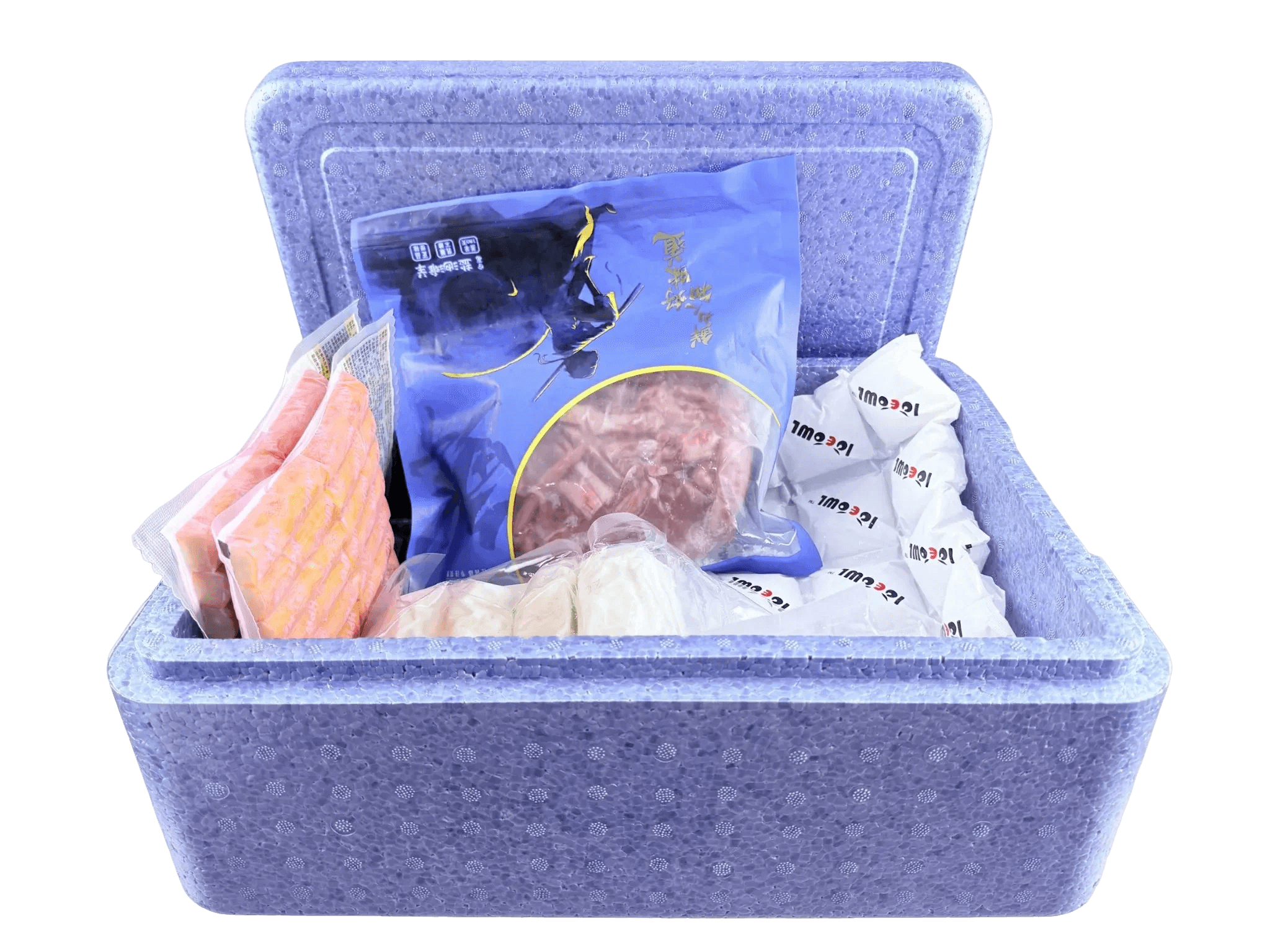
Um Caixa EPP é isolamento passivo. Ele atrasa a transferência de calor, mas não reduz a carga quente até a temperatura necessária. O resfriamento vem de uma carga condicionada, refrigerante ou outra fonte controlada. Portanto, a preparação do teste começa com as instruções do pacote, não com o perfil da câmara.
Especifique o refrigerante por produto e condição, em vez de usar uma frase como “pacote congelado”. Pacotes de gel e materiais de mudança de fase podem precisar de condicionamento diferente. Registre por quanto tempo e onde o condicionamento ocorre somente após o método do produto selecionado ser estabelecido; não peça emprestado uma duração de outro refrigerante. Defina o número, orientação e disposição do separador. Se o pacote mudar com a estação ou o tamanho da carga útil, cada versão aprovada precisa de uma identidade clara.
Ferramentas úteis de decisão
Verifique os detalhes antes de escolher a embalagem
Essas ferramentas rápidas podem ajudá-lo a comparar o risco da rota, necessidades de dimensionamento, escolhas de refrigerante, e detalhes da embalagem antes de solicitar um orçamento.
Seletor de embalagens
Compare opções de embalagens isoladas por produto, rota, e necessidade de temperatura.
Encontre embalagensVerificador de risco de rota
Revise as condições da pista antes de selecionar a embalagem para requisitos operacionais reais.
Verifique o risco da rotaCalculadora de gelo seco
Estime as necessidades de gelo seco para remessas congeladas ou ultrafrias antes de embalar.
Estimar gelo secoO contato direto entre o líquido refrigerante muito frio e os produtos sensíveis à temperatura pode produzir congelamento local mesmo quando uma leitura média parece aceitável. A orientação europeia sobre boas práticas de distribuição de medicamentos aborda o posicionamento de embalagens térmicas para evitar o contato do produto onde o congelamento é um risco e enfatiza a montagem treinada e configurações sazonais. A implicação prática é mais ampla: a colocação do sensor deve ser capaz de detectar locais de risco quentes e frios, e as instruções devem ser reproduzíveis por embaladores reais.
O gelo seco é um projeto separado e uma decisão regulatória. Sua temperatura, sublimar implicações de gás e pressão pode afetar a carga útil, contêiner e pessoas que o manuseiam. Para transporte aéreo, mercadorias perigosas atuais, operadora, rotulagem, os requisitos de marcação e documentação devem ser confirmados. A declaração de um fornecedor de que o EPP tolera a exposição ao frio não é uma aprovação para transporte aéreo.
Um protocolo forte responde a cinco perguntas:
Quais recipientes e acessórios representativos da produção exatos estão sendo avaliados?
Qual configuração de carga útil e refrigerante representa o uso pretendido ou o pior caso justificado?
Qual desafio ambiental representa o canal de distribuição, temporada ou pista sendo avaliada?
Onde os sensores são colocados, e quais critérios de aceitação de temperatura do produto se aplicam?
Como serão os desvios, repita as execuções e as alterações de configuração sejam tratadas?
Evidências laboratoriais e evidências de rota podem complementar-se. Testes controlados oferecem repetibilidade e desafios definidos. Uma rota piloto mostra ao vivo, abertura e comportamento humano. Nenhum deles deve ser apresentado como mais universal do que o seu design. Farmacêutico, programas de diagnóstico ou outros programas de alto risco podem exigir qualificação formal e aprovação de qualidade. Uma operação alimentar local de baixo risco pode usar um nível diferente de verificação documentada, guiado pelo produto e sistema de segurança alimentar aplicável.
Portão Cinco: Piloto, Liberar e manter a aprovação válida
A etapa de amostragem deve produzir registros, não apenas impressões. Identifique a amostra desenhando a revisão, grau ou especificação do material, alvo de densidade moldada, status das ferramentas, cor, acessórios e data. Meça as dimensões internas mínimas e externas máximas. Fotografar uma embalagem ajuda a treinar os usuários, mas a lista controlada de materiais e as instruções continuam sendo a base de aprovação.
Execute três tipos de teste. O primeiro é físico: ajuste de carga útil, colocação de refrigerante, assento da tampa, empilhamento, carregando, interface do veículo e uso de etiqueta. O segundo é higiênico: limpeza, lavagem, secagem, critérios de odor ou mancha e inspeção sob solo esperado. O terceiro é térmico quando necessário: a configuração completa sob o desafio aprovado. Não deixe que o sucesso em uma tentativa implique sucesso nas outras.
Mova-se para próximo de um lote piloto representativo da produção. Compare várias unidades, não apenas um protótipo acabado à mão. Verifique a variação nas dimensões, planicidade do aro, fusão, superfície, indicador de massa ou densidade da peça, fecho e ajuste de acessório. Registre o tempo de embalagem e os erros. Se um determinado canto for repetidamente deixado aberto, redesenhar ou adicionar um recurso poka-yoke – uma dica de prevenção de erros – em vez de depender de atenção perfeita para sempre.
Decisão piloto hipotética
Considere um distribuidor de alimentos especializados que planeje entregas rodoviárias locais e remessas aéreas ocasionais. Sua primeira amostra EPP transporta confortavelmente a carga rodoviária, mas uma embalagem de transporte aéreo requer mais material absorvente e um arranjo de refrigeração diferente. Essas adições reduzem o espaço utilizável e colocam pressão na tampa. O relatório térmico do fornecedor cobre um pacote lacrado com outra carga útil e não pode responder ao cenário de abertura repetida da estrada.
A equipe cria duas configurações controladas em vez de forçar uma reivindicação para cobrir ambas. O piloto da rota local mede o tratamento de abertura e retorno. A configuração aérea é verificada em relação aos requisitos atuais de carga e transportadora e recebe sua própria revisão de embalagem. O departamento de compras pergunta se a mesma caixa moldada pode ser fornecida de forma consistente para ambos, enquanto a qualidade decide quais evidências térmicas cada configuração precisa. O resultado ainda pode ser uma caixa, mas não é mais um uso não documentado.
A liberação de produção deve nomear a referência aprovada, plano de desenho e aceitação. Definir aprovação do primeiro artigo, cheques recebidos e rastreabilidade de lote. Exigir notificação antes de alterações na origem ou classe da resina, conteúdo reciclado, formulação de cor, alvo de densidade, ferramenta, local de fabricação, processo, tampa, fecho ou acessório. O comprador pode então decidir se uma revisão do documento, teste de comparação ou requalificação é necessário.
O sistema de controle continua após o lançamento. Caixas reutilizáveis precisam de identidade, devolução e inspeção. Critérios de aposentadoria podem incluir corpos rachados, jantes esmagadas, distorção permanente, fechamentos ausentes, contaminação incorporada, odor persistente ou uma marca de rastreabilidade ilegível. Registros de limpeza e perdas de frota ajudam a mostrar se o modelo de reaproveitamento existe na prática.
As alegações de sustentabilidade devem usar esses dados operacionais. EPP é tecnicamente reciclável, mas a reciclagem real depende da coleta, contaminação, rótulos, materiais anexados e acesso ao processamento regional. Os resultados da reutilização dependem dos retornos, lavar insumos, transporte vazio, danos e o pacote alternativo. Para embalagens destinadas à UE, os compradores também devem revisar o Regulamento de Embalagens e Resíduos de Embalagens, que geralmente começou a ser aplicado em agosto 2026 com disposições faseadas. A reciclabilidade do material por si só não estabelece conformidade.
Conclusão: Aprovar evidências, uma porta de cada vez
O método das cinco portas mantém as decisões de aquisição na ordem certa. Primeiro defina a carga útil e a rota. Em seguida, estabeleça as evidências do fornecedor, controlar o design da caixa, teste o pacote completo e verifique a produção. Após o lançamento, preservar a aprovação através do controle de alterações, recebendo inspeção e um sistema de reutilização funcional.
O fornecedor de caixas térmicas EPP mais útil não é aquele com a lista mais longa de reivindicações gerais. É aquele cuja proposta pode ser rastreada desde a exigência até a amostra, da amostra à produção e da produção às evidências que sua operação precisa. Se um portão expõe incerteza, resolvê-lo antes de avançar, em vez de pagar por isso mais tarde na cadeia de frio.
Sobre Tempk
Ofertas temporárias Caixas frigoríficas EPP como parte de sua publicação embalagem da cadeia de frio e faixa de refrigerante. Podemos discutir um projeto do pacote para fora, usando dimensões de carga útil, rota, conceito de refrigerante, manuseio e limpeza precisam identificar uma opção que vale a pena testar. Evitamos tratar o material da caixa como prova do resultado do envio; os compradores devem revisar os desenhos específicos da configuração, amostras e evidências disponíveis com suas equipes de operações e qualidade. Os requisitos personalizados podem ser explorados somente depois que o resumo funcional estiver claro.
Peça ao Tempk para trabalhar nos cinco portões de aprovação com sua equipe. Compartilhe as especificações de uso e os requisitos de evidência para que a amostra certa possa ser avaliada antes de um pedido maior.