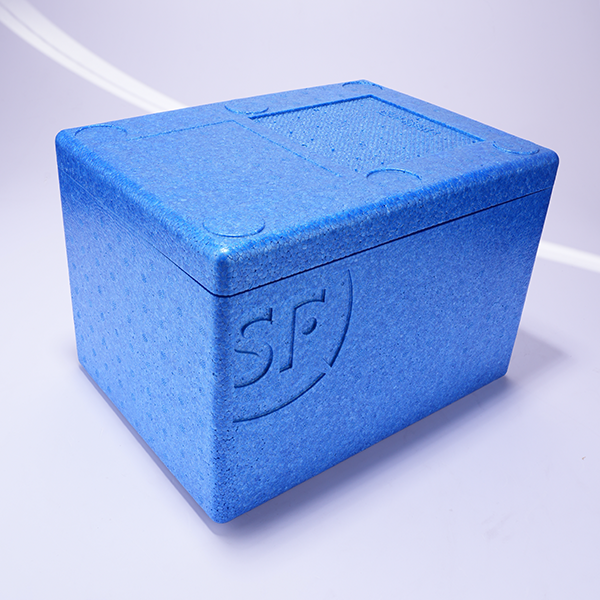
Caixa isolada EPP OEM para indústria aeroespacial: Construa uma cadeia de evidências de aprovação
O erro de embalagem OEM mais caro é aprovar uma amostra sem aprovar as condições que a tornaram aceitável. A amostra se ajusta, a tampa fecha, e o ferramental é liberado; meses depois, uma substituição de resina, reparação de ferramentas, revisão de carga útil, ou mudança de embalagem produz uma caixa que parece semelhante, mas não tem mais o mesmo desempenho. Uma abordagem mais forte para uma Caixa isolada EPP OEM para a indústria aeroespacial é construir uma cadeia de evidências. Cada requisito importante deve estar conectado a um recurso de design, um método de verificação, um controle de produção, e um gatilho de mudança. Essa corrente torna o EPP de baixo peso, amortecimento, resiliência, e isolamento útil sem transformar benefícios materiais em reivindicações aeroespaciais não comprovadas.
Defina o uso aprovado em uma página
Antes de solicitar um projeto, escrever uma declaração de uso pretendido de que um técnico, engenheiro de fornecedores, auditor de qualidade, e o comprador interpretaria da mesma maneira. Identifique a carga útil e as revisões, para onde o pacote viaja, se ele retorna, e contra o que se espera que a caixa proteja. Indique o que não se destina a fazer.
A definição de carga útil deve incluir CAD controlado, massa, centro de gravidade, regiões de suporte aprovadas, características frágeis, zonas sem contato, preocupações superficiais, acessórios soltos, e orientação permitida. Para um design familiar, registrar cada variante em vez de projetar em torno de um envelope máximo vago. Um item menor pode ser o pior caso se tiver mais espaço para se mover; um item mais leve pode responder de maneira diferente ao amortecimento; um conector adicionado tardiamente pode invalidar uma cavidade segura.
Descreva o envelope logístico com a mesma precisão. Inclui embalagem e desembalagem de estações de trabalho, prateleiras, carrinhos, transportadores, padrões de paletes, transferências de veículos, postura de manuseio, condições de pilha, armazenar, limpeza, rótulos, selos, e retornos vazios. As dimensões externas pertencem a este sistema. Então, lide com os locais e a capacidade de inspecionar abaixo da carga útil.
Em seguida, indique o limite de proteção. Se a caixa for apenas embalagem de manuseio reutilizável, diga isso. Se for material dentro de uma caixa de transporte rígida, definir qual estrutura transporta empilhamento e cargas de hardware. Se fizer parte de um expedidor térmico, identificar o pacote qualificado completo. O isolamento EPP reduz a transferência de calor, mas nenhuma declaração de caixa vazia estabelece uma faixa ou duração de temperatura permitida. Esses resultados dependem da carga útil, estado inicial, refrigerante ou material de mudança de fase, arranjo, fechamentos, perfil ambiente, atrasos, eventos de abertura, instrumentação, e critérios de aceitação.
Descarga eletrostática (ESD) a proteção precisa de outro limite explícito. O EPP padrão não é inerentemente um pacote de controle de ESD. A autoridade ESD do cliente deve definir se o pacote precisa de comportamento antiestático, dissipação, condução, blindagem, ou uma combinação com sacos e controles de manuseio. Uma nota específica, método de teste, limites, condicionamento, e frequência de verificação tornam-se requisitos controlados. Nem a cor preta nem uma descrição geral de “segurança contra descargas eletrostáticas” são adequadas.
Converter OEM de caixa isolada EPP para necessidades aeroespaciais em um contrato de configuração
A configuração aprovada é mais do que um número de peça. É o conjunto de insumos que deve permanecer estável para que a evidência permaneça válida. Capture-os em um índice de configuração ou especificação de produto que ambas as organizações controlam.
No mínimo, identificar desenhos de corpo e tampa, 3Revisões do modelo D, o fabricante e grau de EPP, cor/aditivos, condição moldada acordada, números de peças de insertos e acessórios, rótulos, adesivos, hardware, identidades de ferramentas e cavidades, local de moldagem, operações secundárias, plano de inspeção, instruções de embalagem para entrega, e desvios abertos. Os suplentes aprovados devem ser nomeados; “material equivalente” é muito amplo para substituição automática.
Use tolerâncias funcionais. Contatos de carga útil, jantes de fechamento, interfaces de pilha, alças, inserir assentos, envelope externo, e os recessos de identificação merecem atenção porque afetam o uso. Uma ampla superfície decorativa raramente precisa do mesmo controle. Em espuma compatível, configuração de dados, tempo após a moldagem, condicionamento, e a força de medição podem alterar uma leitura, portanto, as instruções de desenho ou inspeção devem descrever o método suficientemente bem para que o fornecedor e o comprador o reproduzam.
O acordo de ferramentas deve ficar ao lado desta linha de base técnica. Propriedade estatal do CAD do cliente, CAD de produção, projeto de ferramenta, e o molde físico. Marcação de ferramenta de endereço, custódia, armazenar, manutenção, reparar, acesso, seguro quando relevante, direitos de modificação, transferir, substituição, e disposição de final de programa. As ferramentas pagas pelo comprador não são automaticamente portáteis, e as licenças de processo do fornecedor podem conter know-how protegido. Resolva o limite antes de cortar metal.
O escopo comercial também precisa de controle de configuração. Peça orçamentos para separar o suporte de design, protótipos, ferramentas de produção, testes de ferramentas, amostras, inserções, rótulos, testes, relatórios, peças de produção, e embalagem de entrega. Quantidade mínima, preço, e o prazo de entrega devem permanecer desatualizados, os termos do projeto vinculados à previsão, status de lançamento, e configuração cotada. Publicar ou assumir números genéricos esconderia as variáveis reais.
Use portões que eliminam riscos específicos
Um cronograma OEM é mais útil quando cada marco encerra uma incerteza nomeada.. “Amostra aprovada” é muito amplo. Um plano fechado pode distinguir essas decisões:
| Portão | Risco de ser aposentado | Evidência mínima | O que ainda não está aprovado |
|---|---|---|---|
| Congelamento de intenção | O fornecedor projeta para a carga útil ou rota errada | Requisitos assinados, dados de carga útil controlada, registro de suposições | Geometria moldada e desempenho |
| Liberação de capacidade de fabricação | CAD não pode ser preenchido, cozido no vapor, resfriado, ou ejetado consistentemente | Revisão do projeto para fabricação cobrindo paredes, aberturas, preencher, despedida, ejetores, encolhimento e empenamento | Conformidade da peça de produção |
| Confirmação de ajuste | Carga útil, operador, ou as interfaces logísticas estão erradas | Revisão de adequação do protótipo e encerramento do problema | Comportamento do EPP de produção se o processo do protótipo for diferente |
| Aceitação de ferramenta | O molde de produção não reproduz a geometria funcional | Inspeção de teste de ferramenta por ferramenta/cavidade, fechamento e inserção de cheques | Distribuição ou desempenho térmico |
| Verificação de projeto | O pacote aprovado não protege a carga representativa | Mecânica pré-aprovada, ESD, relatórios de limpeza ou térmicos, conforme aplicável | Consistência do lote de rotina |
| Lançamento de produção | A fabricação normal não consegue manter a linha de base | Registros do lote piloto, plano de controle, rastreabilidade e desvios aprovados | Mudanças futuras não revisadas |
Esta sequência evita que um resultado seja esticado além de seu propósito. Um protótipo usinado pode apoiar uma decisão ergonômica sem provar comportamento de impacto moldado. Um teste de ferramenta com conformidade dimensional pode liberar a geometria sem qualificar uma rota com temperatura controlada. Uma execução bem-sucedida da câmara térmica pode suportar o conjunto testado sem aprovar um novo arranjo de refrigerante.
O trabalho inicial de projeto para fabricação é particularmente importante para EPP moldado em cordão. Posição de enchimento, caminhos de vapor, aberturas centrais, transições de parede, cortes inferiores, ejetores, resfriamento, e a geometria da peça pode afetar a fusão e a distorção. Estas características de fabricação também podem deixar marcas ou condições locais que se cruzam com os rótulos, selos, almofadas de contato, ou pontos de medição. O feedback do fornecedor deve ser resolvido através de atualizações controladas de CAD e desenhos, não armazenado apenas em notas de reunião.
Escreva testes a partir da decisão de aceitação de trás para frente
Comece cada plano de teste com a frase: “Aceitaremos o design se…” Essa afirmação obriga a equipe a definir o artigo, perigo, medição, e critério de falha antes de ver os resultados.
Para aprovação dimensional, nomeie as características, a data, instrumento ou acessório, estado de condicionamento, amostragem, e limites de aceitação. Inspecione múltiplas peças de teste e cavidades quando apropriado. Indicadores de massa ou densidade moldada podem ajudar a monitorar um processo, mas eles não provam independentemente a fusão do cordão, geometria, amortecimento, ou desempenho térmico.
Para compressão, decida se a questão diz respeito à resposta do material de espuma, deflexão da caixa, estabilidade da pilha, ou proteção de carga útil. Indique onde e como a carga é aplicada, orientação, taxa ou permanência, deformação máxima, período de recuperação, e critérios de danos. ASTM D642 pode fornecer um método de compressão de contêiner quando selecionado, enquanto métodos de materiais como ASTM D3575 podem caracterizar espuma de olefina de célula fechada sob suas condições declaradas. Seus resultados respondem a diferentes perguntas.
Para impacto, use o risco de distribuição para selecionar o método. ASTM D5276 pode avaliar choque repentino de queda livre de um contêiner carregado. ASTM D4169 pode organizar uma sequência de perigos laboratoriais representando ciclos de distribuição selecionados. Um relatório deve identificar a revisão real da caixa, carga útil ou substituto, massa, centro de gravidade, rigidez quando relevante, fechamentos, pré -condicionamento, orientações, sequência, instrumentação, contagem de amostras, anomalias, e inspeção pós-teste. Passar em um “teste de queda” não especificado não é uma evidência acionável.
O substituto merece revisão de engenharia. Combinar apenas a massa pode deixar o caminho de carga errado. O substituto deve reproduzir superfícies de suporte, centro de gravidade, rigidez, e autorizações vulneráveis suficientemente para o objetivo do teste. Se o objetivo é proteger um conector, incluir uma maneira mensurável de determinar se foi contatado ou sobrecarregado.
O trabalho térmico começa com a exigência do produto, não é uma duração de marketing desejada. Se a aplicação precisar de controle de temperatura, qualificar todo o sistema. Um processo de qualificação de contêiner isolado e um perfil térmico reconhecidos podem fornecer uma base estruturada quando aplicável, mas um perfil genérico de parcela não representa automaticamente uma pista aeroespacial específica ou o pior caso. Definir instruções de embalagem e alterações permitidas, em seguida, decida como a produção e o uso em campo manterão intacta a configuração qualificada.
Ferramentas úteis de decisão
Verifique os detalhes antes de escolher a embalagem
Essas ferramentas rápidas podem ajudá-lo a comparar o risco da rota, necessidades de dimensionamento, escolhas de refrigerante, e detalhes da embalagem antes de solicitar um orçamento.
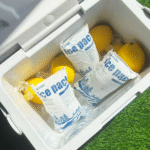
Calculadora de bolsa de gelo
Estime a quantidade de bolsas de gelo em gel para remessas refrigeradas e planejamento prático de rotas.
Estimar bolsas de geloVerificador de risco de rota
Revise as condições da pista antes de selecionar a embalagem para requisitos operacionais reais.
Verifique o risco da rotaResistência à queda de material de isolamento
Revise a resistência à queda e os fatores de manuseio antes de escolher materiais de isolamento.
Verifique a resistênciaColoque os padrões na camada correta
Três conversas sobre padrões são frequentemente misturadas em embalagens aeroespaciais: qualidade do fornecedor, design de embalagem, e regulamentação de transporte. Mantê-los separados evita falsas garantias.
IAQG 9100 define requisitos do sistema de gestão da qualidade para a aviação, espaço, e organizações de defesa. Um cliente pode exigir certificação e verificar seu escopo e status, mas essa certificação não é aprovação de produto. Não prova que uma determinada caixa atende a um desenho, protege um componente, fornece controle ESD, ou mantém uma condição térmica.
Especificação ATA 300 aborda embalagens de suprimentos de companhias aéreas e fornece design, Compras, e orientação de teste para unidades reparáveis e descartáveis, Recipientes reutilizáveis, Dispositivos sensíveis a ESD, e outros tópicos abordados. Sua aplicabilidade varia. O cliente responsável deve identificar a revisão, categoria, seções, e testes que se aplicam. Evite frases não qualificadas, como “caixa certificada pela ATA”; reter o relatório e a configuração mostrando quais requisitos foram realmente avaliados.
As regras de transporte criam uma camada adicional. Se o pacote contiver gelo seco, baterias de lítio, bens perigosos, ou amostras regulamentadas, os atuais requisitos de transporte aéreo e variações de estado ou operador podem reger a embalagem, ventilação, quantidades, Marcas, rótulos, documentos, e pessoal treinado. Os Regulamentos de Mercadorias Perigosas da IATA são relevantes para essa revisão. Um invólucro EPP é apenas um elemento e não pode conferir conformidade à remessa.
Os padrões de embalagem ESD também apoiam o programa de controle ESD do cliente; eles não transformam cada embalagem feita com espuma especial em um sistema de proteção completo. Indique a função, verifique isso, e preservar sua configuração.
Faça com que a produção rotineira prove continuidade
A evidência de qualificação só tem valor enquanto a produção permanece ligada à linha de base qualificada. O plano de controle do fornecedor deve identificar a verificação do material recebido, principais controles de moldagem, verificações iniciais ou de inicialização, inspeção dimensional e funcional, registros de ferramentas/cavidades, tratamento de não conformidade, lançamento de lote, e retenção de registros. Os controles exatos devem refletir o risco do produto, em vez de um formulário copiado.
Cada remessa deve conter identidade suficiente para conectar as caixas ao pedido de compra, parte e revisão, lote de fabricação, quantidade, e registros de conformidade ou inspeção. Se ESD ou outro grau especial for especificado, sua identidade e evidência do lote exigido pertencem a esse link. Serializar cada caixa pode ou não ser necessário, mas a unidade de rastreabilidade deve apoiar a contenção.
A inspeção de recebimento verifica a identidade primeiro, segunda condição, e características selecionadas terceiro. Confirmar documentos, revisão, situação material, quantidade, e desvios. Em seguida, examine dimensões críticas ou medidores funcionais, assento da tampa, inserir configuração, rótulos, contaminação, lágrimas, preenchimento incompleto, distorção, e danos de transporte de acordo com o plano acordado. Definir crítico, principal, e pequenos defeitos na linguagem operacional e estabelecer autoridade de quarentena e disposição.
A amostragem deve ser selecionada, não improvisado. Um padrão formal de amostragem de atributos lote por lote pode apoiar um plano acordado, mas o comprador e o fornecedor ainda precisam definir o nível de inspeção, classes de defeito, valores de aceitação, regras de mudança, e tratamento de lotes isolados. Características críticas podem exigir controles diferentes ou verificação completa.
O controle de mudanças protege todo esse trabalho. Exigir aviso prévio para uma fonte ou classe de material, aditivo, corante, conteúdo reciclado, local de moldagem, reparo de ferramenta ou nova cavidade, inserir, adesivo, rótulo, método de inspeção, fornecedor secundário, ou mudança de processo que possa afetar os requisitos aprovados. O pacote de alterações deve descrever o inventário afetado, risco, verificação proposta, aprovação, data de implementação, e ponto de interrupção do lote. “Nenhuma mudança no ajuste” não é suficiente quando a ESD, mecânico, limpeza, ou o comportamento térmico também pode ser afetado.
Exemplo prático: uma caixa, dois estados de carga útil
Considere um atuador eletromecânico que se desloca para uma oficina em estado inoperante e retorna com tampas protetoras., papelada, e um selo de inspeção adicional. A cavidade inicial foi projetada apenas ao redor da unidade de saída. Durante a revisão de ajuste, a equipe descobre que o selo de estado de retorno foi esmagado pela tampa e a bolsa de papel empurra um cabo em direção a uma borda dura.
Em vez de tratar essas questões como técnicas de embalagem, a equipe adiciona ambos os estados de carga útil à instrução de uso pretendido. Uma área de documentos protegida e um inserto removível com chave tornam-se recursos controlados. O teste da ferramenta verifica a interface da tampa e o assento da inserção com um acessório funcional. A verificação de pacotes carregados usa ambas as configurações porque sua distribuição em massa e folgas diferem. A inspeção de recebimento confirma a revisão correta da pastilha e a folga da vedação. Mudanças futuras na geometria da tampa acionam uma avaliação de adequação.
O pacote é aprovado por meio de evidências conectadas. Ninguém precisa afirmar que o PPE, um certificado de qualidade, ou um título padrão resolve todos os riscos.
Perguntas que expõem lacunas de aprovação
O que pertence a um envio de primeira produção OEM?
Solicite os itens que seu contrato precisa, que pode incluir o desenho e modelo divulgado, declarações de materiais e processos, identificação de ferramenta/cavidade, resultados dimensionais, resultados do medidor funcional, exemplo de rastreabilidade, evidência de mão de obra, relatórios de teste aplicáveis, instruções de embalagem, plano de controle, e desvios aprovados. Uma amostra do cliente por si só é fraca porque não mostra como os lotes posteriores serão controlados.
Quando uma mudança de embalagem exige requalificação?
Use uma avaliação de risco multifuncional em relação à lógica de qualificação original. Mudanças na carga útil, geometria de suporte, caixa ou tampa, grau de material, densidade, inserir, refrigerante, encerramento, local de fabricação, ferramenta, ou rota pode afetar os resultados. Algumas mudanças precisam apenas de uma revisão documentada, outros testes direcionados, e outros requalificação total. Defina essa lógica antes que as mudanças ocorram.
O OEM pode selecionar o padrão aeroespacial aplicável?
O fornecedor pode oferecer recomendações informadas, mas o cliente ou a autoridade técnica designada deverá determinar a aplicabilidade contratual. O comprador conhece o programa da aeronave, classificação de carga útil, expectativas do operador, e contexto regulatório. Registre a revisão exata e as disposições selecionadas para cotação, projeto, e testes compartilham a mesma base.
Como você evita que inserções e tampas sejam misturadas?
Dê a cada componente controlado uma peça clara e uma identidade de revisão, projetar variantes incompatíveis para que não possam ser montadas onde for prático, e definir o emparelhamento nas instruções de trabalho. As verificações de recebimento e embalagem devem verificar a montagem. A cor pode ajudar os operadores, mas não deve ser o único controle, pois a iluminação, contaminação, e peças de reposição podem prejudicá-lo.
Aprove o que você pode rastrear e defender.
O lançamento de uma embalagem aeroespacial deve ser explicável sem a equipe do projeto original presente. O uso pretendido identifica o risco; o contrato de configuração corrige o design; portões mostram qual incerteza foi fechada; testes respondem a perguntas de aceitação definidas; controles de rotina preservam o resultado; e o gerenciamento de mudanças protege-o ao longo do tempo. Essa é a cadeia de evidências que um programa OEM precisa.
Sobre Tempk
Tempk é uma empresa Shanghai Tempk Industrial Co., Ltda. marca com listagem pública Caixas isoladas em EPP, personalização, acessórios, e serviço OEM. Essas ofertas fornecem uma base para discutir um projeto personalizado, mas eles não demonstram por si só aprovação aeroespacial, uma certificação específica do sistema de qualidade, ou desempenho em sua rota. Convidamos os compradores aeroespaciais a enquadrar a investigação em torno de um caso de uso controlado e das evidências necessárias para que haja viabilidade, ferramentas, amostras, controles de produção, e as responsabilidades de qualificação podem ser revisadas sem suposições.
Traga ao Tempk suas informações de carga útil controlada, restrições logísticas, requisitos especiais, e entregas de aprovação. Solicite uma proposta que mostre como cada requisito seria desenhado, verificado, controlado na produção, e reconsiderado após a mudança.