Caixa isolada de espuma EPS: Como escolher uma solução confiável
A caixa isolada com espuma EPS certa é aquela que se adapta ao risco do produto, não simplesmente aquele que se adapta ao produto. Uma decisão de compra segura conecta a condição de temperatura necessária, tamanho da carga útil, plano de refrigerante, exposição da rota, método de manuseio e evidências do fornecedor antes de um pedido em massa ser feito.
Para comida, frutos do mar, produtos farmacêuticos, amostras de laboratório, e remessas gerais sensíveis à temperatura, isso significa que você deve avaliar a caixa como um componente passivo do sistema de cadeia de frio. O isolamento, refrigerante, embalagem interna, encerramento, rótulos, a posição do registrador de dados e as instruções de embalagem precisam funcionar juntas. O objetivo não é uma afirmação dramática; é uma proteção repetível que suas equipes de operações e qualidade podem entender.
Uma definição prática para compradores
Uma definição útil de caixa isolada com espuma EPS não é apenas um recipiente isolado. É um componente de embalagem passiva usado para suportar a condição exigida de um produto específico através de uma rota específica.. O isolamento retarda a transferência de calor. O refrigerante ou massa térmica ajuda a manter a condição desejada. O pacote controla como esses elementos tocam a carga útil. O procedimento operacional torna o projeto repetível.
Esta definição protege os compradores de dois erros comuns. A primeira é comprar apenas por dimensão externa. A segunda é tratar a declaração geral de um fornecedor como aprovação de rota. Uma caixa pode ser apropriada para uma carga útil e fraca para outra. Pode ser adequado para uma rota local curta, mas precisa de uma caixa diferente ou de um plano de refrigeração para o transporte de carga. Pode caber em um produto, mas não deixa espaço para etiquetas, absorventes ou monitoramento.
Traduzir o risco do produto na arquitetura da caixa
O produto deve conduzir a arquitetura. Proteção passiva de temperatura com a faixa necessária dependendo do líquido refrigerante, carga útil, rota, geometria da caixa, e as especificações de recebimento devem ser confirmadas antes das dimensões, material e preço são comparados. Em seguida, considere a vulnerabilidade física do produto: Está molhado, frágil, estéril, biológico, perigoso, congelado, sensível ao frio, produtor de odor, rótulo crítico ou de alto valor? Cada resposta muda a embalagem interna.
Material de isolamento confuso com validação completa, quebra de espuma sob manuseio brusco, custo de peso dimensional, condensação, restrições de reciclagem ou descarte, e espaço insuficiente para refrigeração são os tipos de problemas que transformam uma simples cotação em um problema de qualidade. A caixa pode precisar de uma barreira contra umidade, material absorvente, uma caixa externa rígida, divisores, um painel de etiquetas, um recurso inviolável ou um método específico de separação de refrigerante. Também pode ser necessário um registrador de dados de temperatura, mas o logger registra condições; não protege o produto. A proteção vem da embalagem e do processo.
Para compras, a medida prática é criar um pequeno resumo de decisão antes de enviar os desenhos. Incluir dimensões de carga útil, massa do produto, unidades por caixa, duração da rota, exposição ambiental esperada, critérios de aceitação de temperatura, rótulos especiais, necessidades de limpeza, e se a remessa é unidirecional ou reutilizável. Este resumo ajuda a fábrica a recomendar uma caixa que reflita o uso real, em vez de um item genérico de catálogo.
O que verificar antes de fazer o pedido
| O que verificar | Por que é importante para esta remessa | Melhor pergunta do comprador |
|---|---|---|
| O que verificar | Por que é importante para esta remessa | Melhor pergunta do comprador |
| Requisito de produto e rota | proteção passiva de temperatura com a faixa necessária dependendo do refrigerante, carga útil, rota, geometria da caixa, e recebendo especificação | Que condições o produto deve atender no recebimento, e quem aprova esse limite? |
| Arranjo de embalagem | O isolamento e a refrigeração só funcionam quando o layout interno é repetível | O fornecedor pode fornecer um desenho ou sequência de embalagem para a amostra? |
| Controle de materiais e dimensões | As unidades a granel devem corresponder à amostra aprovada | Como são os materiais, dimensões, inserções e fechamento controlados durante a produção? |
| Documentação e rótulos | considerações sobre contato com alimentos quando aplicável, evidência de embalagem farmacêutica quando necessário, teste de pacotes, e qualificação específica da rota, em vez de apenas reivindicações materiais | Quais rótulos, registros, a colocação do registrador de dados ou as verificações da transportadora devem ser planejadas? |
| Evidências por trás das reivindicações | As reivindicações de tempo de espera ou temperatura dependem das condições de teste | Qual carga útil, perfil ambiental e critérios de aceitação apoiam o desempenho declarado? |
| Ajuste operacional | As equipes de armazém e correio devem usar o design corretamente | A equipe pode embalá-lo rapidamente, sem improvisar sob pressão rotineira?? |
Esta tabela de verificação é deliberadamente prática. Não pede ao fornecedor que prometa desempenho universal. Pergunta se a caixa proposta pode ser conectada ao seu produto, rota e processo operacional. Essa é a diferença entre comprar embalagens isoladas e aprovar uma embalagem repetível de cadeia de frio.
Fábrica, OEM, As funções de atacado e fabricante não são as mesmas
Termos de pesquisa como fábrica, OEM, atacado e fabricante geralmente são semelhantes, mas eles sinalizam necessidades diferentes do comprador. Um comprador voltado para a fábrica pode se preocupar com a consistência da produção, força da caixa e preço a granel. Um comprador OEM pode precisar de tamanho personalizado, rotulagem privada, inserções ou componentes de embalagem especiais. Um comprador atacadista pode se preocupar com o estoque padrão, repetir fornecimento e especificações claras. Um comprador orientado para o fabricante pode fazer perguntas mais profundas sobre controle de materiais e registros de qualidade.
Para a palavra-chave caixa isolada com espuma EPS, o caminho de fornecimento mais seguro é ser explícito sobre a função que você precisa. Se você quiser caixas padrão, solicite tamanhos disponíveis e listas de componentes. Se você precisa de uma solução OEM, pergunte sobre desenhos, ferramentas, rotulagem, aprovação de amostras e controle de mudanças. Se você estiver qualificando um fabricante para produtos sensíveis, pergunte como a versão de produção permanecerá consistente com a amostra aprovada. Se você estiver exportando, adicione restrições de operadora e destino antecipadamente.
O fornecedor não deve ser avaliado apenas pela disposição de customizar. Uma boa personalização protege o envio e o processo de compra. A má personalização cria uma caixa que parece única, mas carece de espaço utilizável, clareza da embalagem, testabilidade ou estabilidade de produção.
Cenário Típico: Do requisito ao pacote
Um comprador compara uma caixa EPS moldada com um revestimento isolado. A opção de espuma moldada pode fornecer proteção de cavidade mais rígida, enquanto um forro pode reduzir o espaço de armazenamento, então a escolha certa depende da carga útil, rota, e plano de descarte. Um forte processo de fornecimento começaria pela confirmação da condição necessária do produto e dos critérios de recebimento. O comprador então listaria a carga útil, rota esperada, pontos de transferência e restrições de manuseio. O fornecedor proporia uma estrutura de caixa e um plano de refrigerante, e ambos os lados analisariam se os rótulos, absorvente, inserções, as etapas de posicionamento e fechamento do registrador de dados são viáveis.
A próxima etapa seria uma amostra de revisão do pacote. O comprador deve embalar fisicamente a caixa com produtos realistas, refrigerante e acessórios, não apenas inspecionar o recipiente vazio. Se a caixa for difícil de fechar, deixa rótulos escondidos, cria contato direto com refrigerante, ou demora muito para a equipe embalar, o problema deve ser resolvido antes da produção em massa. Se uma reivindicação térmica for importante, pergunte quais evidências o apoiam e se é necessária uma rota adicional ou avaliação laboratorial.
Controles Operacionais Após o Pedido de Compra
Um pedido de compra não encerra a decisão da cadeia de frio. Inicia a fase de operação. As equipes do armazém precisam receber inspeção para embalagens recebidas, uma maneira de identificar lotes de componentes, condições claras de armazenamento para refrigerantes, e uma verificação de liberação antes da partida das remessas. Se a caixa for reutilizável, a equipe também precisa de limpeza, secagem, inspeção de danos e procedimentos de rastreamento de devolução.
O tratamento de exceções deve ser definido antes que o primeiro problema ocorra. O que acontece se o refrigerante não estiver totalmente condicionado? Quem aprova a liberação da remessa se uma caixa estiver danificada? Como os receptores reportarão alarmes de temperatura, caixas molhadas, etiquetas faltando ou tampas quebradas? Para bens regulamentados ou de alto valor, a falta de um processo de exceção pode se tornar um problema maior do que o próprio defeito da caixa.
O controle de mudanças é igualmente importante. Um fornecedor pode querer ajustar o material, estilo de caixa, ajuste da tampa, espessura do revestimento ou design da pastilha. Algumas mudanças podem ser inofensivas; outros podem alterar o desempenho térmico ou operacional. Os compradores devem exigir notificação e revisão de alterações que afetem as dimensões, pacote, materiais, encerramento ou evidência. Isso protege o estado aprovado.
Quando uma caixa isolada não é suficiente
Uma caixa isolada não pode resolver todos os riscos da cadeia de frio. EPS retarda a transferência de calor, mas não define a faixa de temperatura de remessa, a menos que seja combinada com o refrigerante correto e a evidência da embalagem. Também não pode substituir a classificação do produto, qualificação de laboratório ou rota, pessoal de embalagem treinado, monitoramento de temperatura calibrada quando necessário, ou receber procedimentos. Quando o produto é altamente sensível, regulamentado, alto valor ou encaminhado através de condições incertas, tratar a caixa como parte de um plano de controle mais amplo.
Ferramentas úteis de decisão
Verifique os detalhes antes de escolher a embalagem
Essas ferramentas rápidas podem ajudá-lo a comparar o risco da rota, necessidades de dimensionamento, escolhas de refrigerante, e detalhes da embalagem antes de solicitar um orçamento.
Calculadora de bolsa de gelo
Estime a quantidade de bolsas de gelo em gel para remessas refrigeradas e planejamento prático de rotas.
Estimar bolsas de geloVerificador de risco de rota
Revise as condições da pista antes de selecionar a embalagem para requisitos operacionais reais.
Verifique o risco da rotaResistência à queda de material de isolamento
Revise a resistência à queda e os fatores de manuseio antes de escolher materiais de isolamento.
Verifique a resistênciaO aviso não pretende desencorajar o empacotamento passivo. Os sistemas passivos são amplamente úteis porque são flexíveis, escalável e muitas vezes mais fácil de implantar do que contêineres ativos. O objetivo é evitar reivindicar demais. A questão certa não é se a caixa é impressionante isoladamente, mas se toda a embalagem pode proteger este produto através desta via com evidências e manuseio repetível.
Da cotação à produção aprovada
O melhor momento para controlar o risco é antes do primeiro grande pedido de compra. Uma cotação deve descrever mais do que tamanho e preço; deve deixar claro quais componentes estão incluídos, o que o comprador deve fornecer, quais suposições estão por trás de qualquer declaração de desempenho, e o que acontecerá se um componente precisar mudar.
Para comida, frutos do mar, produtos farmacêuticos, amostras de laboratório, e remessas gerais sensíveis à temperatura, o registro de aprovação deve conectar a caixa escolhida a uma carga específica, processo de rota e embalagem. Se uma remessa futura usar um produto diferente, rota mais longa, refrigerante diferente, caixa alterada ou novo método de manuseio, a antiga aprovação não deve ser aplicada cegamente. A equipe deve revisar o que mudou e decidir se uma nova amostra, é necessário teste ou aprovação de qualidade.
Esta abordagem ajuda ambos os lados. O fornecedor recebe requisitos mais claros e menos reclamações ambíguas. O comprador recebe um pacote que é mais fácil de reordenar, treine e investigue se algo der errado. Em vez de confiar em uma declaração de vendas, a decisão de compra se torna um processo de embalagem controlado.
Recebendo revisão e controle de novo pedido
Uma revisão de recebimento é útil porque transforma o pacote em um processo mensurável. O receptor pode verificar a condição da caixa, legibilidade do rótulo, vazamento, arranjo de produto, posição do registrador e se a remessa corresponde ao pacote aprovado. Para comida, frutos do mar, produtos farmacêuticos, amostras de laboratório, e remessas gerais sensíveis à temperatura, essas verificações ajudam a separar um problema de transportadora de um problema de embalagem e tornam o feedback do fornecedor mais preciso.
Os novos pedidos devem ser controlados com a mesma mentalidade. Peça ao fornecedor para identificar a versão do produto, especificação da caixa, insira estilo e quaisquer alterações de material. Se o pedido for maior que a execução da amostra, confirme se as ferramentas de produção, operadores ou fornecimento de componentes estão mudando. Uma remessa repetida deve repetir o projeto aprovado, não apenas o mesmo nome do item.
Este também é o lugar certo para decidir quais desvios são aceitáveis e quais requerem revisão. Um arranhão na caixa de cosméticos pode não importar, mas uma tampa alterada cabe, inserção faltando, forro alterado, diferente pacote de refrigerante ou um painel de rótulo pouco claro pode afetar a usabilidade ou a proteção. Regras de aceitação escritas tornam a compra a granel mais tranquila e reduzem as discussões depois que a remessa já está em trânsito.
Mantenha um breve registro fotográfico da embalagem aprovada e da amostra de produção aceita. As fotos não substituem as especificações, mas eles ajudam o pessoal do armazém, equipes de recebimento e fornecedores percebem desvios óbvios rapidamente. Eles são especialmente úteis quando a remessa envolve muitos componentes semelhantes ou quando novos funcionários se juntam à operação de embalagem.
Finalmente, revisar se a decisão de embalagem ainda é adequada quando o volume do pedido muda. Um projeto que funciona para um lote pequeno pode precisar de paletização diferente, armazenar, configuração de linha ou controle de componente quando o volume aumenta. O dimensionamento deve confirmar tanto o pacote físico quanto o processo em torno dele.
Se o comprador não puder definir um desses controles, a abordagem mais segura é marcá-lo como um ponto de verificação em vez de aceitá-lo como um fato. Incógnitas claras são mais fáceis de gerenciar do que suposições ocultas.
Sobre Tempk
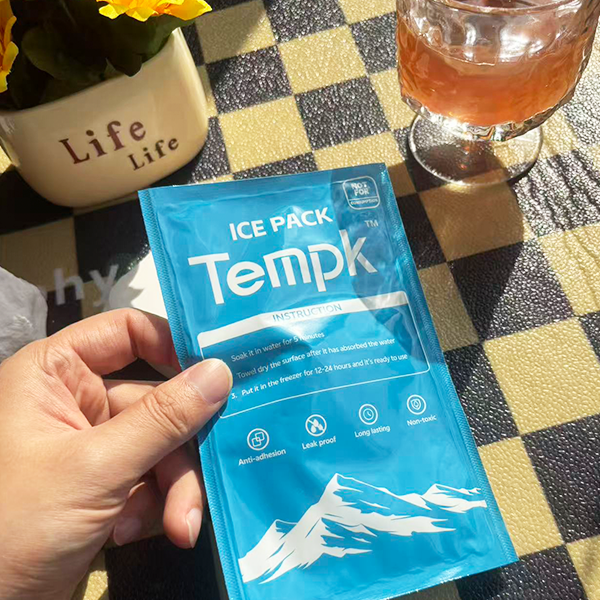
Tempk é o embalagem da cadeia de frio contexto da marca usado neste artigo. As informações públicas sobre Tempk descrevem produtos de embalagem da cadeia de frio, como bolsas de gelo em gel, bolsas de gelo cheias de água, hidratar bolsas de gelo seco, tijolos de gelo congelador, lancheiras isoladas, mochilas isoladas para viagem, Caixas isoladas em EPP, Refrigeradores médicos VPU, forros de caixa isolados, tampas de paletes isoladas, e materiais de embalagem de controle de temperatura relacionados. Para compradores que avaliam caixa isolada com espuma EPS, Tempk pode apoiar discussões sobre formato de caixa, forros, pacotes de gel, tijolos de gelo, capas de paletes e detalhes de embalagem OEM. O ponto de partida prático é compartilhar o tipo de produto, carga útil, condição alvo, restrições de rota e embalagem, para que a recomendação de embalagem possa ser vinculada à remessa, em vez de apresentada como uma resposta única.
Conclusão
Uma caixa isolada com espuma EPS confiável é escolhida por meio de evidências, ajuste e repetibilidade. Defina a condição do produto, mapear a rota, verifique o espaço de carga útil, revise o pacote, verificar os controles do fornecedor e manter a linguagem de conformidade específica para o produto e a via. Se a remessa for sensível, peça documentação e planeje avaliações adicionais antes de dimensionar. Compartilhe sua rota, requisitos de carga útil e temperatura com a Tempk para discutir uma opção prática de embalagem para sua próxima remessa.
Perguntas frequentes
Uma caixa isolada com espuma EPS pode garantir uma faixa fixa de temperatura?
Não. A caixa retarda a transferência de calor, mas o resultado real da temperatura depende do refrigerante, carga útil, condicionamento, rota, exposição ambiental, fechamento e manuseio. Trate qualquer reclamação de intervalo fixo ou tempo de espera como algo que deve ser verificado em relação ao seu produto e rota, não como uma característica universal da caixa vazia.
Que informações devo enviar antes de solicitar um orçamento?
Enviar tipo de produto, condição necessária, tamanho da carga útil, número de unidades por caixa, tempo de trânsito, modo de envio, exposição ambiental esperada, necessidades de etiqueta, necessidades de documentação e quaisquer restrições de sua equipe de qualidade ou segurança. Para comida, frutos do mar, produtos farmacêuticos, amostras de laboratório, e remessas gerais sensíveis à temperatura, inclua o ponto de transferência mais arriscado que você já conhece.
Devo escolher EPS, EPP ou um revestimento isolado?
O material certo depende da rota, manuseio, espaço de armazenamento, plano de reutilização, sensibilidade do produto e requisitos de descarte. EPS é frequentemente usado para isolamento moldado leve, O EPP pode atender às necessidades de manuseio reutilizáveis ou mais fortes, e revestimentos podem reduzir o espaço de armazenamento. A escolha final deverá ser confirmada com as necessidades de embalagem e rota.
Preciso de um registrador de dados de temperatura dentro da caixa?
Um registrador é útil quando você precisa de evidências das condições de envio, mas não protege o produto. Se o monitoramento for necessário, definir a localização do sensor, intervalo de registro, limites de alarme, processo de recuperação e quem analisa as exceções. Coloque o registrador onde ele representa o risco de carga útil, não diretamente contra um pacote de refrigerante.
Como devo comparar dois fornecedores?
Compare o espaço de carga útil, controle de materiais, desenhos de embalagem, consistência da amostra à produção, notificação de alteração, evidências por trás das alegações, resistência da caixa, suporte de rotulagem e qualidade de comunicação. Um preço mais baixo não é um valor melhor se o pacote for mais difícil de embalar, mais fraco na rota ou sem suporte de documentação clara.