Forro de bolha de alumínio Dubai: O Método de Seleção de Quatro Portas
Não existe universal "Classificação de Dubai" frustrar-forro de bolha. Um projeto adequado é aquele que passa por quatro portões: o produto tem limites claros, a exposição da rota é compreendida, o pacote completo é projetado, e a evidência corresponde a operações reais. Pule qualquer portão e um forro pode parecer protetor, deixando o risco principal intocado. O forro de bolha de papel alumínio A necessidade dos compradores de Dubai de uma transferência curta de supermercado pode ser inadequada para um pacote farmacêutico, há o multi-stop, ou uma entrega autônoma. Este método ajuda a embalar, qualidade, logística, e as equipes de compras chegam a uma decisão defensável.
Portão Um: Defina a verdade do produto
A embalagem começa com a condição que o produto deve manter, não é o material que você pretende comprar. Recolher a declaração aprovada de armazenamento e transporte, informações sobre estabilidade ou prazo de validade disponíveis para sua equipe, sensibilidade ao calor e ao frio, preocupações com umidade, fragilidade física, e a consequência de uma excursão. Se a instrução disser apenas "mantenha a calma," resolva a ambiguidade antes de avaliar as amostras.
Para produtos regulamentados, use a etiqueta registrada, procedimentos aprovados, e qualidade ou interpretação regulatória. Não os substitua por uma faixa de temperatura comumente citada. Medicamentos diferentes, Diagnóstico, alimentos, ingredientes, e produtos especiais podem ter limites diferentes. Mesmo produtos que compartilham uma faixa nominal podem ter diferentes tempos de excursão permitidos e necessidades de documentação.
Defina também o limite da carga útil. Registre a menor e a maior carga pretendida, dimensões do pacote primário, massa, condição inicial, arranjo, e volume de caixa utilizável. Uma carga cheia de líquido tem uma resposta térmica diferente de um item pequeno e leve. Uma embalagem quase vazia pode aquecer rapidamente e permitir que o líquido refrigerante se mova; um cheio demais pode comprimir bolhas e impedir um fechamento confiável.
A parte final deste portão é a decisão de falha. Quem tem autoridade para aceitar, quarentena, ou rejeitar uma remessa? Quais informações essa pessoa precisará no recebimento? Se a organização não puder responder, adicionar um registrador ou liner produzirá dados sem uma resposta controlada.
Saída do portão um: um breve requisito do usuário que estabelece os limites do produto, faixa de carga, condições iniciais, Critérios de aceitação, e registros necessários.
Portão Dois: Transforme a rota em um mapa de calor
O clima em Dubai é importante, mas o pacote não atinge uma média em toda a cidade. Ele experimenta uma sequência de lugares e atrasos. Mapeie a rota desde o momento em que o produto e o líquido refrigerante saem do armazenamento controlado até o destinatário colocar as mercadorias no próximo ambiente aprovado.
Divida a pista em segmentos:
armazenamento e preparação de componentes;
embalagem e selagem;
fila de despacho;
movimento através do cais de carga;
movimentação de veículos ou carga aérea;
consolidação e transferências;
acesso ao prédio, segurança, ou processos aduaneiros, quando relevante;
entrega final e recebimento.
Para cada segmento, identificar se é controlado, sombreado, meramente interno, ou exposto; a duração esperada; um atraso credível; e quem é o dono do processo. Inclui aberturas de portas do veículo e sequência de parada. A carga solar direta em uma parcela exposta é diferente da exposição ambiental sombreada e deve ser representada quando for um evento realista.
Evite projetar apenas para o tempo de condução mais longo. Uma rota curta pela cidade pode incluir uma longa espera no lobby, enquanto uma remessa internacional pode permanecer dentro de uma infraestrutura controlada durante grande parte de sua viagem. O tempo de entrega geralmente é mais importante do que a distância.
Um perfil de pista útil contém casos normais e desafiadores. O caso normal representa operações planejadas. O desafio adiciona uma condição sazonal ou de atraso defensável, não é um extremo arbitrário escolhido para fazer o pacote passar ou falhar. Observações reais, processos de transportadora, registros históricos, e estudos de tempo de armazém podem informar isso.
Saída do portão dois: um perfil de tempo e exposição com transferências nomeadas, durações normais e atrasadas, e proprietários operacionais.
Portão Três: Construa o sistema térmico em torno do revestimento
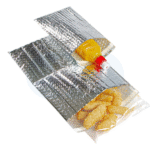
A tarefa do revestimento é resistir ao fluxo de calor. Fá-lo através da sua estrutura de bolha fechada, superfície reflexiva, paredes contínuas, e fechamento, mas o resultado real depende de como esses recursos interagem com a caixa e a carga útil.
O calor atravessa a embalagem através dos sólidos, ar em movimento, e troca radiante. Células fechadas impedem um caminho condutor direto e restringem o movimento do ar. Uma face de baixa emissão pode reduzir a transferência radiante quando faz fronteira com um espaço aéreo adequado. Costuras, áreas esmagadas, abas abertas, e contatos diretos podem contornar esses benefícios. Portanto, o objeto relevante é o invólucro montado, não é um quadrado de material prateado.
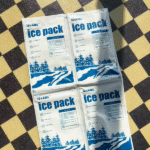
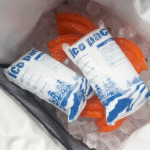
Se o requisito precisar de resfriamento ou aquecimento passivo, adicione um reservatório térmico finito. Pacotes de gel, bolsas de gelo à base de água, ou materiais de mudança de fase podem absorver ou liberar calor, mas o tipo deles, preparação, quantidade, separação, e a colocação devem ser adequadas ao produto. O isolamento retarda a transferência de calor; a carga útil preparada e o refrigerante fornecem a capacidade térmica. Nenhum papel deve ser atribuído ao outro.
Projete o pacote físico nesta ordem:
Escolha uma caixa externa que forneça o manuseio necessário, empilhamento, marcação, e interface de operadora.
Encaixe o liner nas dimensões internas da caixa e confirme o espaço utilizável após dobras e fechamento.
Organize a carga primária para que suas configurações mínima e máxima sejam definidas.
Adicione refrigerante somente onde o produto e a rota exigirem, com condicionamento e barreiras especificadas.
Controle o espaço vazio e o movimento sem criar uma ponte de calor não testada.
Feche o revestimento com uma aba ou selo repetível, em seguida, feche a caixa externa conforme pretendido para envio.
Posicione os monitores de temperatura de acordo com o estudo ou rotina aprovada, e não onde sejam mais fáceis de alcançar.
Os empacotadores devem ser capazes de reproduzir esta sequência durante um turno movimentado. Se o sucesso depende de um funcionário experiente ajustando as dobras por instinto, o sistema não está pronto para escalar.
Saída do portão três: uma lista de materiais, instrução de desenho ou foto, diagramas de carga, preparação de refrigerante, monitorar posições, método de fechamento, e variantes de pacote definidas.
Portão Quatro: Combine a prova com a consequência
As evidências devem aumentar com o risco do produto e a incerteza da rota. Uma amostra visual pode ser suficiente para rejeitar um ajuste inadequado, mas não pode aprovar uma via farmacêutica sensível à temperatura. Por outro lado, nem toda transferência curta exige a mesma carga de qualificação que uma remessa de medicamentos de alto valor. O plano de evidências deve ser proporcional e explícito.
| Zona de decisão | Condições típicas | Evidência mínima sensata | Decisão |
|---|---|---|---|
| Verde: baixa consequência, transferência curta controlada | Carga útil estável, breve exposição, transferência treinada, nenhuma reivindicação estrita de transporte | Verificação de material e dimensão, julgamento de encerramento, comparação embalada representativa | Pilote com limites operacionais e observe o desempenho |
| Âmbar: sensibilidade moderada ou última milha variável | Rota com várias paradas, calor sazonal, atraso do destinatário, refrigerante usado | Testes instrumentados de pacote completo com cargas mínimas e máximas realistas e um caso de atraso | Aprove apenas a configuração testada e monitore a produção inicial |
| Vermelho: limites estritos ou altas consequências | Farmacêutico, diagnóstico, alimentos de alto risco, exposição descontrolada longa ou incerta | Protocolo aprovado pela qualidade, instrumentação calibrada, qualificação documentada vinculada à rota, carga útil, condicionamento, limites, e contingência | Use somente após aprovação formal; considere um controle passivo ou ativo mais forte |
| Fora do escopo de um revestimento simples | O requisito excede o design passivo, a exposição não pode ser controlada, ou a evidência não está disponível | Comparação com isolamento rígido, veículo com temperatura controlada, ou contêiner ativo | Redesenhe o sistema de transporte antes de encomendar revestimentos |
Esta tabela evita dois erros opostos: superengenharia em cada remessa e uso de uma embalagem de baixa evidência para um produto de alta consequência. Também torna a escalada legítima. Decidir que um revestimento não é suficiente é um resultado bem-sucedido do método, não é uma compra falhada.
Para qualificação térmica de parcelas, Padrão ISTA 20 e os perfis ISTA 7E podem fornecer um caminho estruturado para contêineres isolados. O método e o escopo ainda precisam de revisão. Um perfil térmico de pacote não aborda automaticamente um modo de transporte diferente, exposição solar, vibração, compressão, ou todas as pistas de Dubai.
Orientação da OMS para o tempo- e produtos farmacêuticos sensíveis à temperatura também avaliam o recipiente passivo como um sistema completo. Conjunto, materiais auxiliares, refrigerante, condicionamento, volume e massa da carga útil, rota, perfil ambiente, e a colocação do monitor fazem parte da evidência. Este é o modelo correto para qualquer sinistro de alto risco: tornar o resultado rastreável a uma configuração definida.
Saída do portão quatro: um relatório aprovado ou registro piloto, envelope operacional declarado, desvios, proprietário da decisão, e testar novamente os gatilhos.
Audite a reclamação do fornecedor antes de auditar o preço
O nome comercial de um transatlântico não revela o suficiente para comparar cotações. Comece com a identidade material. Pergunte se a camada reflexiva é verdadeira, filme metalizado, ou outro laminado; identificar o polímero de filme-bolha; e obter o número de faces e camadas de células. Solicite dimensões e tolerâncias acabadas, não apenas largura do rolo ou tamanho plano.
Ferramentas úteis de decisão
Verifique os detalhes antes de escolher a embalagem
Essas ferramentas rápidas podem ajudá-lo a comparar o risco da rota, necessidades de dimensionamento, escolhas de refrigerante, e detalhes da embalagem antes de solicitar um orçamento.
Refrigerante & Referência PCM
Compare as opções de refrigerante e PCM quando uma rota precisar de suporte adicional de temperatura.
Comparar opçõesForro de caixa & Dimensionamento da cobertura de paletes
Verifique a lógica de dimensionamento do forro da caixa e da tampa do palete para projetos de embalagens isoladas.
Dimensionamento estimadoSeletor de embalagens
Compare opções de embalagens isoladas por produto, rota, e necessidade de temperatura.
Encontre embalagensEm seguida, examine a conversão. Como as costuras são unidas? Qual a largura das sobreposições? A tampa cobre toda a abertura sem esmagar a carga útil? Os cantos são contínuos? Quais defeitos são examinados durante a produção? Um material sólido pode se tornar um revestimento fraco devido à vedação ou dobramento inconsistente.
Cada afirmação térmica deve chegar com contexto:
método de teste e proprietário do relatório;
amostra exata ou construção de pacote;
dimensões da caixa e do forro;
carga útil ou simulador e sua massa térmica;
temperaturas iniciais;
tipo de refrigerante, quantidade, preparação, e posicionamento;
perfil ambiental e duração;
tipo de sensor, status de calibração, e posições;
critérios de aceitação declarados;
número de repetições e desvios de teste.
Trate um valor R com cuidado. A resistência do sistema reflexivo depende da instalação, incluindo espaços de ar e condições de fluxo de calor. Um resultado desenvolvido para uma cavidade de construção ou um cupom de material não pode ser simplesmente atribuído a um revestimento de transporte dobrado. De forma similar, um gráfico de tempo de espera não é portátil entre cargas úteis e rotas.
A aquisição pode comparar MOQ, prazo de entrega atual, personalização, densidade de embalagem de liners vazios, e preço depois que a linha de base técnica estiver clara. Enquadre capacidades desconhecidas como perguntas. Não inferir capacidade de produção, serviços de teste, ou certificações regulatórias de uma amostra polida.
Finalmente, solicitar notificação de alteração. Um filme reflexivo diferente, geometria da bolha, adesivo, costura, conversor, ou o subfornecedor pode alterar o ajuste, durabilidade, fim da vida, e comportamento térmico enquanto o nome do produto permanece inalterado. O contrato de compra deve identificar alterações que requerem revisão.
Conformidade em Dubai: Mantenha quatro limites separados
Embalagem e transporte de alimentos
Os requisitos alimentares do Dubai abordam embalagens seguras, proteção contra contaminação, condições adequadas de transporte e armazenamento, e monitoramento. Um navio de transporte marítimo normalmente fica fora de embalagens primárias seladas, mas o status de contato pretendido deve ser anotado. Se o contato direto com alimentos for possível, revisar a superfície de contato completa e as evidências de apoio com a equipe de segurança alimentar. A proteção térmica não estabelece a adequação ao contato com alimentos, e um rosto refletivo de aparência limpa não é prova.
Distribuição farmacêutica
O movimento de produtos médicos nos EAU é regido pelos requisitos aplicáveis do Ministério da Saúde e Prevenção, condições do produto, e o sistema de qualidade do expedidor. Um revestimento pode ser um componente de um pacote passivo aprovado. Não é "Compatível com PIB" por conta própria. O pessoal da qualidade deve aprovar o requisito, qualificação, instruções, monitoramento, processo de excursão, e controle de mudança.
Carga aérea
Tempo- e cargas de saúde sensíveis à temperatura podem estar sujeitas à reserva atual da IATA, rotulagem, aceitação, manuseio, e regras de documentação. Confirme o serviço da operadora e as restrições do dispositivo antes do envio. Um pacote com desempenho térmico ainda pode ser inaceitável se o processo de envio ou a documentação estiverem errados.
Produtos descartáveis e resíduos
O Dubai tem restrições faseadas a sacos e artigos de consumo descartáveis específicos e tem um quadro de gestão de resíduos que visa a redução de resíduos, reciclagem, e uso circular de recursos. Estes desenvolvimentos justificam uma cuidadosa revisão das embalagens, não é uma conclusão geral. Determinar se o revestimento específico e o uso se enquadram nas regras atuais, manter uma declaração material, e verificar a rota de resíduos da operação receptora.
A reciclabilidade depende de todo o laminado e da aceitação local. A reutilização depende do uso repetido e seguro. Se a reutilização for proposta, definir coleção, limpeza, secagem, inspeção, rastreabilidade, armazenar, e aposentadoria. Um forro retornou com furos, delaminação, contaminação, células esmagadas, ou uma identidade ilegível pode precisar sair do programa.
Passe da amostra para a escala sem perder o design
A transição de uma amostra feita à mão para a produção diária é onde muitas embalagens derivam. Use uma sequência controlada.
Primeiro, congelar a referência. Aprovar uma revisão de liner, caixa externa, componentes, desenho, e instrução. Guarde uma amostra de referência, se apropriado.
Segundo, desafiar o fluxo de trabalho. Faça com que mais de um operador treinado construa o mínimo- e disposições de carga máxima. Observe o tempo, erros, tensão nas costuras, movimento do refrigerante, e fechamento.
Terceiro, executar o plano de evidências. Teste perfis normais e atrasados com posicionamento justificado do sensor. Para qualificação formal, usar o protocolo e a documentação exigida pelo sistema de qualidade.
Quarto, definir inspeção de recebimento. Verifique as dimensões críticas, fechamento de costura, integridade da bolha, delaminação, perfurações, limpeza, odor, danos na superfície reflexiva, e identificação do lote. Estabelecer regras de amostragem e escalonamento apropriadas ao risco.
Quinto, expedição e recebimento de trens. A equipe de despacho controla a preparação dos componentes, embalagem, encenação, e transferência. A equipe receptora controla a inspeção imediata, manipulação de dados, quarentena, e transferir para armazenamento. Ambos os lados precisam da mesma definição de remessa conforme.
Sexto, monitorar a produção inicial. Compare o tempo real da embalagem, defeitos, registros de temperatura onde usados, desvios de entrega, retorna, e reclamações com as suposições do piloto. Corrija o processo antes que o volume oculte o padrão.
Sétimo, governar mudanças. Revise os novos tamanhos de caixas, cargas úteis, fontes de refrigerante, rotas, transportadoras, temporadas, materiais de revestimento, e locais de embalagem. Uma mudança que pareça comercial pode alterar o desempenho térmico.
Planeje desvios antes do primeiro envio
Nenhum pacote impede o tráfego, falhas de equipamento, atrasos alfandegários, ou erros do destinatário. Um sistema resiliente define o que acontece a seguir.
Dê à equipe de expedição um tempo máximo de preparação e uma ação clara caso esse tempo seja excedido. Eles podem precisar devolver o produto ou refrigerante para armazenamento controlado, reconstruir o pacote, ou encaminhe para um supervisor. Não acerte o relógio informalmente.
Motoristas e entregadores precisam de instruções em caso de falha do veículo, atraso prolongado, e entrega sem sucesso. A ação correta depende do produto e da embalagem; pode ser um retorno, transferência para armazenamento controlado, ou entre em contato com uma pessoa responsável. Uma adição improvisada de gelo pode criar risco de frio e invalidar a configuração.
Os receptores devem inspecionar os selos, condição do forro e da caixa, hora de chegada, status do produto ou indicador, e dados do registrador quando necessário. Definir os gatilhos da quarentena e quem avalia as excursões. "A caixa estava fria" não é um método de aceitação para um produto com limites documentados.
Para componentes reutilizáveis, tratamento de desvio inclui condição. Um revestimento que retorne úmido deve ser isolado até que seja limpo e totalmente seco de acordo com o processo aprovado. Uma costura reparada não deve entrar novamente em uma aplicação qualificada, a menos que o reparo faça parte do sistema aprovado.
Perguntas frequentes
Como posso saber se um forro de bolha é suficiente para minha rota?
Passe a remessa pelos quatro portões. Confirme os limites e a carga do produto, mapear cada segmento controlado e não controlado, definir o pacote completo de caixa-forro-refrigerante, e obter provas sob um perfil representativo. Se o requisito for rigoroso, a exposição é altamente variável, ou a evidência é fraca, mudar para um sistema passivo mais forte, veículo controlado, ou solução ativa.
Devo escolher uma construção de bolha única ou de bolha dupla?
Não decida apenas pelo rótulo. Confirme a pilha de camadas real, espessura acabada e tolerâncias, dimensões utilizáveis, desenho de costura, compressão, peso, cubo de armazenamento, e desempenho de pacote completo. Uma opção multicamadas pode adicionar resistência, mas também reduzir o espaço de carga ou afetar a dobragem. Teste os candidatos na mesma caixa, carga útil, encerramento, e exposição.
Para onde deve apontar a face reflexiva?
Use a orientação na montagem testada ou nas instruções do fornecedor. O desempenho radiante depende da superfície reflexiva voltada para um espaço apropriado e da geometria geral. Se a face estiver comprimida contra outro material, seu papel muda. Uma instrução não verificada para "coloque o lado brilhante para fora" não substitui a evidência do pacote.
Posso adicionar mais pacotes de gel quando o clima em Dubai ficar mais quente??
Somente através de revisão controlada. Mais embalagens ou mais frias podem criar congelamento local, condensação, volume de carga útil reduzido, e um padrão de fluxo de ar diferente. Tipo de refrigerante, condicionamento, quantidade, separadores, e colocação fazem parte do pacote. Use uma configuração sazonal testada ou requalifique a mudança conforme exigido pelo risco do produto.
O que devo perguntar sobre desempenho ambiental?
Solicite a composição completa do material, massa de embalagem, modelo de uso esperado, plano de devolução se for reutilizável, critérios de limpeza e rejeição, e confirmação da rota de recuperação local pretendida. Compare também a perda de produto e o volume de transporte. Evite tratar um "reciclável" ou "reutilizável" rótulo como resultado do ciclo de vida sem evidência operacional.
Conclusão: Um forro só é adequado quando as quatro portas concordam
A decisão de seleção mais forte conecta a verdade do produto, exposição da rota, design de embalagem, e prova. Um forro de bolha pode ser um componente térmico eficiente, especialmente quando se ajusta bem à caixa e fecha sem lacunas. O líquido refrigerante e a carga útil fornecem capacidade térmica finita; monitoramento fornece evidências; operações preservam a configuração testada. Calor em Dubai, transferências diversas, e as crescentes expectativas de circularidade tornam essas distinções importantes. Compre somente depois que todos os quatro portões apontarem para a mesma resposta operacional.
Sobre Tempk
Tempk é a embalagem com temperatura controlada marca da Shanghai Tempk Industrial Co., Ltda. Suas categorias de produtos B2B incluem forros isolados, sacos e caixas, bolsas de gelo em gel ou água, e materiais de mudança de fase para produtos farmacêuticos, comida, e compradores da cadeia de frio. Essas categorias podem ser consideradas separadamente ou como componentes de um pacote passivo, dependendo da necessidade de envio. Uma solicitação à Tempk deve indicar o produto, rota, carga útil, caixa, e condições de manuseio para que os componentes propostos possam ser avaliados dentro do próprio processo de testes e aprovação do comprador.
CTA: Envie à Tempk seus limites de produtos breves de quatro portas, carga útil, Perfil da rota de Dubai, e evidências necessárias - para iniciar uma comparação focada de componentes de embalagem adequados.