Forro de bolha de alumínio para ensaios clínicos: Como os compradores devem especificá-lo
Um forro de bolha para ensaios clínicos deve ser selecionado como um componente de embalagem com limites definidos, não como uma promessa impressa na página de um produto. Na logística de ensaios clínicos, o comprador precisa saber onde o forro ajuda, onde não é suficiente, e o que o fornecedor deve documentar antes do pedido em massa. O objetivo é um liner que se ajuste tanto à operação quanto à caixa.
Forro, refrigerante, Carton, e rota devem ser tratadas em conjunto
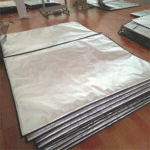
Um forro de bolha de alumínio é uma camada de isolamento passiva. Pode retardar o ganho ou perda de calor, refletir o calor radiante da parede da caixa, adicione uma pequena quantidade de amortecimento, e ajudar a criar uma superfície interna da embalagem mais limpa. Não é uma geladeira, não é um dispositivo ativo de controle de temperatura, e não elimina a necessidade do refrigerante certo. Para logística de ensaios clínicos, esse limite é especialmente importante porque a remessa pode passar por vários pontos de entrega antes que o destinatário abra a caixa.
Pense no revestimento como parte de uma pequena pilha térmica. A caixa externa corrugada dá forma e resistência ao manuseio. O forro adiciona uma camada reflexiva e de espaço aéreo. Pacotes de gel, tijolos de gelo, Pacotes PCM, ou gelo seco fornecem energia fria quando apropriado. A embalagem do produto controla vazamentos, higiene, e contato direto. A rota então adiciona o estresse real: disputas de excursão de temperatura, documentação de pista incompleta, variabilidade de manuseio do site, atrasos no envio de pacientes, erros de posicionamento do registrador de dados, e assumindo que um forro é um expedidor qualificado. Se alguma dessas partes estiver fraca, o revestimento pode ser responsabilizado mesmo quando o problema era, na verdade, o tamanho da caixa, massa de refrigerante, ou mau manuseio.
É por isso que a primeira pergunta do comprador deve ser sobre a carga útil e a rota, não apenas a espessura do revestimento. Uma remessa contendo medicamentos experimentais, kits de laboratório, amostras de diagnóstico, suprimentos auxiliares, e materiais de teste que podem ser sensíveis à temperatura precisam de uma análise de risco diferente de uma parcela ambiental genérica. Você deve definir a condição necessária do produto na entrega, o tempo de manuseio esperado, o processo de recebimento, e os critérios de rejeição antes de comparar amostras de revestimento. Uma especificação limpa torna as conversas com fornecedores mais rápidas e reduz a chance de uma opção de baixo custo ser aprovada pelo motivo errado.
Mapeie a rota antes de decidir que o transatlântico é suficiente
O mapeamento de rotas é um exercício simples que muitas equipes ignoram. Anote onde a caixa embalada ficará antes da coleta, como é carregado, se ele entra em um centro de encomendas, quanto tempo pode esperar em um veículo, se um passageiro ou mensageiro abre uma sacola de entrega maior, e como o destinatário inspeciona o pacote. Para logística de ensaios clínicos, este mapa de rotas muitas vezes revela um risco que as especificações do revestimento por si só não podem resolver.
Assim que o mapa estiver visível, combinar cada risco com um controle. Disputas de excursão de temperatura, documentação de pista incompleta, variabilidade de manuseio do site, atrasos no envio de pacientes, erros de posicionamento do registrador de dados, e presumindo que um transatlântico seja um expedidor qualificado pode exigir mais refrigerante, uma caixa diferente, um fechamento mais forte, uma etiqueta de advertência, uma janela de envio mais curta, ou um registrador de dados. O forro de bolha de alumínio pode apoiar esses controles, reduzindo a transferência de calor e melhorando a superfície interna da embalagem, mas não pode compensar todas as lacunas operacionais.
O mapa de rotas também ajuda no agrupamento de SKU. Produtos como medicamentos experimentais, kits de laboratório, amostras de diagnóstico, suprimentos auxiliares, e materiais de teste que podem ser sensíveis à temperatura podem não compartilhar a mesma sensibilidade ou tolerância de manuseio. Se um único pacote for usado para todos os SKUs, o item de maior risco deve conduzir o teste. Se a distribuição de SKU for muito ampla, pode ser melhor definir dois pacotes em vez de forçar um design de revestimento para cobrir tudo.
Estrutura material: o que os compradores devem traduzir em operações
Um forro de bolha de alumínio combina uma superfície reflexiva com amortecimento de bolhas. A camada revestida de papel alumínio ajuda a reduzir a transferência de calor radiante, enquanto os espaços de ar presos na camada de bolha retardam a condução através do revestimento. Para logística de ensaios clínicos, isso é útil quando o pacote enfrenta curtos períodos de exposição ao calor, encenação quente, ou ambientes de manuseio misto. O design ainda depende do fechamento correto e de meios frios suficientes.
Um erro comum é avaliar apenas brilho e espessura. A verdadeira questão é se o revestimento envolve a carga sem lacunas, se os cantos estão protegidos, se o selo ou aba permanece fechado, e se a umidade afeta as camadas. Em programas baseados em embalagens cartonadas, o material mais elegante pode ter um desempenho inferior se o padrão deixar cantos abertos ou se a equipe apressar o processo de inserção.
Para cada estrutura material, pergunte o que permanecerá igual entre a amostra e a produção. Mudanças no filme, altura da bolha, densidade de espuma, adesivo, revestimento, laminação, vedação de borda, ou padrão de dobramento pode alterar a maneira como o revestimento se comporta. Na logística de ensaios clínicos, uma pequena alteração pode não ser visível para o empacotador, mas pode aparecer mais tarde como condensação, produto triturado, receitas mais quentes, ou reclamações de clientes.
Uso consciente da conformidade sem exigir demais do liner
A logística dos ensaios clínicos deve tratar o liner como um componente da embalagem, não como evidência de controle de temperatura por si só. Produtos investigacionais, kits de laboratório, e materiais de diagnóstico podem ter instruções de armazenamento específicas do produto. Muitas remessas refrigeradas de cuidados de saúde são planejadas em torno de gamas refrigeradas bem conhecidas, mas o requisito correto deve vir do protocolo, rótulo, dados de estabilidade, ou acordo de qualidade. Um forro pode ajudar a reduzir a exposição, mas o pacote, refrigerante, registrador, e documentação carregam o fardo maior.
Para remessas aéreas ou programas transfronteiriços, as equipes podem precisar considerar as práticas de carga sensíveis à temperatura da IATA, Distribuição consciente do PIB, tratamento aduaneiro, e instruções de recebimento em nível de site. O artigo evita reivindicações de conformidade universal porque os requisitos de fornecimento clínico variam de acordo com o produto, rota, mercado, e procedimentos do patrocinador. Os compradores devem verificar o protocolo de embalagem, posicionamento do registrador, processo de revisão de excursão, e qual documentação o local ou depósito deve reter.
Uma regra interna útil é simples: mais sensível a carga útil e mais incerta a rota, mais documentação você precisa. Referências de armazenamento de vacinas do CDC, Orientação do PIB da UE, AQUI ESTÁ TCR, Padrões térmicos ISTA, Tempk embalagem da cadeia de frio escopo pode guiar a conversa, mas os compradores ainda devem perguntar a sua própria qualidade, regulatório, ou equipe de segurança alimentar antes de aprovar uma embalagem de produção. O liner não deve ser usado para produtos experimentais regulamentados sem embalagem qualificada, remessas com faixas refrigeradas definidas, mas sem plano de refrigeração, e qualquer rota onde seja necessário controle ativo ou PCM validado, a menos que todo o sistema de transporte tenha sido revisado para esse risco.
Uma tabela de verificação prática para compradores
Use esta tabela antes da aprovação da amostra. Mantém a discussão focada nos requisitos de envio em vez da linguagem do folheto.
| Área de especificação | Questão de decisão | Resposta do fornecedor que ajuda |
|---|---|---|
| Requisito de temperatura | Que condições o produto deve manter no recebimento? | Uma solicitação para definir o intervalo, duração, e critérios de aceitação antes de citar. |
| Geometria da caixa | O forro fechará sem lacunas nos cantos ou perda de espaço de carga útil? | Um desenho, dieline, ou amostra acabada combinada com a caixa. |
| Plano de mídia fria | Onde vão os pacotes de gel, PCM, tijolos de gelo, ou sentar com gelo seco? | Um esboço da embalagem e um aviso sobre riscos de contato direto, se relevante. |
| Evidência de teste | O desempenho é baseado na sua rota ou em uma afirmação genérica? | Perfil de teste, carga útil, condições ambientais, e critérios de aprovação/reprovação. |
| Controle de produção | A amostra aprovada pode ser repetida em escala? | Especificação de materiais, método de inspeção, e notificação de alteração. |
O objetivo da tabela é tornar as suposições visíveis. Uma vez que as suposições são escritas, o comprador pode decidir o que precisa de uma folha de dados do fornecedor, o que precisa de uma remessa experimental, e o que precisa da aprovação da equipe de qualidade. Essa disciplina é especialmente útil quando a pressão dos preços empurra as equipes para um navio mais leve ou mais barato antes que o risco da rota seja compreendido..
Perguntas dos fornecedores que realmente mudam o resultado
Uma forte conversa com o fornecedor para o forro de bolha de alumínio é específica. Em vez de perguntar se o revestimento é bom para a logística de ensaios clínicos, pergunte quais tamanhos de caixa são suportados, quais camadas de material são usadas, quais tolerâncias são controladas, como as bordas são seladas, como os revestimentos são embalados para envio, e o que acontece se o material aprovado for alterado. Isso transforma a discussão da linguagem de vendas em controle de produção.
Para pedidos em grandes quantidades, product storage range, política de excursões, calibração do registrador, site instructions, desenhos de embalagem, qualificação sazonal, and change control should be visible before the purchase order is finalized. Se você precisar de impressão personalizada, pergunte se as alterações de tinta ou laminação afetam o prazo de entrega, Reciclabalidade, revisão de contato com alimentos, ou disponibilidade de materiais. Se você precisar de vários tamanhos, pergunte se cada tamanho usará um desenho e uma amostra separados. Se você estiver importando, pergunte como os rótulos, caixas, embalagem de compressão, e a paletização afetam o recebimento em seu armazém.
Ferramentas úteis de decisão
Verifique os detalhes antes de escolher a embalagem
Essas ferramentas rápidas podem ajudá-lo a comparar o risco da rota, necessidades de dimensionamento, escolhas de refrigerante, e detalhes da embalagem antes de solicitar um orçamento.
Seletor de embalagens
Compare opções de embalagens isoladas por produto, rota, e necessidade de temperatura.
Encontre embalagensVerificador de risco de rota
Revise as condições da pista antes de selecionar a embalagem para requisitos operacionais reais.
Verifique o risco da rotaRefrigerante & Referência PCM
Compare as opções de refrigerante e PCM quando uma rota precisar de suporte adicional de temperatura.
Comparar opçõesO fornecedor também deve estar confortável em discutir limites. Um fornecedor que afirma que cada transatlântico é adequado para cada rota está criando riscos para ambos os lados. Melhores respostas parecem mais condicionais: este revestimento pode servir em rotas curtas com o refrigerante certo; este projeto precisa de um teste para pistas mais longas; este produto requer uma estrutura de isolamento diferente; esta reivindicação precisa de documentação. As respostas condicionais são muitas vezes mais confiáveis do que afirmações confiantes sem contexto.
Receber cheques transforma embalagens em provas
A inspeção de recebimento deve ser projetada antes que a primeira remessa de produção saia do armazém. Para logística de ensaios clínicos, o receptor pode verificar a condição do produto, danos na caixa, estado da bolsa de gelo, vazamento visível, posição do revestimento, integridade do selo, ou registros de temperatura se o monitoramento for usado. Sem um padrão de recebimento, as reivindicações tornam-se subjetivas e difíceis de investigar.
O forro de bolha de alumínio pode oferecer uma experiência de recepção mais limpa quando bem dimensionado e usado de forma consistente. Um forro que muda, lágrimas, retém líquido no lugar errado, ou torna a caixa difícil de abrir pode gerar reclamações mesmo quando o produto em si é aceitável. Os compradores devem considerar a pessoa que abre o pacote, não só a pessoa que embala.
Se ocorrerem reclamações, revise toda a cadeia antes de culpar um componente. Verifique se o produto foi pré-condicionado corretamente, se a mídia fria foi congelada ou condicionada conforme planejado, se o forro combinava com a caixa, se a rota mudou, se a caixa estava atrasada, e se o receptor seguiu as instruções. Esta abordagem da causa raiz evita repetidas mudanças materiais que nunca resolvem o problema real.
Exemplo prático: transformando uma amostra em um pacote utilizável
Imagine a clinical supply team needs to move trial kits from a depot to several sites during a period of uncertain weather. The team is considering a foil bubble liner because it fits inside an existing carton and stores flat at the depot. Antes da aprovação, the team maps the site instructions, confirms the product storage range from trial documentation, chooses the coolant plan, places a logger where it can reflect payload conditions, and defines what the receiver must do if the logger shows an excursion.
In that scenario, the liner may help reduce thermal stress, but the decision is really about the documented packout. Se a rota mudar, a carga útil muda, or the storage requirement becomes stricter, the liner design should be reviewed again rather than carried over automatically.
Para logística de ensaios clínicos, o resultado útil não é uma aprovação ou reprovação genérica. É um método de embalagem escrito que o armazém pode repetir. O método deve incluir como o revestimento é inserido, onde fica a carga útil, como a mídia fria é organizada, como a caixa é fechada, e o que o receptor deve inspecionar. Uma vez definido o processo, o comprador pode comparar as opções do fornecedor com base na consistência, em vez de apenas na aparência da superfície.
Perguntas frequentes
Is a foil bubble liner enough for clinical trial logistics by itself?
Não. Um forro de bolha de alumínio é um componente de isolamento passivo. Pode retardar a transferência de calor e melhorar a embalagem em papelão, mas ainda precisa da caixa certa, arranjo de carga útil, mídia fria, processo de manuseio, e recebimento de cheques. Para rotas de maior risco, os compradores devem testar a embalagem completa em vez de confiar na aparência do forro.
O que devo confirmar antes de encomendar amostras?
Confirme as dimensões da caixa, tipo de carga útil, condição necessária do produto, duração da rota, plano de mídia fria, risco de umidade ou vazamento, e necessidades de documentação. Peça ao fornecedor uma amostra final que corresponda ao material de produção pretendido e ao método de vedação. Para logística de ensaios clínicos, é melhor testar uma embalagem realista do que um forro vazio e limpo.
Quando devo considerar um sistema mais pesado em vez de um liner?
Considere um remetente com isolamento mais forte, caixa rígida, pacote qualificado, ou controle ativo quando a rota é longa, a exposição ambiental é incerta, o produto é regulamentado, or the shipment involves regulated investigational products without qualified packaging, remessas com faixas refrigeradas definidas, mas sem plano de refrigeração, and any route where active control or validated PCM is required. Um forro pode ser útil, mas não deve ser esticado além do seu papel testado.
Como posso comparar fornecedores de forma justa?
Dê a cada fornecedor o mesmo perfil de remessa, tamanho da caixa, suposições de carga útil, plano de mídia fria, e solicitação de documentação. Compare não apenas o preço unitário, mas também as dimensões acabadas, consistência da amostra, controle de materiais, método de embalagem, capacidade de suportar trabalho personalizado, e disposição para estabelecer limites de produto.
Conclusão: especifique o revestimento como um componente controlado
A foil bubble liner can be a useful choice for clinical trial logistics, mas deve ser selecionado como parte de um pacote completo de cadeia de frio. O comprador deve definir os requisitos do produto, risco de rota, geometria da caixa, plano de refrigeração, e receber evidências antes de aprovar amostras.
As verificações práticas mais importantes são o buffer térmico, qualified packout design, documentação, uso do registrador de dados, site instructions, and evidence at receipt. Se essas verificações forem tratadas antecipadamente, o revestimento pode suportar um processo de embalagem mais limpo, melhor controle do armazém, e menos disputas no recebimento. Se eles forem ignorados, até mesmo um bom forro pode ser usado na pista errada ou montado de maneira errada.
A abordagem de aquisição mais segura é fazer perguntas condicionais e exigir respostas claras. O que está comprovado? O que depende da sua rota? O que deve ser testado? Quais mudanças exigem aprovação? Essas perguntas mantêm o pacote final honesto.
Sobre Tempk
Tempk provides cold-chain packaging options for food, farmacêutico, e outras remessas sensíveis à temperatura. Sua linha de produtos publicada inclui forros de caixa isolados, bolsas térmicas, bolsas de gelo em gel, EPP e caixas de transporte frio, tampas de paletes isoladas, e materiais de embalagem de cadeia de frio relacionados. Para projetos de revestimento, A Tempk pode ajudar os compradores a comparar designs de revestimentos baseados em caixas com meios de resfriamento, requisitos de carga útil, e rotear o risco antes de passar das amostras para a aquisição em massa. Para logística de ensaios clínicos, a função prática é ajudar a alinhar o design do revestimento com o ajuste da caixa, mídia fria, e os limites operacionais do comprador em vez de tratar o liner como uma solução universal.
For a foil bubble liner for clinical trials project, envie para Tempk sua rota, Carton, carga útil, e a condição necessária do produto para receber uma recomendação mais específica.
Contagem de palavras corporais: 2391 palavras