Citações de forro de bolha de papel alumínio: Especifique antes de comprar
Compra forro de bolha de papel alumínio as cotações não devem começar com o item de linha cotado mais barato. O melhor ponto de partida é a remessa que você precisa proteger, a caixa que você já usa, a condição do produto na embalagem, e as evidências que sua equipe precisa após a entrega. Este guia final traz ao comprador, material, e operações juntas para que você possa especificar um revestimento de bolha de alumínio com menos suposições e conversas mais limpas com os fornecedores.
Resposta prática
Trate as cotações do forro de bolha como um componente em uma embalagem passiva. Especifique por rota, carga, Carton, refrigerante, manuseio, e necessidades de documentação. Em seguida, compare os fornecedores quanto à consistência entre amostra e produção, tolerância dimensional, qualidade de fechamento, velocidade de embalagem, e evidências que apoiam seu desempenho declarado.
Defina o pacote antes de pedir um preço
Antes de comparar fornecedores para cotações de forro de bolha de alumínio, escreva um resumo do pacote de uma página. Deve nomear o produto, condição da carga na embalagem, condição de temperatura necessária, rota esperada, tamanho da caixa, tipo de refrigerante, número de pontos de manuseio, necessidades de rotulagem, e método de inspeção de recebimento. Este resumo mantém a conversa prática. Sem isso, os fornecedores podem cotar diferentes construções sob o mesmo nome de produto e o comprador pode comparar preços que não descrevem a mesma solução.
O briefing também deve distinguir entre uma amostra de revestimento e um sistema de transporte. Uma amostra pode mostrar a qualidade do material, padrão de dobra, resistência da costura, e facilidade de embalagem. Não pode provar o desempenho para todas as pistas. Se o seu produto é de alto valor, confidencial, regulamentado, ou exposto a longas rotas, pergunte quais evidências térmicas estão disponíveis e se testes adicionais são necessários de acordo com seu perfil ambiental real, carga útil, configuração de refrigerante, e critérios de aceitação.
Um scorecard do comprador para comparar ofertas
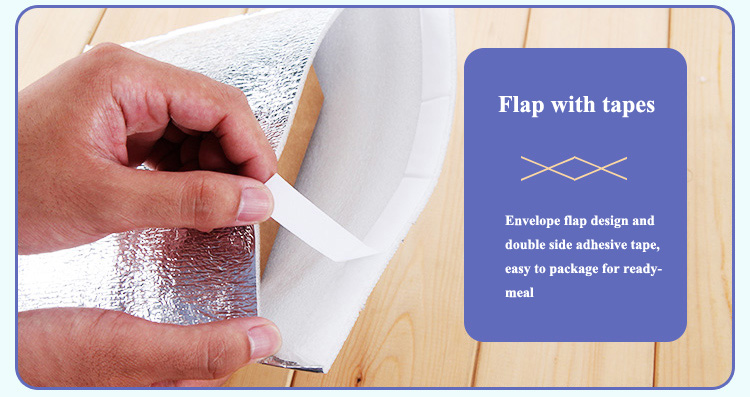
A mesma frase, citações de forro de bolha de papel alumínio, pode descrever várias construções. Um fornecedor pode cotar um encarte fino tipo mailer, outro pode citar um dobrável mais grosso forro de papelão, e um terceiro pode incluir um layout de painel personalizado. Se a RFQ disser apenas a palavra-chave e o tamanho da caixa, as cotações podem parecer comparáveis enquanto os produtos reais não são. Os compradores devem pedir aos fornecedores que definam a pilha de camadas, dimensões acabadas, tolerância de espessura, se relevante, método de fechamento, orientação de embalagem, superfície interna, superfície externa, e quantidade de embalagem por caixa de exportação.
O custo também depende de como o transatlântico embarca. Revestimentos volumosos consomem espaço de armazenamento e contêiner. Os revestimentos planos podem reduzir o custo do frete, mas precisam de mais manuseio no armazém. Formatos compactados a vácuo ou compactados podem reduzir o volume de entrada, mas o comprador deve verificar se o forro abre de forma limpa, recupera a forma pretendida, e permanece fácil de usar pelos empacotadores. Um preço de fábrica baixo pode perder a sua vantagem se os produtos entregues aumentarem o tempo de trabalho ou as taxas de rejeição durante a embalagem.
O MOQ e as reduções de preços devem ser discutidos como ferramentas de planejamento e não como táticas de pressão. Uma quantidade maior pode reduzir o custo unitário, mas também pode aumentar o risco de estoque se o comprador não tiver finalizado as dimensões da caixa, obra de arte, rotulagem local, ou o método de empacotamento. Para um novo programa, geralmente é mais seguro aprovar uma amostra de trabalho, teste o fluxo de embalagem, e depois dimensionar com desenhos acordados e expectativas de controle de mudanças.
Um bom pacote de cotação responde a questões práticas. Quantos forros são embalados por caixa? As caixas de exportação são dimensionadas para eficiência de paletes?? As unidades de produção corresponderão ao material da amostra e ao estilo de costura? Como as dimensões personalizadas serão controladas? O que acontece se a embalagem externa for alterada após a aprovação? Essas questões não retardam a aquisição; eles evitam que uma cotação barata se torne um problema de produção caro.
Combine o revestimento com a sensibilidade do produto e a realidade de manuseio
O produto do comprador determina quanta proteção o revestimento deve suportar. Alimentos sensíveis à temperatura, mercado, assistência médica, e remessas de encomendas podem exigir refrigeração, congelado, ou simplesmente manuseio com temperatura moderada dependendo da formulação, embalagem, e rota. O liner não deve ser especificado como uma resposta universal. Em vez de, o comprador deve definir qual condição deve ser mantida, o que acontece se o produto aquecer, e como a equipe de recebimento decidirá se a remessa é aceitável.
Lidar com a realidade é tão importante quanto o produto. Um armazém com empacotadores treinados, refrigerante pré-condicionado, e a preparação controlada pode usar uma embalagem mais precisa do que uma rede de distribuição distribuída com mudanças na mão de obra e nos tamanhos das caixas. Se a operação ainda estiver em desenvolvimento, um forro mais simples com fechamento visível e ajuste confortável pode reduzir erros. Uma construção tecnicamente mais forte nem sempre é a melhor escolha operacional se for difícil embalar de forma consistente.
Tabela de Decisão
| Ponto de comparação | Oferta fraca | Oferta mais forte |
|---|---|---|
| Definição de ajuste | Lista apenas o tamanho da caixa externa. | Fornece desenho de forro, dimensões acabadas, e confirmação da amostra. |
| Linguagem de desempenho | Usa reivindicações amplas sem condições. | Explica o contexto do teste ou solicita validação específica da rota. |
| Fornecimento em massa | Citações de preço baixo, mas premissas vagas de embalagem e prazo de entrega. | Define a quantidade de embalagem, cubo de papelão, controle de mudanças, e processo de reordenamento. |
| Reivindicação de sustentabilidade | Diz reciclável sem contexto local. | Identifica os materiais e pede ao comprador que verifique o caminho de descarte local. |
| Suporte a aplicativos | Trata todas as cargas da cadeia de frio da mesma forma. | Separa mercearia, carne, kit refeição, exportar, e requisitos de saúde. |
Use este scorecard antes de aprovar um fornecedor. Não exige que todos os programas executem testes formais de laboratório, mas exige que o fornecedor e o comprador definam o mesmo produto, o mesmo processo, e as mesmas reivindicações.
Verificação antes de escalar da amostra para a produção
A declaração do fornecedor sobre desempenho térmico deve sempre ser lida com as condições anexadas. As questões relevantes são simples: que caixa foi usada, que carga útil estava dentro, qual refrigerante ou refrigerante foi incluído, como o forro foi fechado, qual perfil de ambiente foi aplicado, e quais critérios de aceitação foram usados. Se essas condições não corresponderem à sua remessa, o número ainda pode ser útil como referência, mas não deve ser tratado como prova do seu percurso.
Padrões térmicos ISTA, incluindo Padrão 7E, pode ser usado como referência para avaliação térmica embalagem de transporte em sistemas de entrega de encomendas. Isso não elimina a necessidade de revisão específica da pista quando o produto é sensível, a rota é incomum, ou o comprador deve documentar as decisões para uma equipe de qualidade. O teste deve apoiar o julgamento; não deveria se tornar um slogan na especificação.
As remessas de alimentos criam um conjunto separado de questões de manuseio. Os EUA. Estrutura de transporte sanitário da FDA, por exemplo, enfatiza a prevenção de práticas que criam riscos à segurança alimentar, incluindo falha na refrigeração adequada dos alimentos ou limpeza inadequada entre as cargas. Um forro pode apoiar a proteção da embalagem, mas não substitui veículos com temperatura controlada, procedimentos higiênicos, ou revisão de segurança alimentar específica do produto, quando necessário.
Remessas de cuidados de saúde sensíveis à temperatura podem exigir disciplina adicional em relação à documentação da embalagem, rotulagem, e regras da operadora. Os materiais de controle de temperatura da IATA para cargas de saúde destacam a necessidade de revisar os requisitos de embalagem e a documentação antes do envio. Um general forro isolado não deve ser descrito como compatível para o transporte de produtos farmacêuticos, a menos que todo o sistema, exigência do produto, rota da transportadora, e suporte de revisão de qualidade que afirmam.
Aprovação de amostras e controle de alterações
A aprovação da amostra deve registrar a construção exata que passou na revisão. Guarde a amostra aprovada, desenho, descrição do material, foto embalada, e suposições de produção juntas. Se o fornecedor mudar de filme, estrutura de bolha, método de compressão, estilo de costura, layout do painel, ou quantidade de embalagem, o comprador deve ter um processo para revisão. Isso não é burocracia; protege a embalagem de alterações invisíveis que podem aparecer posteriormente como atrasos na embalagem ou desvios térmicos.
Ferramentas úteis de decisão
Verifique os detalhes antes de escolher a embalagem
Essas ferramentas rápidas podem ajudá-lo a comparar o risco da rota, necessidades de dimensionamento, escolhas de refrigerante, e detalhes da embalagem antes de solicitar um orçamento.
Calculadora de bolsa de gelo
Estime a quantidade de bolsas de gelo em gel para remessas refrigeradas e planejamento prático de rotas.
Estimar bolsas de geloSeletor de embalagens
Compare opções de embalagens isoladas por produto, rota, e necessidade de temperatura.
Encontre embalagensVerificador de risco de rota
Revise as condições da pista antes de selecionar a embalagem para requisitos operacionais reais.
Verifique o risco da rotaPara pedidos repetidos, incorporar linguagem de controle de alterações nos termos de compra. Peça ao fornecedor para notificá-lo antes de alterar o material, método de produção, cor, imprimir, encerramento, padrão dobrável, caixa de embalagem, ou exportar configuração de embalagem. Quando um liner foi testado ou treinado em um fluxo de trabalho de armazém, consistência faz parte do produto. Um revestimento ligeiramente diferente ainda pode ser aceitável, mas deve ser revisado antes de aparecer na linha de embalagem.
Equilibrando a proteção com os requisitos de fim de vida
Embalagem da cadeia de frio está sob pressão crescente para reduzir o desperdício, melhorar a transparência dos materiais, e evitar alegações ambientais vagas. Para forros, o ponto difícil é que o desempenho térmico geralmente depende de materiais em camadas. Um forro pode ser leve e prático, mas ainda exigem uma comunicação cuidadosa no final da vida. Os compradores devem evitar dizer que um forro é reciclável, a menos que os materiais, método de separação, e o caminho de coleta local apoiam essa afirmação.
As regras de embalagem da UE estão a evoluir no sentido de expectativas de reciclabilidade mais fortes, e as metas de embalagens da Austrália também incentivam embalagens reutilizáveis, reciclável, ou embalagens compostáveis. Estas orientações políticas não tornam automaticamente um transatlântico específico aceitável em todos os mercados. Eles fazem, no entanto, mude as perguntas do comprador. Pergunte se o forro pode ser separado, se os materiais são identificáveis, se as instruções são claras, e se um contêiner reutilizável ou um programa de retorno seria melhor para rotas repetidas.
A discussão ambiental não deve comprometer a proteção dos produtos. Um carregamento de carne danificado, kit refeição estragada, ou pedido de supermercado rejeitado também gera desperdício. O objetivo prático é não usar mais complexidade de embalagem do que a rota exige, ao mesmo tempo que protege a qualidade do produto. Isso pode significar um forro dobrável simples para rotas curtas, uma inserção isolada mais forte para rotas mais longas, ou um sistema de contêineres reutilizáveis onde a logística reversa esteja disponível.
Sinais de alerta nas conversas com fornecedores
- O fornecedor evita explicar a estrutura das camadas ou diz que todas as construções têm o mesmo desempenho.
- A cotação não define se as dimensões são internas, externo, finalizado, ou tamanho plano.
- As declarações de desempenho são feitas sem contexto de teste ou com condições não relacionadas ao seu pacote.
- A amostra parece aceitável, mas o fornecedor não confirmará a consistência entre a amostra e a produção.
- Sustentabilidade, contato com alimentos, ou reivindicações de conformidade são oferecidas como linguagem de marketing em vez de informações materiais verificáveis.
Esses pontos podem parecer simples, mas muitas vezes são a diferença entre um programa de transporte estável e aquele que cria disputas após a primeira ordem de produção. A resposta mais segura é documentar a suposição, testar o fluxo de trabalho, e manter a especificação aprovada visível para todos os envolvidos.
Exemplo prático
Imagine que uma equipe de compras recebe três ofertas para orçamentos de revestimento bolha. Uma cotação é o menor preço unitário, mas o transatlântico é enviado em caixas volumosas e precisa de fita extra na bancada de embalagem. Outro é um pouco mais alto, mas cabe na caixa atual, dobra rapidamente, e dá um desenho mais claro. O terceiro inclui impressão personalizada, mas nenhuma explicação sobre o controle da amostra até a produção. O número mais baixo não é automaticamente a melhor opção. A equipe deve comparar o custo total de entrega, trabalho de embalagem, ajuste da caixa, e o risco de fechamento inconsistente antes de escolher.
A lição é testar o processo de trabalho, não só o material. Um forro é manuseado por pessoas, embalado em uma caixa, combinado com refrigerante, movido por transportadoras, e aberto por receptores. Cada passo pode apoiar ou enfraquecer o resultado térmico. Quando o exemplo é visto dessa maneira, as perguntas do comprador tornam-se mais precisas e as respostas do fornecedor tornam-se mais fáceis de comparar.
Portão de Especificação Final
A especificação final para cotações de forro de bolha deve ser clara o suficiente para que outro comprador possa reordenar o mesmo item sem depender de memória. Deve identificar o produto, tamanho final, estrutura material, projeto de fechamento, configuração de embalagem, data da amostra aprovada, e quaisquer requisitos personalizados. Se a evidência térmica for referenciada, a especificação também deve indicar as condições sob as quais essa evidência foi gerada.
Uma especificação clara não elimina a necessidade de julgamento, mas reduz a confusão evitável. Também dá à Tempk e ao comprador uma base mais limpa para melhorias futuras, como ajustar o tamanho da caixa, troca de material para necessidades locais de descarte, ou passar de um pedido piloto para uma produção maior.
Perguntas frequentes
Como comparo fornecedores para cotações de forro de bolha de alumínio?
Compare as dimensões acabadas, descrição do material, qualidade da amostra, evidência térmica, método de embalagem, embalagem de exportação, processo de controle de mudanças, e qualidade da comunicação. Não compare apenas o preço, a menos que os fornecedores estejam cotando a mesma construção.
O que deve ser corrigido antes da produção?
Corrija o tamanho da caixa, desenho de forro, estrutura material, método de fechamento, instrução de embalagem, embalagem de exportação, e quaisquer requisitos de arte ou rotulagem. Se estes ainda estão mudando, tratar o pedido como um piloto em vez de um programa de produção estável.
Quando vale a pena um forro personalizado?
Vale a pena considerar o trabalho personalizado quando os revestimentos padrão deixam lacunas, embalagem lenta, espaço de papelão desperdiçado, interferir com o refrigerante, ou não correspondem às necessidades de marca ou descarte. Deve resolver um problema funcional antes de agregar valor cosmético.
Quais reivindicações devem ser evitadas?
Evite temperatura garantida, conformidade universal, reciclabilidade em todos os mercados, ou reivindicações de tempo de espera fixo, a menos que sejam apoiadas pelo sistema e evidências exatos. Seja cauteloso, linguagem específica da aplicação e solicitar documentação aos fornecedores quando necessário.
Conclusão
Uma forte especificação de citações de forro de bolha liga o produto, rota, Carton, refrigerante, estrutura do forro, evidência do fornecedor, e processo de armazém. Essa abordagem ajuda a evitar a subproteção da carga, compra excessiva de material, ou aprovar reivindicações que não podem ser suportadas. Comece com o resumo da embalagem, teste a amostra no fluxo de trabalho real, e dimensionar somente depois que os detalhes estiverem estáveis.
Sobre Tempk
A Tempk ajuda as equipes de compras e operações a avaliar embalagens da cadeia de frio com uma visão prática da rota, carga, e método de embalagem. Um forro de bolha de alumínio pode ser uma parte da resposta, mas deve ser selecionado com a caixa, refrigerante, processo de armazém, e recebendo expectativas em mente. Podemos apoiar discussões de exemplos e análises de embalagens personalizadas quando as opções padrão não se enquadram no programa.
Discuta seus requisitos de remessa de papelão com temperatura controlada com a Tempk antes de finalizar as dimensões personalizadas, materiais, ou termos de compra em massa.