Gestão da Cadeia de Frio Alimentar: Garantindo frescor e segurança do campo ao prato
Atualizado em novembro 27 2025
Gestão da cadeia de frio alimentar é a ciência e o processo de manter alimentos perecíveis na temperatura certa desde a colheita até o consumo. O mercado global da cadeia de frio foi avaliado em cerca de USD 316 bilhão em 2024 e está projetado para ultrapassar o USD 1.6 trilhão por 2033, refletindo a crescente importância da logística da cadeia de frio. A refrigeração e o monitoramento contínuos evitam a deterioração, proteger a saúde do consumidor e reduzir o desperdício massivo de alimentos. Neste guia você aprenderá o que envolve o gerenciamento da cadeia de frio de alimentos, por que isso é importante e como as tecnologias emergentes estão moldando o setor em 2025.
Por que a gestão da cadeia de frio alimentar é importante para a segurança alimentar e a redução de desperdícios?
Quais são os principais componentes e benefícios de uma cadeia de frio alimentar robusta?
Quais tecnologias estão transformando a logística da cadeia de frio em 2025?
Como é que a gestão da cadeia de frio reduz o desperdício alimentar e apoia a sustentabilidade?
Quais práticas recomendadas e perguntas frequentes as empresas do setor alimentício devem saber?
O que é gerenciamento da cadeia de frio alimentar e por que isso é importante?
A gestão da cadeia de frio alimentar refere-se à contínua, cadeia de suprimentos com temperatura controlada usada para preservar produtos perecíveis. Envolve a manutenção de faixas de temperatura específicas durante a produção, armazenar, transporte e distribuição. O processo garante que itens como carne, frutos do mar, laticínio, frutas e vegetais permanecem seguros e frescos até chegarem aos consumidores. De acordo com a Associação Internacional de Produtos Frescos, sobre 40 % de todos os alimentos são refrigerados em algum momento e 15 % do consumo global de energia é dedicado à refrigeração. Sem uma cadeia de frio confiável, alimentos perecíveis podem estragar rapidamente, levando a doenças transmitidas por alimentos e enormes perdas.
Definição e Escopo
A gestão da cadeia de frio alimentar é uma cadeia ininterrupta de produção refrigerada, armazenar, transporte e distribuição. Abrange tudo, desde resfriamento e embalagem na fazenda até transporte refrigerado e armazenamento com temperatura controlada. O objetivo é manter a qualidade e segurança de um produto, mantendo-o dentro da faixa de temperatura recomendada.. Por exemplo, os EUA. A Food and Drug Administration recomenda manter os refrigeradores em ou abaixo 4 °C (40 °F) e freezers em –18ºC (0 °F). Qualquer variação de temperatura pode estimular o crescimento bacteriano e reduzir o prazo de validade.
A cadeia de frio também é uma ciência, uma tecnologia e um processo. Baseia-se na compreensão dos processos químicos e biológicos ligados à perecibilidade, usando meios físicos para controlar a temperatura e executando tarefas para preparar, loja, transportar e monitorar produtos. Além de controlar a temperatura, o gerenciamento da cadeia de frio envolve o monitoramento da umidade, níveis de oxigênio e dióxido de carbono, design de embalagens e pontos críticos de controle em toda a cadeia de suprimentos.
Importância do Mercado e Impacto Global
A indústria da cadeia de frio sustenta as modernas cadeias de abastecimento alimentar e farmacêutica. Nos EUA, sobre 70 % dos alimentos consumidos são manipulados pelas cadeias de frio. Apesar disso, 25 % dos alimentos transportados em cadeias de frio são desperdiçados devido a violações de integridade que levam a flutuações de temperatura. A má gestão da cadeia de frio pode ser responsável por 620 milhões de toneladas métricas da perda global de alimentos a cada ano. Estes números destacam a razão pela qual a logística da cadeia de frio é crítica para a segurança alimentar e por que o investimento numa melhor monitorização e controlo é essencial.
Além da segurança alimentar, a logística da cadeia de frio é essencial para os produtos farmacêuticos, vacinas e produtos biológicos. Por exemplo, muitas vacinas requerem controle rigoroso de temperatura para manter a eficácia. Uma cadeia de frio quebrada não só leva a perdas financeiras, mas pode pôr em risco a saúde pública e minar a confiança do consumidor.
Benefícios da gestão eficaz da cadeia de frio alimentar
Uma cadeia de frio alimentar bem gerida oferece inúmeras vantagens:
Integridade e qualidade do produto: Manter os alimentos dentro da faixa de temperatura apropriada preserva a textura, sabor e valor nutricional.
Segurança e conformidade: O monitoramento contínuo ajuda a atender aos padrões regulatórios e evita a contaminação. O monitoramento da temperatura e o controle da umidade em tempo real garantem a adesão às diretrizes de segurança.
Redução de desperdício e economia financeira: A refrigeração contínua reduz a deterioração e o encolhimento, reduzindo o desperdício e protegendo as margens de lucro. Soluções avançadas de embalagem e monitoramento limitam ainda mais as perdas.
Eficiência aprimorada: Rastreamento e análise integrados de IoT ajudam a otimizar a logística, gerenciar inventário e agilizar a distribuição.
Componentes-chave da cadeia de frio alimentar
Uma cadeia de frio robusta consiste em vários componentes interligados. Compreender esses elementos ajuda a identificar pontos fracos e implementar práticas recomendadas.
Produto, Origem e Distribuição
A cadeia de frio envolve interações entre produto, isso é origem/destino e o rede de distribuição. Cada produto requer condições específicas de temperatura e umidade, que determinam seu transporte e manuseio. A origem e o destino referem-se ao local onde os alimentos são cultivados, processado e consumido; avanços na logística da cadeia de frio permitem estratégias de fornecimento distante. A distribuição envolve os métodos e a infraestrutura usados para movimentar produtos – como caminhões refrigerados, contêineres frigoríficos e armazéns com temperatura controlada. Devido ao envelhecimento da infraestrutura – algumas instalações foram construídas há 40-50 anos – em 2025 veremos investimentos contínuos na atualização do armazenamento refrigerado para uma melhor automação, sustentabilidade e visibilidade.
| Estágio | Propósito | Importância |
| Produção & Colheita | Resfriamento rápido de produtos recém colhidos, carne ou laticínios. | Retarda o crescimento microbiano e a respiração para preservar a qualidade. |
| Processamento & Embalagem | Limpeza, corte, cozinhar ou embalar sob temperaturas controladas. | Previne a contaminação e mantém a segurança alimentar. |
| Armazenamento Frio | Armazenagem nas temperaturas recomendadas (por exemplo, 0–4 °C para refrigeração). | Fornece estoque intermediário e prolonga a vida útil. |
| Transporte | Caminhões refrigerados, contêineres e navios frigoríficos mantêm os produtos resfriados em trânsito. | Mantém a cadeia de frio ininterrupta durante o transporte. |
| Distribuição & Varejo | Centros de distribuição e lojas de varejo com múltiplas zonas de temperatura. | Garante que os produtos permaneçam seguros antes da compra pelo consumidor. |
| Tratamento do Consumidor | Refrigeração adequada em casa (≤4°C) e congelamento rápido (–18ºC). | Etapa final para prevenir deterioração e doenças transmitidas por alimentos. |
Sistemas de Monitoramento e Controle
A gestão moderna da cadeia de frio depende de monitoramento de temperatura e umidade, registro de dados, e sistemas de alerta. Sensores IoT rastreiam condições dentro de caminhões e instalações de armazenamento; qualquer desvio aciona alertas em tempo real para que os operadores possam tomar medidas corretivas. O monitoramento em tempo real ajuda a evitar flutuações perigosas de temperatura, melhora a segurança alimentar e garante a conformidade com os regulamentos. Esses sistemas também capturam dados que podem ser analisados para otimizar rotas e antecipar falhas de equipamentos.
Embalagens e Soluções Térmicas
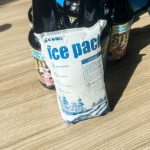
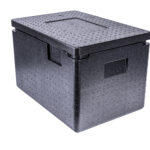
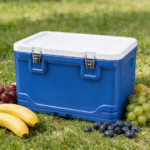
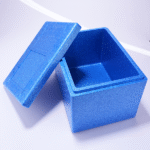
A embalagem desempenha um papel vital na preservação da temperatura. Avançado embalagem térmica, materiais de mudança de fase (PCMs) e o isolamento minimizam a transferência de calor e ajudam a manter temperaturas estáveis. De acordo com Tive 2024 tendências tecnológicas, regiões como a Europa estão cada vez mais a adotar PCMs para uma manutenção eficiente da temperatura. Os refrigerantes ecológicos e os recipientes reutilizáveis também estão ganhando força à medida que a sustentabilidade se torna um componente central das operações da cadeia de frio.
Como funciona a gestão da cadeia de frio alimentar
A gestão da cadeia de frio alimentar orquestra o fluxo de produtos perecíveis através de ambientes com temperatura controlada. Ao compreender as etapas envolvidas e as faixas de temperatura recomendadas, você pode projetar uma cadeia de frio resiliente que minimize os riscos.
Padrões de temperatura e práticas de manuseio
Os alimentos refrigerados devem ser mantidos em 0–4ºC para retardar o crescimento bacteriano, enquanto os alimentos congelados permanecem seguros em –18ºC ou abaixo. O FDA também recomenda seguir as regra das duas horas—itens perecíveis não devem permanecer em temperatura ambiente por mais de duas horas (ou uma hora se a temperatura ambiente exceder 32 °C/90 °F). Exceder esses limites pode duplicar as bactérias a cada 20 minutos e aumentar drasticamente o risco de doenças transmitidas por alimentos.
O manuseio adequado inclui:
Resfriamento imediato: O pré-resfriamento rápido dos produtos após a colheita reduz as taxas de respiração e preserva o frescor.
Equipamentos limpos e higienizados: Evite a contaminação cruzada limpando as lixeiras, paletes e contêineres.
Monitoramento consistente: Use registradores de dados e sensores IoT para monitorar temperaturas e umidade durante o transporte e armazenamento.
Equipe de treinamento: Garantir que os trabalhadores saibam como carregar as mercadorias uniformemente para facilitar o fluxo de ar e evitar aberturas frequentes de portas.
Manutenção de rotina: Inspecione regularmente as unidades de refrigeração, isolamento e portas para evitar vazamentos de calor.
Planos de backup: Prepare medidas de contingência, como geradores de reserva ou gelo seco para lidar com emergências.
Logística para Diferentes Produtos
Diferentes produtos têm requisitos exclusivos de temperatura e manuseio:
Alimentos perecíveis: Carne, laticínio, frutos do mar e produtos frescos dependem da cadeia de frio para preservar a qualidade e evitar a deterioração. O congelamento é frequentemente usado para interromper o crescimento microbiano e prolongar a vida útil.
Produtos farmacêuticos: Vacinas, produtos biológicos e certas variantes de insulina requerem controle preciso de temperatura entre 15–30 °C (temperatura ambiente controlada) ou mais frio. Contêineres híbridos com controle ativo de temperatura são usados para embarques.
Produtos vegetais e orgânicos: A crescente demanda por alimentos vegetais está alterando os requisitos da cadeia de abastecimento. De acordo com Maersk, alternativas à base de plantas poderiam compensar 7.7 % do mercado global de proteínas por 2030. Novos negócios neste setor exigem fornecedores de logística especializados, capazes de manter as temperaturas exigidas e dimensionar as operações.
Tecnologia e Inovações Transformando a Gestão da Cadeia de Frio de Alimentos em 2025
A inovação tecnológica está a remodelar a gestão da cadeia de frio. Da inteligência artificial ao blockchain e refrigerantes sustentáveis, essas ferramentas melhoram a visibilidade, reduzir o desperdício e melhorar a eficiência.
IA e análise de dados para visibilidade em tempo real
Inteligência artificial (IA) e a análise de dados fornecem insights preditivos e monitoramento em tempo real das remessas. Tive observa que a IA permite estratégias proativas, ajudando os operadores a identificar e resolver possíveis problemas antes que eles levem à deterioração. Analisando dados de sensores IoT, Sistemas de IA podem prever desvios de temperatura, otimizar rotas e reduzir desperdícios. Os modelos de aprendizado de máquina também oferecem suporte à previsão de demanda, ajudando as empresas a alocar capacidade e ajustar a distribuição às mudanças na demanda.
Blockchain e contratos inteligentes na entrega LastMile
A tecnologia Blockchain aumenta a transparência e a confiança na cadeia de frio. Contratos inteligentes fornecem manutenção de registros imutáveis para comprovação de entrega, reduzindo disputas e custos de processamento. Quando integrado com análise preditiva, sistemas blockchain informam os clientes sobre prazos de entrega precisos e acionam pagamentos automáticos. Esta combinação melhora a coordenação entre os expedidores, transportadoras e clientes.
Sustentabilidade e Tecnologias Verdes
A sustentabilidade não é mais opcional; é parte integrante das operações da cadeia de frio. O setor da cadeia de frio está a adotar diversas inovações ecológicas:
Refrigerantes ecológicos: As regulamentações estão eliminando gradualmente os refrigerantes sintéticos, como os hidroclorofluorcarbonos (HCFCs) e hidrofluorocarbonetos (HFC). Novos refrigerantes têm menor potencial de aquecimento global.
Materiais de mudança de fase (PCMs): PCMs absorvem e liberam calor latente durante transições de fase, fornecendo resfriamento eficaz e reduzindo o uso de energia.
Tecnologias baseadas em IoT: Sensores e dispositivos GPS monitoram a temperatura, umidade e localização durante toda a viagem. O monitoramento contínuo melhora a visibilidade e ajuda a padronizar o controle de temperatura em toda a cadeia de abastecimento.
Atualizações de infraestrutura: Os investimentos em armazéns modernos com equipamentos de refrigeração avançados estão a dar resposta às infraestruturas envelhecidas. Novas instalações incluem automação, padrões mais elevados de sustentabilidade e melhor integração com sistemas digitais.
Demanda do consumidor por sustentabilidade: Sobre 55 % dos consumidores globais preferem alimentos embalados com alegações de sustentabilidade. Essa preferência do consumidor leva as empresas a adotarem energias renováveis, embalagem sustentável e caminhões elétricos.
Automação, Robótica e Integração de Software
A escassez de mão-de-obra e a necessidade de eficiência estão a levar as empresas a automatizar. A integração de robótica e software ajuda a simplificar tarefas repetitivas, como embalagem e classificação. Ferramentas de previsão alimentadas por IA auxiliam na alocação e distribuição de capacidade, permitindo uma melhor colaboração entre transportadores e fornecedores de logística terceirizados. As empresas também estão modernizando suas pilhas de tecnologia para digitalizar processos desde a fazenda até o cliente final.
Armazenamento inteligente e dados em tempo real
As tecnologias de armazenamento inteligentes reduzem o desperdício de alimentos, melhorando o controle de temperatura e o prazo de validade. Sensores IoT detectam variações de temperatura e enviam alertas quando equipamentos falham. Sistemas de refrigeração inteligentes automatizam ajustes com base no tipo de produto e nas condições ambientais. O software de gerenciamento de estoque rastreia há quanto tempo cada lote de produto está armazenado e prioriza as entregas. Dados em tempo real melhoram a rastreabilidade, facilita alertas rápidos e suporta análises preditivas para evitar deterioração.
Ferramentas úteis de decisão
Verifique os detalhes antes de escolher a embalagem
Essas ferramentas rápidas podem ajudá-lo a comparar o risco da rota, necessidades de dimensionamento, escolhas de refrigerante, e detalhes da embalagem antes de solicitar um orçamento.
Refrigerante & Referência PCM
Compare as opções de refrigerante e PCM quando uma rota precisar de suporte adicional de temperatura.
Comparar opçõesReferência de material de isolamento
Compare as opções de materiais de isolamento para diferentes necessidades de embalagens da cadeia de frio.
Compare materiaisAvaliador de risco da rota
Revise as condições da pista antes de selecionar a embalagem para requisitos operacionais reais.
Verificar risco da rota2025 Tendências e perspectivas futuras para a gestão da cadeia de frio alimentar
À medida que as cadeias de abastecimento se tornam mais complexas e as expectativas dos consumidores aumentam, várias tendências moldarão a gestão da cadeia de frio alimentar em 2025.
Mudanças de mercado e fatores geopolíticos
A agitação geopolítica influenciou os tempos de trânsito, disponibilidade de capacidade e relações comerciais. Os eventos do cisne negro interromperam o transporte marítimo e impactaram os níveis de estoque em armazenamento refrigerado. No entanto, especialistas do setor acreditam que o mercado é resiliente e preparado para interrupções contínuas. As empresas estão construindo maior resiliência por meio de rotas e parcerias diversificadas.
Demanda por melhor visibilidade e integração de dados
Os investimentos em software que melhoram a visibilidade ponta a ponta continuarão a aumentar. Para que produtos perecíveis sejam efetivamente monitorados, dados ininterruptos devem estar disponíveis. Os fornecedores de logística utilizam cada vez mais plataformas integradas que combinam monitorização de temperatura, Rastreamento GPS e análise preditiva.
Ascensão de novos produtos e alimentos à base de plantas
Produtos à base de plantas e sem glúten estão crescendo rapidamente, criando novos requisitos para a logística da cadeia de frio. A Bloomberg Intelligence prevê que os alimentos à base de plantas podem ser responsáveis 7.7 % do mercado global de proteínas por 2030. Muitas pequenas e médias empresas que entram neste mercado têm experiência logística limitada e procuram parceiros que ofereçam inovação e escala.
Instalações atualizadas e refrigerantes sustentáveis
Envelhecimento instalações de armazenamento a frio estão sendo substituídos por edifícios modernos com automação, sustentabilidade e melhor integração. Regulamentações mais rígidas estão eliminando gradualmente refrigerantes prejudiciais ao meio ambiente, como HCFCs e HFCs. As atualizações também incluem projetos energeticamente eficientes, integração de energia renovável e zonas de temperatura flexíveis.
Redes de distribuição melhoradas
As redes de distribuição estão sendo otimizadas para posicionar as instalações frigoríficas mais próximas das áreas de produção e dos clientes. Instalações Portcentric apoiam exportações, enquanto os armazéns interiores fornecem serviços eficientes de distribuição e inspeção no varejo. Instalações maiores com automação irão satisfazer a demanda do varejo e melhorar a segurança e a eficiência.
Projeções de crescimento
O mercado global da cadeia de frio deverá crescer a um ritmo CAGR de cerca 20 % de 2025 para 2033, aumentando de cerca USD 316 bilhão em 2024 para acima de USD 1.6 trilhão por 2033. Este rápido crescimento sublinha a necessidade de tecnologias avançadas, práticas sustentáveis e profissionais qualificados.
Como a gestão da cadeia de frio alimentar reduz o desperdício de alimentos e apoia a sustentabilidade
O desperdício de alimentos é uma crise global. O mau controle e manuseio da temperatura podem causar enormes perdas; um 2024 Um estudo da Universidade de Michigan sugere que a gestão inadequada da cadeia de frio pode ser responsável por 620 milhões de toneladas métricas da perda anual de alimentos. A logística controlada por temperatura preserva o frescor e prolonga a vida útil. Veja como a gestão eficaz da cadeia de frio contribui para a redução de resíduos e a sustentabilidade:
Soluções tecnológicas inteligentes para redução de resíduos
Sensores IoT e monitoramento contínuo: Os sensores rastreiam as temperaturas e enviam alertas se as condições se desviarem dos pontos definidos. O monitoramento contínuo reduz a deterioração e garante ações corretivas rápidas.
Sistemas de refrigeração inteligentes: Os sistemas automatizados ajustam o resfriamento com base na temperatura externa e nos requisitos do produto. Eles garantem condições consistentes mesmo durante flutuações de energia.
Software de gerenciamento de estoque: Software rastreia a idade do estoque e prevê o prazo de validade, ajudando os armazéns a priorizar o envio.
Dados em tempo real e análises preditivas: Os dados em tempo real melhoram a rastreabilidade e acionam recalls rápidos caso surjam problemas. A análise preditiva usa dados históricos para otimizar protocolos de armazenamento e transporte.
Alinhando com as Metas de Sustentabilidade
A gestão eficaz da cadeia de frio reduz o desperdício de alimentos, conservação dos recursos usados para produzir alimentos (água, energia, fertilizante) e diminuindo as emissões de gases de efeito estufa provenientes da decomposição de resíduos. O uso de refrigerantes ecológicos e tecnologias energeticamente eficientes reduz a pegada ambiental dos sistemas de refrigeração. PCMs e isolamento melhorado reduzem o consumo de energia, melhorando ainda mais a sustentabilidade. À medida que cresce a procura dos consumidores por produtos sustentáveis, empresas que adotam práticas verdes de cadeia de frio ganham vantagem competitiva.
Melhores práticas para gestão da cadeia de frio alimentar
A implementação das melhores práticas ajuda as empresas a manter a integridade da cadeia de frio e a cumprir os requisitos regulamentares.
Desenvolva um plano abrangente para a cadeia de frio: Mapeie cada etapa, desde a produção até a entrega. Identifique pontos de controle críticos e estabeleça pontos de ajuste de temperatura.
Use embalagens e refrigerantes validados: Selecione térmico soluções de embalagem e refrigerantes que mantêm as temperaturas durante o período necessário, minimizando o impacto ambiental.
Implementar monitoramento em tempo real: Equipar veículos e instalações de armazenamento com sensores IoT e rastreamento GPS. Use plataformas de software para coletar e analisar dados.
Treinar pessoal: Fornecer treinamento sobre requisitos de temperatura, procedimentos de carregamento e protocolos de emergência.
Manter o equipamento: Programar manutenção de rotina em unidades de refrigeração, sensores e isolamento. Substitua infraestruturas antigas para melhorar a eficiência.
Garanta a rastreabilidade: Adote blockchain ou sistemas de registro digital para rastrear produtos do campo ao prato. A rastreabilidade melhora a responsabilidade e simplifica os recalls.
Colabore com parceiros especialistas: Trabalhe com fornecedores de logística com experiência no manuseio de mercadorias sensíveis à temperatura. Sua experiência melhora a confiabilidade e permite o dimensionamento.
Planeje contingências: Prepare fontes de energia de backup, rotas alternativas e métodos de resfriamento de emergência.
Dicas e conselhos práticos
Cenário 1 – exportação de produtos frescos: Invista em contêineres frigoríficos com isolamento avançado e PCMs para manter temperaturas estáveis durante viagens longas. Use monitoramento em tempo real para monitorar as condições dos contêineres e ajustar a ventilação ao cruzar zonas climáticas.
Cenário 2 – distribuição no varejo: Posicionar centros de distribuição estrategicamente perto de áreas de produção e mercados urbanos. Use a automação para reduzir o tempo de manuseio e manter a qualidade do produto.
Cenário 3 – pequenos produtores de alimentos: Faça parceria com fornecedores de logística terceirizados que oferecem armazéns compartilhados com temperatura controlada. Use a análise de dados para prever a demanda e minimizar o estoque.
Exemplo do mundo real: Uma cooperativa de laticínios integrou sensores IoT em seus caminhões refrigerados e armazéns. Quando a porta de um caminhão foi deixada aberta, um alerta notificou a equipe imediatamente. Fecharam a porta e evitaram um aumento de temperatura que poderia ter estragado 500 litros de leite. Esta simples intervenção poupou milhares de dólares à cooperativa e evitou desperdícios.
2025 Inovações e tendências na gestão da cadeia de frio alimentar
Previsão e automação orientadas por IA
A IA é cada vez mais usada para prever a demanda, alocar capacidade e otimizar rotas. A análise preditiva pode antecipar falhas de equipamentos e programar manutenções, reduzindo o tempo de inatividade. Automação e robótica agilizam embalagem, classificação e atendimento de pedidos. Essas tecnologias liberam a equipe para se concentrar em tarefas mais complexas e melhorar a consistência.
Produtos à base de plantas e especiais
Carnes vegetais e alternativas lácteas requerem manuseio especializado para manter a textura e a nutrição. Novas empresas que entram no mercado precisam de orientação sobre requisitos de temperatura e embalagens. Fornecedores de logística com experiência nesses produtos terão alta demanda.
Gêmeos Digitais e Monitoramento Virtual
Os gêmeos digitais – réplicas virtuais de ativos físicos – permitem que os operadores simulem diferentes cenários e testem como a temperatura, a umidade e as condições de transporte afetam os produtos. Combinado com dados em tempo real, os gêmeos digitais ajudam a otimizar rotas e ajustar as condições de forma dinâmica.
Refrigeração Sustentável e Eficiência Energética
A eliminação progressiva de HCFCs e HFCs está acelerando a adoção de refrigerantes naturais e da tecnologia de bombas de calor. Combinado com fontes de energia renováveis, como painéis solares em telhados de armazéns, esses sistemas reduzem as emissões operacionais. Pesquisas sugerem que aumentar o ponto de ajuste do freezer de –18 °C para –15 °C poderia economizar energia significativa sem comprometer a segurança; no entanto, isso deve ser equilibrado com os requisitos de segurança alimentar.
Plataformas aprimoradas de colaboração e visibilidade
As empresas do setor alimentar estão investindo em plataformas que conectam produtores, transportadores, armazéns e varejistas. Esses sistemas fornecem uma única fonte de verdade para os níveis de estoque, temperaturas e status de remessa. Maior colaboração melhora a precisão das previsões e reduz o excesso ou falta de estoque. Provedores de logística terceirizados também aproveitam essas plataformas para coordenar com vários clientes.
Perguntas frequentes
O que é gestão da cadeia de frio alimentar?
A gestão da cadeia de frio alimentar é o processo contínuo de manter alimentos perecíveis em temperaturas específicas, desde a produção até o consumo, para preservar a qualidade e a segurança.. Abrange a colheita, processamento, armazenar, transporte e distribuição.
Por que o controle de temperatura é tão importante?
A temperatura afeta o crescimento microbiano e as reações enzimáticas. Manter os alimentos refrigerados a 0–4 °C retarda as bactérias, enquanto o congelamento a –18 °C interrompe o crescimento. Qualquer lapso pode duplicar as populações bacterianas em poucos minutos e causar deterioração.
Como a tecnologia melhora o gerenciamento da cadeia de frio?
Sensores IoT fornecem dados de temperatura e umidade em tempo real. A IA e a análise preditiva prevêem interrupções e otimizam rotas. Blockchain garante manutenção de registros transparente e reduz disputas.
Quais são os principais desafios em 2025?
Os principais desafios incluem perturbações geopolíticas, infraestrutura envelhecida, escassez de mão de obra que exige automação e necessidade de refrigerantes sustentáveis. As pequenas empresas que entram em novas categorias de produtos também precisam de orientação.
Como a gestão da cadeia de frio reduz o desperdício de alimentos?
O controle contínuo da temperatura preserva a vida útil e evita a deterioração. Um estudo da Universidade de Michigan estima as causas do mau gerenciamento da cadeia de frio 620 milhões de toneladas métricas de perda de alimentos anualmente. Sensores de IoT, refrigeração inteligente e dados em tempo real ajudam a evitar essas perdas.
Resumo e recomendações
Em 2025 a importância da gestão da cadeia de frio alimentar nunca foi tão grande. Com a receita do mercado global da cadeia de frio preparada para crescer a partir do USD 316 bilhão em 2024 para mais de USD 1.6 trilhão por 2033, mantendo a qualidade do produto, segurança e sustentabilidade são fundamentais. Uma cadeia de frio robusta preserva o frescor, reduz o desperdício e apoia a saúde do consumidor. Tecnologias emergentes – IA, IoT, blockchain, PCMs e refrigerantes sustentáveis – oferecem visibilidade e eficiência sem precedentes. No entanto, as empresas devem enfrentar as perturbações geopolíticas, modernizar infraestruturas antigas e treinar pessoal para aproveitar plenamente os benefícios.
ACTO ACEDIVO PRÓXIMO PASSOS:
Avalie sua cadeia de frio atual: Mapeie seus processos, identificar lacunas e priorizar atualizações.
Invista em tecnologia de monitoramento: Implante sensores IoT, integrar plataformas de dados e usar análises preditivas para antecipar problemas.
Adote práticas sustentáveis: Transição para refrigerantes ecológicos, equipamentos energeticamente eficientes e embalagem reutilizável.
Atualizar infraestrutura: Modernize armazéns e frotas refrigeradas com automação e zonas de temperatura flexíveis.
Eduque sua equipe: Fornecer treinamento contínuo sobre controle de temperatura, procedimentos de higiene e emergência.
Colabore e compartilhe dados: Trabalhe em estreita colaboração com os fornecedores, operadoras e varejistas compartilhem informações em tempo real e melhorem a transparência.
Mantenha-se informado: Monitore as tendências e regulamentações do setor para se adaptar rapidamente aos novos requisitos.
A implementação destas recomendações irá ajudá-lo a construir uma cadeia de frio alimentar resiliente que proteja os consumidores, reduz o desperdício e apoia o crescimento sustentável.
Sobre Tempk
Tempk é um fornecedor confiável de soluções de cadeia de frio. Nossa equipe combina experiência no setor com tecnologia avançada para ajudar os clientes a otimizar o gerenciamento da cadeia de frio de alimentos. Oferecemos dispositivos de monitoramento em tempo real, serviços de embalagem térmica e análise de dados que garantem a integridade da temperatura desde a produção até o consumo. Com foco na sustentabilidade e conformidade, ajudamos as empresas a reduzir o desperdício, atender aos padrões regulatórios e fornecer segurança, produtos de alta qualidade para seus clientes.
Dê o próximo passo
Pronto para fortalecer sua cadeia de frio? Entre em contato com a Tempk hoje para saber como nossas soluções podem ajudá-lo a manter a qualidade do produto, reduzir o desperdício e atender às crescentes demandas dos clientes. Nossos especialistas estão aqui para orientá-lo na avaliação, implementação e melhoria contínua.