Como os serviços da cadeia de frio alimentar mantêm os produtos frescos e seguros 2025?
Serviços de cadeia de frio alimentar são os heróis escondidos por trás de produtos frescos e refeições seguras. Eles gerenciam tudo, desde embalagem isolada ao transporte refrigerado para que suas compras cheguem intactas. Nas primeiras cinquenta palavras você verá a palavra-chave principal—serviços de cadeia de frio alimentar—porque esses serviços são cruciais para manter seguros os produtos sensíveis à temperatura. Com a procura global a aumentar e a sustentabilidade sob escrutínio, saber como funciona a cadeia de frio pode ajudá-lo a fazer melhores escolhas para sua empresa e para os consumidores.
- O que significam os serviços da cadeia de frio alimentar: uma definição concisa e visão geral dos processos envolvidos no manuseio, armazenamento e transporte de produtos perecíveis.
Quais componentes são mais importantes: embalagem, armazenamento refrigerado, ferramentas de transporte e monitoramento que protegem as mercadorias durante cada etapa.
Como se manter seguro e em conformidade: padrões de temperatura, estruturas regulatórias e dicas para minimizar o desperdício e prolongar a vida útil.
Que tendências moldam 2025: logística verde, inteligência artificial, automação, produtos à base de plantas e resiliência contra choques climáticos e geopolíticos.
Como escolher um fornecedor e otimizar as operações: orientação prática para avaliar parceiros de serviço, adotar as melhores práticas e aproveitar as inovações mais recentes.
O que são serviços de cadeia de frio alimentar e como funcionam?
Os serviços da cadeia de frio alimentar são processos logísticos especializados que tratam, armazenar e transportar produtos sensíveis à temperatura sob condições controladas para evitar deterioração e manter a segurança. Eles fornecem a espinha dorsal para indústrias como a alimentícia, farmacêuticos e químicos, garantindo que itens como produtos frescos, laticínio, carne e vacinas permanecem seguras desde o ponto de origem até o consumidor final. Mantendo a temperatura certa durante toda a viagem, os serviços da cadeia de frio evitam a degradação, contaminação e riscos à saúde.
A logística da cadeia de frio alimentar abrange vários estágios – embalagem, armazenar, transporte e monitoramento – que trabalham juntos para manter as mercadorias dentro das faixas ideais de temperatura. Sistemas de refrigeração como recipientes refrigerados, freezers e armazéns com ar condicionado regulam o meio ambiente. Instalações de armazenamento a frio incluem grandes armazéns refrigerados para produtos a granel e câmaras frigoríficas menores para produtos específicos. O transporte é realizado em caminhões refrigerados, navios e aviões equipados com sistemas de controle de temperatura. Ao longo de cada etapa, tecnologias de monitoramento, como sensores IoT e etiquetas RFID, fornecem dados em tempo real sobre temperatura e umidade, permitindo ação imediata quando ocorrerem desvios. Pense na cadeia de frio como uma ponte ininterrupta de temperatura que transporta seus alimentos favoritos da fazenda até a mesa sem comprometer a qualidade ou a segurança..
Componentes-chave dos serviços da cadeia de frio alimentar
A welldesigned cadeia de frio depends on four primary components: embalagem, armazenar, transporte e monitoramento. Cada componente desempenha um papel específico na proteção de produtos sensíveis à temperatura.
| Componente | Função | O que isso significa para você |
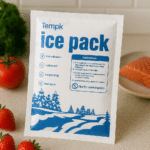
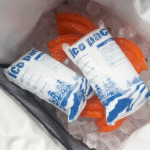
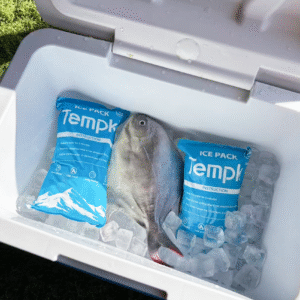
| Embalagem | Usa caixas isoladas, pacotes de gel, gelo seco e materiais avançados, como painéis de isolamento a vácuo, para manter os produtos dentro da faixa de temperatura desejada | A embalagem adequada mantém a temperatura durante a transferência, reduzindo a deterioração e preservando a qualidade |
| Armazenamento Frio | Emprega armazéns refrigerados e câmaras frigoríficas com sistemas avançados de refrigeração e sensores para armazenar mercadorias em temperaturas consistentes | Instalações de armazenamento confiáveis prolongam a vida útil e garantem que seus produtos permaneçam seguros enquanto aguardam o transporte |
| Transporte Frio | Utiliza caminhões refrigerados, navios e aviões para transportar mercadorias, mantendo o controle de temperatura | Garante que os itens percorram longas distâncias sem flutuações de temperatura, apoiando o comércio internacional |
| Monitoramento & Controlar | Aproveita sensores IoT, Etiquetas RFID e sistemas de dados em tempo real para monitorar a temperatura, umidade e localização | Oferece visibilidade da cadeia de suprimentos para que você possa responder rapidamente aos problemas e manter a conformidade |
Dicas e conselhos práticos
Combine a embalagem com o produto: Use materiais de mudança de fase ou pacotes de gel que mantêm a faixa de temperatura específica necessária para seus produtos. Isso reduz o risco de picos de temperatura.
Invista em tecnologia de sensores: O monitoramento contínuo com dispositivos IoT alerta você imediatamente quando uma remessa se desvia de sua faixa segura, permitindo ação corretiva.
Treine sua equipe: Os procedimentos adequados de manuseio e carregamento minimizam as flutuações de temperatura durante as transferências entre armazenamento e transporte.
Planeje cuidadosamente as rotas de transporte: A otimização da rota reduz os tempos de trânsito e mantém os produtos dentro da janela de temperatura exigida. Sistemas baseados em IA podem analisar o tráfego e o clima para tomar decisões mais inteligentes.
Caso real: Um exportador de frutos do mar integrou caminhões refrigerados com sensores de temperatura IoT e embalagens avançadas. Monitorando ativamente as remessas e ajustando as rotas, eles reduziram a deterioração em 25% e melhoraram a satisfação do cliente.
Why Are Food cadeia de frio Services Essential for Safety and Compliance?
Os serviços da cadeia de frio protegem os consumidores, evitando a deterioração, reduzindo a perda de produtos e garantindo a conformidade com os padrões regulatórios. Manter a temperatura certa impede o crescimento bacteriano e protege o valor nutricional dos alimentos e a potência dos produtos farmacêuticos. Ao prolongar a vida útil, an effective cadeia de frio lowers costs and reduces waste. Conformidade com padrões de agências como a Organização Mundial da Saúde e os EUA. A Food and Drug Administration é fundamental para evitar penalidades legais e manter a confiança do consumidor.
O desperdício alimentar não é apenas uma questão moral – contribui significativamente para as emissões de gases com efeito de estufa. Todos os anos, mais de um bilhão de toneladas de alimentos são desperdiçados, responsável por 8–10% das emissões globais de gases de efeito estufa. Quando os serviços da cadeia de frio falham, mercadorias perecíveis estragam durante o transporte, levando a perdas financeiras e danos ambientais. A gestão eficaz da cadeia de frio minimiza esse desperdício, preservando a qualidade do produto em toda a cadeia de abastecimento. Também protege a reputação da marca porque os consumidores esperam, produtos de alta qualidade. Seguindo diretrizes rígidas e usando monitoramento em tempo real, as empresas podem permanecer em conformidade e construir relacionamentos fiéis com clientes.
Padrões Regulatórios e Faixas de Temperatura
Diferentes produtos exigem faixas de temperatura específicas para manter a segurança e a qualidade. Conhecer essas faixas e cumpri-las é vital para a conformidade e a saúde do consumidor.
| Categoria de produto | Faixa de temperatura recomendada | Significado para você |
| Frutas & Vegetais | 0–5 ° C. (32–41°F) retarda o amadurecimento e evita a deterioração | Prolonga a vida útil e preserva o sabor dos produtos frescos |
| Produtos farmacêuticos | 2–8 ° C. (35.6–46,4°F) mantém a potência e a eficácia | Garante que vacinas e medicamentos permaneçam seguros para uso |
| Alimentos Congelados | Abaixo de –18°C (0 ° f) evita o descongelamento e o crescimento bacteriano | Mantém refeições e carnes congeladas protegidas contra contaminação |
| Produtos lácteos | 1–3 ° C. (34–38°F) mantém os laticínios frescos | Mantém o sabor e a textura do leite, queijo e iogurte |
| Frutos do mar | Cerca de 0°C (32 ° f) mantém a qualidade | Evita a deterioração e preserva a frescura do peixe e do marisco |
Dicas práticas de conformidade:
Configurar registros de temperatura: Use dispositivos de registro automatizados para registrar temperaturas em cada estágio, garantindo registros para auditorias e rastreabilidade.
Validar equipamento: Calibre termômetros regularmente, sensores e unidades de refrigeração para manter a precisão e evitar desvios.
Siga os protocolos de manuseio: A carga e a descarga devem ser rápidas e eficientes para limitar a exposição às temperaturas ambientes.
Conheça seus regulamentos: Mantenha-se atualizado com padrões como Análise de Perigos e Pontos Críticos de Controle (HACCP), Boas Práticas de Distribuição (PIB) e diretrizes internacionais da OMS e FDA.
Exemplo: Um processador de laticínios treinou motoristas sobre procedimentos adequados de carregamento e instalou registradores de dados automáticos. Mantendo o leite entre 1°C e 3°C, eles reduziram as reclamações de deterioração em 30% e foram aprovados em uma auditoria regulatória sem problemas.
Quais são as últimas tendências em serviços de cadeia de frio alimentar em 2025?
2025 traz uma onda de inovação e mudança nos serviços da cadeia de frio alimentar, movido pela sustentabilidade, digitalização, novas preferências dos consumidores e infraestrutura resiliente. As empresas estão adotando a logística verde, aproveitando a inteligência artificial, adotando centros de microfulfillment automatizados e preparando produtos à base de plantas que exigem manuseio personalizado. A turbulência geopolítica e as alterações climáticas estão a levar a investimentos em armazenamento refrigerado resiliente e em rotas de abastecimento diversificadas. Abaixo está uma visão geral das principais tendências que moldam o setor neste ano.
Iniciativas de Sustentabilidade e Eficiência Energética
A sustentabilidade ambiental não é mais opcional. Operações da cadeia de frio, tradicionalmente intensivo em energia, enfrentam agora pressão para reduzir a sua pegada de carbono e, ao mesmo tempo, manter a eficiência. As empresas estão recorrendo a energias renováveis e práticas mais ecológicas para atingir esses objetivos. A logística verde envolve o uso de biocombustíveis e eletricidade de fontes limpas para alimentar frotas refrigeradas e a integração de energia solar e eólica nas instalações. Os operadores de armazenamento frigorífico estão investindo em centros de microfulfillment que minimizam as distâncias de trânsito e incorporam iluminação LED, atualizações de isolamento e sistemas de refrigeração energeticamente eficientes. Tais melhorias podem reduzir os custos de energia associados à mão-de-obra e aos serviços públicos em quase 50%.
Uma iniciativa emergente é a Mover para coalizão de –15°C, que defende a padronização das temperaturas de armazenamento a –15°C em vez de –18°C. Os avanços nas tecnologias de isolamento e refrigeração permitem esta mudança, economizando energia enquanto preserva a qualidade do produto. Empresas como a Daifuku estão implementando manutenção preditiva alimentada por IA e sistemas de resfriamento adaptativo que ajustam dinamicamente os ciclos do compressor com base na demanda em tempo real. Adicionalmente, a eliminação progressiva de refrigerantes sintéticos, como HFCs e HCFCs, está se acelerando, impulsionado por regulamentações ambientais. Novas instalações integram refrigerantes naturais e reduzem o potencial de aquecimento global como alternativas para cumprir as metas de sustentabilidade.
| Iniciativa | Descrição | Beneficiar para você |
| Logística verde | Uso de energia renovável, biocombustíveis e tecnologias de transporte mais limpas nas operações da cadeia de frio | Reduz a pegada de carbono e pode reduzir os custos de energia |
| Centros de microfulfillment | Pequenos armazéns urbanos ou suburbanos com sistemas de recolha automatizados e controlos avançados de temperatura | Permite entregas mais rápidas e melhor gerenciamento de temperatura para comércio eletrônico e kits de refeição |
| Coalizão –15°C | Padronização do armazenamento a –15°C com isolamento avançado e manutenção preditiva orientada por IA | Economiza energia sem sacrificar a integridade do produto |
| Refrigerantes naturais & eliminação progressiva de HFCs | Atualizando sistemas para usar CO₂, refrigerantes de amônia ou hidrocarbonetos ao desativar sistemas HFC/HCFC | Garante a conformidade com as regulamentações ambientais e reduz as emissões |
Dicas práticas de sustentabilidade:
Realizar uma auditoria energética: Identifique oportunidades para painéis solares, Atualizações de iluminação LED e isolamento em suas instalações.
Opte por –15°C sempre que possível: Ajuste as temperaturas de armazenamento para otimizar o consumo de energia sem comprometer a segurança.
Escolha refrigerantes ecológicos: Trabalhe com prestadores de serviços que investem em refrigerantes naturais e cumprem as novas regulamentações.
Reduza milhas mortas: Use a análise de dados para minimizar corridas em vazio e melhorar a utilização do veículo, reduzindo o consumo de combustível.
Caso: Um distribuidor de produtos hortifrutigranjeiros modernizou seu armazém com iluminação LED, painéis solares e unidades de refrigeração inteligentes. Mudando de sistemas baseados em HFC para refrigerantes naturais e adotando armazenamento a –15°C, reduziu o consumo de energia em 40% e obteve certificação de sustentabilidade.
Automação, Digitalização e Inteligência Artificial
A automação e a digitalização estão redefinindo a eficiência da cadeia de frio. A inteligência artificial fornece insights preditivos que otimizam as operações do armazém, prever a demanda e melhorar o controle de estoque. Robótica e sistemas automatizados de armazenamento e recuperação (AS/RS) agilizar o manuseio de materiais, reduzindo custos trabalhistas e aumentando a segurança. Robôs móveis autônomos (RAM) e sistemas de transporte de paletes permitem o manuseio contínuo de mercadorias perecíveis em temperaturas tão baixas quanto –25°C. Esses sistemas integram sensores IoT que oferecem monitoramento em tempo real de temperatura e umidade, enquanto a manutenção preditiva orientada por IA minimiza o tempo de inatividade do equipamento.
A visibilidade em toda a cadeia de abastecimento é outro foco. Os provedores de logística estão investindo em software que melhora a visibilidade de ponta a ponta, permitindo dados ininterruptos sobre localização e temperatura para lidar com interrupções. Esses sistemas ajudam as empresas a mitigar riscos, resolver problemas prontamente e planejar rotas de forma mais eficaz. A visibilidade aprimorada do gerenciamento permite que as partes interessadas tomem decisões baseadas em dados e reduz a probabilidade de perda de produtos. Dos gêmeos digitais à rastreabilidade do blockchain, a tecnologia está tornando a cadeia de frio mais transparente e resiliente.
| Tecnologia | Função | Benefício para o usuário |
| Inteligência artificial | Prevê demanda, otimiza o layout do armazém, programa a manutenção e melhora o planejamento de rotas | Reduz custos operacionais, reduz o tempo de inatividade e aumenta a precisão |
| Automação & Robótica | AS/RS, AMRs e braços robóticos manuseiam mercadorias em armazenamento de alta densidade e ambientes frios | Aumenta a produtividade, reduz a dependência do trabalho e melhora a segurança |
| Sensores de IoT & RFID | Fornece monitoramento de temperatura e umidade em tempo real | Permite ação corretiva instantânea e apoia a conformidade |
| Software de visibilidade | Rastreia produtos em toda a cadeia de suprimentos, oferecendo dados de localização e condição | Melhora a tomada de decisões, reduz riscos e constrói a confiança do cliente |
Dicas para abraçar a digitalização:
Comece com projetos piloto: Teste soluções de automação e IA em uma única instalação antes de ampliar sua rede.
Integrar sistemas: Conecte sistemas de gerenciamento de armazém com gerenciamento de transporte e dispositivos IoT para fluxos de dados contínuos.
Treine sua força de trabalho: Forneça aos funcionários as habilidades necessárias para trabalhar junto com robôs e interpretar insights de dados.
Utilize análises preditivas: Implante o aprendizado de máquina para prever a demanda e ajustar o estoque, evitando excesso de estoque ou ruptura de estoque.
Exemplo: Uma empresa de laticínios implementou um sistema de coleta automatizado e otimização de rotas orientada por IA. O resultado foi uma redução de 35% nos custos trabalhistas, uma redução de 20% nos prazos de entrega e uma melhoria acentuada na conformidade da temperatura.
Ferramentas úteis de decisão
Verifique os detalhes antes de escolher a embalagem
Essas ferramentas rápidas podem ajudá-lo a comparar o risco da rota, necessidades de dimensionamento, escolhas de refrigerante, e detalhes da embalagem antes de solicitar um orçamento.
Gerador de lista de verificação de conformidade
Crie uma lista de verificação prática para revisão de embalagens, envio, e documentação.
Lista de verificação de construçãoForro de caixa & Dimensionamento da cobertura de paletes
Verifique a lógica de dimensionamento do forro da caixa e da tampa do palete para projetos de embalagens isoladas.
Dimensionamento estimadoCalculadora de gelo seco
Estime as necessidades de gelo seco para remessas congeladas ou ultrafrias antes de embalar.
Estimar gelo secoResiliência, Crescimento do mercado e tendências de consumo
O setor da cadeia de frio está a crescer rapidamente. O mercado global de logística da cadeia de frio foi avaliado em US$ 293,58 bilhões em 2023 e deverá atingir 862,33 mil milhões de dólares até 2032, refletindo uma taxa composta de crescimento anual (Cagr) de 13 %. Este crescimento é alimentado por mudanças demográficas, como o aumento da população e o aumento da procura de alimentos e produtos farmacêuticos seguros. Prevê-se que só o sector farmacêutico atinja um volume de mercado de 1454 mil milhões de dólares até 2029, com uma taxa de crescimento anual de 4.71 %. Preferências do consumidor por produtos frescos, alimentos saudáveis e de origem local estão remodelando a indústria. Conceitos como “farmtofork,”produtos orgânicos e kits de refeição estão ganhando força, levando as operadoras a expandir a capacidade para itens como produtos frescos e laticínios.
A agitação geopolítica e as alterações climáticas criam novos desafios, afetando os tempos de trânsito, disponibilidade de capacidade e relações comerciais. Perturbações como inundações, secas e restrições no Canal do Panamá destacam a necessidade de infraestruturas resilientes e sistemas logísticos adaptativos. Para responder, empresas investem em soluções construídas sob medida que customizam instalações para atender necessidades operacionais específicas e manter estoques estratégicos. A construção especulativa está remodelando o mercado: regiões como o Texas, Flórida e Geórgia respondem por 47 % de todos os desenvolvimentos de armazenamento refrigerado desde 2020, à medida que os desenvolvedores constroem instalações de última geração sem inquilinos pré-liberados. Estes investimentos reflectem elevados retornos e uma escassez de espaço de armazenamento frigorífico moderno. Os aluguéis médios pedidos aumentaram mais de 96 % desde 2019, e a instalação média de armazenamento refrigerado é de cerca de 42 anos. A modernização e a reorientação dos armazéns mais antigos são, portanto, essenciais para responder à crescente procura.
Outra tendência é o aumento de alimentos vegetais e proteínas alternativas. Bloomberg relata que o mercado de alimentos à base de plantas pode valer a pena $162 bilhão por 2030, acima de $29.4 bilhão em 2020. Esses produtos geralmente vêm de pequenas ou médias empresas com experiência logística limitada. Os fornecedores da cadeia de frio que possam lidar com esses itens e orientar essas empresas através de regulamentações complexas ganharão uma vantagem competitiva. Finalmente, a otimização lastmile está se tornando mais importante à medida que os consumidores esperam uma entrega rápida. Armazenagem colaborativa, reaproveitar instalações antigas e parcerias com fornecedores de logística terceirizados ajudam a agilizar as entregas lastmile, melhorando a eficiência da rede e garantindo a qualidade do produto.
| Fator | Impacto no seu negócio | Resposta recomendada |
| Crescimento do mercado & demanda | A rápida expansão do mercado de logística da cadeia de frio e do setor farmacêutico aumenta as oportunidades de serviços | Dimensione as operações e invista em instalações modernas para atender à demanda |
| Geopolítica & perturbações climáticas | Eventos como restrições de canal, inundações e tarifas perturbam rotas globais | Diversificar rotas, manter estoque estratégico e investir em infraestrutura resiliente |
| Infraestrutura envelhecida | A instalação média de armazenamento refrigerado é 42 anos; os aluguéis subiram 96 % desde 2019 | Atualize instalações ou faça parceria com fornecedores que investem em modernização |
| Mudando os padrões de consumo | Demanda por fresco, alimentos orgânicos e vegetais exigem controle preciso de temperatura e transparência | Amplie a capacidade de itens frescos e ofereça ferramentas de visibilidade para os clientes |
| Logística de última milha | Os consumidores esperam entregas rápidas; lastmile continua desafiador | Use armazenamento colaborativo, 3Parcerias PL e ferramentas de otimização de rotas |
Dicas de resiliência:
Mantenha estoques estratégicos: Mantenha o inventário de buffer em locais-chave para navegar pelas interrupções.
Diversificar rotas de abastecimento: Desenvolver rotas alternativas e modos de transporte flexíveis para lidar com obstáculos geopolíticos ou relacionados com o clima.
Modernizar ou modernizar instalações: Se você possui armazenamento refrigerado, Atualizar isolamento, refrigerantes e automação para permanecer competitivo.
Apoie produtos emergentes: Oferecer manuseio e orientação especializados para produtos à base de plantas e outros produtos inovadores para conquistar novos mercados.
Caso: Um fabricante de refeições congeladas enfrentou atrasos devido ao congestionamento do porto e ao clima imprevisível. Criando centros regionais de microfulfillment e fazendo parceria com um 3PL para entrega lastmile, a empresa melhorou as remessas dentro do prazo em 40%, mesmo durante perturbações geopolíticas.
Como escolher o fornecedor certo de serviços para a cadeia de frio alimentar?
Selecionar um parceiro para a cadeia de frio envolve avaliar a confiabilidade, tecnologia, práticas de conformidade e sustentabilidade. O fornecedor certo deve manter um controle de temperatura consistente, oferecer visibilidade em tempo real, cumprir os padrões internacionais e priorizar a eficiência energética. Procure empresas que invistam em infra-estruturas modernas – dado que muitas instalações são mais do que 30 anos - e que eliminem ativamente refrigerantes prejudiciais ao meio ambiente. Os fornecedores também devem demonstrar experiência no manuseio de sua categoria específica de produto, se produtos frescos, laticínio, frutos do mar ou produtos farmacêuticos.
Um parceiro eficaz usará ferramentas avançadas de monitoramento e otimização de rotas orientada por IA, garantindo que suas mercadorias viajem com segurança e eficiência. Avalie a cobertura de rede do provedor e os recursos lastmile, já que os consumidores esperam uma entrega rápida. As credenciais de sustentabilidade também são importantes; verifique se o fornecedor utiliza energia renovável e prossegue iniciativas como a coligação –15 °C. Finalmente, avaliar o suporte ao cliente e a comunicação: um parceiro responsivo pode resolver problemas rapidamente e se adaptar às mudanças nas condições.
| Critério de Seleção | O que procurar | Por que isso importa |
| Controle de temperatura & conformidade | Evidência de desempenho consistente, certificação (por exemplo, ISO 22000, HACCP), adesão às diretrizes da OMS/FDA | Garante a segurança do produto e reduz o risco legal |
| Tecnologia & visibilidade | Uso de sensores IoT, rastreamento em tempo real e IA para otimização de rotas | Fornece transparência e permite ações corretivas rápidas |
| Qualidade das instalações | Infraestrutura moderna com isolamento eficiente, refrigerantes naturais e automação | Reduz os custos de energia e minimiza a perda de produto |
| Práticas de sustentabilidade | Iniciativas como energia renovável, –15 °C de armazenamento, eliminação progressiva de HFCs | Atende às metas ambientais e pode reduzir os custos operacionais |
| Escopo do serviço & apoiar | Serviços abrangentes (embalagem, armazenar, transporte, para a criança), suporte ao cliente responsivo | Simplifica a gestão logística e constrói uma parceria confiável |
Dicas de seleção de provedor:
Solicitar dados de desempenho: Solicite registros de desvio de temperatura e resultados de auditoria para avaliar a confiabilidade.
Inspecionar instalações: Visite armazéns para ver o isolamento, limpeza e tecnologia em ação.
Esclareça a cobertura do serviço: Certifique-se de que o fornecedor possa lidar com suas áreas de distribuição, incluindo locais rurais e urbanos.
Verifique o alinhamento de sustentabilidade: Escolha um parceiro cujas metas ambientais estejam alinhadas com seus valores corporativos.
Cenário: A mealkit subscription company vetted several cadeia de frio providers. Selecionando um parceiro com ferramentas avançadas de visibilidade, instalações modernas e um compromisso com energias renováveis, a empresa reduziu atrasos no envio e melhorou a satisfação do cliente, ao mesmo tempo que cumpriu as suas metas de sustentabilidade.
Como os fabricantes de alimentos podem otimizar seus processos de cadeia de frio?
Os fabricantes podem otimizar a sua cadeia de frio integrando tecnologias, melhorando processos e focando na sustentabilidade. Comece escolhendo embalagens que correspondam às necessidades de temperatura do seu produto e investindo em automação para um manuseio eficiente. Use análises preditivas para antecipar a demanda e coordenar a produção com a logística. O monitoramento em tempo real e a análise de dados permitem uma resposta rápida a desvios e reduzem desperdícios.
A eficiência energética deve ser uma prioridade. Atualizar sistemas de refrigeração, use refrigerantes naturais e otimize as temperaturas de armazenamento - por exemplo, adotando –15°C em vez de –18°C quando possível. Treine sua equipe sobre técnicas de manuseio adequadas e mantenha uma higiene rigorosa para evitar contaminação. Colaboração entre departamentos – compras, produção, logística e marketing – cria uma visão holística da cadeia de frio, permitindo decisões coordenadas.
| Prática recomendada | Ação | Beneficiar |
| Embalagem de tamanho certo | Selecione embalagens adaptadas às necessidades de volume e temperatura do produto; empregar materiais de mudança de fase | Evita variações de temperatura e reduz o desperdício de material |
| Análise preditiva | Use IA para prever a demanda, programar produção e planejar rotas | Minimiza rupturas de estoque e superprodução enquanto reduz o desperdício |
| Monitoramento em tempo real | Implante sensores IoT e painéis de dados para monitorar a temperatura, umidade e localização | Permite uma intervenção rápida e melhora a conformidade |
| Otimização energética | Instalações de modernização com iluminação LED, refrigerantes naturais e compressores inteligentes; considere armazenamento a –15°C | Reduz custos de energia e apoia metas de sustentabilidade |
| Colaboração multifuncional | Promova a comunicação entre compras, produção, equipes de logística e qualidade | Garante que as decisões considerem toda a cadeia de fornecimento e aumente a eficiência |
Dicas de otimização:
Automatize o gerenciamento de estoque: Use sistemas de gerenciamento de armazém integrados com sensores para monitorar níveis de estoque e datas de vencimento.
Eduque seus parceiros fornecedores: Compartilhe as melhores práticas com fornecedores e distribuidores para garantir uma cadeia de frio consistente de ponta a ponta.
Desenvolver planos de contingência: Identifique riscos potenciais (por exemplo, fechamentos de portos, falha do equipamento) e delinear estratégias de backup.
Medir e comparar: Acompanhe regularmente os principais indicadores de desempenho, como variações de temperatura, uso de energia e taxas de entrega pontual.
Exemplo: Um processador de frutas aplicou análises preditivas para alinhar a produção com as previsões de demanda. Ao sincronizar a colheita, horários de embalagem e transporte, reduziu o tempo de manutenção de estoque, melhor frescor e redução do uso de energia em 15%.
2025 Últimos desenvolvimentos e tendências da cadeia de frio alimentar
Visão geral da tendência
O 2025 O panorama dos serviços da cadeia de frio alimentar reflete avanços tecnológicos, compromissos de sustentabilidade e mudanças na dinâmica do mercado. As empresas estão integrando energia renovável e adotando o padrão de –15°C para reduzir o uso de energia. Automação e IA continuam a revolucionar os armazéns, enquanto as plataformas digitais melhoram a visibilidade em toda a cadeia de abastecimento. Alimentos à base de plantas e kits de refeições estão influenciando o design das instalações, aumentando a necessidade de centros de microcumprimento e armazenamento flexível. As perturbações geopolíticas e climáticas destacam a importância de infraestruturas resilientes e rotas diversificadas. Enquanto isso, o investimento em armazenamento refrigerado está crescendo, com desenvolvimentos especulativos que expandem a capacidade e instalações antigas em modernização.
Último progresso em um olhar
Expansão do mercado: O mercado global de logística da cadeia de frio deverá crescer de USD 324.85 bilhão em 2024 para USD 862.33 bilhão por 2032, refletindo um 13 % Cagr.
Árvore baseada em plantas: O mercado de alimentos à base de plantas pode atingir USD 162 bilhão por 2030, acima do USD 29.4 bilhão em 2020.
Modernização de instalações: As instalações médias de armazenamento refrigerado estão em torno 42 anos e os aluguéis subiram 96 % desde 2019, impulsionar o investimento em estruturas novas e modernizadas.
Adoção de IA: Mais fornecedores estão implantando IA para manutenção preditiva, previsão de demanda e otimização de rotas.
Compromisso de sustentabilidade: A coligação –15°C, integração de energia renovável e refrigerantes naturais estão se tornando normas da indústria.
Foco na última milha: Os centros de microfulfillment e as parcerias com 3PLs estão otimizando as redes de entrega e atendendo às expectativas de entrega rápida.
Desenvolvimentos regulatórios: O Regulamento de Ecodesign da UE para Produtos Sustentáveis incentiva o design circular e embalagem sustentável; a eliminação progressiva dos HFCs continua.
Insights de mercado
From the booming plantbased sector to the surge in global cadeia de frio investments, o mercado não mostra sinais de desaceleração. As tensões geopolíticas podem introduzir novas tarifas e criar desafios de rotas, no entanto, os operadores resilientes adaptar-se-ão, diversificando as rotas e mantendo inventários estratégicos. Os investidores são atraídos para o armazenamento refrigerado devido à sua estabilidade e às elevadas barreiras à entrada, resultando em construções especulativas em regiões de alto crescimento como o Texas, Flórida e Geórgia. A eliminação progressiva de refrigerantes nocivos e a adoção de fontes de energia renováveis não são apenas requisitos regulamentares, mas também escolhas estratégicas para reduzir custos operacionais e atrair clientes ecologicamente conscientes. As empresas que abraçarem estas tendências fortalecerão a sua posição no mercado e servirão melhor as suas necessidades..
Perguntas frequentes
What challenges do food cadeia de frio services face in 2025? Os desafios incluem infraestrutura envelhecida, aumento dos custos de energia, perturbações geopolíticas e eventos climáticos extremos. Empresas devem investir em modernização, diversificar rotas e adotar energia renovável para permanecer resiliente.
How does artificial intelligence improve cadeia de frio logistics? IA prevê demanda, otimiza layouts de armazém, planeja rotas e programa manutenção. Reduz erros, reduz os custos operacionais e ajuda você a entregar produtos no prazo.
What sustainable packaging options are available for cadeia de frio products? Caixas isoladas usando materiais reciclados, pacotes de gel com substâncias de mudança de fase, painéis de isolamento a vácuo e recipientes reutilizáveis reduzem o impacto ambiental enquanto mantêm a temperatura.
Why is lastmile logistics so challenging for cadeia de frio? A entrega de produtos sensíveis à temperatura diretamente aos consumidores exige um timing preciso, janelas de trânsito curto e embalagem confiável. Armazenamento colaborativo e parcerias com fornecedores 3PL ajudam a agilizar as entregas lastmile.
Como as pequenas empresas podem entrar no mercado da cadeia de frio? As pequenas empresas devem estabelecer parcerias com fornecedores experientes da cadeia de frio, adotar padronizado soluções de embalagem e aproveite o software de visibilidade para rastrear remessas. Alinhando-se com as metas de sustentabilidade e buscando orientação, eles podem entregar produtos com segurança e competir com players maiores.
Resumo e recomendações
Food cadeia de frio services are essential to preserving the quality and safety of temperaturesensitive products. Controlando a temperatura através da embalagem, armazenar, transporte e monitoramento, esses serviços evitam a deterioração, prolongar a vida útil e garantir a conformidade regulatória. A indústria está evoluindo rapidamente – abraçando a sustentabilidade, automação, alimentos à base de plantas e infraestrutura resiliente. Para se manter competitivo, você deve escolher parceiros com instalações modernas, tecnologia robusta e práticas ecológicas, e invista em atualizações que otimizem suas próprias operações.
Conselhos acionáveis: Avalie seus processos atuais da cadeia de frio e identifique lacunas nas embalagens, monitoramento ou eficiência energética. Faça parceria com fornecedores que priorizam a sustentabilidade, adote ferramentas de visibilidade orientadas por IA e ofereça serviços abrangentes. Considere projetos piloto com automação ou armazenamento a –15°C para reduzir custos e emissões. Continue aprendendo sobre as tendências emergentes para que você possa se adaptar rapidamente e fornecer produtos de alta qualidade aos seus clientes.
Sobre Tempk
Tempk é um líder em embalagem da cadeia de frio e soluções logísticas, oferecendo uma gama completa de caixas isoladas, pacotes de gel, saco isolado forros e recipientes com temperatura controlada projetados para manter seus produtos seguros. Combinamos experiência em pesquisa e desenvolvimento com materiais ecologicamente corretos para fornecer soluções confiáveis, soluções de embalagens reutilizáveis e recicláveis. Nossas equipes trabalham em estreita colaboração com clientes das indústrias alimentícia e farmacêutica para personalizar soluções que reduzam o consumo de energia e melhorem a qualidade da entrega. Ao focar na qualidade, inovação e sustentabilidade, ajudamos você a manter a integridade do produto e atender às crescentes demandas regulatórias.
Chamado à ação: Entre em contato com os especialistas da Tempk para uma avaliação personalizada de suas necessidades de cadeia de frio. Se você precisa de embalagens isoladas, soluções de monitoramento de temperatura ou orientação sobre logística sustentável, estamos aqui para ajudá-lo a construir uma cadeia de frio mais eficiente e resiliente.