fabricante de caixa EPP isolada de qualidade alimentar: Um guia prático para compradores B2B
Escolhendo fabricante de caixa EPP isolada de qualidade alimentar deve começar com o trabalho que a caixa deve realizar, não com o nome da caixa. O EPP pode ajudar na proteção e isolamento contra impactos, no entanto, é apenas uma parte de um plano de manejo ou de cadeia de frio. Um comprador prático deve definir a carga útil, rota, expectativa de temperatura, plano de reutilização, e evidências necessárias para qualidade ou operações. Este guia final combina aquisições, técnico, e verificações operacionais para que você possa selecionar um fornecedor adequado sem assumir um desempenho que não foi testado.
Resposta rápida para compradores
The best food-grade insulated EPP box manufacturer is the one that matches your payload, duração da rota, lidar com risco, exigência de temperatura, e necessidades de documentação. EPP fornece isolamento e resistência ao impacto, mas não torna automaticamente uma remessa compatível ou validada.
Antes de fazer o pedido, define whether the box is used as a food-grade or food-contact-reviewed insulated EPP box that supports chilled or ambient food distribution when the material, forro, and cleaning plan fit the intended use. Em seguida, peça ao fornecedor as dimensões da amostra, detalhes materiais, controles de consistência de produção, e qualquer evidência de teste que suporte o uso pretendido.
Defina a função da caixa antes de discutir preço ou ferramentas
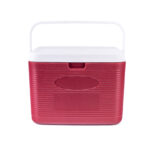
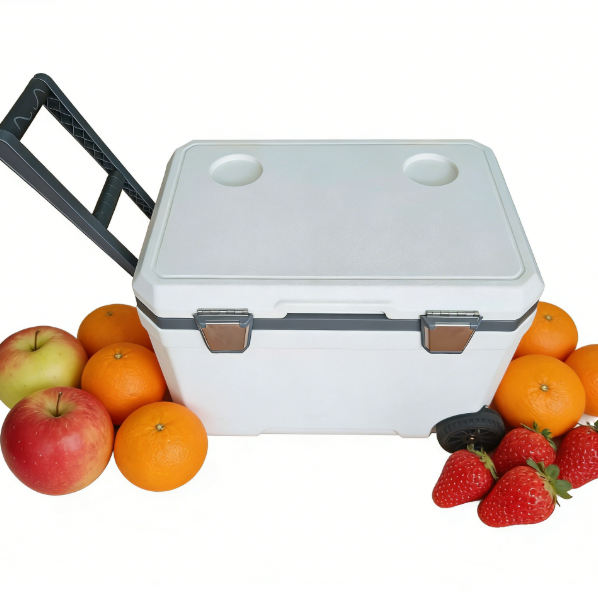
Para cadeia de frio alimentar, a caixa deve ser descrita por sua função e não por um nome amplo do produto. Pode ser um recipiente de manuseio reutilizável, um recipiente externo protetor, um expedidor isolado, ou uma parte de um embalagem passiva com temperatura controlada sistema. Essas funções não são intercambiáveis. Um recipiente EPP geral pode proteger contra choques e reduzir a transferência de calor, mas um sistema térmico qualificado requer a carga útil correta, refrigerante, processo de condicionamento, sequência de embalagem, plano de monitoramento, e critérios de aceitação.
Esta distinção protege tanto o comprador quanto o fornecedor. If the application is prepared food, chilled meals, Frutos do mar frescos, itens de mercearia, produtos de panificação, and reusable cold delivery packaging, você pode discutir dimensões, design de tampa, rótulos, limpeza, e comportamento do pacote com precisão útil. Se o item tiver regulamentação, estéril, perigoso, ou requisitos sensíveis à temperatura, a discussão sobre embalagens deve envolver qualidade, logística, e proprietários de produtos antes que o pedido final seja feito. It is not enough when direct food contact, controle de alérgenos, controle de odor, or sanitation procedures are not defined.
Um fornecedor prestativo não promete que uma caixa resolverá todas as rotas. Em vez de, o fornecedor deve ajudá-lo a separar o que o EPP pode razoavelmente fazer daquilo que deve ser tratado pelo refrigerante, embalagem interna, registro de dados, POPS, ou requisitos oficiais de transporte. Isso cria uma especificação mais clara e menos disputas após a entrega.
Escolhas de materiais que devem aparecer na especificação
O polipropileno expandido é uma espuma de células fechadas. Em termos práticos de compra, isso significa que pode ser leve, resiliente sob manuseio repetido, e útil para buffer térmico. Essas são vantagens de nível material, não garantias de desempenho finais. Uma caixa com mau contato com a tampa, cantos fracos, suportes internos estranhos, ou um aro difícil de limpar ainda pode criar problemas mesmo quando o material de base é apropriado.
A densidade é frequentemente discutida porque pode afetar a rigidez, resistência ao impacto, peso, e custo. Maior densidade pode ajudar quando a caixa enfrenta manuseio brusco, armazenamento empilhado, ou loops de retorno repetidos. Não é automaticamente melhor para todos os projetos. Se sua prioridade é frete com baixo peso, menor custo de ferramentas, ou armazenamento compacto, a decisão de densidade deve ser equilibrada com o abuso de rota e proteção de carga útil. Food products may require chilled, congelado, or ambient protection, and the target temperature must be based on the product, rota, e requisitos locais de segurança alimentar.
A forma da tampa é tão importante quanto o material da parede. O calor muitas vezes se move através de lacunas, costuras da tampa, e cantos. Os danos também tendem a começar nas bordas, alças, e pontos de fechamento. Por esse motivo, as amostras devem ser inspecionadas enquanto carregadas, não só enquanto estiver vazio. Abra a tampa repetidamente, levante a caixa cheia, verifique as superfícies de contato, e certifique-se de que a carga útil não esmague áreas macias ou empurre contra a tampa.
Para aplicações alimentícias, a discussão material deve incluir o status de contato com alimentos, forros, limpeza, controle de odor, e se a comida toca diretamente na caixa. Uma caixa pode ser feita de um material comumente usado em embalagens de alimentos, no entanto, o projeto final ainda precisa de declarações apropriadas, testando, ou embalagem interna para o mercado pretendido e tipo de alimento.
Use lógica de rota em vez de declarações genéricas de desempenho
Uma rota curta e direta com manipuladores treinados é diferente de uma rede de encomendas, uma rota de exportação transfronteiriça, um ciclo de entrega de verão, ou uma rota de armazém com aberturas repetidas de portas. Mesmo quando a mesma caixa EPP é usada, o perfil de risco muda. Exposição ambiental, tempo de espera, temperatura do veículo, pontos de transferência, e o comportamento de recepção pode ser tão importante quanto o material da caixa.
A carga útil também altera o comportamento térmico. Um completo, a carga pré-condicionada se comporta de maneira diferente de uma caixa meio vazia com itens de temperatura mista. A colocação do líquido refrigerante pode proteger ou danificar as mercadorias dependendo do contato direto, barreiras de isolamento, e fluxo de ar. Para produtos regulamentados ou de alto valor, pergunte se a embalagem proposta foi testada em condições semelhantes ao seu uso.
As alegações de sustentabilidade também devem ser práticas. O EPP reutilizável pode reduzir o desperdício de embalagens descartáveis quando as caixas são recuperadas, limpo, e reutilizado de forma eficaz. Se as caixas não forem devolvidas, são danificados rapidamente, ou exigir logística reversa excessiva, o argumento da sustentabilidade torna-se mais fraco. Os compradores devem avaliar o ciclo completo, não apenas o rótulo do material.
Verificações de compras que evitam pedidos fracos
| Pergunta do comprador | Razão prática | O que uma boa resposta deve incluir |
|---|---|---|
| Para que exatamente é usada a caixa? | A mesma caixa EPP pode ser usada para manusear, armazenar, ou suporte para cadeia de frio | Um caso de uso claro, tipo de produto, rota, e descrição da carga útil |
| Quais dimensões importam? | O tamanho externo afeta o frete, enquanto o ajuste interno afeta a estabilidade da carga útil | Dimensões internas, espaço utilizável, desenhos, e fotos de amostra |
| Como a temperatura será gerenciada? | O isolamento apenas retarda a mudança de temperatura | Intervalo necessário, refrigerante, condicionamento, plano de registrador, e evidências de teste, se disponíveis |
| Pode ser limpo e reutilizado? | Embalagens reutilizáveis falham quando a limpeza é inconveniente | Método de limpeza aprovado, processo de secagem, estratégia de rótulo, e critérios de inspeção |
| A produção corresponderá à amostra aprovada? | Pequenas alterações podem afetar o ajuste da tampa e o suporte da carga útil | Material, mofo, densidade, cor, tolerância, e expectativas de controle de mudanças |
| Quais documentos estão disponíveis? | As equipes de qualidade geralmente precisam de evidências, não apenas fotos de produtos | Fichas técnicas, desenhos, declarações, resumos de testes, ou declarações do fornecedor, conforme aplicável |
Utilize esta tabela antes de solicitar um orçamento. Isso mantém a discussão focada no ajuste, evidência, e repetibilidade, em vez de um único preço principal ou uma descrição genérica do produto.
Para cadeia de frio alimentar, a conversa mais útil sobre fornecedores começa com a carga útil e a rota. Uma vez que isso esteja claro, preço, ferramentas, amostras, e o lead time de produção pode ser comparado de forma mais justa.
O que verificar antes de passar da amostra para a produção
The first risk is using the words food-grade without confirming whether direct food contact is allowed, whether a liner is needed, and whether the design can be cleaned between uses. Isso geralmente acontece quando uma cotação usa uma linguagem forte do produto, mas o comprador não definiu os critérios reais de aceitação. Se as mercadorias forem sensíveis, o registro de compra deve mostrar por que a caixa selecionada é adequada para aquela rota e quais componentes adicionais são necessários.
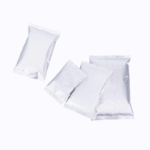
O segundo risco é a confusão de dimensões. Os compradores costumam comparar as caixas pelo tamanho externo porque isso é fácil de ver em um catálogo. A carga útil, no entanto, se preocupa com o espaço interno utilizável. Inserções, pacotes de gel, Painéis PCM, divisores, forros, material absorvente, rótulos, e os registradores podem reduzir o volume utilizável. Um teste de amostra com conteúdo real é muito mais informativo do que apenas uma tabela de dimensões.
Ferramentas úteis de decisão
Verifique os detalhes antes de escolher a embalagem
Essas ferramentas rápidas podem ajudá-lo a comparar o risco da rota, necessidades de dimensionamento, escolhas de refrigerante, e detalhes da embalagem antes de solicitar um orçamento.
Seletor de embalagens
Compare opções de embalagens isoladas por produto, rota, e necessidade de temperatura.
Encontre embalagensCalculadora de bolsa de gelo
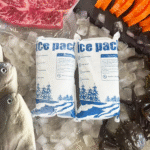
Estime a quantidade de bolsas de gelo em gel para remessas refrigeradas e planejamento prático de rotas.
Estimar bolsas de geloForro de caixa & Dimensionamento da cobertura de paletes
Verifique a lógica de dimensionamento do forro da caixa e da tampa do palete para projetos de embalagens isoladas.
Dimensionamento estimadoO terceiro risco é a limpeza e o manuseio de devoluções. Embalagens reutilizáveis em EPP podem apoiar a logística circular, mas apenas se o processo de devolução for fácil o suficiente para ser seguido pela equipe. Uma caixa difícil de limpar, inspecionar, seco, renomear, ou o ninho pode desaparecer do ciclo de reutilização. Isso pode tornar o custo real mais alto do que o preço de compra sugere.
O quarto risco é a linguagem de desempenho não suportada. Reivindicações como longo tempo de espera, conformidade universal, ou forte resistência química deve ser vinculada às condições de teste ou escrita como pontos para verificar. Uma afirmação que é verdadeira para uma carga ou rota pode estar errada para outra.. Uma boa documentação utiliza palavras cautelosas e mostra os limites da reivindicação.
Um arquivo de evidências práticas para um projeto de caixa EPP
Um arquivo de evidências útil não precisa ser complicado, mas deve responder às questões que afetam a aceitação. Para uma caixa isolada padrão, que pode incluir desenhos, descrição do material, notas de cor e marcação, orientação de limpeza, fotos de embalagens, e exemplos de registros de aprovação. Para uma aplicação sensível à temperatura, a evidência também pode incluir uma descrição do pacote, plano de monitoramento de temperatura, resumo do teste térmico, e recebendo instruções de inspeção.
Setores regulamentados exigem linguagem cuidadosa. Regras de retenção e distribuição da FDA, Expectativas do PIB da UE, Orientação da OMS para o tempo- e produtos farmacêuticos sensíveis à temperatura, Práticas de carga de saúde da IATA, e ISTA embalagem térmica todos os padrões apontam para a mesma ideia prática: o remetente deve saber os requisitos do produto, usar procedimentos apropriados, e manter evidências de que o processo pode manter a qualidade do produto. O requisito exato depende do produto, rota, e mercado.
For a project related to prepared food, chilled meals, Frutos do mar frescos, itens de mercearia, produtos de panificação, and reusable cold delivery packaging, você também deve perguntar quais afirmações são baseadas em dados testados e quais são apenas características gerais do material. verify food-contact declarations, liner requirements, método de limpeza, controle de odor, drainability, ajuste da tampa, and carton or tote integration. Se um fornecedor não puder fornecer um documento imediatamente, a resposta mais segura é tratar esse ponto como não verificado até que uma amostra ou teste possa confirmá-lo.
O custo deve ser avaliado em relação ao risco da rota e ao uso repetido
O preço da caixa EPP é determinado pela densidade do material, tamanho da peça, projeto de parede, complexidade do molde, acabamento superficial, cor, método do logotipo, quantidade do pedido, método de embalagem, e a quantidade de documentação ou testes solicitados. Uma cotação mais baixa pode ser razoável para uma caixa padrão simples. Pode ser arriscado para uma rota personalizada sensível se excluir a amostragem, revisões de ferramentas, e evidências.
Para embalagens reutilizáveis, o preço unitário é apenas uma parte do custo. Considere a redução de danos, taxa de retorno, trabalho de limpeza, armazenamento vazio, frequência de substituição, peso do frete, e se o mesmo projeto pode servir mais de uma rota. Uma caixa durável que é muito volumosa para ser devolvida pode ser cara na operação diária. Uma caixa de baixo custo que quebra na costura da tampa também pode se tornar cara quando as substituições e reclamações forem contadas.
A comparação de cotações mais justa usa a mesma especificação para todos os fornecedores. Envie a mesma descrição da carga útil, rota esperada, uso alvo, necessidades de personalização, quantidade de embalagem, e exigência de evidência. Quando um fornecedor cota um preço mais baixo, verifique se o material, design de tampa, embalagem, e documentação são realmente equivalentes.
Uma maneira realista de informar um fornecedor de caixas EPP
A seafood exporter may use an insulated EPP box with an inner liner and gel packs for short chilled movement, while a meal brand may need a washable box design that prevents sauce residue from collecting around the rim.
A lição útil é que o comprador não deve começar apenas com o tamanho da caixa. O briefing deve dizer o que será colocado dentro, se o conteúdo é pré-condicionado, quanto tempo a caixa pode permanecer fechada, onde pode ser aberto, o que acontece ao receber, e se a caixa vazia retorna para reutilização. Esses detalhes mudam o layout interno, projeto de parede, escolha de fechamento, posicionamento da etiqueta, e evidências necessárias para aprovação.
Uma análise de amostra forte deve incluir carregamento real, abertura e fechamento repetidos, levantando enquanto está cheio, aplicação de etiqueta, limpeza após uso, e uma verificação da embalagem exterior final ou do espaço do veículo. Se o desempenho da temperatura for importante, uma simples revisão visual não é suficiente. O teste deve refletir o refrigerante selecionado, massa de carga útil, exposição ambiental, e limites de aceitação.
Perguntas frequentes
Is food-grade insulated EPP box manufacturer enough for temperature-sensitive goods?
Pode fazer parte de um plano de embalagem sensível à temperatura, mas não é automaticamente suficiente. O isolamento EPP retarda a mudança de temperatura, enquanto o resultado real depende da carga útil, refrigerante, condicionamento, exposição da rota, ajuste da tampa, e monitoramento. Para produtos sensíveis, peça um plano de embalagem e evidências de teste que correspondam ao seu uso.
Qual é a principal vantagem do EPP em comparação com um simples expedidor de papelão?
EPP oferece estrutura moldada, absorção de impacto, e isolamento reutilizável em um só material. O papelão ainda pode ser necessário como caixa externa ou superfície de etiqueta, mas o EPP pode suportar melhor o manuseio repetido e a estabilidade interna da carga útil quando o projeto está correto.
Devo pedir dimensões internas ou externas?
Peça os dois. Dimensões externas afetam o frete, armazenar, e paletização. As dimensões internas decidem se sua carga útil real, refrigerante, forro, prateleira, ou registrador de dados cabe sem compressão. Para produtos sensíveis, teste a amostra com o conteúdo real antes de aprovar a produção.
Uma caixa EPP pode ser personalizada com um logotipo ou formato especial?
A personalização é possível em muitos projetos EPP, mas deve ser discutido depois que os requisitos funcionais estiverem claros. Forma, método do logotipo, cor, design de alça, comportamento da tampa, e áreas de etiqueta podem afetar o ferramental, custo, limpeza, e consistência de produção.
O que devo verificar antes de fazer um pedido em massa?
Verifique a consistência da amostra até a produção, descrição do material, densidade ou grau moldado, dimensões, qualidade de fechamento, método de embalagem, orientação de limpeza, e qualquer reclamação relacionada ao desempenho térmico. Se o projeto for regulamentado ou de alto valor, envolvem qualidade e logística antes de emitir o pedido em grandes quantidades.
Conclusão
The right food-grade insulated EPP box manufacturer decision is not based on a product name alone. EPP pode fornecer estrutura leve, resistência ao impacto, e isolamento, mas a caixa ainda deve corresponder ao produto, rota, método de manuseio, expectativa de temperatura, e exigência de evidência.
Antes de fazer o pedido, definir o papel da caixa, revisar uma amostra carregada, verifique as dimensões internas e externas, confirme como funcionará a limpeza e a reutilização, e separar o desempenho verificado das vantagens materiais gerais. Se estiverem envolvidos produtos sensíveis à temperatura ou regulamentados, envolva qualidade e logística antecipadamente para que a caixa EPP se torne parte de um sistema documentado, em vez de uma suposição esperançosa.