Embalagem para envio de alimentos congelados: Uma maneira melhor de escolher o pacote
frozen food shipping packaging should be selected as a route-specific cold-chain system, não como uma única compra de material. Comece com o requisito de temperatura do produto, então combine o isolamento, refrigerante, tamanho da caixa, documentação, e recebendo instruções para o envio real. This optimized guide focuses on the decisions that help frozen food brands, distribuidores, D2C teams, and procurement managers reduce soft arrivals, evite reivindicar excessivamente o desempenho, e compare fornecedores com perguntas mais úteis.
Defina primeiro a promessa de temperatura
A melhor opção é aquela que corresponde à sensibilidade do produto, duração da rota, exposição ambiental, e a capacidade do receptor de agir após o parto. frozen food packaging for shipping, caixas de transporte isoladas para alimentos congelados são termos de pesquisa úteis, mas a decisão de compra deve ser tomada com base em evidências: testes de amostra, documentação do fornecedor, fotos de embalagem, e critérios de aceitação claros.
Para refeições congeladas, sorvete, alimentos preparados, ingredientes congelados, and specialty food products, a pergunta certa sobre embalagem não é 'Qual material é melhor?' É 'Em que condições o produto deve estar quando o destinatário abre a embalagem?'A resposta pode envolver um limite numérico de temperatura, um requisito de qualidade, uma regra de recebimento do cliente, ou uma simples condição física, como ainda estar congelado. Quanto mais valioso ou sensível for o produto, mais precisa deve ser esta promessa.
Para alimentos congelados, many buyers use 0 deg F (-18 você C) as a practical freezer reference, but the exact acceptance limit should come from the product specification, exigência do cliente, or applicable market rule. Esta declaração pertence ao briefing de compra. Informa ao fornecedor se a rota precisa de um produto refrigerado, congelado, ultracongelado, ou abordagem de temperatura mista. Também evita o erro comum de comprar isolamento antes de definir o que o isolamento deve atingir.
Construa o sistema em torno do risco de rota
A useful frozen food shipping packaging decision includes the whole route: preparação para freezer, tempo de embalagem, retirada da transportadora, centros de classificação, permanência do veículo, ponto de entrega, e recebendo inspeção. A caixa é apenas uma parte dessa rota. Uma remessa pode falhar antes de sair do armazém se a carga útil não estiver totalmente acondicionada ou se as caixas embaladas esperarem muito tempo fora armazenamento refrigerado.
O risco da rota também é sazonal. Um pack-out que funciona em clima ameno pode não funcionar durante uma onda de calor ou atraso nas férias. Os compradores devem definir faixas aprovadas, níveis de serviço aprovados, suposições de permanência máxima, e o que fazer quando uma remessa perde o prazo de entrega esperado. This is especially important when unmapped multi-day routes, mixed-temperature loads, products that cannot tolerate partial thaw, or lanes where the receiver cannot inspect and freeze promptly.
Os programas mais fortes usam evidências em camadas. Uma folha de dados do fornecedor fornece um ponto de partida. Um teste de amostra mostra se a configuração é plausível. Um teste de rota mostra como o pacote se comporta no caminho logístico real. As verificações de chegada mostram se as operações diárias estão próximas da receita aprovada.
Combine os componentes com o trabalho que eles realmente realizam
| Componente | O que faz bem | Limite que não deve ser ignorado |
|---|---|---|
| Caixa externa ou remetente | Fornece estrutura, proteção de manuseio, e superfície da etiqueta | Não controla a temperatura, a menos que seja combinado com isolamento e refrigerante |
| Forro ou caixa isolada | Retarda o ganho de calor e protege contra a exposição ambiental | Não cria frio e pode perder valor se as costuras ou tampas estiverem mal fechadas |
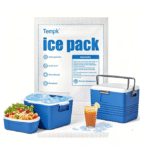
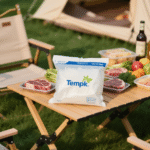
| Pacote de gel ou tijolo para freezer | Adiciona reserva de resfriamento e simplifica muitas embalagens não perigosas | Pode não ser suficiente para rotas longas ou congeladas sem testes |
| Gelo seco | Fornece resfriamento muito forte em baixa temperatura para remessas congeladas adequadas | Sublima em gás e pode exigir ventilação, marcação, e manuseio especial |
| Registrador ou indicador de temperatura | Cria evidências para revisão de pista e recebimento de decisões | Registra a temperatura, mas não protege o produto |
Esta comparação mantém a decisão prática. Os componentes não são intercambiáveis apenas porque são usados em embalagem da cadeia de frio. Um forro, um refrigerante, e um logger resolve problemas diferentes. O papel do comprador é combiná-los apenas onde a rota, produto, e processo operacional apoiam a escolha.
O que verificar antes de fazer um pedido em massa
A compra em massa deve começar depois que a amostra tiver provado mais do que a aparência. O comprador deve verificar as dimensões internas utilizáveis, ajuste de carga útil, consistência material, compatibilidade de refrigerante, método de fechamento, trabalho de embalagem, e qualquer evidência de teste disponível. If the quote is based on frozen food packaging for shipping, Caixas de remessa isoladas para comida congelada, certifique-se de que esses termos se refiram aos materiais reais e aos limites de desempenho propostos, não nomes de categorias genéricos.
- Pergunte se o tempo de espera declarado foi medido com a mesma carga útil e perfil de ambiente esperado.
- Confirme se as dimensões são brutas, interno, ou utilizável após isolamento e refrigerantes.
- Verifique se o material da amostra é o mesmo material que será enviado na produção.
- Pergunte como o fornecedor lida com as substituições de materiais, mudanças de design, e repetir pedidos.
- Solicite um diagrama de embalagem ou fotos que possam ser usadas pela equipe do armazém.
- Defina as etapas de inspeção de recebimento antes que a primeira remessa em escala saia de suas instalações.
Estas questões não atrasam as aquisições; eles evitam retrabalhos evitáveis. Se um fornecedor não puder explicar o limite operacional do pack-out, o comprador pode estar assumindo riscos ocultos. Se o fornecedor puder discutir claramente as limitações, o comprador tem uma base melhor para testes e dimensionamento.
Controles operacionais após a caixa sair da bancada de embalagem
Um pack-out só é confiável quando a operação o repete. Defina o tempo de condicionamento do freezer para refrigerantes, o tempo máximo que o produto pode permanecer fora do armazenamento refrigerado, a ordem do pacote, o método de fechamento da caixa, e a verificação de liberação. Para remessas de gelo seco, incluem ventilação e revisão do rótulo. Para remessas de pacotes de gel ou blocos para freezer, incluir verificação de condicionamento. Para forros, incluem fechamento de aba e verificações de costura.
O receptor deve ter instruções que correspondam ao produto. Eles deveriam saber se devem abrir imediatamente, qual condição de chegada é aceitável, onde colocar as mercadorias, que evidências capturar se houver um problema, e quem deve revisar as exceções. Uma boa instrução de recebimento não é uma inserção de marketing. É uma etapa de controle de risco que fecha o ciclo da cadeia de frio.
Quando uma remessa falha, revise a cadeia antes de culpar um único material. O produto estava totalmente congelado? Os refrigerantes foram condicionados? O tamanho da caixa foi alterado? Ocorreu um atraso na operadora? A caixa ficou fechada? O freezer receptor estava disponível? Essas questões levam a soluções úteis em vez de suposições.
Prevenção de riscos por caso de uso
parcel shipments, wholesale replenishment, remessas de teste, seasonal promotions, amostras congeladas, and small cold-chain lanes where a passive system is more practical than a refrigerated vehicle are often good candidates for passive packaging when the system is designed carefully. O comprador ainda precisa separar rotas de baixo risco e de alto risco. Rotas de baixo risco podem permitir um formato mais simples de forro e pacote de gel. Rotas de maior risco podem precisar de um expedidor com isolamento rígido, mais reserva de refrigerante, gelo seco, ou um nível de serviço diferente.
Ferramentas úteis de decisão
Verifique os detalhes antes de escolher a embalagem
Essas ferramentas rápidas podem ajudá-lo a comparar o risco da rota, necessidades de dimensionamento, escolhas de refrigerante, e detalhes da embalagem antes de solicitar um orçamento.
Forro de caixa & Dimensionamento da cobertura de paletes
Verifique a lógica de dimensionamento do forro da caixa e da tampa do palete para projetos de embalagens isoladas.
Dimensionamento estimadoSeletor de embalagens
Compare opções de embalagens isoladas por produto, rota, e necessidade de temperatura.
Encontre embalagensReferência de material de isolamento
Compare as opções de materiais de isolamento para diferentes necessidades de embalagens da cadeia de frio.
Compare materiaisunmapped multi-day routes, mixed-temperature loads, products that cannot tolerate partial thaw, or lanes where the receiver cannot inspect and freeze promptly should trigger a different discussion. Nestes casos, um comprador pode precisar de refrigeração ativa, um sistema de transporte térmico qualificado, testes específicos de rota, ou uma decisão em nível de produto sobre se a remessa deve ser oferecida. Dizer não a uma rota inadequada às vezes é a decisão de embalagem mais responsável.
A frozen prepared-meal brand wants to move from local delivery to regional parcel shipping. The team has already frozen the meals, but summer handovers and weekend delays create soft edges on arrival. Nesta situação, a equipe deve evitar pular diretamente para um pedido em massa completo. Um caminho melhor é testar um pequeno número de pack-outs, registrar condição de chegada, revisar o feedback do receptor, e então padronizar a receita que proporciona o melhor equilíbrio de proteção, trabalho, custo, e experiência do cliente.
Erros comuns para remover do processo
Os mesmos erros evitáveis aparecem em muitos programas de congelamento e de cadeia de frio. As equipes compram por dimensões externas em vez de volume utilizável. Eles testam em clima ameno e são lançados no verão. Eles condicionam refrigerantes de forma inconsistente. Eles deixam os pacotes em uma doca enquanto a papelada é concluída. Eles copiam uma embalagem de um produto diferente porque a caixa é semelhante.
- Do not normalize packing product that is not fully frozen.
- Do not normalize using a box size that leaves large air gaps.
- Do not normalize copying a winter pack-out into a summer lane.
- Do not normalize placing coolant where it blocks carton closure.
- Do not normalize assuming a stated hold time applies to a different payload.
Um bom POP deve eliminar esses erros do trabalho diário. Deve ser curto o suficiente para ser usado pelos embaladores e específico o suficiente para que as equipes de qualidade possam auditar. Fotos, contagens de componentes, e simples verificações de aceitação costumam ser mais eficazes do que instruções longas que ninguém lê durante uma janela de remessa movimentada.
Perguntas frequentes
How do I choose frozen food shipping packaging for a new route?
Comece com a condição de chegada exigida do produto, em seguida, mapeie a duração da rota, pontos de transferência, temporada, carga útil, e processo de recebimento. Escolha isolamento e refrigerante juntos, não separadamente. Execute um teste de amostra que corresponda ao tamanho real da caixa e à carga útil antes do dimensionamento.
Que prova um fornecedor deve fornecer?
Prova útil inclui detalhes do material, dimensões utilizáveis, diagramas de embalagem, condições de teste, quando disponíveis, e limites operacionais claros. Um amplo número de tempo de espera sem carga útil, perfil ambiente, quantidade de refrigerante, ou os critérios de aprovação/reprovação devem ser tratados como uma afirmação inicial, não é uma decisão final.
Posso usar um pacote para cada temporada?
Às vezes, mas deve ser provado. Muitos programas necessitam de ajustes sazonais porque a exposição ambiental, morada da transportadora, e as condições de destino mudam. Um plano sazonal pode ser simples: uma troca de refrigerante aprovada, um corte de envio, um nível de serviço atualizado, ou um pacote alternativo para faixas de alto risco.
A opção mais sustentável é sempre a opção mais leve?
Não. A escolha mais sustentável também deve proteger o produto. Um material mais leve que aumenta a perda de produto, reivindicações, ou reenvios podem criar um resultado total pior. Avalie evidências térmicas, rota de descarte, viabilidade de devolução, trabalho, e taxa de dano juntos.
Conclusão
Notas Adicionais sobre Aquisições
When the buying team compares quotes for frozen food shipping packaging, deve separar o preço do material do custo operacional total. Espaço de armazenamento, tempo de embalagem, taxa de dano, treinamento, manuseio de gelo seco, recebendo disputas, e remessas de reposição podem alterar o custo real de uma embalagem. Um custo unitário ligeiramente superior pode ser justificado se a embalagem for mais fácil de montar, mais fácil de auditar, e menos propensos a criar reclamações de temperatura ou vazamento.
A aquisição também deve confirmar o caminho da amostra até a produção. Pergunte se o mesmo filme, dobra do forro, estrutura de caixa, enchimento de refrigerante, e design de fechamento serão usados na produção. Se o fornecedor puder alterar materiais, o comprador deve definir quando a notificação e o novo teste são necessários. Isto é especialmente importante para refeições congeladas, sorvete, alimentos preparados, ingredientes congelados, and specialty food products, onde pequenas mudanças podem afetar a estabilidade da temperatura e a experiência do cliente.
Finalmente, decidir quem é o responsável pela decisão de avançar ou não avançar quando ocorre uma exceção de rota. Um fornecedor de embalagens pode recomendar componentes, mas o remetente deve definir limites de envio, revisão de entrega atrasada, instruções do receptor, e escalação de qualidade. That division of responsibility keeps frozen food shipping packaging from becoming a vague promise and turns it into a controllable operating procedure.
Choosing frozen food shipping packaging well means making the cold-chain promise visible. Defina a condição necessária do produto, escolha componentes para suas funções reais, verificar o pack-out em condições realistas, e escrever controles operacionais que as pessoas possam repetir. A opção de menor risco nem sempre é a mais cara, e a opção mais barata nem sempre é econômica. A melhor escolha é aquela que protege a qualidade do produto dentro de um claro, testado, e limite repetível.
Sobre Tempk
Tempk supports food cold-chain buyers with pacotes de gel, Pacotes de gelo seco, tijolos de gelo congelador, caixas de transporte frio, Caixas isoladas em EPP, forros de caixa isolados, Tampas de paletes, e materiais de controle de temperatura relacionados. Trabalhamos com compradores que precisam de recomendações práticas de embalagens para rotas reais, incluindo amostras de avaliações, discussões sobre ajuste de caixa, e comparações de refrigerante. Nosso papel é ajudar a conectar materiais com necessidades de produtos e fluxo de trabalho de embalagem, ao sair da qualificação da rota, regras de mercado, e critérios de aceitação do cliente para o processo de qualidade e logística do comprador.
Compartilhe seu tipo de produto, tempo de rota, carga útil, tamanho da caixa, and target arrival condition with Tempk to compare frozen food shipping packaging options before scaling up.