Frozen vegetables shipments need a frozen packout that protects both temperature and product appearance. Para a maioria das rotas comerciais de alimentos congelados, o alvo receptor é -18 C ou abaixo, e a caixa também deve evitar geadas, esmagamento, dano na etiqueta, e perda de qualidade de descongelamento-recongelamento.
Frozen vegetables are usually judged by free-flowing texture, nível de geada, and whether retail bags arrive clean and intact.
The packout should prevent warm-air exchange during loading and keep gelo seco from rubbing against thin film bags.
Mixed frozen cartons should keep vegetables away from heavy boxes that can crush bags and create clumping after thaw-refreeze exposure.
Dados de planejamento da cadeia de frio
| Janela de temperatura | -18 C or below at receiving; short loading exposure should be controlled by staging and route validation. |
|---|---|
| Umidade ou umidade | Keep the shipper dry and sealed. Moisture and warm air exposure create frost, aglomeração, e danos na etiqueta. |
| Pré-resfriamento | Pre-condition the insulated shipper, forro, e refrigerante. Load frozen vegetables directly from freezer staging. |
| Pressão de embalagem | Protect retail bags from carton corners, Blocos de gelo seco, and heavy mixed frozen SKUs. |
| Colocação do refrigerante | Use dry ice or frozen coolant above and around the load with a divider; avoid direct abrasion on thin bags. |
| Duração do trânsito | 24-72 h routes should be tested with actual bag count, tamanho da caixa, and seasonal dwell. |
| Perdas comuns | Frost bloom, clumped pieces, punção na bolsa, thaw-refreeze texture loss, etiquetas molhadas, e rejeição do cliente. |
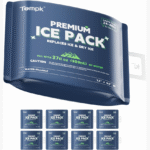
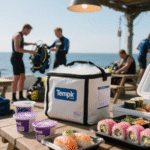
| Pacote Tempk adequado | Tempk insulated box with dry ice compatible liner, top coolant zone, sidewall insulation, folha de proteção de bolsa, e registrador de rotas. |
Abordagem de embalagem recomendada
Comece com o produto que já está congelado no destino de expedição. Um expedidor isolado e o plano de gelo seco deve manter a condição de congelamento durante o trânsito, não puxe o produto quente de volta após o carregamento. Pré-condicione o remetente, mantenha o tempo de preparação do freezer curto, e feche a caixa rapidamente para reduzir a troca de ar quente.
Ferramentas úteis de decisão
Verifique os detalhes antes de escolher a embalagem
Essas ferramentas rápidas podem ajudá-lo a comparar o risco da rota, necessidades de dimensionamento, escolhas de refrigerante, e detalhes da embalagem antes de solicitar um orçamento.
Gerador de lista de verificação de conformidade
Crie uma lista de verificação prática para revisão de embalagens, envio, e documentação.
Lista de verificação de construçãoRefrigerante & Referência PCM
Compare as opções de refrigerante e PCM quando uma rota precisar de suporte adicional de temperatura.
Comparar opçõesResistência à queda de material de isolamento
Revise a resistência à queda e os fatores de manuseio antes de escolher materiais de isolamento.
Verifique a resistênciaPara remessas de gelo seco, use uma zona de refrigeração separada e rotulagem compatível com a transportadora. O gelo seco deve proteger o perfil térmico sem esfregar as sacolas de varejo, quebrando bandejas, ou criando queimadura direta na superfície. Para pistas onde o gelo seco não é permitido, congelado pacotes de gel e isolamento mais forte requerem validação separada porque a curva de temperatura será diferente.
Verificações de qualidade antes do lançamento
Antes de usar a embalagem comercialmente, teste o mesmo tamanho do remetente, peso do produto, massa de refrigerante, serviço de transportadora, comprimento da rota, e estação. Ao receber, verifique a temperatura do produto, nível de geada, integridade do saco ou bandeja, condição do rótulo, secura da caixa, e se o produto apresenta sinais de descongelamento-recongelamento.
Para seleção de embalagens Tempk, um ponto de partida típico é um alto desempenho caixa isolada, forro compatível com gelo seco, camada de refrigerante separada, ficha de suporte do produto, e registrador de rotas. A massa final do líquido refrigerante deve ser definida pelos dados de validação e regras de manuseio de destino, especialmente para 48-72 h rotas de encomendas.
Base de referência
As suposições de temperatura seguem as práticas comuns de manuseio de alimentos congelados e as orientações de segurança alimentar do consumidor da FDA que identificam a temperatura do freezer em 0 F / -18 C. Os programas finais devem seguir as especificações do próprio expedidor, regras do mercado de destino, e requisitos de transportadores para gelo seco.