Reivindicações ecológicas de tijolos de gel em embalagens de cadeia de frio: Um guia prático de seleção
Um tijolo de gel ecológico deve ser selecionado como parte de uma embalagem, não como uma promessa isolada. O comprador precisa saber o que o tijolo contém, como é selado, como será congelado ou condicionado, onde fica no contêiner isolado, e quais provas são necessárias antes de passar para uso em massa. Este guia otimizado combina educação sobre produtos, limites técnicos, e conselhos de compra em nível de rota para que você possa tomar uma decisão de fornecimento mais defensável. Ele mantém as reivindicações de desempenho vinculadas à carga útil real, faixa, e processo de embalagem.
Conclusão prática: escreva primeiro a rota e o requisito de carga útil, em seguida, selecione o tijolo de gel ecológico como um componente de resfriamento que pode ser testado, embalado, inspecionado, e dimensionado sem criar novos riscos de manuseio.
Comece com o trabalho, não o nome do produto
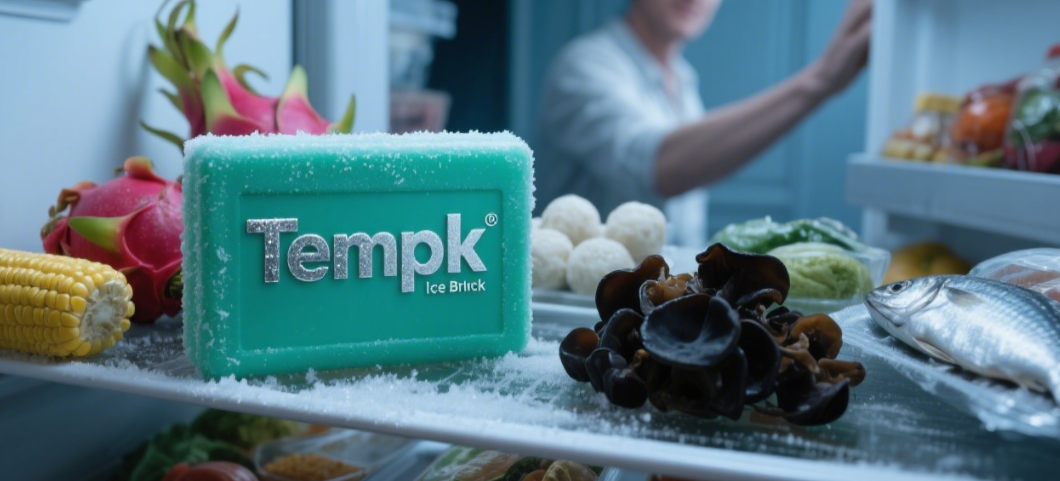
Um tijolo de gel é uma fonte de frio rígida ou semirrígida usada dentro de um transportador isolado, caixa térmica, bolsa, ou saco de entrega. Dependendo do projeto, o recheio pode ser um gel à base de água, uma formulação PCM, ou outra mistura de refrigerante. A forma rígida facilita a contagem, colocação, e manuseio repetido mais fácil do que muitos soft packs, enquanto o recheio fornece massa térmica que absorve o calor à medida que aquece ou derrete. Essa é a contribuição útil: o tijolo retarda o ganho de calor dentro do recipiente. Não cria uma remessa qualificada por si só.
Para compradores, a primeira decisão não é se o nome do produto soa forte. É se o tijolo suporta transferências onde os resíduos de embalagens, desembalagem do cliente, instruções de descarte, e a transparência material afetam as decisões de compra. Se o percurso for curto, o contêiner isolado é eficiente, e o produto pode tolerar amplas condições de refrigeração, um tijolo de gel padrão pode ser suficiente após o teste da amostra. Se o produto for sensível ao congelamento ou a faixa aceita for estreita, o comprador pode precisar de um bloco PCM, camadas de separação, pré-condicionamento controlado, um plano de registrador, e revisão de qualidade. O mesmo formato físico pode, portanto, servir propósitos muito diferentes dependendo de como é usado.
Compare os formatos de refrigerante antes de bloquear a especificação
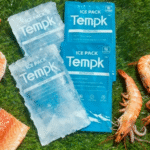
Muitos erros de compra começam quando as equipes usam nomes de produtos de maneira imprecisa. Um pacote de gel macio pode ser fácil de enrolar nos cantos do produto, enquanto um tijolo de gel rígido é mais fácil de contar, pilha, limpar, e coloque em um mapa de carregamento repetível. Um tijolo de gelo cheio de água pode ser econômico onde o resfriamento amplo é aceitável. Um pacote PCM pode ser melhor quando a remessa precisa de um comportamento de temperatura mais definido. Nenhum desses formatos é automaticamente superior; a escolha certa depende dos requisitos de temperatura, Design de contêiner, rota, processo trabalhista, e orçamento.
Para tijolo de gel ecológico, a comparação deve focar no que o comprador deseja controlar. Se a prioridade for suporte refrigerado simples, um gel padrão ou tijolo à base de água pode ser prático. Se a prioridade for a gestão do risco de congelamento ou um intervalo de metas mais restrito, um formato PCM pode valer a pena avaliar. Se a prioridade é a sustentabilidade, a questão não é apenas se o tijolo é reutilizável, mas se ele retorna de forma confiável e permanece limpo e intacto. Se a prioridade for o manuseio brusco, um formato rígido e resistente pode reduzir o risco de perfuração, mas também pode ocupar mais espaço de carga útil.
| Situação do comprador | Direção do meio de resfriamento | O que verificar antes de fazer o pedido |
|---|---|---|
| Alimentos refrigerados de rotina ou mercearia | Tijolo de gel ou tijolo de gelo à base de água | Ajuste de caixa, condensação, separação de produtos, capacidade de congelamento, e condição de chegada |
| Cuidados de saúde refrigerados ou carga útil de laboratório | Tijolo de gel condicionado, PCM Brick, ou pacote híbrido | Gama de rótulos de produtos, risco de congelamento, plano de registrador, perfil de rota, e aprovação de qualidade |
| Rota local repetida | Tijolo rígido reutilizável | Processo de devolução, limpeza, inspeção de danos, controle de perdas, e giro do freezer |
| Rota mais longa ou mais quente | Maior massa térmica, PCM, ou design híbrido | Perfil ambiente, carga útil, isolamento, layout de embalagem, e provas de teste |
| Geometria de caixa personalizada | Tijolo de tamanho personalizado ou formato moldado | Dimensões internas, liberação do produto, aprovação de amostra, e tolerância de produção |
Use a tabela como um filtro de fornecimento, não como uma regra universal. Ajuda a equipe de compras a fazer perguntas mais precisas antes da produção das amostras. A decisão final ainda precisa de um teste usando o produto real ou um simulador de carga útil justificado, o recipiente isolado pretendido, e o processo de embalagem que a equipe do armazém pode repetir.
Traduza os recursos do produto em instruções de operação
O ponto fraco mais comum não é apenas o tijolo; é a lacuna entre a especificação do produto e o comportamento do armazém. Um tijolo de gel ecológico deve ser congelado ou acondicionado de forma definida, colocado na caixa de forma consistente, separados de produtos que não devem tocar uma superfície congelada, e inspecionado antes do uso. Se os operadores embalarem por memória, alterar o número de tijolos durante períodos de maior movimento, ou carregue tijolos quentes porque o espaço do freezer é limitado, a especificação do produto no pedido de compra não protegerá a remessa.
Uma instrução prática de embalagem deve informar ao operador para onde vai cada tijolo, qual condição inicial é aceitável, como lidar com a condensação, que barreira ou divisória é necessária, e quando um tijolo deve ser rejeitado por causa de vazamento, deformação, contaminação, ou cantos quebrados. Deve também definir o que acontece no recebimento. Uma equipe de recebimento que apenas verifica se a mercadoria chegou fria pode perder evidências de congelamento de contato, refrigerante descongelado, ou um atraso de rota que a equipe de qualidade precisa revisar.
Para remessas onde resíduos de embalagens, desembalagem do cliente, instruções de descarte, e a transparência material afetam as decisões de compra, o mapa de carregamento é especialmente importante porque a superfície mais fria pode ser o próprio tijolo. O contato direto pode ser útil para alguns produtos e arriscado para outros. Produtos alimentícios podem precisar de uma barreira sanitária. Produtos farmacêuticos podem exigir separação documentada e monitoramento de temperatura. Embalagens de varejo frágeis podem precisar de espaço para evitar esmagamento. Estes não são pequenos detalhes; eles são a diferença entre um componente de resfriamento e um processo repetível de cadeia de frio.
Este artigo usa uma linguagem cautelosa em relação aos requisitos da cadeia de frio. Muitas rotas farmacêuticas e de vacinas são planejadas em torno de condições de armazenamento rotuladas ou especificadas, e algumas remessas refrigeradas de cuidados de saúde usam faixas como 2 graus C a 8 graus C. Isso não significa que todos os medicamentos, amostra, ou produto alimentar compartilha o mesmo requisito. Os compradores devem confirmar o rótulo do produto, acordo de qualidade, perfil de rota, e regras locais. Padrões e práticas como perfis térmicos ISTA, Procedimentos de carga sensíveis à temperatura da IATA, Regras de contato com alimentos da FDA, e as orientações de armazenamento de vacinas do CDC são referências úteis, mas não substituem a qualificação do próprio comprador ou a documentação do fornecedor.
O que confirmar antes da aprovação da amostra e da produção em massa
Antes de encomendar tijolos de gel ecológicos a granel, faça perguntas que conectem o produto à sua rota. A conversa útil com o fornecedor deve abranger a divulgação de materiais, plano de reutilização, manuseio não perigoso, instruções de descarte, redução de embalagens, e disciplina de reclamação do fornecedor. Se o fornecedor não puder explicar como o tijolo deve ser acondicionado, como o peso de enchimento é controlado, como o vazamento é tratado, ou quais verificações de amostra são realistas, o comprador deve desacelerar. Um preço unitário baixo pode se tornar caro se o produto não couber na embalagem, demora muito para congelar, ou cria disputas de qualidade após a entrega.
Peça ao fornecedor para definir exatamente o que significa ecologicamente correto para o produto: reutilizável, reciclável, embalagem reduzida, conteúdo de gel mais seguro, ou uma reivindicação documentada. Pergunte também se o fornecedor pode manter as especificações da amostra e da produção em massa alinhadas. Uma amostra que funciona porque foi preparada cuidadosamente pode não representar uma produção rotineira se as dimensões, enchimento, projeto de vedação, embalagem de papelão, ou as instruções de condicionamento mudam mais tarde.
As equipes de compras podem usar as seguintes perguntas durante a triagem de fornecedores:
- O que exatamente está dentro do tijolo, e há uma SDS ou declaração de material disponível?
- O uso declarado refere-se a um tijolo independente ou a um pacote testado com isolamento e carga útil??
- Como o tijolo deve ser congelado, condicionado, armazenado, carregado, e inspecionado antes do uso?
- Qual é a diferença entre dimensões externas, espaço de embalagem utilizável, e o espaço deixado para o produto?
- Que evidências apoiam qualquer declaração de desempenho, e corresponde à rota pretendida?
- Como estão danificados, vazando, inchado, ou unidades contaminadas identificadas e removidas?
- Para tamanho personalizado ou trabalho com marca própria, quais etapas de aprovação evitam o desvio da amostra para a produção?
A resposta nem sempre precisa ser um pacote formal de validação. Para entrega de alimentos de baixo risco, um teste de amostra prático e instruções de embalagem claras podem ser suficientes. Para cuidados de saúde, Biologics, Diagnóstico, ou faixas regulamentadas, a equipe de qualidade do comprador pode exigir evidências mais rigorosas, monitoramento de temperatura documentado, e aprovação específica da rota. A chave é combinar o nível de evidência com o nível de risco da remessa.
Ferramentas úteis de decisão
Verifique os detalhes antes de escolher a embalagem
Essas ferramentas rápidas podem ajudá-lo a comparar o risco da rota, necessidades de dimensionamento, escolhas de refrigerante, e detalhes da embalagem antes de solicitar um orçamento.
Avaliador de risco da rota
Revise as condições da pista antes de selecionar a embalagem para requisitos operacionais reais.
Verificar risco da rotaRefrigerante & Referência PCM
Compare as opções de refrigerante e PCM quando uma rota precisar de suporte adicional de temperatura.
Comparar opçõesForro de caixa & Dimensionamento da cobertura de paletes
Verifique a lógica de dimensionamento do forro da caixa e da tampa do palete para projetos de embalagens isoladas.
Dimensionamento estimadoBandeiras vermelhas a serem detectadas antes do primeiro grande pedido
UM tijolo de resfriamento pode falhar de maneiras que não são visíveis na lista de produtos. Pode ser muito grande para a caixa, deixando menos espaço para o produto. Pode estar muito frio para uma carga útil sensível ao congelamento. Pode ser difícil congelar com rapidez suficiente para as operações diárias. Pode vazar após manuseio repetido. Pode chegar com preenchimento inconsistente. Pode ser colocado em cima de mercadorias frágeis porque não existe mapa de carregamento. Nenhum desses problemas significa que a ideia de tijolo de gel ecológico esteja errada; significa que a compra não estava ligada à operação real.
O atalho de maior risco é tratar um componente como um sistema. Um tijolo de gel, PCM Brick, caixa isolada, forro, registrador de dados, ou a gravadora tem uma função diferente. O tijolo fornece uma fonte fria. O isolamento retarda o fluxo de calor. O layout da embalagem controla o contato e o fluxo de ar. O registrador registra o que aconteceu. O processo de qualidade decide se a evidência é aceitável. Quando essas funções são misturadas, os compradores podem esperar que o tijolo faça um trabalho que pertence ao design completo da embalagem.
Outra bandeira vermelha é um número de desempenho sem contexto. Se um fornecedor declarar um tempo de espera, o comprador deve perguntar qual perfil de ambiente, carga útil, recipiente, quantidade de refrigerante, condição inicial, e critérios de aceitação foram usados. Um resultado laboratorial pode ser útil, mas não é uma promessa para todas as pistas. Se um fornecedor não puder fornecer contexto, trate o número como uma afirmação de marketing até que sua própria amostra ou teste de rota o apoie.
Como um comprador pode passar da amostra à produção
Uma equipe de compras que desenvolve uma nova caixa isolada pode tratar a seleção ecológica de tijolos de gel como um processo de aprovação em etapas. Primeiro, definir a carga útil, faixa de temperatura necessária, dimensões internas da caixa, duração da rota, e provável exposição ambiental. Segundo, solicitar amostras que se ajustem ao mapa de carregamento em vez de um tamanho genérico. Terceiro, execute um pacote piloto com o mesmo freezer, operadores, divisores, e recebimento de cheques que serão usados posteriormente. Quarto, compare os dados e as condições do produto antes de alterar a especificação.
Essa abordagem é mais lenta do que escolher uma foto de um catálogo, mas reduz mudanças evitáveis após ferramental, obra de arte, embalagem de papelão, ou as instruções do armazém estão bloqueadas. Também ajuda o fornecedor a entender quais detalhes são críticos e quais são flexíveis. O resultado é uma decisão de compra mais fácil para as operações, qualidade, e compras para defender.
Evite o greenwashing em linguagem de produto ecologicamente correta
Ecologicamente correto não é uma especificação técnica. Deve ser traduzido em declarações específicas que um comprador possa verificar, como design reutilizável, embalagem externa reciclável, refrigerante de uso único reduzido, manuseio não perigoso sob uso pretendido, ou instruções de descarte mais claras. O fornecedor deve estar disposto a definir a reclamação em linguagem simples.
Os compradores também devem considerar o mercado onde o produto será utilizado. Regras de reciclagem, expectativas de contato com alimentos, e os requisitos para resíduos de embalagens podem variar de acordo com a região. Uma afirmação que seja aceitável para um mercado pode necessitar de redação ou documentação diferente em outro. Em caso de dúvida, usar modesto, linguagem factual em vez de amplas promessas ambientais.
Para proprietários de marcas, a mensagem mais segura voltada para o cliente geralmente explica a ação: reutilize este tijolo quando possível, inspecione-o antes de reutilizá-lo, mantenha-o fora do contato direto com alimentos não embalados, e descarte as unidades danificadas de acordo com as regras locais. Isso é mais útil do que um rótulo que simplesmente diz ecologicamente correto.
Perguntas frequentes
Um tijolo de gel é ecologicamente correto o suficiente para controlar a temperatura da remessa por si só??
Não. Um tijolo de gel ecológico é um componente de resfriamento, não é um sistema completo com temperatura controlada. Deve ser usado com um recipiente isolado adequado, um layout de embalagem definido, condicionamento correto, e instruções de manuseio. Para remessas de alto risco, os compradores também devem revisar o monitoramento de temperatura, exposição da rota, e requisitos de aprovação de qualidade antes de usar o tijolo na produção.
Quando devo considerar o PCM em vez de um tijolo de gel padrão?
Considere o PCM quando a carga precisar de um comportamento de temperatura mais definido, melhor controle do risco de congelamento, ou uma faixa-alvo que um simples tijolo de gel congelado não pode suportar de forma confiável. O ponto de mudança de fase deve corresponder aos requisitos do produto, e o packout deve ser testado com a carga útil pretendida, expedidor isolado, e perfil ambiental.
O que devo perguntar a um fornecedor antes de fazer um pedido em massa?
Pergunte sobre o recheio, material de concha ou bolsa, integridade do selo, instruções de condicionamento, consistência de preenchimento, embalagem de papelão, e quais evidências apoiam qualquer declaração de desempenho. Para tijolo de gel ecológico, pergunte também como o produto deve ser inspecionado antes de reutilizá-lo ou embalá-lo, e se as amostras corresponderão às unidades de produção em massa.
O que torna um tijolo de gel mais sustentável ou ecológico?
As alegações mais fortes geralmente vêm de fatores específicos, como reutilização, embalagem do tamanho certo, redução de resíduos descartáveis, transparência material, e instruções claras de descarte ou devolução. Uma afirmação vaga de ecologia é fraca, a menos que o fornecedor possa definir o que isso significa e o comprador possa operar a rota de uma forma que apoie a afirmação..
Conclusão
Um tijolo de gel ecológico deve ser avaliado pelo ajuste, evidência, e disciplina operacional. A decisão de compra mais útil conecta o bloco de resfriamento aos requisitos do produto, Recipiente isolado, exposição da rota, processo de condicionamento, e rotina de inspeção. Se o envio for simples, um gel padrão ou tijolo à base de água pode funcionar após testes práticos. Se a remessa for sensível, faixa estreita, reutilizável, personalizado, ou de alto risco, o comprador deve solicitar informações materiais mais claras, orientação de embalagem, e evidências que reflitam o uso pretendido.
O próximo passo mais seguro é transformar sua rota em uma especificação: tipo de produto, faixa de temperatura aceita, dimensões da caixa, tempo de trânsito esperado, exposição ambiental, carregando mapa, processo de devolução, e necessidades de documentação. Com esses detalhes, O tijolo de gel ecológico pode ser comparado como parte de um sistema real de cadeia de frio, e não como um item de catálogo.
Sobre Tempk
Xangai Tempk Industrial Co., Ltda. usa a marca Tempk para embalagem da cadeia de frio produtos e soluções. As informações públicas da empresa descrevem uma linha de produtos que inclui bolsas de gelo em gel, bolsas de gelo cheias de água, tijolos de gelo congelador, Caixas isoladas em EPP, forros isolados, sacos isolados, Tampas de paletes, e outros materiais da cadeia de frio. Para equipes comparando tijolos em gel, A Tempk pode apoiar um processo de seleção mais fundamentado, discutindo a sensibilidade do produto, geometria da caixa, formato de mídia de resfriamento, verificações de amostra, e consistência do pedido em massa.
Compartilhe sua carga útil, rota, Tamanho da caixa, e requisitos de temperatura com a Tempk para discutir se o tijolo de gel ecológico ou outro formato de mídia de resfriamento é o melhor ponto de partida para amostras e planejamento em massa.