Embalagem de tijolos de gel: Construa um sistema térmico repetível
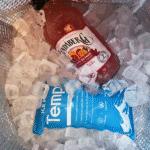
A embalagem de tijolos de gel funciona quando o refrigerante, isolamento, produto, camadas de separação, encerramento, e o processo de embalagem se comporta como um sistema definido. O tijolo armazena uma quantidade finita de energia de resfriamento; não regula a temperatura nem estabelece o tempo de espera de uma remessa por conta própria. Um tijolo bem feito ainda pode falhar em uma caixa grande, ao lado de um produto sensível ao congelamento, ou após condicionamento incompleto.
A questão de compra útil não é, portanto, qual tijolo “dura mais”. É aquele pacote completo que protege a carga útil especificada durante a viagem pretendida e pode ser reproduzido pela equipe normal do armazém. Essa resposta requer uma base de design clara, testes mapeados, e controle de cada componente que afeta o fluxo de calor.
Escreva os requisitos de envio antes de escolher os componentes
O desenvolvimento profissional da embalagem começa com a decisão de aceitação no destino. O proprietário do produto ou equipe de qualidade deve definir as condições exigidas e como qualquer excursão será avaliada. Comida, material de diagnóstico, cosméticos, e os produtos farmacêuticos não partilham um requisito universal de temperatura, mesmo quando todos são descritos como frios.
Transforme esse requisito em um resumo de engenharia:
Dimensões do produto, massa, embalagem primária, e sensibilidade térmica
Mínimo, típico, e configurações de carga útil máxima
Condição inicial do produto e componentes da embalagem
Tempo total desde a embalagem até o recebimento, incluindo um subsídio de atraso justificado
Exposições credíveis de calor e frio em áreas de preparação, veículos, centros, e entrega
Se o contato direto com um tijolo condicionado é aceitável
Quedas esperadas, vibração, compressão, mudanças de orientação, e umidade
Monitoramento, recebendo, documentação, e responsabilidades de disposição do produto
A carga útil mínima merece atenção explícita. Um remetente completo contém mais massa térmica do produto e menos espaço livre. Uma ordem leve pode responder mais rapidamente às condições ambientais e permitir que os tijolos se movam. Se a empresa precisar de vários tamanhos de pedido, pode exigir uma pequena família de embalagens controladas, em vez de uma grande caixa cheia de maneira diferente a cada dia.
O tempo da rota também deve significar porta a porta. O trânsito da transportadora é apenas um segmento. Embalagem, filas de despacho, corte de captação, transferências, alfândega, quando aplicável, falha na entrega, e receber todos consomem a reserva de resfriamento do sistema passivo.
Leia o pacote como uma rede de caminhos de calor
O calor entra pelas paredes, base, tampa, articulações, e aberturas. O isolamento retarda essa transferência. Tijolos de gel absorvem parte do calor recebido à medida que seu conteúdo aquece e, para formulações adequadas, fase de mudança. A própria carga útil contribui com massa térmica, enquanto os espaçadores e a geometria interna determinam onde as regiões quentes e frias se desenvolvem.
| Elemento de embalagem | Seu papel térmico ou operacional | O que deve permanecer controlado |
|---|---|---|
| Tijolo de gel | Fornece armazenamento térmico finito | Formulação, massa recheada, dimensões, doença, quantidade, e posição |
| Isolamento | Limita a entrada de calor na cavidade | Construção de materiais, grossura, costuras, ajuste da tampa, dano, e orientação |
| Produto | Define a aceitação e influencia a resposta à temperatura | Condição inicial, massa, embalagem, colocação, e faixa de carga |
| Separador | Protege o contato frio direto e corrige o espaçamento | Material, cobertura, grossura, estado de umidade, e localização |
| Controle de vazio | Evita deslocamentos e preserva a geometria mapeada | Tipo, quantidade, compressão, e posicionamento |
| Pacote externo | Mantém a forma e sobrevive à distribuição | Dimensões da caixa ou caixa, encerramento, resistência úmida, e condição de manuseio |
| Monitor | Registra evidências para uma decisão definida | Precisão, calibração, intervalo, ativação, localização, e revisão de dados |
A tabela funciona como um mapa de controle de mudanças. Substituindo uma caixa, espaçador, ou tijolo pode alterar as mesmas vias térmicas que uma mudança óbvia de isolamento. Componentes nominalmente semelhantes não devem ser substituídos apenas porque se enquadram na descrição de compra.
O comportamento do tijolo é maior que o tamanho
“Tijolo de gel” descreve um formato, nenhum material ou temperatura de transição. Produtos semelhantes podem usar diferentes géis ricos em água ou formulações de mudança de fase, resinas de gabinete, preencher massas, e projetos de vedação. Essas diferenças podem afetar o tempo de condicionamento, temperatura da superfície, expansão, rigidez, e absorção de calor.
Peça a especificação exata e o método de condicionamento recomendado. Um tijolo de baixa temperatura não é automaticamente mais seguro. Se a carga útil não deve congelar, uma superfície inicialmente fria pode criar uma excursão local mesmo quando um sensor de ar central permanece aceitável.
O desempenho do isolamento reside nas juntas
Os dados de material para uma amostra de painel ou espuma não descrevem o remetente completo. Engajamento da tampa, lacunas de canto, regiões comprimidas, fixadores, recursos de drenagem, e pontes de borda podem dominar um pacote compacto. Inspecione a construção instalada e teste a montagem comercial, não apenas o nominal material de isolamento.
Camadas reflexivas também precisam de contexto. Eles podem influenciar a transferência de calor radiante quando instalados em uma orientação apropriada com o espaço adjacente pretendido. Uma aparência metálica por si só não prova a duração nem compensa uma costura aberta.
Converta a teoria térmica em um layout compactável
Comece com um envelope de carga útil dimensionado: o espaço utilizável reservado para cargas de produtos aprovadas após tijolos, separadores, monitoramento, e folga de montagem estão incluídos. A capacidade externa da caixa não é um volume de carga útil utilizável. Paredes cônicas, recessos moldados, tampas, e a espessura do tijolo condicionado reduzem a cavidade prática.
Layouts diferentes resolvem problemas diferentes. Uma camada superior pode lidar com o calor perto de uma tampa e simplificar a embalagem, mas pode criar uma zona fria do produto superior. Matrizes laterais podem cobrir paredes grandes, mas precisam de restrição. Um arranjo superior e inferior é compacto, ainda assim, coloca pressão vertical e superfícies frias perto do produto. Um perímetro completo oferece amplo contato em detrimento do peso, espaço, e possível super-resfriamento.
Escolha um layout inicial com base na provável entrada de calor e risco do produto, então mapeie. Não confie no slogan de que o ar frio cai; sistemas passivos compactados envolvem condução, convecção natural, radiação, e massa térmica do produto. Um arranjo simétrico não é necessariamente melhor se o remetente tiver uma tampa ou junta assimétrica.
Projete em torno da variação humana
Um pacote tecnicamente capaz é fraco se os trabalhadores puderem construí-lo de várias maneiras. Use locais formados, camadas numeradas, identificadores de componentes distintos, ou kits pré-montados quando for prático. A verificação da visualização final deve mostrar a contagem de tijolos, orientação, cobertura do separador, posição da carga útil, localização do registrador, e fechamento.
Ferramentas úteis de decisão
Verifique os detalhes antes de escolher a embalagem
Essas ferramentas rápidas podem ajudá-lo a comparar o risco da rota, necessidades de dimensionamento, escolhas de refrigerante, e detalhes da embalagem antes de solicitar um orçamento.
Verificador de risco de rota
Revise as condições da pista antes de selecionar a embalagem para requisitos operacionais reais.
Verifique o risco da rotaCalculadora de bolsa de gelo
Estime a quantidade de bolsas de gelo em gel para remessas refrigeradas e planejamento prático de rotas.
Estimar bolsas de geloReferência de material de isolamento
Compare as opções de materiais de isolamento para diferentes necessidades de embalagens da cadeia de frio.
Compare materiaisObserve novos empacotadores montando um protótipo sem treinamento. Seus erros revelam ambiguidade de design. Um tijolo superior faltando pode ser um problema de seleção; uma camada superior que nunca cabe pode ser um problema dimensional. O treinamento ajuda, mas o projeto físico deve tornar um erro grave visível antes que a caixa feche.
Considere um pedido típico de baixo preenchimento. O produto ocupa metade da cavidade qualificada, então um empacotador preenche o espaço restante com papel solto e coloca um tijolo congelado extra acima dele. A remessa é mais pesada, a tampa comprime o isolamento, e o produto se desloca contra o tijolo. A melhor solução é um módulo de carga mínima definido ou um expedidor menor aprovado, seguido pelo teste dessa configuração específica.
A qualificação deve desafiar toda a receita
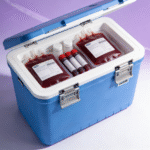
A orientação da OMS descreve os sistemas de transporte passivos como compartimentos isolados que utilizam uma quantidade finita de líquido refrigerante pré-condicionado, e seu material técnico descreve o design, operacional, e qualificação de desempenho para contêineres. Essa estrutura reforça uma fronteira importante: um tijolo é um componente; a evidência de qualificação pertence ao pacote e processo definidos.
Durante o desenvolvimento, usar produtos representativos ou simuladores justificados e sensores calibrados suficientes para localizar posições de produtos quentes e frios. Registre a lista exata de materiais, condição de tijolo, carga útil, mapa de sensores, conjunto, e desafio externo. Uma leitura central única pode ocultar um limite frio inicial ou um canto quente tardio.
A qualificação operacional deve testar critérios de aceitação predefinidos sob perfis quentes e frios relevantes, extremos de carga útil, variação de condicionamento permitida, e a duração pretendida. Padrão ISTA 20 fornece um processo estruturado de design e qualificação para contêineres isolados. ISTA 7E oferece perfis térmicos para testes de entrega de encomendas. Essas ferramentas melhoram a disciplina de teste, mas não substituem uma avaliação de riscos específica do produto ou um perfil da pista quando o desafio padrão não representa a viagem.
As tensões mecânicas também pertencem ao programa. Gotas, vibração, compressão, e a abrasão pode deslocar tijolos, isolamento de rachaduras, abra uma caixa, ou furar um forro. Onde esses efeitos podem alterar o desempenho térmico, inspecionar e desafiar termicamente o sistema após condicionamento físico representativo.
As remessas de desempenho testam a execução de rotina na rede pretendida. Emparelhar o rastreamento do criador de logs com registros de pacote, eventos de operadora, condição do pacote, e tempo de recebimento. Uma viagem moderadamente bem-sucedida é uma evidência útil, mas não é uma prova para todas as estações, rota, ou carga útil.
Condicionamento e monitoramento são controles de produção
O condicionamento não é simplesmente armazenamento em freezer. Temperatura do ar, estado inicial do tijolo, densidade de carga do freezer, espaçamento entre racks, fluxo de ar, Horário de permanência, e o tempo entre a remoção e o fechamento da embalagem afetam o resultado. Um display do freezer retornando ao seu ponto de ajuste não prova que os centros dos tijolos densamente carregados estão prontos.
Estude o equipamento real no tamanho do lote de produção. Definir carregamento aprovado, prontidão, status do inventário, e resposta a alarmes ou interrupção de energia. Entrada separada, condicionamento, lançado, e tijolos devolvidos para que a equipe não possa selecionar uma unidade parcialmente preparada. Se um projeto usar revenimento ou outra etapa para reduzir o risco de contato frio, descreva essa etapa com a mesma precisão do congelamento.
O monitoramento deve apoiar uma decisão. Durante o desenvolvimento, múltiplas posições do sensor revelam gradientes. O posicionamento de rotina deve então vir desse mapa e representar a carga útil em vez da parede conveniente mais próxima. Um registrador de dados documenta a exposição; não protege o produto. O processo de qualidade deve definir a ativação, recuperação, revisão de alarme, incerteza de medição, e disposição do produto.
Padrões de temperatura podem orientar a investigação. Uma excursão fria precoce sugere contato direto, buffer inadequado, ou uma condição inadequada do tijolo. Um início a quente imediato pode apontar para uma carga útil quente, condicionamento incompleto, ou um encerramento atrasado. Um período estável seguido por um aumento precoce sugere reservas limitadas, exposição inesperada, um vazamento de calor, ou uma viagem mais longa. Revise todo o registro antes de adicionar refrigerante ou diminuir a configuração do freezer.
Evidências de aquisição que importam após a amostra
A consistência da produção é tão importante quanto o desempenho do protótipo. Peça aos fornecedores que identifiquem atributos mensuráveis em vez de descrever os produtos como pesados ou duradouros.
Para o tijolo, confirmar tolerâncias dimensionais e de massa preenchida, informações funcionais do refrigerante, construção de gabinete e vedação, instruções de condicionamento, métodos de teste mecânico e de vazamento, identificação do lote, informações de segurança específicas do produto, e classificação de transporte conforme aplicável.
Para isolamento e caixa externa, solicitar construção, dimensões, tolerâncias, detalhes de junta e fechamento, comportamento de umidade, condições de armazenamento, e proteção durante o transporte de entrada. Os relatórios térmicos devem identificar as peças testadas, carga útil, perfil, duração, localizações dos sensores, condicionamento, e critérios de aceitação. Um relatório para outro tamanho pode informar o projeto, mas não qualifica a configuração citada.
Concordar com a notificação de alteração para formulação, resina ou filme, massa recheada, dimensões, isolamento, espaçadores, Carton, fita, local de fabricação, e mudanças críticas no processo. O fornecedor pode fornecer dados de equivalência, mas o processo de qualidade do comprador determina se a revisão do documento, verificação focada, ou requalificação é necessária.
A inspeção recebida deve se concentrar nos atributos que podem atrapalhar a construção aprovada. Confirme a identidade da peça e do lote, verificar dimensões críticas ou massa de acordo com um plano de amostragem justificado, e procure por vazamento, inchaço, perfurações, isolamento esmagado, ou danos no fechamento. A comparação periódica com as especificações aprovadas pode revelar um desvio gradual antes que os packers comecem a forçar os componentes no lugar. Quando um defeito é encontrado, preservar o lote afetado e os registros de montagem para que o fornecedor possa investigar uma condição definida em vez de um relatório vago de que a remessa “não permaneceu fria”.
A reutilização também precisa de evidências. Um bloco ou caixa que possa sobreviver fisicamente a outra viagem não está automaticamente pronto para serviço controlado. Definir compatibilidade de limpeza, inspeção de vazamentos e danos, identificação, devolver propriedade, armazenar, e aposentadoria. Avalie a recuperação real e os ciclos concluídos, em vez de uma declaração de reutilização máxima não verificada.
Perguntas frequentes
Quantos tijolos de gel devem ser usados em um expedidor?
Não há contagem confiável baseada apenas no volume da caixa ou na distância da viagem. A quantidade depende das propriedades e condições do tijolo, isolamento, carga útil, Headspace, temperaturas iniciais, perfil externo, duração, colocação, e a gama de produtos permitida. Selecionar um arranjo candidato, em seguida, verifique a contagem final e a localização por meio de testes mapeados.
Um tijolo de gel pode tocar remédios ou alimentos refrigerados?
Somente quando os requisitos do produto e as evidências da embalagem apoiarem o contato. Um tijolo congelado pode criar uma condição local abaixo do limite inferior de um produto sensível ao congelamento. Um separador definido, estado de condicionamento diferente, ou outra formulação de refrigerante pode ser apropriada. A adequação ao contato com alimentos é uma questão material separada e deve ser verificada para o uso real.
Um teste ISTA aprovado garante todas as rotas?
Não. Um método ISTA apropriado pode fornecer uma abordagem disciplinada, desafio repetível, mas o resultado se aplica à configuração e condições testadas. O remetente ainda precisa de uma avaliação de risco para seu produto, cargas úteis, temporadas, rede de tratamento, e atrasos. Mudanças de rota ou excursões recorrentes podem exigir verificação adicional.
Quando um pacote qualificado deve ser revisado novamente?
Revise-o quando um componente crítico, carga útil, processo de condicionamento, método de embalagem, rota, serviço de transportadora, ou alterações nos critérios de aceitação. Tendências de danos ou excursões também podem desencadear uma reavaliação. O âmbito pode variar desde uma comparação documentada até uma requalificação mais ampla, dependendo do impacto potencial.
Conclusão: Controle as interfaces, Não apenas as peças
A embalagem confiável de tijolos de gel vem de uma receita controlada com insumos definidos, geometria, preparação, e evidências. Especifique o produto e a via primeiro, mapear os caminhos de calor, construir um layout que a equipe normal possa reproduzir, e qualificar toda a montagem comercial. Em seguida, proteja o resultado através de controles de condicionamento, monitoramento, especificações do fornecedor, e gerenciamento de mudanças.
O primeiro passo mais prático é uma seção transversal dimensionada do packout proposto. Dá embalagem, qualidade, operações, e fornecedores, um projeto compartilhado a ser desafiado antes que o dinheiro seja investido em componentes em massa ou testes formais.
Sobre Tempk
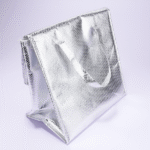
E tempk, nós fornecemos bolsas de gelo em gel e formatos de embalagem com controle de temperatura que incluem sacos isolados, caixas isoladas, e capas térmicas para paletes. Para um projeto de embalagem de tijolos de gel, podemos discutir as dimensões dos componentes, necessidades de condicionamento, ajuste de isolamento, e amostras de produção para desenvolvimento de embalagens. A configuração final ainda deverá ser avaliada para o produto do comprador, faixa de carga útil, rota, e requisitos de qualidade em vez de depender de uma declaração de componente.
Compartilhe seu desenho de carga útil, condição necessária, duração da rota, isolamento atual, e restrições de embalagem com Tempk para discutir uma configuração de amostra para testes controlados.