fabricante de produtos químicos para bateria de resfriamento de gel: seleção prática de fornecedores para compradores da cadeia de frio
Uma decisão prática sobre bateria de resfriamento de gel fabricante de produtos químicos começa com o produto e a pista, não a foto do catálogo. Gel pacotes de resfriamento para produtos químicos relacionados a baterias e materiais industriais sensíveis à temperatura pode ser útil em materiais de bateria, especialidade química, e programas industriais de cadeia de frio, mas apenas quando o tamanho do pacote, filme, preencher, método de condicionamento, isolamento, e o plano de manuseio correspondem à remessa que você realmente executa.
Este artigo se concentra em como escolher um fornecedor, o que verificar antes de fazer um pedido em massa, e onde um pacote de gel deve ser substituído ou apoiado por um design de controle de temperatura diferente. A principal diferença é se você está resfriando uma remessa ou projetando um sistema de bateria.
Resposta rápida para compradores
Escolha pacotes de resfriamento de gel para produtos químicos relacionados a baterias e materiais industriais sensíveis à temperatura somente após definir a sensibilidade do produto, exposição da rota, espaço utilizável, etapas de condicionamento, e requisitos de prova. Um fornecedor confiável deve ajudá-lo a comparar amostras, confirmar tolerâncias de produção, explicar o controle de vazamento, e evite promessas exageradas de desempenho que dependem do remetente e da rota exatos.
Defina os limites antes de comparar fornecedores
Um erro comum de fornecimento é tratar cada item frio na caixa como uma solução de controle de temperatura. Pacotes de resfriamento em gel para produtos químicos relacionados a baterias e materiais industriais sensíveis à temperatura fornecem capacidade de resfriamento, mas eles não criam uma via qualificada por si próprios. O resultado completo vem da combinação de refrigerante, isolamento do expedidor, massa do produto, preenchimento vazio, padrão de carregamento, pré-condicionamento, tempo de transporte, exposição ambiental, e recebimento de procedimentos.
Essa distinção é importante para os fabricantes de produtos químicos para baterias, engenheiros de embalagens industriais, equipes de logística química, e gerentes de compras que lidam com materiais sensíveis à temperatura. Se o seu comprador solicitar apenas o tamanho do pacote e o preço, a citação pode parecer simples, mas o risco operacional permanece oculto. Se o seu comprador definir o caso de uso primeiro, o fornecedor pode recomendar um formato que suporte o produto em vez de apenas corresponder a uma dimensão.
O resumo mais seguro descreve a categoria do produto, faixa alvo, tempo de trânsito mínimo e máximo esperado, pontos de transferência, layout da caixa, e qualquer restrição ao contato direto. Também deve indicar se o pacote é para entrega unidirecional, reutilização em circuito fechado, montagem de kits, ou estoque de distribuidor. Um pacote de resfriamento em gel não neutraliza perigos químicos, substituir embalagens de mercadorias perigosas, ou servir como um componente de gerenciamento térmico da bateria, a menos que seja especificamente projetado e documentado para esse uso.
As rotas químicas da bateria precisam de uma revisão de segurança separada
Remessas de produtos químicos relacionados a baterias podem envolver perigos específicos do produto, regras de tratamento, e documentação que estão fora do normal embalagem da cadeia de frio. Um pacote de gel pode ajudar a controlar a temperatura em torno de um material embalado, mas não altera a classificação química nem elimina a necessidade de embalagens primárias e secundárias compatíveis.
A aquisição deve envolver o proprietário do produto, mercadorias perigosas ou equipe EHS, e fornecedor de logística antes de fazer pedidos em grande escala. O fornecedor pode oferecer suporte ao ajuste do refrigerante e ao design do pacote, mas não deve ser solicitado que faça alegações infundadas sobre compatibilidade química ou classificação de transporte.
Combine o pacote de gel com a rota que você realmente opera
Um fabricante que envia amostras químicas em escala piloto para um laboratório de avaliação pode precisar de um pacote de resfriamento passivo e, ao mesmo tempo, seguir o pacote de produtos químicos, rotulagem, e requisitos de documentação. Naquela situação, a conversa com o fornecedor não deve parar em saber se o pacote de gel é reutilizável ou imprimível. O comprador deve perguntar como o pacote se ajusta à carga útil, se cria pontos de pressão, quanto espaço interno utilizável resta, e se o método de preparação pode ser repetido pelo pessoal do armazém durante períodos de pico.
O comprimento da rota é apenas parte da imagem. Um percurso curto com longa espera na doca de carga pode ser mais arriscado do que um percurso mais longo que fica dentro de veículos controlados. A mesma embalagem pode se comportar de maneira diferente quando colocada contra a caixa de um produto, separados por uma divisória, embalado acima da carga útil, ou distribuído por todos os lados do expedidor.
Para aditivos sensíveis à temperatura, produtos químicos para baterias em escala de laboratório, remessas de amostras, remessas de triagem de risco térmico, e programas de manuseio isolados para produtos químicos que exigem armazenamento ou transporte controlado, o proprietário do produto deve definir o que é inaceitável: aquecimento acima de um limite, congelando, danos por condensação, perda de rótulo, vazamento de bolsa, caixas esmagadas, transferência de odor, ou falta de prova após a entrega. Uma vez que esses modos de falha são nomeados, um fornecedor pode recomendar um estilo de embalagem e uma embalagem com um propósito muito mais claro.
Lista de verificação do comprador para comparar fornecedores
| O que verificar | Por que isso importa | Pergunta do comprador |
|---|---|---|
| Faixa de temperatura necessária | O refrigerante deve atender aos requisitos do produto, não é uma faixa fria genérica assumida. | Qual faixa de temperatura o proprietário do produto especifica, e quais limites de excursão se aplicam? |
| Duração e exposição da rota | Atrasos na entrega, docas de carga, tempo de permanência do correio, e veículos quentes muitas vezes criam o risco real. | Qual parte da rota não é controlada, e quanto tempo o remetente pode esperar lá? |
| Carga útil e volume utilizável | Um refrigerante que parece forte no papel pode deslocar muita carga vendável ou clínica. | A embalagem ainda cabe no produto, espaço tampão, e qualquer contenção secundária? |
| Instruções de condicionamento | Congelamento ou condicionamento incorreto pode causar subresfriamento, congelamento de superfície, ou baixo desempenho térmico. | O pessoal do armazém pode repetir o processo de preparação sem interpretação especial?? |
| Documentação e controle de lote | As equipes de qualidade podem precisar de rastreabilidade, registros de aprovação de amostra, e comunicação de controle de mudanças. | O fornecedor pode manter as especificações da amostra, especificações de produção, e etiquetas de remessa alinhadas? |
| Verificações de vazamento e higiene | Um pequeno vazamento pode danificar as etiquetas, caixas, documentos de diagnóstico, ou embalagens de consumo. | Qual método de inspeção é usado, e como os pacotes não conformes são tratados? |
A tabela não se destina a substituir testes ou análises de qualidade. Ajuda os fabricantes de produtos químicos para baterias, engenheiros de embalagens industriais, equipes de logística química, e gerentes de compras que lidam com materiais sensíveis à temperatura transformam uma ampla solicitação de fornecimento em um resumo útil do fornecedor. Se um fornecedor não puder responder claramente a estas perguntas, o comprador ainda pode comprar um refrigerante de baixo custo, mas o risco operacional permanecerá com o proprietário da remessa.
Para pedidos em grandes quantidades, a mesma lista de verificação deve ser usada novamente após a aprovação da amostra. Uma unidade de produção deve corresponder à amostra aprovada nos detalhes que afetam o ajuste, congelando, vazamento, e manuseio de pessoal. Uma pequena diferença no tamanho da bolsa ou embalagem cartonada pode criar um problema real de carregamento na operação final.
A regra de decisão: provar o ponto fraco, não é o ponto fácil
Muitas avaliações comprovam o que já é fácil de comprovar: o pacote congela, a bolsa pode ser impressa, ou o preço unitário atende à meta. A melhor avaliação concentra-se no ponto fraco da remessa. Isso pode ser uma doca de carregamento quente, um produto sensível ao congelamento, um kit pequeno sem espaço vazio, uma rota reutilizável com controle de retorno deficiente, ou uma equipe de armazém que não consegue condicionar as embalagens de forma consistente.
Uma vez conhecido o ponto fraco, a conversa com o fornecedor se torna mais precisa. O comprador pode solicitar uma geometria de embalagem diferente, uma camada de barreira, um tijolo rígido, uma especificação de amostra mais rigorosa, ou uma recomendação de pacote mais cautelosa. É assim que uma simples compra de um pacote de gel se torna uma decisão controlada de aquisição na cadeia de frio.
Solicite evidências no formato que sua equipe de qualidade possa usar
Para cuidados de saúde, laboratório, e remessas de biotecnologia, os compradores devem separar uma reclamação do fornecedor de uma decisão de embalagem documentada. O CDC alerta que congelados pacotes de gel ainda pode criar risco de congelamento para o transporte refrigerado de vacinas, e trata o transporte rotineiro de vacinas como um processo planejado com recipientes apropriados, refrigerantes, monitoramento, e procedimentos de pessoal. Esse princípio é útil mesmo quando o artigo não trata de vacinas: a escolha do refrigerante deve ser analisada em relação à sensibilidade real do produto.
Para distribuição de medicamentos na UE, A orientação da GDP enfatiza a manutenção das condições de armazenamento exigidas durante o transporte dentro dos limites descritos pelo fabricante ou pela embalagem externa. Também aponta veículos e equipamentos adequados, avaliação de risco de rota, e monitoramento calibrado onde o controle de temperatura é necessário. Isso não significa que todo pacote de gel precise da mesma documentação; isso significa que o comprador deve saber quando um simples refrigerante comercial é insuficiente.
A carga aérea adiciona outra camada quando as remessas de saúde são reservadas como sensíveis ao tempo e à temperatura. A orientação de carga de saúde da IATA identifica os requisitos de gerenciamento de temperatura e a etiqueta sensível ao tempo e à temperatura para remessas aplicáveis. O fornecedor da embalagem não pode controlar o processo da companhia aérea, mas deve entender esse pacote, rotulagem, e as decisões de documentação devem se adequar à rota logística.
Referências de testes térmicos como ISTA 7E podem ajudar a comparar contêineres isolados sob perfis padronizados. Eles não devem ser descritos como uma garantia de que um pacote funcione em todas as rotas. Use-os como parte de um pacote de evidências práticas juntamente com os requisitos do produto, exposição da pista, layout de carga útil, e critérios de aceitação.
Ferramentas úteis de decisão
Verifique os detalhes antes de escolher a embalagem
Essas ferramentas rápidas podem ajudá-lo a comparar o risco da rota, necessidades de dimensionamento, escolhas de refrigerante, e detalhes da embalagem antes de solicitar um orçamento.
Calculadora de gelo seco
Estime as necessidades de gelo seco para remessas congeladas ou ultrafrias antes de embalar.
Estimar gelo secoRefrigerante & Referência PCM
Compare as opções de refrigerante e PCM quando uma rota precisar de suporte adicional de temperatura.
Comparar opçõesCalculadora de acumuladores de frio
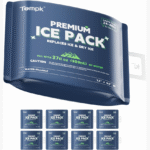
Estime a quantidade de bolsas de gelo em gel para remessas refrigeradas e planejamento prático de rotas.
Estimar bolsas de geloO que confirmar antes de passar da amostra para o pedido em massa
Uma discussão útil sobre fornecedores de fabricantes de produtos químicos para baterias de resfriamento de gel começa com notas de aplicação, não apenas preço unitário. Pergunte se o fornecedor pode manter as dimensões aprovadas, preencher, filme, cor, impressão, embalagem de papelão, e rotulagem consistente. Pergunte o que acontece se um material, estrutura de bolsa, ou alterações no método de embalagem após aprovação. Para compatibilidade química, contenção secundária, risco de vazamento, limpeza da embalagem, condicionamento de refrigerante, classificação regulatória, e separação entre refrigerante e recipientes primários, a comunicação da mudança faz parte da qualidade do produto.
As amostras devem ser revisadas na embalagem final, não apenas em uma mesa. Congele ou condicione a embalagem como o pessoal do armazém faria. Carregue-o com a carga real ou uma carga fictícia representativa. Verifique se a caixa fecha corretamente, se a carga útil muda, se as etiquetas permanecem secas, e se o pacote cria pressão local. Se um registrador de temperatura for usado durante um teste, coloque-o em um local que sua equipe de qualidade possa explicar mais tarde.
A cotação em massa deve definir o que está incluído. Os compradores muitas vezes comparam preços, mas perdem o custo de impressão, sacos internos, caixas mestras, paletização, documentação, requisitos de marca própria, padrões de inspeção, ou embalagem especial. Uma cotação baixa que exclua esses detalhes pode ficar mais cara após correções, retrabalhar, ou remessas de clientes danificadas.
Para programas de distribuidores, a melhor linha de produtos geralmente não é aquela com o maior número de tamanhos de embalagens. É aquele que cobre rotas de clientes mais recorrentes com o mínimo de confusão. Padronizar tamanhos pode melhorar o controle de estoque, mas somente quando esses tamanhos forem verificados em relação às cargas úteis comuns, caixas, e expectativas de temperatura dos clientes do distribuidor.
Erros comuns a serem removidos antes da aprovação da compra
A maioria das falhas não é causada pela palavra gel estar errada. Eles vêm de uma incompatibilidade entre pacotes de resfriamento de gel para produtos químicos relacionados a baterias e materiais industriais sensíveis à temperatura, o pacote, a rota, e as pessoas que preparam a remessa. Vale a pena revisar os seguintes riscos antes que um comprador aprove um novo fornecedor ou mude de um formato de embalagem para outro.
| Risco | Por que isso acontece | Prevenção |
|---|---|---|
| Contato direto com carga útil sensível ao congelamento | O líquido refrigerante congelado pode resfriar demais as superfícies locais, mesmo quando a temperatura média da caixa parece aceitável. | Usar separação, teste de ajuste, condicionamento, ou um PCM mais adequado quando necessário. |
| Selecionando apenas pelo peso da embalagem | Mais líquido refrigerante pode reduzir o espaço de carga útil e criar pontos frios sem resolver a exposição da rota. | Avaliar massa, geometria, isolamento, e perfil de rota juntos. |
| Ignorando a embalagem de papelão e paletes | Unidades a granel que chegam compactadas, molhado, ou difícil de congelar criam problemas de armazém. | Confirme o layout da caixa mestra, manuseio de paletes, e fluxo de ar do freezer. |
| Supondo que o tempo de espera do catálogo se aplique | O tempo de espera depende do perfil do ambiente, carga útil, remetente, contagem de pacotes, e critérios de aceitação. | Pergunte qual perfil de teste suporta qualquer reivindicação de duração. |
Esta análise de risco é especialmente relevante para materiais de bateria, especialidade química, e programas industriais de cadeia de frio. O mesmo produto pode funcionar bem em uma rota controlada de van e falhar em uma rota de entrega com longo tempo de espera. O comprador deve documentar o que é conhecido, o que deve ser testado, e o que deve ser tratado como um ponto de verificação do fornecedor.
As escolhas de sustentabilidade não devem enfraquecer o controlo da temperatura
Um formato de refrigerante reutilizável pode ajudar linhas de amostras repetidas, mas contaminado, perfurado, ou embalagens quimicamente expostas não devem ser devolvidas aos circuitos de reutilização comuns. O ponto importante é que a reutilização é um modelo operacional, não apenas uma característica do produto. Uma embalagem reutilizável requer coleta, inspeção, limpeza quando relevante, renovando, armazenar, e gerenciamento de perdas. Se essas etapas estiverem faltando, uma embalagem reutilizável ainda pode se tornar um item descartável com peso e custo extras.
Os programas unidirecionais ainda podem melhorar seu perfil ambiental ao dimensionar corretamente o líquido refrigerante, reduzindo mercadorias danificadas, evitando excessos desnecessários, e selecionar materiais que se ajustem à rota local de recuperação ou descarte. Uma embalagem mais leve não é automaticamente mais sustentável se causar retornos, deterioração, ou substituições de emergência.
Para fabricantes de produtos químicos para baterias, engenheiros de embalagens industriais, equipes de logística química, e gerentes de compras que lidam com materiais sensíveis à temperatura, a melhor questão de sustentabilidade é prática: qual formato protege a remessa com o menor desperdício operacional? Esse pode ser um tijolo durável para um circuito fechado, uma bolsa macia para caixas premium, um inserto compacto para kits, ou um PCM diferente quando uma faixa de temperatura mais estreita deve ser protegida.
Perguntas frequentes
O fabricante de produtos químicos para baterias de resfriamento de gel é o mesmo que um expedidor completo da cadeia de frio??
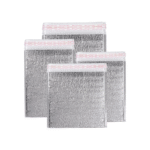
Não. Pacotes de resfriamento de gel para produtos químicos relacionados a baterias e materiais industriais sensíveis à temperatura são componentes de refrigeração. Eles devem ser usados com um caixa isolada, bolsa, mailer, ou outro sistema de embalagem que corresponda ao produto, rota, e faixa de temperatura necessária. Para remessas regulamentadas ou sensíveis à qualidade, a embalagem também pode precisar de procedimentos, monitoramento, e apoiando evidências térmicas.
O que devo verificar antes de solicitar amostras?
Comece com a sensibilidade do produto, faixa de temperatura alvo, duração da rota, espaço útil da caixa, e método de manuseio. Em seguida, pergunte ao fornecedor as dimensões, detalhes de preenchimento ou shell, instruções de condicionamento, práticas de inspeção de vazamento, embalagem de papelão, e documentação. As amostras devem ser testadas na embalagem pretendida e não julgadas apenas pela aparência.
Os pacotes de gel congelados podem danificar produtos refrigerados?
Sim, eles podem em algumas situações. Contato direto ou separação deficiente podem criar pontos frios, especialmente para medicamentos sensíveis ao congelamento, vacinas, reagentes, ou certos alimentos. Os compradores devem revisar o condicionamento, separação, colocação do pacote, e os limites de temperatura do proprietário do produto antes de usar embalagens congeladas em remessas refrigeradas.
Como um distribuidor deve comparar as cotações dos fornecedores?
Compare mais do que o preço unitário. Confirme o que está incluído na impressão, embalagem interna, caixas mestras, paletização, documentação, revisão de amostra, e mudar a comunicação. Uma cotação que omite detalhes importantes de embalagem ou qualidade pode não ser comparável a uma oferta mais completa do fornecedor.
Quando devo considerar o PCM em vez de um pacote de gel padrão?
Considere PCM quando o produto exigir uma faixa de temperatura mais estreita, maior proteção contra congelamento, um ponto de mudança de fase definido, ou comportamento térmico mais previsível sob um pacote validado. A decisão deve ser baseada no risco do produto, perfil de rota, e requisitos de qualidade, não em uma suposição geral de que o PCM é sempre necessário.
Um pacote de gel de cadeia de frio pode ser usado como material de gerenciamento térmico de bateria?
Não, a menos que seja especificamente projetado e documentado para essa aplicação. Pacotes de gel de cadeia de frio resfriam uma remessa embalada dentro de um sistema isolado. Os materiais de interface térmica da bateria ou sistemas de resfriamento ativo são produtos diferentes com segurança diferente, elétrica, mecânico, e requisitos químicos.
Conclusão
O resultado de fornecimento mais forte para fabricante de produtos químicos para baterias de resfriamento de gel vem da definição da remessa antes de selecionar o pacote. Confirme a faixa de temperatura necessária, exposição da rota, ajuste de carga útil, formato de pacote, instruções de condicionamento, controles de vazamento, e expectativas de documentação. Evite tratar os pacotes de gel como uma solução de conformidade para materiais perigosos ou como um substituto para embalagens químicas validadas.
Um pacote de gel pode ser simples de comprar, mas não deve ser tratado casualmente quando protege valores valiosos, confidencial, ou bens regulamentados. Um comprador que faz perguntas melhores antes de fazer o pedido geralmente economiza tempo durante o teste de amostra, aprovação de produção, e lançamento do cliente.
Sobre Tempk
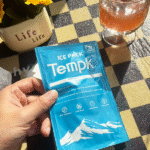
Como parte da Shanghai Tempk Industrial, Tempk fornece cadeia de frio materiais de embalagem e suporte de soluções para produtos sensíveis à temperatura. Para fabricantes de produtos químicos para baterias, engenheiros de embalagens industriais, equipes de logística química, e gerentes de compras que lidam com materiais sensíveis à temperatura, podemos ajudar a avaliar se os pacotes de resfriamento de gel para produtos químicos relacionados a baterias e materiais industriais sensíveis à temperatura devem ser fornecidos como uma bolsa flexível, tijolo rígido, inserir, ou parte de um contexto mais amplo embalagem isolada definir. A discussão pode incluir requisitos de amostra, ajuste da embalagem, embalagem a granel, e instruções práticas de manuseio.
Antes de aumentar, envie para Tempk sua rota, sensibilidade do produto, tamanho do remetente, e necessidades de personalização para que o formato do refrigerante possa ser analisado em relação à aplicação real.