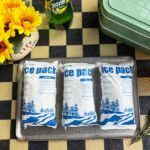
Almofada de resfriamento de gel Atacado de carne: O que os compradores devem saber antes de fazer o pedido
Escolher bem a almofada de resfriamento de gel para carne no atacado significa responder quatro perguntas com antecedência: qual faixa de temperatura você precisa, quanto tempo a rota realmente é, o que o produto pode tolerar, e quão consistente o fornecedor deve ser. A distribuição de carne tem muito pouca tolerância à variação de temperatura, bagunça relacionada à purga, ou caixas danificadas. O próprio componente da embalagem é uma almofada de resfriamento em gel: uma almofada plana de refrigerante projetada para amplo contato sob ou sobre bandejas, bolsas, ou caixas.
Bons compradores não param na definição do componente. Eles comparam geometria, condicionamento, limites de qualificação, e consistência do fornecedor porque um compressa fria o que está errado para a rota pode ser tão problemático quanto uma rota fraca. A almofada de atacado certa mantém o produto resfriado ao alcance e permanece durável durante a purga, compressão, e manuseio rude.
Onde este refrigerante se encaixa em um sistema de transporte
Gel Cooling Pad Meat Wholesale geralmente descreve uma necessidade de fornecimento construída em torno de um formato e várias decisões operacionais. Os compradores não estão simplesmente escolhendo uma bolsa fria. Eles estão escolhendo como o refrigerante se comportará em uma caixa real, em uma pista real, com uma verdadeira equipe de armazém.
O componente subjacente é uma almofada de resfriamento em gel usada dentro de um remetente passivo ou pacote isolado. As almofadas são comumente consideradas para alimentos baseados em bandejas, casos pequenos, ou outras embalagens onde uma camada plana de refrigerante é mais fácil de usar do que um bloco grosso. Os refrigerantes em gel são atraentes porque fornecem uma fonte de frio limpa, sem água derretida solta e podem ser dispostos para se adequarem às bandejas, embalagens a vácuo, ou caixas DTC menores.
A decisão de compra fica muito mais clara quando você separa três questões: do que é feito o pacote, como está condicionado, e se todo o design de envio é adequado para o produto. Essa estrutura é mais útil do que comparar fotos de banco de imagens ou reivindicações genéricas de retenção de frio.
Como o refrigerante realmente controla a temperatura
Uma almofada de resfriamento em gel protege a temperatura agindo como um amortecedor térmico dentro de um sistema passivo. O isolamento reduz a taxa de ganho de calor do exterior da parcela, e o refrigerante absorve esse calor por um período limitado após a embalagem. Isso parece simples, mas o desempenho depende muito do condicionamento, colocação, e sensibilidade do produto.
Uma embalagem fina oferece mais contato e pode esfriar mais rápido, enquanto um bloco ou tijolo mais pesado geralmente carrega mais reserva. Cobertores e travesseiros melhoram a cobertura; pads criam uma interface mais plana; os pacotes padrão são versáteis e fáceis de reposicionar. A geometria correta é aquela que suporta a sua pista sem desperdiçar volume ou criar um ponto frio inseguro.
A prática de segurança alimentar é clara: os alimentos refrigerados precisam permanecer em temperatura refrigerada e os alimentos congelados precisam de um sistema mais frio, como gelo seco ou uma embalagem congelada totalmente projetada, quando apropriado.. A embalagem em si não pode compensar caixas com isolamento insuficiente, longos tempos de permanência, ou compromissos de serviço irrealistas. Para pistas de comida, a medida útil é se o produto chega nas condições corretas, não se o pacote ainda estava parcialmente congelado.
O lado da ciência dos materiais na decisão de compra
Do ponto de vista dos materiais, a maioria dos refrigerantes em gel comerciais são construídos em torno de um gel à base de água ou outra formulação de mudança de fase mantida dentro de um filme externo selado. As informações públicas do fabricante geralmente apontam para polietileno durável ou filmes termoplásticos comparáveis, costuras seladas a quente, e projetos destinados a reduzir vazamentos durante o manuseio. Essa construção básica parece simples, mas pequenas diferenças na resistência do filme, qualidade do selo, e o controle do peso de enchimento pode alterar significativamente o desempenho do campo.
Duas propriedades são mais importantes do que os compradores às vezes esperam. O primeiro é a massa térmica: mais massa geralmente significa mais reserva, mas também acrescenta peso de frete e consumo de volume interno. O segundo é o comportamento de contato: uma embalagem flexível pode embrulhar e esfriar rapidamente, enquanto um formato rígido pode tornar a colocação mais repetível e reduzir o movimento da embalagem dentro da caixa. É por isso que as almofadas são eficientes quando o produto apresenta uma superfície ampla e a embalagem deve permanecer limpa e compacta.
Há também um problema de disciplina de dados. Alguns fornecedores publicam proporções iniciais aproximadas para envio de alimentos e encomendas, como usar cerca de meio quilo de refrigerante em gel para cada um quilo de produto. Isso pode ser útil como um atalho de planejamento, mas não é uma regra de design. Temporada, perfil ambiente, isolamento, espaço vazio da caixa, e a temperatura inicial do produto podem afastar o requisito de qualquer proporção genérica.
Casos de uso mais adequados
Um bom ajuste geralmente começa com o produto e a rota, e não com o catálogo do refrigerante. As almofadas são eficientes quando o produto apresenta uma superfície ampla e a embalagem deve permanecer limpa e compacta. Quando o formato combina bem com a pista, pode reduzir a bagunça, melhorar a qualidade de recepção, e tornar o trabalho do armazém mais repetível.
Os compradores geralmente obtêm os melhores resultados quando o refrigerante se ajusta naturalmente ao transportador isolado existente, fluxo de trabalho do freezer, e processo de recebimento. Isso é importante porque um pelotão tecnicamente forte ainda é uma escolha ruim se as equipes lutam para condicioná-lo., coloque-o corretamente, ou reabasteça-o de forma confiável.
Para carne, casos de uso adequados incluem caixas refrigeradas, caixas de assinatura, e movimento protegido de proteínas embaladas em bandejas ou a vácuo, onde a embalagem organizada e o controle de vazamentos são essenciais. Almofadas e travesseiros são frequentemente preferidos quando protegem o produto sem forçar a caixa para um nível de carga maior.
Como escolher o tamanho, massa, e embalar
Comece com a rota e a tolerância do produto, em seguida, trabalhe de volta para o refrigerante. Essa única mudança na sequência evita muitas compras ruins porque força você a comparar o pacote com a remessa que você realmente executa.
Medir dimensões internas, não apenas o tamanho externo da caixa. Verifique o volume utilizável, provável colocação do pacote, e se o refrigerante criará contato direto com uma carga sensível ao congelamento. Um bloco fino pode criar um layout limpo, mas pode não fornecer reserva suficiente por si só para rotas longas ou quentes. Em muitos programas, a melhor opção é o design que atenda à pista com o empacotamento repetível mais simples.
Ferramentas úteis de decisão
Verifique os detalhes antes de escolher a embalagem
Essas ferramentas rápidas podem ajudá-lo a comparar o risco da rota, necessidades de dimensionamento, escolhas de refrigerante, e detalhes da embalagem antes de solicitar um orçamento.
Calculadora de gelo seco
Estime as necessidades de gelo seco para remessas congeladas ou ultrafrias antes de embalar.
Estimar gelo secoCalculadora de bolsa de gelo
Estime a quantidade de bolsas de gelo em gel para remessas refrigeradas e planejamento prático de rotas.
Estimar bolsas de geloForro de caixa & Dimensionamento da cobertura de paletes
Verifique a lógica de dimensionamento do forro da caixa e da tampa do palete para projetos de embalagens isoladas.
Dimensionamento estimadoCompare também o método de condicionamento, preparação para freezer, lógica de recepção, e tolerância a atrasos. Alguns fornecedores oferecem regras básicas úteis, mas estes só devem ser tratados como dicas de planejamento até que o pack-out tenha sido testado em uma pista realista. Um guia do comprador só se torna valioso quando se transforma em uma decisão consciente da rota.
Limites de conformidade e qualificação
Uma das distinções mais úteis para os compradores é a linha entre um componente refrigerante e um sistema de envio qualificado. Orientação da OMS para o tempo- e guloseimas farmacêuticas sensíveis à temperatura pacotes de gel, tijolos, garrafas, bolsas, e refrigerantes relacionados como meios estabilizadores de temperatura dentro de contêineres passivos. A carga de qualificação se aplica ao projeto total, não apenas para a bolsa fria.
Isso é importante mesmo fora do setor farmacêutico, porque a mesma lógica se aplica operacionalmente ao setor alimentício., cosméticos, laboratório, e trabalho de biotecnologia. Uma boa compressa fria ainda pode falhar no envio se a pista, isolamento, ou a embalagem está errada.
A qualificação do fornecedor faz parte deste limite. Se os componentes da embalagem são importantes para o seu processo de qualidade, pergunte como preencher o peso, vedação, identificação, e quaisquer alterações futuras no projeto são controladas e comunicadas. Isso transforma a conformidade de uma palavra vaga em uma lista de verificação de compras.
O que os compradores devem verificar antes de um pedido em grandes quantidades
Uma lista prática combina questões de engenharia com questões de compra. Você não está apenas comprando um formato de refrigerante. Você está comprando repetibilidade, disciplina de reabastecimento, e uma relação de controle de mudanças. Você deve verificar a resistência da almofada, resistência à perfuração, e se o formato tem melhor desempenho acima, abaixo, ou em torno da carga.
- Dimensões internas versus externas. Solicite o ajuste interno exato na embalagem isolada ou na caixa que você já usa, não apenas o tamanho nominal do pacote.
- Volume utilizável e posicionamento do pacote. Confirme se o pacote funciona acima, abaixo, ao lado, ou ao redor do produto e quanto espaço vendável ele consome.
- Detalhes de material e resina. Pergunte qual estrutura de filme é usada, como as costuras são feitas, e se a embalagem é resistente a vazamentos o suficiente para suas condições de manuseio.
- Protocolo de condicionamento. Esclareça se a embalagem deve ser congelada sólida, refrigerado, ou temperado antes de usar, e quanto tempo leva o pré-condicionamento em um freezer de armazém normal.
- Empilhamento e eficiência de retorno. Para programas maiores, pergunte se o pacote de casos, padrão de palete, e possível modelo de reutilização melhoram a eficiência do armazenamento e da logística reversa.
- Rotulagem e rastreabilidade. Verifique se há lotes, códigos de data, ou identificadores personalizados podem ser aplicados de forma consistente para trabalho de recebimento e investigação.
- Consistência da amostra à produção. Exija que o fornecedor explique como uma amostra validada, lote piloto, e a produção em massa são mantidas alinhadas ao longo do tempo.
- Quantidade mínima, tempo de espera, e opções personalizadas. Compare a disponibilidade de estoque com a verdadeira capacidade personalizada para não aprovar um formato que não possa ser reabastecido quando a demanda aumentar.
- Pergunte como o bloco funciona sob caixas empilhadas e se as bordas afiadas das embalagens primárias podem perfurá-lo.
- Verifique se o formato funciona melhor acima do produto, abaixo dele, ou como parte de um pacote completo de parede e tampa.
- Confirme se o fornecedor tem experiência com condensação de carne crua, umidade da caixa, e manuseio higiênico.
Bons fornecedores respondem claramente a esses pontos antes do primeiro grande pedido. Essa disciplina precoce economiza tempo mais tarde, quando os volumes aumentam ou as rotas mudam.
O que está mudando no mercado
As expectativas atuais dos compradores estão caminhando em uma direção clara. As empresas querem componentes de refrigerante que suportem projetos específicos de rota, reduzir resíduos de embalagens evitáveis, e crie menos bagunça na embalagem e no recebimento. Essa é uma das razões pelas quais os formatos de transporte reutilizáveis ou mais duráveis continuam a atrair a atenção nas operações da cadeia de frio..
O material da indústria e das associações em torno de embalagens de transporte reutilizáveis destaca a mesma lógica de negócios: embalagens projetadas para múltiplas viagens podem reduzir o custo por viagem e diminuir a carga ambiental quando o ciclo de retorno é real e bem gerenciado. Nem todo programa pode suportar a reutilização, mas a conversa sobre fornecimento inclui cada vez mais a possibilidade de devolução, Reciclabalidade, e eficiência geral do material em vez de olhar apenas para o preço por peça.
Os transportadores de carne continuam a preferir refrigerantes limpos em vez de gelo solto porque reduzem o gerenciamento de água dentro das caixas. Os formatos de resfriamento planos são atraentes quando há número de bandejas, apresentação, e cubos de papelão são tão importantes quanto a retenção de frio. Para compradores, a conclusão prática é que a seleção de fornecedores agora inclui inteligência operacional: quem pode ajudá-lo a simplificar a pista, melhorar a repetibilidade da embalagem, e reduza o desperdício sem arriscar o desempenho da temperatura.
Onde os compradores perdem margem ou confiabilidade
A maioria dos problemas de compra não provém de defeitos de fabricação catastróficos. Eles vêm de incompatibilidades silenciosas entre a matilha, a caixa, e a pista. Um comprador aprova uma amostra promissora, então o armazém usa um método de condicionamento diferente, ou a caixa personalizada muda, ou a rota de verão é mais difícil que a pista piloto.
- Escolher apenas pelo preço unitário e ignorar o peso do frete, impacto dimensional, e trabalho de embalagem.
- Usando um formato de refrigerante que cabe na foto do catálogo, mas desperdiça volume interno na caixa real.
- Tratar uma embalagem sólida congelada como universalmente segura, mesmo quando o produto é sensível ao congelamento.
- Presumir que uma passagem em uma pista curta comprova o design para cada destino e estação.
- Ignorando a rastreabilidade do lote e depois lutando para investigar vazamentos, variação de preenchimento, ou reclamações de campo.
- Encomendar grandes quantidades antes de confirmar que os lotes de produção correspondem à amostra aprovada.
- Ignorando a umidade, purga, ou resistência da caixa, mesmo que esses fatores possam anular um design termicamente adequado.
Uma plataforma plana pode suportar remessas de carne resfriada, mas ainda precisa de um sistema isolado e massa refrigerante suficiente para todo o percurso. A correção geralmente é um teste disciplinado, design com reconhecimento de rota, e comunicação mais forte com o fornecedor – não necessariamente um pacote mais caro.
Perguntas frequentes
Uma almofada ou travesseiro de gel é suficiente para remessas de carne??
Pode ser usado em pistas curtas refrigeradas quando combinado com isolamento e a carga correta de produto. Pistas mais longas ou congeladas podem precisar de mais massa ou de uma estratégia de refrigerante mais frio.
Por que a resistência à perfuração é tão importante para a carne?
Cargas de proteína são pesadas, molhado, e às vezes têm bordas afiadas ou bandejas rígidas. Uma costura fraca pode falhar mesmo que a embalagem seja termicamente adequada.
O que os compradores atacadistas devem comparar primeiro?
Compare a geometria da embalagem com a da caixa, a carga do produto, e o nível de serviço real. Um bom ajuste costuma ser mais valioso do que buscar o refrigerante mais barato.
Pensamentos finais
Os programas mais fortes tratam o refrigerante como um componente controlado dentro de um sistema de transporte completo, é por isso que a lógica de embalagem e a disciplina do fornecedor são tão importantes. Antes de dimensionar uma compra, confirme a geometria do pacote, método de condicionamento, conjunto de isolamento, e disciplina do fornecedor sob as mesmas condições que sua operação realmente enfrentará.
Sobre Tempk
E Tempk, nos concentramos em embalagem com temperatura controlada para transporte de cadeia de frio, incluindo bolsas de gelo, sacos isolados, caixas mais frias, e capas térmicas para paletes. Também oferecemos soluções de embalagens personalizadas baseadas na duração do transporte, metas de temperatura, tamanho, e lidar com necessidades. Para equipes que avaliam refrigerantes da cadeia de frio, nossa força prática é combinar componentes de embalagem com pensamento em nível de sistema para que a solução corresponda à rota, em vez de depender de uma declaração fria genérica.
Próximo passo
Se você precisar de um ajuste melhor para sua faixa de temperatura, tempo de trânsito, ou programa de pedido em massa, peça uma recomendação de embalagem construída em torno de sua pista real. Para projetos personalizados ou de atacado, comece com a caixa, a rota, e a sensibilidade do produto – então escolha o refrigerante.