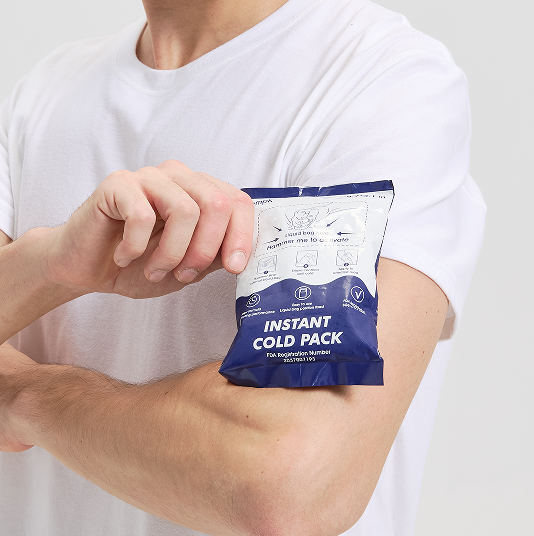
Sacos de gelo em gel para distribuição de cosméticos: Como escolher o fornecimento certo
Comece com a verdadeira decisão
Os compradores de cosméticos geralmente obtêm melhores resultados quando se concentram na moderação do calor, qualidade de apresentação, e embalagens do tamanho certo, em vez de intensidade máxima de frio.
A estrutura de decisão mais confiável começa com o uso pretendido. Anote o produto que está sendo protegido, a faixa de temperatura alvo, o comprimento da rota ou duração do uso, e as restrições operacionais. Em seguida, compare os formatos dos pacotes com esses requisitos. Isso parece simples, mas evita o erro de fornecimento mais comum: comprar um produto de aparência familiar antes de definir o trabalho real.
Depois disso, percorrer a decisão em camadas. A camada um é de ajuste térmico. A camada dois é adequada operacionalmente, incluindo armazenamento, condicionamento, velocidade de embalagem, e recebendo experiência. A camada três é o controle do fornecedor: consistência do lote, gerenciamento de mudanças, e a capacidade de apoiar o crescimento. Quando os compradores tomam decisões nessa ordem, eles geralmente obtêm um resultado melhor do que quando começam com preços ou reclamações genéricas de frio.
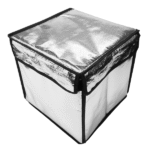
Mesmo um bom pacote pode falhar no sistema errado. Espessura do isolamento, Tamanho da caixa, densidade de carga útil, espaço vazio, e a colocação do pacote alteram o resultado. Em rotas regulamentadas ou altamente sensíveis, o refrigerante é apenas um componente de um pacote controlado maior. Em programas de consumo ou varejo, a experiência do usuário após a entrega pode ser tão importante quanto a tendência da temperatura interna.
É por isso que o pack deve sempre ser discutido em conjunto com o resto da construção. Se você mudar a caixa, o forro, o número de unidades, ou a forma como o produto é pré-condicionado, você pode ter alterado o desempenho. Os compradores que entendem a adequação do sistema desde o início gastam menos dinheiro em novos testes evitáveis posteriormente.
Uma rota que parece simples no papel ainda pode desafiar um Saco de gelo em gel uma vez que entra no mundo real. Encenação da primeira milha, exposição de última milha, atraso de fim de semana, disponibilidade do receptor, e picos ambientais são importantes. Uma saída de armazém refrigerado não é a mesma coisa que uma via protegida de entrega ao domicílio, e uma transferência clínica não é a mesma coisa que uma doca de recebimento de um hospital ou uma sala de treinamento atlético.
É por isso que o mapeamento operacional é importante. Os compradores devem perguntar onde o pacote passa o tempo fora das condições controladas, quanto tempo o produto permanece após a embalagem, se as caixas são abertas imediatamente após o recebimento, e o que acontece quando algo dá errado. Quanto mais variáveis de rota você puder definir, menor será a probabilidade de você comprar massa em excesso, proteção de subcompra, ou escolha um formato que pareça eficiente na teoria, mas que gere reclamações na prática.
Quando os compradores combinam essa estrutura com uma lista restrita e piloto, eles geralmente acabam com uma escolha final melhor do que qualquer artigo, página do catálogo, ou uma análise de amostra poderia fornecer por si só.
Uma estrutura clara para escolher o pacote certo
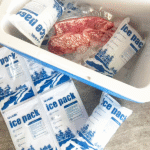
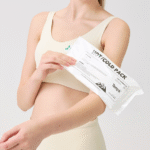
Comparar formatos é mais útil do que comparar slogans. Uma linha de bolsas de gelo em gel pode incluir pequenas bolsas, sacos de gel finos, embalagens de folhas para caixas de cosméticos, e refrigerantes de baixa condensação, e cada formato altera o comportamento da embalagem. Embalagens planas ou em folhas muitas vezes melhoram a velocidade de embalagem e se sobrepõem perfeitamente às caixas ou aos revestimentos. As embalagens tipo travesseiro podem envolver os produtos e preencher os vazios com mais naturalidade. Os blocos rígidos mantêm a sua forma e podem ser mais fáceis de posicionar de forma previsível, mas eles ocupam mais espaço no freezer e podem ser menos tolerantes com cargas irregulares.
O método de comparação correto é, portanto, específico do trabalho. Pergunte qual formato funciona com a pegada atual da sua caixa, qual deles armazena com eficiência em seu freezer, qual reduz a confusão do empacotador, e qual deles limita o risco de danos ou vazamento. A melhor resposta pode não ser aquela com o perfil de frio mais agressivo. Pode ser aquele que sua equipe pode condicionar, identificar, e use corretamente todos os dias.
Como o produto funciona dentro de um sistema completo
O princípio de funcionamento é simples, mas a decisão de compra não é. Uma bolsa de gelo em gel absorve o calor enquanto está congelada ou condicionada e então libera a energia armazenada gradualmente. A rapidez com que isso acontece depende da massa da embalagem, a forma e a área da embalagem, o isolamento circundante, e a quantidade de tempo que a carga permanece exposta ao calor ambiente.
Pacotes de gel padrão à base de água geralmente congelam no ponto onde a água congela, o que os torna práticos e econômicos para muitos trabalhos gerais da cadeia de frio. Polímero superabsorvente, frequentemente abreviado como SAP, é comumente usado para transformar a fase aquosa em uma matriz de gel. Isso ajuda o enchimento a resistir ao movimento de líquido livre quando a bolsa está tensionada. Em programas mais exigentes, ou quando produtos sensíveis ao congelamento devem ser protegidos, os compradores também podem considerar materiais de mudança de fase. Os pacotes à base de PCM podem ser projetados para derreter e solidificar mais perto de uma faixa alvo, de modo que liberem o frio mais suavemente do que os refrigerantes padrão à base de água congelada.
É por isso que o condicionamento é tão importante quanto a química. Um comprador não precisa de uma embalagem que fique fria no freezer. O comprador precisa de um pacote que entre na etapa de envio ou uso no estado térmico correto. Se o produto permanecer refrigerado em vez de congelado, um pacote à base de água totalmente congelado pode criar super-resfriamento localizado. Se a rota incluir etapas curtas refrigeradas, mas longa exposição na milha final, uma embalagem mais pesada ou uma contagem maior de embalagens pode ser necessária. Em outras palavras, a matilha nunca pode ser julgada sozinha; tem que ser julgado dentro da rota e do processo de manuseio que realmente importa.
Material, Qualidade, e pontos de conformidade que não devem ser ignorados
Do ponto de vista dos materiais, mais volumoso pacotes frios são construídos em torno de sistemas de enchimento à base de água selados dentro de estruturas de bolsas multicamadas. Os compradores devem se concentrar em toda a arquitetura do pacote: fórmula de preenchimento, construção de filme, desenho de costura, e condicionamento recomendado. Esses detalhes influenciam não apenas o comportamento térmico, mas também a resistência a vazamentos, eficiência de armazenamento, e consistência da embalagem.
A logística de cosméticos tem menos a ver com a qualificação formal da cadeia de frio e mais com a proteção da estabilidade e apresentação da formulação sob estresse térmico previsível. A questão de conformidade geralmente é se a embalagem escolhida e a configuração do refrigerante são adequadas para a categoria do produto e se os rótulos, caixas, ou embalagens sensíveis a vazamentos permanecem aceitáveis na chegada.
Em todas essas categorias, uma discussão técnica mais forte abrange como o pacote se comporta em condições operacionais reais: quão rápido ele congela, se precisa de tempero, como ele reage sob compressão, e quão próximo o lote final corresponde à amostra aprovada. Esse tipo de profundidade é mais útil do que uma longa lista de afirmações sem suporte.
O controle de qualidade começa com a integridade do selo. Uma bolsa que vaza irá falhar, não importa quão bom seja o seu design térmico no papel. Os compradores devem perguntar como os selos são formados, quais testes de vazamento ou ruptura são usados, como a resistência à perfuração é verificada, e qual é a tolerância de preenchimento aceitável de lote para lote. Em programas repetidos, pequenas mudanças na embalagem podem ter grandes efeitos operacionais, especialmente quando o caso conta, cubo, armazenamento congelador, ou embalagem automatizada estão envolvidos.
A outra parte do controle de qualidade é o gerenciamento de mudanças. Grandes compradores muitas vezes assumem que a especificação cotada permanecerá fixa, mas isso nem sempre é verdade na prática. Fornecimento de filme, largura da costura, proporção de preenchimento, área de impressão, e até mesmo a contagem de caixas pode mudar se não houver um processo de controle de alterações definido. Um relacionamento mais forte com o fornecedor inclui aviso prévio, especificações mestre retidas, e uma maneira de comparar o material piloto com a produção total.
Uma lista de verificação prática para fornecedores
Os compradores em massa devem transformar as conversas com os fornecedores em uma avaliação estruturada, em vez de uma discussão de vendas aberta. As perguntas mais úteis são aquelas que definem o ajuste antes que o preço se torne o único tópico.
Tamanho da embalagem em relação ao tamanho da caixa, porque as remessas de produtos de beleza geralmente precisam de refrigerantes compactos em vez de massa fria superdimensionada.
Ferramentas úteis de decisão
Verifique os detalhes antes de escolher a embalagem
Essas ferramentas rápidas podem ajudá-lo a comparar o risco da rota, necessidades de dimensionamento, escolhas de refrigerante, e detalhes da embalagem antes de solicitar um orçamento.
Calculadora de acumuladores de frio
Estime a quantidade de bolsas de gelo em gel para remessas refrigeradas e planejamento prático de rotas.
Estimar bolsas de geloCalculadora de gelo seco
Estime as necessidades de gelo seco para remessas congeladas ou ultrafrias antes de embalar.
Estimar gelo secoSeletor de embalagens
Compare opções de embalagens isoladas por produto, rota, e necessidade de temperatura.
Encontre embalagensControle de condensação e contenção secundária para produtos em vidro, bombas, conta-gotas, ou embalagens de varejo sensíveis a vazamentos.
Moderação de temperatura em vez de frio máximo, especialmente para produtos que precisam de proteção contra o calor, mas não de resfriamento profundo.
Apresentação na chegada, incluindo risco de manchas, inserções trituradas, caixas molhadas, e o efeito das superfícies frias nas embalagens premium.
Lógica de empacotamento sazonal para pistas em clima quente, atendimento regional, e entrega diferida ao domicílio.
Consistência em dimensões e pesos para que a mesma construção de caixa continue funcionando em promoções e lançamentos de produtos.
Se o fornecedor pode oferecer suporte a embalagens do tamanho certo para caixas pequenas.
Se o fornecedor pode oferecer suporte ao gerenciamento de condensação.
Se o fornecedor pode apoiar a proteção de recipientes de vidro.
Se o fornecedor pode suportar mudanças sazonais de embalagem.
Se o fornecedor pode apoiar uma apresentação cosmética consistente na chegada.
Como selecionar fornecedores antes do compromisso
Uma lista restrita geralmente é construída em torno de três perguntas. Primeiro, o fornecedor pode oferecer suporte honesto à aplicação pretendida, em vez de forçar todas as solicitações na mesma solução de estoque?? Segundo, o fornecedor pode explicar o condicionamento, ajustar, e comportamento da embalagem em linguagem prática? Terceiro, o fornecedor pode manter a especificação estável à medida que o programa cresce?
Os compradores também devem procurar evidências de suporte operacional. Isso inclui amostragem sensata, informações claras sobre caixas e paletes, rastreabilidade, e uma vontade de definir o que é controlado e o que pode variar. Um fornecedor mais fraco muitas vezes depende de uma linguagem genérica de tempo de espera, conselhos vagos sobre dimensionamento, ou uma amostra que parece boa apenas porque foi preparada em condições ideais.
Plano de implementação antes da expansão total
Depois de selecionar um fornecedor, a implementação deve seguir uma sequência disciplinada. Aprovar a especificação por escrito. Valide o método de condicionamento que sua equipe realmente usará. Execute um piloto usando a caixa pretendida, isolamento, carga útil, e suposições de rota. Revise o resultado recebido da mesma forma que a equipe interna ou o usuário final irá experimentá-lo. Em seguida, bloqueie os controles de novos pedidos para que os lotes futuros permaneçam dentro da faixa aprovada.
Se o programa crescer, atualize o sistema antes que os problemas o forcem a. Novos tamanhos de caixa, pistas mais quentes, tempos de permanência mais longos, ou uma mudança do fornecimento de estoque para impressão personalizada pode alterar o resultado. As equipes que revisitam o pacote de forma proativa geralmente evitam o caro ciclo de reclamação, substituição de emergência, e requalificação apressada.
Perguntas frequentes
Os cosméticos sempre precisam de remessa refrigerada?
Não. Muitos produtos só precisam de proteção contra picos de calor e exposição ambiental prolongada. O nível de controle necessário depende da formulação e embalagem.
Por que as bolsas térmicas superdimensionadas podem ser um problema para os cosméticos?
Eles podem criar condensação, caixas molhadas, e peso desnecessário, e podem resfriar demais produtos que só precisavam de proteção térmica.
O que um distribuidor deve pedir antes de escalar?
Uma recomendação baseada em faixa, orientação sobre ajuste à caixa, e um plano para embalagens em clima quente que protege a estabilidade e a apresentação do produto.
Recomendação Final
A maneira mais útil de comprar sacos de gelo em gel é começar com o trabalho real: cuidados com a pele sensível ao calor, maquiagem com tendência a derreter, e cosméticos premium em embalagens de vidro ou sensíveis a vazamentos. Uma vez que esse trabalho esteja claramente definido, a escolha certa se torna mais fácil de ver. Você compara o formato, condicionamento, estabilidade, manuseio, e controle do fornecedor em vez de se distrair com reivindicações amplas. É assim que os compradores a granel reduzem o desperdício, proteger a integridade do produto, e evitar reconstruir o programa após a primeira expansão.
Sobre Tempk
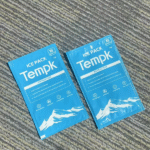
E Tempk, nos concentramos em embalagem da cadeia de frio para transporte sensível à temperatura. Nossa linha listada publicamente inclui bolsas de gelo em gel, bolsas de gelo cheias de água, Pacotes de gelo seco, tijolos de gelo, sacos isolados, caixas isoladas, forros de caixa, Tampas de paletes, e materiais relacionados da cadeia de frio. Também apoiamos trabalhos de embalagem de alimentos, farmacêutico, e projetos de distribuição sensíveis à temperatura. Na prática, nosso ponto forte é ajudar os compradores a combinar refrigerantes, isolamento, e lidar com necessidades em vez de confiar em uma reivindicação genérica de frio.
Próximo passo: Compartilhe sua faixa de temperatura desejada, duração da rota, tamanho do remetente, e condições de manuseio, e podemos ajudá-lo a definir um plano de embalagem a granel mais prático.