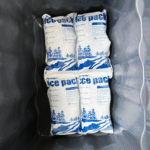
Se você estiver usando um bolsa de gelo em gel para cabeça dentária inchaço, seu objetivo é simples: reduza o inchaço e a dor sem congelar demais a pele. O inchaço geralmente é pior 48–72 horas após cirurgia oral, então sua rotina de conforto precisa funcionar além do primeiro dia.
Em 2025, a pesquisa também mostra que muitas pessoas não seguem planos mais longos de compressas frias - apenas 21.7% seguiu uma recomendação de ≥3 horas – então o melhor plano é aquele que você pode realmente repetir com um cronômetro.
bolsa de gelo em gel para cabeça dentária
Nota importante: Esta é a educação geral, não é conselho médico. Siga sempre as instruções exatas do seu dentista ou cirurgião oral.
Este artigo irá ajudá-lo a responder:
-
Como um bolsa de gelo em gel para inchaço dentário na cabeça funciona (em linguagem simples)
-
O mais seguro 20 minutos depois 20 minutos sem bolsa de gelo odontológica tempo que você pode cumprir
-
Onde colocar bolsa de gelo para inchaço da mandíbula então você esfria o tecido certo
-
Qual opção combina melhor com você: pacote de gel para envoltório de mandíbula para cirurgia dentária vs pacotes planos
-
Como manter um bolsa de gelo em gel para cabeça dentária limpar, reutilizável, e pronto para clínica
-
Como construir uma rotina simples em casa (mesmo quando você se sente cansado)
Por que uma bolsa de gelo em gel para inchaço dentário na cabeça funciona?
Uma bolsa de gelo em gel para inchaço dentário na cabeça ajuda a “diminuir” a resposta do inchaço e acalmar os sinais de dor. O frio estreita os pequenos vasos sanguíneos superficiais e retarda o “ímpeto” que faz sua bochecha ficar tensa e quente.
bolsa de gelo em gel para cabeça dentária
É por isso que muitas pessoas sentem alívio logo após um breve, sessão cronometrada.
Na vida real, “cabeça dentária” geralmente significa que você deseja resfriamento em torno de seu bochecha, queixo, ou dobradiça de mandíbula, não dentro da sua boca. Você não está tentando congelar o soquete – você está tentando acalmar o tecido circundante com resfriamento controlado.
bolsa de gelo em gel para cabeça dentária
O que “cabeça dentária” geralmente significa para colocação
Use este mapa de posicionamento rápido para evitar os erros mais comuns.
bolsa de gelo em gel para cabeça dentária
| Área alvo | Melhor colocação | Erro comum | Significado prático para você |
|---|---|---|---|
| Bochecha (lado de extração) | Encostado na bochecha | Contato direto com a pele | Maior risco de irritação |
| Mandíbula (molares inferiores) | Enrole sob o queixo | Pressionando com muita força | Mais dor, menos conforto |
| Dobradiça de mandíbula (perto da orelha) | Envoltório suave da alça | Deixando por muito tempo | Dormência ou desconforto |
Dicas práticas que você pode usar hoje
-
Se você se machuca facilmente: mantenha as sessões curtas e repetíveis, não intenso.
-
Se sua pele é sensível: adicione uma barreira de tecido mais grossa.
bolsa de gelo em gel para cabeça dentária
-
Se o inchaço parecer “quente e tenso”: o frio geralmente é o primeiro passo, mas mantenha o tempo cronometrado.
bolsa de gelo em gel para cabeça dentária
Exemplo de caso prático: Um paciente sentiu menos latejante quando usou ciclos cronometrados de 20 minutos (com pausas) em vez de cobertura contínua.
bolsa de gelo em gel para cabeça dentária
Por quanto tempo uma bolsa de gelo em gel para dentes de cabeça deve permanecer?
O padrão mais seguro é curto, sessões cronometradas – geralmente de 15 a 20 minutos por vez com intervalos. Muitas instruções de cuidados posteriores descrevem “15 minutos por hora” ou “20 minutos por hora”., 20 minutos de folga” ciclos, especialmente no início da recuperação.
bolsa de gelo em gel para cabeça dentária
Sua melhor abordagem é escolher um estilo de tempo e repeti-lo de forma consistente com um cronômetro de telefone. Consistência supera “frio extra,”Porque o uso excessivo pode irritar a pele e provocar dormência persistente.
bolsa de gelo em gel para cabeça dentária
Bolsa de gelo em gel para cronometragem dentária da cabeça: qual ciclo combina com você?
| Método de tempo | Padrão típico | Prós | O que isso significa para você |
|---|---|---|---|
| 15 minutos por hora | 15 min de frio, descanse | Gentil + cauteloso | Bom se você está preocupado em exagerar |
| 20 sobre / 20 desligado | 20 min de frio, 20 mínimo de descanso | Fácil de lembrar | Ótimo para construir um hábito repetível |
| “Sempre que dói” | Inconsistente | Nenhum | Maior risco de uso excessivo e irritação da pele |
Dicas práticas e recomendações
-
Sempre use uma barreira de pano (toalha ou manga), mesmo que pareça menos frio.
bolsa de gelo em gel para cabeça dentária
-
Não durma com frio no rosto. Você não pode controlar o tempo enquanto dorme.
bolsa de gelo em gel para cabeça dentária
-
Pare se a dormência persistir depois de remover a bolsa de gelo em gel para sessão odontológica na cabeça.
bolsa de gelo em gel para cabeça dentária
Exemplo do mundo real: Quando os pacientes usaram temporizadores, eles relataram menos reclamações de “queimadura de gelo” e menos ligações de acompanhamento.
Onde você deve colocar uma bolsa de gelo em gel para inchaço da mandíbula dentária?
Uma bolsa de gelo em gel para alívio dentário da cabeça é colocada na parte externa do rosto - geralmente sobre a bochecha, perto da área tratada. Você está esfriando tecido próximo ao site, não o soquete cirúrgico em si.
bolsa de gelo em gel para cabeça dentária
Se você tivesse trabalho molar inferior, concentre-se na bochecha + cobertura da mandíbula desse lado. Se você tivesse removido os dentes do siso, muitas pessoas se saem melhor quando a mochila fica ligeiramente voltada para a dobradiça da mandíbula (mas ainda assim gentil e cronometrado).
bolsa de gelo em gel para cabeça dentária
A “regra de pressão suave” para bolsa de gelo em gel para conforto dentário da cabeça
O frio deve acalmar. Não deve apertar. A pressão forte pode aumentar a sensibilidade e até provocar dores de cabeça.
bolsa de gelo em gel para cabeça dentária
| Fator de posicionamento | Boas práticas | Má prática | Significado prático para você |
|---|---|---|---|
| Barreira cutânea | Capa de pano | Gel direto na pele | Menor risco de irritação |
| Pressão | Contato gentil | Pressão forte | Menos dor |
| Rotação pontual | Mude ligeiramente o local | Exatamente no mesmo lugar | Menos risco de vermelhidão/dormência |
Dicas práticas que você pode usar hoje
-
Coloque a bolsa de gelo em gel para a bolsa dentária da cabeça onde o inchaço “vive”,” não onde a dor “ecoa”.
-
Se a mochila parecer “fria como uma faca,”adicione outra camada de pano.
-
Se você estiver glaceando os dois lados, lados alternativos evitar acampar em um local por muito tempo.
Qual bolsa de gelo em gel para design odontológico de cabeça se adapta à sua rotina?
A melhor bolsa de gelo em gel para design dentário de cabeça é aquela que você realmente usará correta e repetidamente. Os envoltórios geralmente vencem porque permanecem no lugar com as mãos livres, enquanto as embalagens planas muitas vezes escorregam e criam “momento de mexer”.
bolsa de gelo em gel para cabeça dentária
Um bom ajuste também evita erros do usuário. Se você precisar segurar a mochila com a mão, você desistirá mais cedo - especialmente quando estiver cansado. É por isso que os estilos de envoltório geralmente superam os pacotes planos em rotinas reais de recuperação..
bolsa de gelo em gel para cabeça dentária
Comparação rápida: envoltório vs plano vs frio instantâneo
| Tipo de bolsa de gelo em gel | Melhor caso de uso | Principal vantagem | Principal desvantagem | O que isso significa para você |
|---|---|---|---|---|
| Pacote de gel para envoltório de cabeça/mandíbula | Dentes do siso, inchaço da mandíbula | Viva-voz, estável | Ainda precisa de temporizador | Conformidade mais fácil |
| Pacote de gel plano flexível | Pequena dor na bochecha | Simples e de baixo custo | Desliza facilmente | Mais esforço por sessão |
| Compressa fria instantânea | Viagem/emergência | Não é necessário freezer | Curto tempo de resfriamento | Backup, não primário |
bolsa de gelo em gel para cabeça dentária
Lista de verificação de recursos: o que é mais importante em uma bolsa de gelo em gel para envoltório dentário da cabeça
-
Flexível quando frio: evita a sensação de “tijolo duro”.
-
Capa de toque suave: reduz o contato frio severo.
-
Alça ajustável: ajuste estável sem apertar.
-
Resistência a vazamentos: costuras reforçadas reduzem falhas complicadas.
Ferramenta de decisão: escolha sua bolsa de gelo em gel para configuração dentária em 60 segundos
Pontue-se. Totalize seus pontos, então siga o guia.
bolsa de gelo em gel para cabeça dentária
Adicione pontos se “sim”:
-
Você precisa usar as mãos livres enquanto descansa (2)
-
Você tem inchaço em ambos os lados (2)
-
Você planeja usar terapia fria 6+ vezes por dia (2)
-
Sua pele é sensível ao frio (2)
-
Você não gosta de tiras apertadas ou pressão (1)
-
Você quer um reutilizável, opção fácil de limpar (1)
-
Você precisa de um kit pronto para clínica para pacientes (2)
Guia de pontuação
-
0–3: Pacote plano + manga geralmente é suficiente
-
4–7: Pacotes de contorno ou envoltórios leves se adaptam melhor
-
8–12: O kit completo de envoltório de cabeça/mandíbula é a sua melhor combinação
Quando você deve mudar da bolsa de gelo em gel para a cabeça dentária para o calor?
O frio geralmente é melhor cedo para o inchaço. O calor pode melhorar mais tarde, especialmente se a rigidez dominar. Uma maneira simples de decidir é baseada nos sintomas: inchaço precoce → frio primeiro; músculos tensos da mandíbula mais tarde → o calor pode ajudar.
bolsa de gelo em gel para cabeça dentária
Se você mudar para o calor, mantenha o mesmo hábito do cronômetro. Nunca use fogo alto – calor suave é suficiente.
bolsa de gelo em gel para cabeça dentária
Guia de mudança baseado em sintomas (simples e seguro)
| Sintoma | O frio geralmente ajuda mais | O calor geralmente ajuda mais | O que você faz a seguir |
|---|---|---|---|
| Inchaço inchado | Fase inicial | Fase posterior | Frio primeiro, então reavalie |
| Músculos tensos da mandíbula | Benefício limitado | Muitas vezes útil | Mude mais cedo se a rigidez dominar |
| Ternura machucada | Conforto precoce | Conforto posterior | Escolha o que parece mais seguro |
bolsa de gelo em gel para cabeça dentária
Como limpar, reutilizar, e kit bolsa de gelo em gel para produtos odontológicos de cabeça
Uma bolsa de gelo em gel para uso odontológico na cabeça é mais fácil de manter higiênica quando você separa o “material frio” do “contato com a pele”. Isso significa uma manga lavável ou uma barreira de pano limpa sempre. Mantém as rotinas simples e reduz problemas de odor.
Lista de verificação de limpeza para uma bolsa de gelo em gel reutilizável para a rotina odontológica da cabeça
-
Limpe a superfície com sabão neutro + água.
-
Seque completamente ao ar antes de congelar novamente.
-
Lave a manga regularmente (como uma fronha).
-
Substitua a embalagem se as costuras parecerem danificadas.
Kit de bolsa de gelo para clínica odontológica: o que incluir
Se você é uma clínica, uma bolsa de gelo em gel para o kit odontológico para levar para casa é uma ferramenta de serviço. A padronização reduz a confusão e reduz as chamadas de suporte.
Noções básicas do kit clínico
-
Pacote ou envoltório de gel (tamanho único)
-
Manga lavável (conforto + higiene)
-
Cartão de início rápido de uma página (fonte grande, 3 passos)
-
Bolsa de contenção (assumir que vazamentos podem acontecer)
-
Etiqueta da lista de verificação (evita reclamações de itens faltantes)
Envio e armazenamento: mantenha o kit de bolsas de gelo em gel pronto
Se você enviar pacotes de gel em temperatura ambiente, foco na prevenção de vazamentos, durabilidade, e instruções claras para o usuário.
bolsa de gelo em gel para cabeça dentária
Uma mentalidade simples de remessa de três camadas
-
Contenção: bolsa selada (almofada absorvente opcional)
-
Almofada: proteger bordas e tiras
-
Imobilizar: caixas do tamanho certo para parar de deslizar
2025 bolsa de gelo em gel para tendências dentárias de cabeça que você deve conhecer
Em 2025, a grande mudança são os cuidados posteriores “amigos dos hábitos”. A pesquisa destaca um problema real de conformidade: apenas 21.7% dos pacientes pesquisados seguiram uma recomendação de compressa fria de ≥3 horas, portanto, instruções melhores e envoltórios mais fáceis de usar são importantes.
bolsa de gelo em gel para cabeça dentária
Instantâneo do progresso mais recente
-
Envoltórios mais ergonômicos com melhor contorno da mandíbula e menos pressão na cinta
bolsa de gelo em gel para cabeça dentária
-
Mangas laváveis se tornando padrão (conforto + higiene em um passo)
bolsa de gelo em gel para cabeça dentária
-
Kits prontos para clínica com menos itens perdidos e menos chamadas de suporte
bolsa de gelo em gel para cabeça dentária
-
Películas externas mais duráveis que reduzem microvazamentos em ciclos repetidos de congelamento
bolsa de gelo em gel para cabeça dentária
Um pequeno “registro de cuidados domiciliares” que aumenta a consistência
Copie/cole isso em seu aplicativo de notas:
Perguntas frequentes
Q1: Qual é o momento mais seguro para uma bolsa de gelo em gel para inchaço dentário na cabeça?
Use curto, ciclos cronometrados com pausas – muitas pessoas usam de 15 a 20 minutos por vez, ou 20 minutos e 20 minutos de folga. Sempre use uma barreira de tecido e um cronômetro para não resfriar demais a pele.
bolsa de gelo em gel para cabeça dentária
Q2: Devo colocar uma bolsa de gelo em gel para cabeça dentária diretamente no rosto?
Não. O contato direto aumenta o risco de irritação. Use uma toalha ou manga macia em cada sessão, mesmo que pareça “menos frio,” porque protege a pele e torna a rotina mais segura.
bolsa de gelo em gel para cabeça dentária
Q3: Onde coloco uma bolsa de gelo em gel para inchaço da mandíbula dentária na cabeça?
Coloque-o na bochecha externa perto da área tratada. Para molares inferiores, mirar na bochecha + cobertura do maxilar. Mantenha a pressão suave – o frio deve acalmar, não aperte.
bolsa de gelo em gel para cabeça dentária
Q4: Um pacote de gel para proteção da mandíbula para cirurgia dentária é melhor do que um pacote plano?
Muitas vezes sim, porque um envoltório permanece no lugar com as mãos livres, o que torna mais fácil repetir as sessões corretamente. Pacotes planos podem funcionar, mas escorregar e segurar as mãos reduzem a consistência.
bolsa de gelo em gel para cabeça dentária
Q5: Quando devo mudar da compressa fria para a quente após uma cirurgia dentária?
O frio geralmente é melhor no início do inchaço. O calor pode ajudar mais tarde se a rigidez dominar. Mantenha o mesmo hábito do cronômetro de qualquer maneira, e evite calor alto - calor suave é suficiente.
bolsa de gelo em gel para cabeça dentária
Q6: O que devo evitar com uma bolsa de gelo em gel para recuperação dentária da cabeça?
Evite contato direto com a pele, evite deixá-lo ligado por muito tempo sem pausas, e evite gelo enquanto dorme. Se a dor ou o inchaço piorarem inesperadamente, entre em contato com seu médico.
bolsa de gelo em gel para cabeça dentária
Resumo e recomendações
UM bolsa de gelo em gel para cabeça dentária a recuperação funciona melhor quando é segura, cronometrado, e fácil de repetir. Use uma barreira de tecido, mantenha a pressão suave, e siga ciclos curtos, como 15 a 20 minutos com intervalos. O inchaço pode piorar em torno de 48 a 72 horas, então planeje uma rotina que você possa repetir no segundo e terceiro dia. Se a rigidez se tornar o principal problema mais tarde, calor suave pode parecer melhor - ainda cronometrado, ainda cauteloso.
bolsa de gelo em gel para cabeça dentária
Seus próximos passos (CTA): Escolha a bolsa de gelo em gel para o formato dentário da cabeça que você realmente usará (plano, contorno, ou embrulhar), definir um hábito de cronômetro, e mantenha um registro simples de cuidados domiciliares. Se você estiver criando kits clínicos para levar para casa ou programas de remessa, padronizar o pacote + manga + cartão de início rápido para que os pacientes possam segui-lo mesmo quando cansados.
Sobre Tempk
E tempk, construímos produtos de controle de temperatura e sistemas de embalagem projetados para rotinas do mundo real – barreiras de contato seguras, manuseio repetível, e layouts de kits que reduzem erros. Para bolsa de gelo em gel para programas odontológicos de cabeça, apoiamos fluxos de trabalho de kitting, embalagem de contenção de vazamento, e designs fáceis de reutilizar que reduzem reclamações e substituições de clientes.
bolsa de gelo em gel para cabeça dentária
Próximo passo: Compartilhe seu caso de uso alvo (kits de cuidados posteriores da clínica vs direto ao consumidor), rotas de embarque típicas, e formato de pacote preferido. Ajudaremos você a mapear uma bolsa de gelo em gel escalonável para solução dentária com instruções simples que as pessoas realmente seguirão.