Escolhendo um fornecedor de envoltório de gelo em gel para remessas de alimentos: Um guia prático de compra e especificação
Um bom envoltório de gelo em gel food supplier decision comes down to fit: adequado ao produto, adequar-se à rota, adequado à rotina de embalagem, e adequado ao nível de risco que você realmente corre.
Essa visão equilibrada é importante porque os compradores muitas vezes são levados a extremos. Um lado reduz a decisão sobre o preço da bolsa e evita vazamentos, trabalho, e custos de deterioração. O outro lado projeta demais o programa e paga pelo desempenho que a pista realmente não precisa. Uma abordagem melhor é combinar o formato do refrigerante com o trabalho real de envio e depois verificar se o fornecedor consegue reproduzi-lo de forma consistente.
As seções abaixo combinam conselhos práticos de compra, pontos de referência técnica públicos, e cuidados específicos da aplicação para que você possa tomar uma decisão mais confiante sem transformar uma simples revisão de pacote em um projeto excessivamente complicado.
Orientação ao consumidor do USDA e FDA, junto com as principais instruções do transportador de encomendas, consistently point to frozen pacotes de gel or dry ice inside an Recipiente isolado para perecíveis. Eles também distinguem entre alimentos refrigerados e alimentos verdadeiramente congelados, qual é o limite de compra mais importante.
Onde este formato agrega valor real
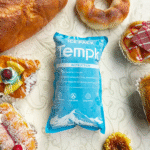
Um envoltório de gelo em gel geralmente é uma escolha forte quando você precisa de um manuseio limpo, posicionamento previsível, buffer térmico moderado, e um formato que pode ser dimensionado para remessas repetidas. É especialmente útil quando a água derretida solta seria um problema, quando a área de contato do produto é importante, ou quando você precisa de uma bolsa que ocupe menos espaço do que uma garrafa dura ou um tijolo.
Pode ser uma escolha errada quando a rota é tão exigente que o embarque necessita de um sistema qualificado de longa duração, quando o produto é altamente sensível ao frio, ou quando a geometria da embalagem não se ajusta à caixa sem esmagar a carga útil. Nesses casos, a melhor resposta pode ser um refrigerante diferente, um nível de isolamento diferente, ou uma reformulação completa do sistema passivo.
É por isso que os melhores fornecedores não tratam todas as oportunidades como uma venda em estoque. Eles ajudam você a definir a meta de temperatura, risco de rota, método de manuseio, e custo do fracasso primeiro. Uma vez que isso esteja claro, o formato correto do refrigerante geralmente é muito mais fácil de defender internamente.
Como funcionam os refrigerantes em gel em uma embalagem real
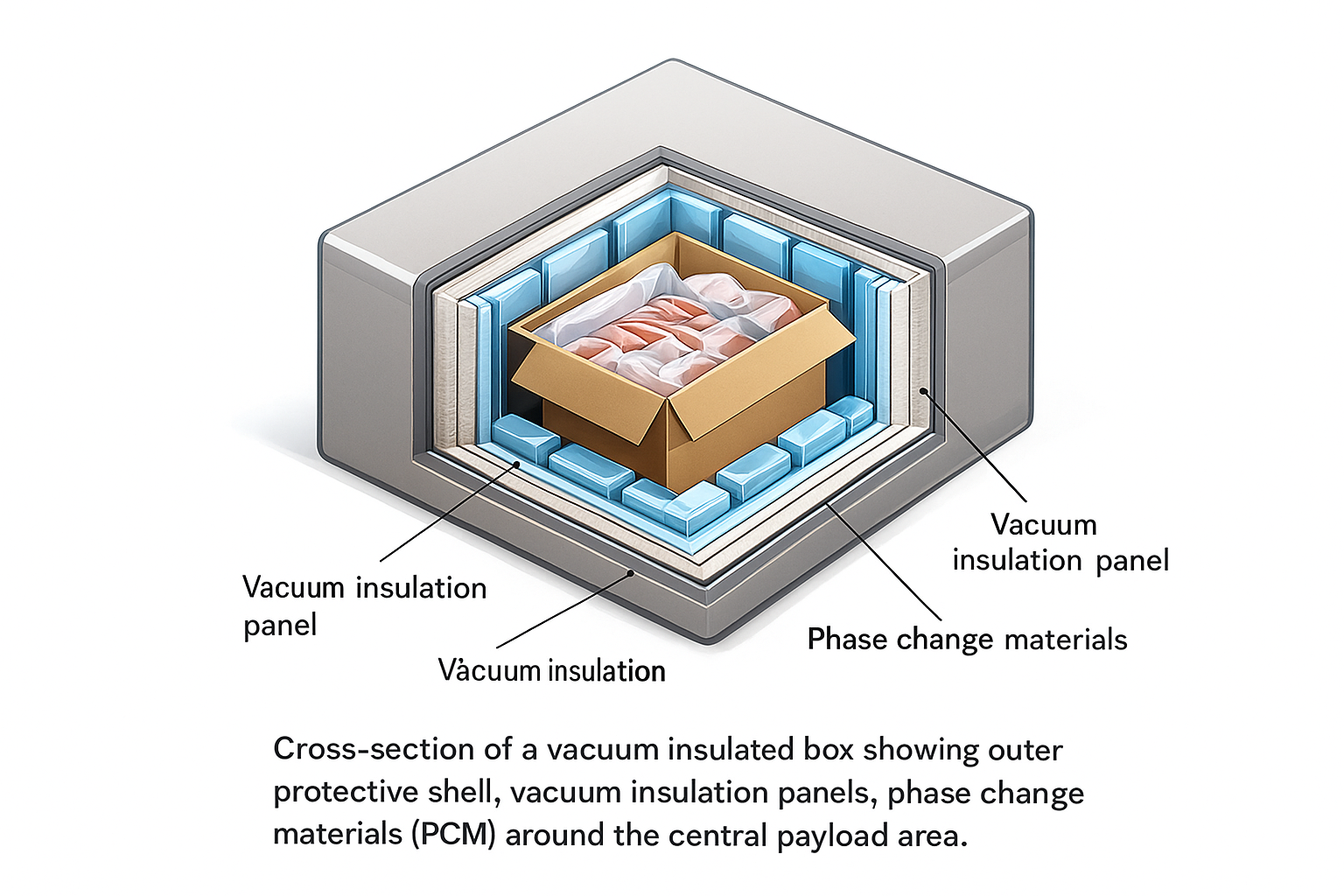
Um envoltório de gelo em gel funciona como um amortecedor térmico dentro de um sistema de envio passivo. Não cria frio por conta própria. Armazena energia de resfriamento durante a refrigeração ou congelamento, em seguida, absorve o calor recebido enquanto o transportador isolado retarda a taxa de aumento da temperatura. Isso parece simples, mas o desempenho real muda com o tempo de condicionamento, colocação do pacote, preenchimento de caixa, temperatura externa, e com que frequência a caixa é aberta.
As orientações públicas sobre a cadeia de frio e os catálogos de produtos apontam para a mesma verdade prática: o tempo de espera nunca é um número fixo que pertence apenas ao pacote. Um catálogo pode mostrar um 24 para 48 janela de hora, mas esse valor só faz sentido junto com o valor do isolamento da caixa, o perfil ambiental, e a quantidade de refrigerante usado. Para remessas de alto risco, a maneira correta de comparar opções é testar o pacote completo em vez de copiar uma reivindicação de outra faixa.
Em muitas operações, compradores comparam envoltórios flexíveis, bolsas planas, tijolos rígidos, e elementos baseados em PCM. Formatos flexíveis melhoram o contato e podem envolver a geometria do produto. Formatos rígidos podem ser mais fáceis de posicionar de forma previsível e podem resistir melhor à compressão. PCM significa material de mudança de fase: um refrigerante projetado para congelar e derreter em torno de um ponto de temperatura mais específico do que um gel padrão à base de água. Isso pode ser útil quando você deseja um controle de temperatura mais restrito, mas também levanta a necessidade de um condicionamento e design de embalagem mais disciplinados.
As diferenças de formato que importam nas compras
A maioria dos pacotes de gel comerciais são construídos a partir de dois elementos: uma película externa flexível e um meio refrigerante interno. As informações públicas do produto mostram várias abordagens comuns. Algumas embalagens dependem de géis poliméricos à base de água que permanecem semi-sólidos em vez de se transformarem em um bloco duro de gelo. Alguns usam polímeros superabsorventes, frequentemente materiais à base de poliacrilato de sódio, para reter água em um hidrogel. Outros usam carboximetilcelulose ou sistemas relacionados para criar um gel resistente a vazamentos com sensação e perfil de fluxo diferentes..
A embalagem externa não é um detalhe menor. Produtos duráveis de cadeia de frio são comumente descritos com polietileno, poli-náilon, laminado de náilon, ou construções baseadas em TPU, dependendo se o objetivo é a durabilidade do transporte, controle de umidade, ou conforto de contato corporal. Para pacotes de envio, a resistência à perfuração e a resistência da vedação são críticas porque um vazamento pode danificar as caixas, rótulos, materiais absorventes, ou a própria carga útil. Para pacotes de terapia e cuidados pessoais, suavidade, flexibilidade, e repetir ciclos de aquecimento ou congelamento muitas vezes tornam-se igualmente importantes.
Os compradores também precisam distinguir os pacotes de gel padrão dos elementos PCM mais específicos para a temperatura. Um pacote de gel padrão de 0°C é amplamente utilizado para remessas refrigeradas. Fórmulas abaixo de zero e opções de PCM estão disponíveis para aplicações congeladas ou com temperatura controlada. A escolha certa depende dos requisitos do produto, não em qual opção parece mais avançada. Um sistema de gel padrão bem ajustado pode superar uma solução PCM cara quando a rota é curta e a carga útil é tolerante, enquanto o inverso pode ser verdadeiro para faixas de banda mais longas ou mais estreitas.
O que os compradores de alimentos precisam de um fornecedor de embalagens de gel
O envio de alimentos parece simples até que você defina a condição alvo. As orientações públicas sobre segurança alimentar e envio de encomendas distinguem repetidamente alimentos refrigerados ou refrigerados de produtos que devem permanecer totalmente congelados. Essa distinção muda a escolha do refrigerante, a contagem do pacote, a quantidade de isolamento, e até mesmo o nível de serviço de trânsito que você deve comprar.
Um envoltório de gelo em gel costuma ser útil para alimentos refrigerados porque proporciona amplo contato ao redor das bandejas, bolsas, ou componentes da refeição e evita o problema de água livre que surge com o derretimento do gelo solto. Também pode ser mais fácil colocá-lo de forma limpa em kits de refeições diretas ao consumidor ou em embalagens cartonadas para serviços de alimentação de curta tiragem.. Mas quando a carga deve permanecer congelada, os compradores devem comparar os pacotes de gel com gelo seco ou soluções PCM mais frias, em vez de presumir que o envoltório pode cobrir todos os casos de uso.
Na prática, os compradores de alimentos devem prestar muita atenção à condensação, forros secundários, e higiene da caixa. Uma embalagem que mantém a carga fria, mas deixa as mangas de papel encharcadas, não é um bom resultado para embalagens de alimentos. Os melhores fornecedores entendem a interação entre refrigerante, camadas absorventes ou de gerenciamento de umidade, e a apresentação externa da remessa.
Condicionamento, Teste, e Qualificação
O condicionamento é frequentemente tratado como um detalhe do armazém, mas afeta fortemente o desempenho. Um pacote que está apenas parcialmente congelado, descongelado demais, ou organizado de forma inconsistente antes da embalagem não se comportará como o pacote que foi testado. Essa é uma das razões pelas quais os fornecedores às vezes parecem “mudar” o desempenho mesmo quando a formulação é a mesma: o método de operação diário mudou.
O método de validação correto depende do risco. Para bens de consumo refrigerados de rotina, um teste de amostra disciplinado no remetente pretendido pode ser suficiente. Para laboratório, farmacêutico, ou outros aplicativos confidenciais, o sistema de embalagem completo pode precisar de qualificação formal, perfil de rota, ou pelo menos um estudo de temperatura mais estruturado. As orientações da OMS sobre transporte de produtos farmacêuticos sensíveis à temperatura também enfatizam que os sistemas de embalagem devem ser qualificados antes do uso.
Quando você executa um piloto, registrar mais que a temperatura máxima. Registre por quanto tempo as embalagens ficaram condicionadas, quantos foram usados, onde foram colocados, a massa da carga útil, o perfil ambiental, e a condição da caixa no recebimento. Esses detalhes tornam os resultados reutilizáveis. Sem eles, as equipes muitas vezes repetem o mesmo teste sem perceber que o método de embalagem mudou.
Os pontos de decisão que separam uma boa cotação de uma boa solução
Ajuste primeiro: comparar dimensões internas e externas, perfil congelado, e espaço de carga utilizável em vez de depender de, medições descongeladas.
Alvo térmico próximo: definir se o pacote suporta congelados, refrigerado, temperatura ambiente controlada, ou simples buffer de calor, então rejeite qualquer coisa fora desse propósito.
Qualidade do material e da vedação: pergunte o que é o filme da bolsa, como é feita a costura, e como o fornecedor controla o vazamento e a resistência ao rompimento.
Método operacional: bloquear a rotina de condicionamento, tempo de permanência no freezer, janela de descongelamento, se relevante, e posicionamento exato da embalagem na caixa.
Ferramentas úteis de decisão
Verifique os detalhes antes de escolher a embalagem
Essas ferramentas rápidas podem ajudá-lo a comparar o risco da rota, necessidades de dimensionamento, escolhas de refrigerante, e detalhes da embalagem antes de solicitar um orçamento.
Refrigerante & Referência PCM
Compare as opções de refrigerante e PCM quando uma rota precisar de suporte adicional de temperatura.
Comparar opçõesSeletor de embalagens
Compare opções de embalagens isoladas por produto, rota, e necessidade de temperatura.
Encontre embalagensReferência de material de isolamento
Compare as opções de materiais de isolamento para diferentes necessidades de embalagens da cadeia de frio.
Compare materiaisAdequação da rota: teste contra a pista real, incluindo exposição sazonal, contagem de transferências, e recebendo risco de atraso.
Consistência sobre marketing: dar mais peso à rastreabilidade do lote, controle de mudanças, e alinhamento entre amostra e produção do que com afirmações genéricas sobre ser premium ou ecologicamente correto.
Esses pontos de decisão são úteis porque trazem consigo, operações, e qualidade na mesma conversa. Quando todos os três grupos conseguem ler o mesmo resumo escrito e as mesmas respostas do fornecedor, fica muito mais fácil escolher um formato que ainda funcionará daqui a seis meses.
O que os compradores de alimentos devem perguntar antes de fazer pedidos a granel
A avaliação mais útil do fornecedor é operacional, não promocional. Peça ao fornecedor selecionado para responder às mesmas perguntas no mesmo formato, em seguida, compare as respostas escritas lado a lado. Essa abordagem expõe afirmações vagas rapidamente e torna os testes piloto mais fáceis de gerenciar.
Confirme o uso alvo primeiro: alimentos refrigerados ou alimentos congelados. Pacotes de gel são comumente recomendados para manter os alimentos frios ou refrigerados, enquanto o gelo seco é frequentemente preferido quando o produto deve permanecer totalmente congelado.
Pergunte sobre resistência a vazamentos e higiene da película externa. Em aplicações alimentícias, uma embalagem danificada pode criar um problema de higienização e apresentação, mesmo que o produto em si permaneça lacrado.
Verifique o controle de condensação. Kits de refeições, mangas estampadas, inserções onduladas, e etiquetas de papel podem ser danificadas pelo excesso de umidade.
Revise como o envoltório envolve a comida sem esmagar a delicada padaria, produzir, ou embalagens de refeições prontas.
Discuta suposições de contato direto. Mesmo quando uma embalagem não é tóxica, os compradores ainda devem definir se a embalagem toca a embalagem do alimento, um forro interno, ou uma camada separadora.
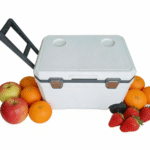
Pergunte ao fornecedor como funciona o envoltório no recipiente isolado exato que você usa. O tempo de espera depende da caixa, forro, perfil ambiente, e colocação da embalagem – não apenas no próprio gel.
Revise a estratégia de estoque e o prazo de entrega, não apenas o MOQ citado. Um fornecedor confiável deve explicar como lida com o reabastecimento, picos sazonais, e ordens de emergência.
Esclareça se o fornecedor está simplesmente revendendo um item em estoque ou pode coordenar com o fabricante tamanhos personalizados, imprimir, e controle de especificação.
Geralmente é mais fácil trabalhar com um fornecedor que responde a esses pontos com clareza mais tarde, quando uma pista muda, aparece uma reclamação, ou um novo SKU é adicionado.
Onde os compradores geralmente erram
O primeiro erro comum é comprar pelo nome do formato em vez de pelo trabalho térmico. Dois fornecedores podem oferecer um pacote de gel ou um envoltório de gel, mas um pode ser construído para uma faixa curta de pacotes refrigerados, enquanto o outro é destinado à terapia corporal direta ou uso unilateral de baixo custo. O rótulo não diz o suficiente por si só.
O segundo erro é presumir que mais frio é sempre melhor. Essa lógica pode danificar cosméticos, flores sensíveis ao frio, e alguns produtos farmacêuticos com a mesma facilidade com que os protege. Uma boa aquisição começa com a gama aceitável do produto e o design completo da embalagem.
O terceiro erro é aprovar uma amostra sem travar a especificação. Pequenas mudanças no tamanho da bolsa, filme, ou a massa de preenchimento pode alterar a forma como a embalagem congela, se encaixa, e executa. Se o fornecedor não conseguir manter a amostra e a produção alinhadas, você está efetivamente testando novamente cada pedido sem saber.
Finalmente, muitas equipes ignoram as condições de recebimento. Pergunte como deve ser a embalagem na chegada, qual limite de vazamento é aceitável, e como a equipe do armazém ou de atendimento ao cliente deve relatar problemas. Um programa de compras torna-se muito mais forte quando os critérios de falha são acordados antes do envio do primeiro grande pedido..
Perguntas frequentes
Os envoltórios de gel são suficientes para alimentos congelados??
Às vezes, brevemente, rotas controladas, mas não por padrão. As orientações de transporte público geralmente apontam para gelo seco para produtos que devem permanecer totalmente congelados e para embalagens de gel para alimentos que precisam permanecer frios ou refrigerados.. Os fatores decisivos são o alvo do produto, isolamento, e exposição ao trânsito.
Qual é a maneira mais rápida de comparar fornecedores de forma justa?
Dê a cada fornecedor o mesmo resumo escrito: faixa de temperatura alvo, duração da rota, tamanho da caixa, tamanho da carga útil, e método de condicionamento. Em seguida, solicite amostras e respostas escritas para a mesma lista de verificação. Isso torna as diferenças de clareza e disciplina técnica mais fáceis de detectar.
Quando você deve mudar de um pacote de gel padrão para PCM ou um sistema qualificado?
Subir quando o produto tiver uma tolerância estreita à temperatura, a rota é longa ou imprevisível, ou o custo do fracasso é alto. PCM e expedidores qualificados agregam valor quando resolvem um problema definido; eles não são atualizações automáticas para todas as pistas.
Uma breve lição antes de comprar
O programa de envoltório de gelo em gel mais forte é aquele que se adapta à rota, o produto, e a rotina operacional sem adicionar complexidade evitável. Isso geralmente significa escolher um fornecedor ou fabricante que possa explicar a embalagem em termos de sistema: temperatura alvo, método de condicionamento, ajuste da caixa, durabilidade, e repetibilidade desde a amostra até a produção.
Se você comparar as opções dessa maneira, é muito mais provável que você reduza as reclamações de temperatura, evite embalagem excessiva, e manter as decisões de aquisição baseadas no desempenho real da remessa, e não na linguagem genérica do catálogo.
Sobre Tempk
E Tempk, trabalhamos em embalagens com controle de temperatura para alimentos, médico, e outras aplicações sensíveis à temperatura. Nossa linha pública inclui custom bolsas de gelo, Pacotes de gelo seco, sacos isolados e caixas, e capas térmicas para paletes, junto com opções mais amplas de embalagens personalizadas de controle de temperatura. Destacamos também a seleção de materiais, controle de qualidade, e formatos específicos de aplicativos, o que é valioso quando você precisa de um programa de embalagem de gel voltado para alimentos que se adapte a um remetente real em vez de um acessório frio genérico.
Próximo passo
Se você estiver preparando um pedido piloto, definir a rota, faixa de temperatura alvo, tamanho da carga útil, e colocação da embalagem antes de solicitar amostras. Para pedidos em grandes quantidades ou formatos personalizados, peça uma amostra e uma especificação técnica clara antes de se comprometer.