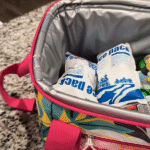
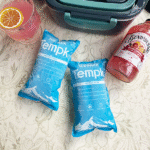
O que torna as folhas de gelo seco em folha de gel uma virada de jogo na logística da cadeia de frio?
Introdução: Pacote de gelo seco em folha de gel as folhas combinam o resfriamento extremo do gelo seco com a flexibilidade dos pacotes de gel. These quilted sheets contain cells of superabsorbent polymer that, uma vez hidratado e congelado, pode atingir temperaturas tão baixas quanto -190 °F, tornando-os adequados para alimentos perecíveis, produtos farmacêuticos e até eletrônicos. No primeiro 50 palavras, apresentamos como essas planilhas funcionam, why they’re different from traditional bolsas de gelo e por que o 2025 o mercado está abraçando-os.
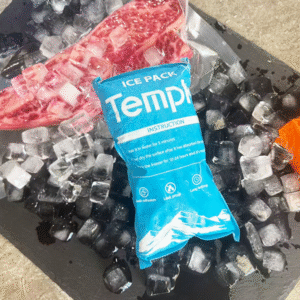
What are gel sheet folhas de embalagens de gelo seco E como eles funcionam? Descubra os materiais, processo de hidratação e construção que lhes permite imitar o gelo seco enquanto permanecem flexíveis.
When should you choose gel sheet Pacotes de gelo seco over conventional dry ice or gel packs? Aprenda faixas de temperatura, pros and cons and realworld scenarios for frozen, remessas refrigeradas e mistas.
Como você se hidrata com segurança, congele e reutilize essas folhas? Stepbystep guidance plus tips for cutting, embrulhar e combinar com outros refrigerantes.
Quais tendências de sustentabilidade e percepções de mercado estão moldando 2025? Understand ecofriendly materials, estatísticas de crescimento do mercado e programas que incentivam a reutilização.
Quais são as últimas inovações e perguntas frequentes? Explore novas tecnologias como filmes compostáveis e nanomateriais, e obtenha respostas concisas para perguntas comuns.
Como funcionam as folhas de gelo seco em folha de gel?
Conceito central: Gel sheet dry ice pack sheets merge the ultracold temperatures of dry ice with the flexibility of conventional gel packs. Each sheet contains a grid of cells filled with a superabsorbent polymer. Quando você embebe o lençol em água, o polímero incha em um gel selado dentro de cada célula. Um lado da folha é tecido permeável que permite a entrada de água e ativa o polímero, enquanto o outro lado é uma camada de plástico durável que evita vazamentos.
Por que eles são diferentes: Ao contrário dos blocos sólidos de gelo seco que sublimam diretamente em gás (liberando dióxido de carbono e apresentando desafios de manuseio), bolsas de gelo seco em folha de gel permanecem flexíveis após o congelamento. Eles podem ser cortados em qualquer tamanho, embrulhado em produtos e até reutilizado. Lençóis hidratados são enviados planos, economizando espaço e peso; uma vez congelado, eles podem atingir temperaturas próximas a -190 °F, rivalizando com gelo seco.
Vantagem híbrida: Os pacotes de gel tradicionais mantêm temperaturas em torno 32 °F e são ideais para produtos refrigerados, enquanto o gelo seco fica a -109,3 °F e é adequado para remessas congeladas. Folhas de gel de gelo seco preenchem a lacuna: they can freeze goods to extremely low temperatures yet remain flexible and nonhazardous. Isto os torna adequados para remessas mistas e itens delicados que precisam de resfriamento uniforme sem exposição direta ao CO₂.
Materiais e construção
Folhas de gelo seco em gel são projetadas para desempenho e segurança:
Nontoxic polymers: The gel is a waterabsorbing polymer, normalmente poliacrilato de sódio ou sílica gel. Brands like Techni Ice use a crosslinked polyacrylate–polyalcohol copolymer combined with proprietary refrigerants. These materials are foodsafe and FDA approved.
Estrutura multicamadas: A typical sheet comprises two inner layers of strong spunbonded synthetic fabric for durability and two outer layers of printed PET/LDPE laminate for heatsealability. Oneway microperforations allow water to enter during hydration while preventing leakage.
Certificações de segurança: Muitos fabricantes operam sob ISO 9001 e aprovação da FDA, ensuring that the materials are nontoxic and safe for contact with food and pharmaceuticals.
Comparando tamanhos de células e peso hidratado
Diferentes produtos de folhas de gel variam em tamanho e peso das células. A tabela abaixo resume como as dimensões das células afetam o peso hidratado e os casos de uso.
| Produto | Tamanho da célula seca | Peso Hidratado (aprox.) | Benefício prático |
| Thermapack #337 Folha de gel | 3 × 3.7 em; 6 células por linha | 36–37 lb quando totalmente hidratado (navios planos a ~ 2 lb) | Células pequenas fornecem cobertura flexível para itens delicados, como vacinas ou sobremesas |
| Thermapack #637 Folha de gel | 6 × 3.7 em; 3 células por linha | 49–50 libras quando hidratado | Células maiores proporcionam maior duração de frio para condições extremas |
| Folha HDR Techni Ice | 24 células; dimensões não especificadas | As células se expandem em bolsas seladas individualmente | Offers flexibility and even cooling for customshaped containers |
Dicas Práticas para Hidratação, Congelamento e Reutilização
A ativação correta das bolsas de gelo seco em folha de gel garante a máxima retenção de frio:
Hidrato: Mergulhe a folha seca em água morna por 5–15 minutos até que as bolhas de ar parem e as células inchem completamente. Para mantos de gelo hidratáveis, mergulhe-os na água e massageie suavemente para expelir o ar preso. Células pequenas requerem cerca de 5 a 10 minutos, enquanto folhas maiores podem precisar de 10 a 15 minutos.
Escorra e seque: Sacuda o excesso de água e seque a folha para evitar a formação de cristais de gelo na superfície. Evite deixar umidade na superfície, pois pode fazer com que as folhas grudem durante o congelamento.
Congelar: Coloque a folha hidratada no freezer. Os freezers domésticos congelarão a folha a -0,4 °F a -5,8 °F, enquanto os freezers rápidos podem atingir -190 °F. Congele por pelo menos 24 horas iguais ou inferiores a -18 °C para garantir que o gel solidifique totalmente.
Cortar e embrulhar: Uma vez congelado, corte ao longo das costuras no tamanho certo e enrole a folha firmemente em torno do produto. A estrutura acolchoada mantém as células de gel distribuídas uniformemente, maximizando o contato.
Reutilizar: Descongele a folha completamente após o uso, seque-o e inspecione se há furos. Muitas bolsas de gelo seco em folha de gel são reutilizáveis e podem ser reidratadas e recongeladas várias vezes.
Caso do mundo real: Um produtor de queijos especiais substituiu os pacotes de gel solto por 3 folhas de gelo seco de folha de gel de oz. Hidratando e congelando-os durante a noite, em seguida, corte-os para envolver cada roda, manteve temperaturas consistentes de 2–8 °C durante o transporte e reduziu o peso do refrigerante em 20%. Os clientes relataram menos flutuações de temperatura e menos condensação.
Quando você deve escolher pacotes de gelo seco em folha de gel em vez de gelo seco convencional ou pacotes de gel?
A escolha do refrigerante certo depende da faixa de temperatura do seu produto, duração do envio e requisitos de manuseio.
Congelado, Remessas Refrigeradas e Mistas
Produtos congelados (–20 °C a –40 °C): Para sorvete, sorvete ou carne congelada, tanto o gelo seco quanto a folha de gel, as folhas de gelo seco podem manter os produtos congelados. O gelo seco dura mais, mas requer manuseio cuidadoso e rotulagem especial. Gel sheets provide uniform coverage and are nonhazardous, tornando-os mais seguros para itens sensíveis.
Produtos refrigerados (2 °C a 8 °C): Produtos lácteos, chocolates, cosméticos e muitos produtos farmacêuticos devem permanecer acima de zero. Pacotes de gel ou folhas de gel hidratadas são mais adequados para esses produtos. Folhas de gelo seco em gel mantêm a faixa desejada sem o risco de congelar sua carga.
Remessas mistas: Combinar gelo seco com folhas de gel de gelo seco é ideal ao enviar produtos congelados e resfriados juntos. A folha de gel atua como uma barreira, retardando a sublimação do gelo seco e prolongando o período de resfriamento.
Vantagens e Limitações
A tabela a seguir resume as vantagens e limitações do gelo seco, pacotes de gel e folhas de gel, folhas de gelo seco, com base na faixa de temperatura, requisitos de manuseio e aplicações típicas:
| Tipo de refrigerante | Faixa de temperatura | Vantagens | Limitações |
| Gelo seco | Mantém -109 °F (−78,5°C) | Extremamente frio; longa duração de resfriamento; não deixa resíduos líquidos | Requer luvas isoladas e ventilação; regulamentado como perigoso acima 5.5 Libra; pode congelar mercadorias sensíveis |
| Pacotes de gel | Em volta 32 °F (0 °C) | Ideal para produtos refrigerados; fácil manuseio; reutilizável | Não é possível manter produtos congelados; pode produzir condensação |
| Folha de gel para gelo seco | Alcance -190 °F em freezers rápidos e mantenha 2–8 °C para produtos refrigerados | Flexível, cortável, econômico para enviar e armazenar; não perigoso; reduzir a bagunça; pode substituir o gelo seco | Requer hidratação; pode não durar tanto quanto o gelo seco em algumas aplicações |
UserFriendly Recommendations
Use folhas de gel de gelo seco estrategicamente com base no seu produto e cenário de envio:
Itens frágeis: Para chocolates ou cosméticos que podem rachar ou florescer quando congelados, use bolsas de gelo seco em folha de gel hidratado em temperatura ambiente. Eles fornecem isolamento sem cair abaixo de zero.
Frutos do mar ou carne congelada: Embrulhe os itens diretamente em uma folha de gel e coloque gelo seco por cima. Isto prolonga o período de congelamento e limita a exposição direta ao CO₂.
Produtos farmacêuticos: Escolher 3 células de onça para embrulhar frascos ou seringas; eles mantêm 2–8 °C sem congelar produtos biológicos delicados.
Kits de refeição e entregas mistas: A combinação de folhas de gel com pacotes de gel fornece uma barreira flexível ao redor das carnes, mantendo a temperatura de 2 a 8 °C para os produtos. Em um estudo de caso, esta combinação reduziu o uso de gelo seco em 15% e melhor qualidade do produto.
Considerações de segurança e manuseio
While gel sheet dry ice packs are userfriendly, tanto gelo seco quanto folhas de gel requerem manuseio cuidadoso:
Diretrizes de manuseio
Evite contato direto com gelo seco: O frio extremo do gelo seco pode causar queimaduras em segundos. Sempre use luvas isoladas, use pinças e proteja os olhos ao manuseá-lo.
Garanta ventilação: À medida que o gelo seco sublima em gás dióxido de carbono, ventilação é essencial para evitar asfixia. Nunca armazene gelo seco em um recipiente lacrado.
Rotule as remessas corretamente: Remessas contendo gelo seco devem seguir a IATA ou 49 Regras de rotulagem de materiais perigosos CFR. Gel sheet dry ice pack sheets are nonhazardous and do not require special labels.
Descarte e reciclagem: Descongele completamente os pacotes de gelo seco da folha de gel antes de descartá-los. The gel is nontoxic but should be sealed in a bag and discarded with regular trash; filmes plásticos podem ser recicláveis dependendo das instalações locais. Dry ice should be disposed of by allowing it to sublimate in a wellventilated area; nunca despeje em ralos ou coloque em pias, como o frio extremo pode quebrar luminárias.
Notas Regulatórias
Remessas de gelo seco acima 5.5 Libra (2.5 kg) são considerados perigosos sob os padrões internacionais e dos EUA. regulamentos, exigindo ventilação e embalagem e rotulagem específicas. Folhas de gel de gelo seco não são regulamentadas como materiais perigosos; isso simplifica a logística para companhias aéreas e transportadoras terrestres. No entanto, consulte sempre os regulamentos atuais de mercadorias perigosas da IATA e os códigos de transporte locais para sua região.
Sustentabilidade e Tendências de Mercado em 2025
A sustentabilidade é um fator de destaque em 2025 à medida que consumidores e reguladores pressionam pela redução do desperdício e da pegada de carbono. Gel sheet dry ice pack sheets contribute to this shift through reusable designs and ecofriendly materials.
Motores de Crescimento do Mercado e Sustentabilidade
De acordo com pesquisas de mercado, o global embalagem da cadeia de frio refrigerants market was valued at USD 1.57 bilhão em 2024 e está projetado para crescer até USD 1.69 bilhão em 2025, alcançando USD 2.92 bilhão por 2032. Europa realizada 31.85% do mercado em 2024. Enquanto isso, o bolsa de gelo em gel mercado espera-se que se expanda de USD 12.5 bilhão em 2024 para USD 23.7 bilhão por 2028 em um 17.4% Cagr. These growth rates reflect the rising demand for soluções de cadeia de frio across ecommerce, entrega de produtos farmacêuticos e kits de refeição.
Ferramentas úteis de decisão
Verifique os detalhes antes de escolher a embalagem
Essas ferramentas rápidas podem ajudá-lo a comparar o risco da rota, necessidades de dimensionamento, escolhas de refrigerante, e detalhes da embalagem antes de solicitar um orçamento.
Resistência à queda de material de isolamento
Revise a resistência à queda e os fatores de manuseio antes de escolher materiais de isolamento.
Verifique a resistênciaReferência de material de isolamento
Compare as opções de materiais de isolamento para diferentes necessidades de embalagens da cadeia de frio.
Compare materiaisRefrigerante & Referência PCM
Compare as opções de refrigerante e PCM quando uma rota precisar de suporte adicional de temperatura.
Comparar opçõesPesquisas com consumidores mostram que 43% dos compradores consideram o impacto ambiental das embalagens ao tomar decisões de compra, enquanto mais do que 9,000 empresas e 1,000 cidades participam do A corrida da ONU para zero, comprometendo-se a reduzir para metade as emissões de gases com efeito de estufa, 2030. Iniciativas corporativas como a da Cryopak Programa R3 de reutilização/redução/reciclagem permitir que as empresas devolvam ou reutilizem refrigerantes, economizando milhões de dólares e reduzindo o desperdício.
Modelagem de tendências emergentes 2025 e além
Várias inovações estão transformando a tecnologia de bolsas de gelo seco em folhas de gel:
Refrigerantes compostáveis e drenantes: Fabricantes estão adotando filmes biodegradáveis e géis naturais (por exemplo, celulose ou amido de milho) para criar embalagens compostáveis. Produtos como EcoGel™ e EcoPak™ da Cryopak combinam embalagens de gel compostáveis com embalagens de papelão reciclado.
Sistemas de resfriamento híbrido: Combinando folhas de gel com materiais de mudança de fase (PCM) e o gelo seco prolonga a duração do resfriamento e reduz a dependência de dióxido de carbono.
Nanotecnologia e propriedades antimicrobianas: Pacotes de gel avançados incorporam nanomateriais para melhorar a condutividade térmica e incluem agentes antimicrobianos para reduzir a contaminação.
Programas de embalagens reutilizáveis: Programas como o R3 da Cryopak facilitam o retorno, higienização e reimplantação de folhas de gel usadas, economizando milhões de dólares aos clientes e mantendo os materiais em circulação.
Alinhamento regulatório: Governments are tightening regulations on singleuse plastics and CO₂ emissions, incentivando as empresas a usar materiais reciclados e géis compostáveis.
Insight de mercado e implicações para o usuário
A adoção de folhas de gelo seco de gel sustentável pode reduzir os custos de eliminação de resíduos, attract ecoconscious customers and ensure compliance with emerging regulations. A Europa lidera o mercado devido à infraestrutura avançada da cadeia de frio e à variabilidade climática, enquanto a Ásia-Pacífico é a região que mais cresce graças à expansão dos setores de saúde e alimentação. As empresas devem fazer parceria com fornecedores que oferecem produtos compostáveis, opções recicláveis e participar de programas de reutilização para demonstrar responsabilidade ambiental.
Como usar folhas de gelo seco em folha de gel de maneira correta e eficiente
A preparação adequada maximiza o desempenho e reduz o desperdício. As etapas a seguir resumem as melhores práticas para hidratação, congelando, embalagem e descarte:
| Etapa | Detalhes | Por que isso importa |
| Hidrato | Mergulhe a folha seca em água morna por 5–15 minutos até que as bolhas de ar escapem e as células se expandam. Para mantos de gelo hidratáveis, pese-os para que todas as células permaneçam submersas. | Garante que o polímero absorva totalmente a água e alcance a máxima retenção de frio. |
| Ralo & seco | Sacuda o excesso de água e seque o lençol. | Evita cristais de gelo na superfície e reduz a aderência durante o congelamento. |
| Congelar | Coloque a folha hidratada no freezer; congelar por pelo menos 24 horas a ≤ −18 °C. Os freezers domésticos atingem -0,4 °F a -5,8 °F; freezers rápidos podem atingir -190 °F. | Alcança a mudança de fase necessária e retenção de frio. |
| Corte & pacote | Corte ao longo das costuras no tamanho certo e embrulhe os produtos confortavelmente ou forre as paredes da caixa. | Maximiza o contato com a superfície e cria uma barreira de resfriamento. |
| Combinar | Para duração prolongada de congelamento, combine folhas de gel com igual peso de gelo seco. | Estende o resfriamento até 72 horas e reduz o uso de CO₂. |
| Descarte ou reutilize | Descongele completamente; se reutilizável, reidratar e recongelar. Para descarte, selar o gel em um saco e reciclar filme plástico onde houver instalações. | Minimiza o impacto ambiental. |
Conselhos práticos
Ajuste a hidratação de acordo com o clima: Em climas muito secos, molhe as folhas um pouco mais para garantir a expansão total.
Pré-condicione seu contêiner: Frio caixas isoladas before inserting gel sheets to reduce early thawing.
Rotule as remessas com clareza: Ao usar gelo seco, siga todos os requisitos de rotulagem de produtos perigosos para evitar multas.
Monitoramento de temperatura: Use um pequeno registrador de dados dentro de sua embalagem para verificar se a temperatura permanece dentro da faixa; isso é especialmente crítico para produtos farmacêuticos.
Exemplo prático: Um mensageiro biomédico hidrata e congela bolsas de gelo seco com dois dias de antecedência, lines the caixa de remessa, then places temperaturesensitive vaccines inside and adds another layer of gel sheet. Um registrador de dados monitora as condições. Esta configuração mantém 2–8 °C para 36 horas sem gelo seco e evita regulamentações sobre materiais perigosos.
2025 Últimos desenvolvimentos e tendências em tecnologia de embalagem de gelo seco em folha de gel
Visão geral das tendências
A indústria da cadeia de frio está evoluindo rapidamente. As principais tendências incluem materiais sustentáveis, embalagens reutilizáveis e integração tecnológica:
Materiais sustentáveis: Ecofriendly gels and compostable films are becoming mainstream.
Reutilizar programas: Iniciativas como a R3 incentivam as empresas a devolver folhas de gel usadas para higienização e reutilização, reduzindo desperdícios e custos.
Sistemas híbridos: A combinação de folhas de gel com PCM e gelo seco prolonga a duração do transporte e reduz a dependência de CO₂.
Pressão regulatória: Increased restrictions on singleuse plastics and greenhouse gas emissions push companies toward recycled and reusable materials.
Crescimento do mercado: Demand from ecommerce, produtos farmacêuticos e kits de refeição continuam a impulsionar a expansão do mercado.
Integração tecnológica: Data loggers and IoT sensors are being incorporated into gel sheets and packaging to provide realtime temperature tracking.
Resumo dos últimos avanços
Cryopak EcoGel™ e EcoPak™: Pacotes de gel compostáveis combinados com embalagens de papelão reciclado reduzem o impacto ambiental, mantendo o desempenho térmico.
Terra Ice e géis compostáveis: Pelton Shepherd’s Terra Ice uses BPIcertified compostable film and natural gelling agents.
Nanotecnologia: Pacotes de gel que incorporam nanomateriais melhoram a transferência de calor e podem incluir propriedades antimicrobianas para melhorar a higiene.
Logística reutilizável: Programas que permitem a devolução e higienização de folhas de gel usadas ajudam as empresas a cumprir metas de sustentabilidade e reduzir custos.
Insights de mercado
A indústria de embalagens da cadeia de frio está se expandindo e se diversificando. A Europa continua a ser o maior mercado devido à infraestrutura desenvolvida e à procura de exportação, enquanto a Ásia-Pacífico é a região que mais cresce. A demanda dos consumidores por embalagens ambientalmente responsáveis e regulamentações mais rigorosas aceleram a adoção de folhas de gel para gelo seco e outras soluções sustentáveis de cadeia de frio.
Perguntas frequentes (Perguntas frequentes)
Q1: As folhas de gel para gelo seco são seguras para o transporte de alimentos??
Sim. The gel is nontoxic and often consists of sodium polyacrylate. Brands such as Techni Ice produce FDAapproved sheets that are safe for direct food contact.
Q2: Por quanto tempo as folhas de gelo seco da folha de gel permanecem frias?
Folhas adequadamente hidratadas e congeladas podem manter temperaturas geladas por 24 a 48 horas. Para durações congeladas mais longas, combine-os com gelo seco para estender o resfriamento até 72 horas.
Q3: Como hidrato e congelo folhas de gel de gelo seco?
Mergulhe a folha em água morna por 5–15 minutos até que as células inchem e as bolhas de ar parem, drene o excesso de água e congele. Os freezers domésticos atingem -0,4 °F a -5,8 °F, enquanto os freezers rápidos podem atingir -190 °F.
Q4: As folhas de gel de gelo seco são reutilizáveis e recicláveis?
Muitos são reutilizáveis – descongelar, inspecionar, reidratar e recongelar. Para descarte, coloque o gel no lixo e recicle o filme plástico onde houver instalações. Alguns fabricantes oferecem programas de reutilização como o R3 da Cryopak.
Q5: Como escolho entre bolsas de gelo seco em folha de gel e gelo seco?
Escolha gelo seco para produtos que devem permanecer congelados abaixo de -20 °C e folhas de gel ou embalagens de gel para produtos que devem permanecer acima do ponto de congelamento. Pacotes de gelo seco em folha de gel oferecem flexibilidade, economia de custos e manuseio mais fácil para muitas remessas.
Q6: Qual é a diferença entre uma bolsa de gelo seco em folha de gel e uma bolsa de gel tradicional?
Um pacote de gel tradicional é uma única bolsa de gel usada para manter temperaturas baixas, enquanto uma bolsa de gelo seco em folha de gel compreende múltiplas células que podem ser hidratadas, cortado no tamanho certo e congelado em temperaturas muito mais baixas. O design da folha garante distribuição uniforme do resfriamento e permite embalagem personalizada.
Q7: Que precauções de segurança devo seguir ao manusear gelo seco?
Sempre use luvas isoladas e pinças para evitar queimaduras pelo frio. Armazene o gelo seco em um recipiente ventilado e nunca feche-o hermeticamente porque o gás CO₂ deve escapar.
Resumo e recomendações
Takeaways -chave: Gel sheet dry ice pack sheets combine the ultralow temperatures of dry ice with the flexibility and reusability of gel packs. Sua composição de polímero não tóxico, multilayer construction and ability to be cut to size make them ideal for perishable foods, produtos farmacêuticos e eletrônicos. Os impulsionadores do crescimento do mercado e da sustentabilidade indicam que a procura por estas soluções continuará a aumentar através 2032. Tecnologias emergentes, como materiais compostáveis, A nanotecnologia e os sistemas de refrigeração híbridos oferecem novas oportunidades para melhorar a eficiência da cadeia de frio.
ACTO ACEDIVO PRÓXIMO PASSOS:
Avalie os requisitos de temperatura do seu produto: Identifique se seus produtos precisam permanecer congelados ou apenas resfriados. Escolha uma combinação de folhas de gel e gelo seco de acordo.
Selecione produtos certificados: Use FDAapproved, ISOcertified gel sheet dry ice packs made from nontoxic polymers.
Siga as melhores práticas de hidratação e congelamento: Hidrate-se completamente, congele na temperatura mais baixa possível e corte folhas para embrulhar os produtos.
Participe de iniciativas de sustentabilidade: Faça parceria com fornecedores que oferecem folhas de gel compostáveis ou reutilizáveis e participe de programas de reutilização como o R3 da Cryopak.
Mantenha-se informado: Monitore novos materiais, atualizações regulatórias e tecnologias como nanotecnologia e sensores IoT para manter sua cadeia de frio competitiva.
Sobre Tempk
A Tempk é especializada em soluções inovadoras de cadeia de frio projetadas para alimentos, produtos farmacêuticos e outras indústrias sensíveis à temperatura. Our gel sheet dry ice pack sheets integrate advanced polymers and multilayer construction to deliver reliable, flexible cooling while remaining costeffective and ecofriendly. Com fabricação certificada pela ISO e materiais aprovados pela FDA, garantimos os mais altos padrões de segurança. Estamos comprometidos com a sustentabilidade através de designs reutilizáveis e compostáveis e participamos de programas de reutilização para minimizar o desperdício. Nossa rede nacional de freezers e serviços de embalagem personalizados dão suporte a diversos setores em toda a América do Norte.
Chamado à ação: Pronto para otimizar sua cadeia de frio? Contate nossos especialistas para uma consulta personalizada. Ajudaremos você a escolher a combinação certa de bolsas de gelo seco em folha de gel, gelo seco e embalagens inovadoras para manter seus produtos seguros, compatível e ambientalmente responsável.