Em qual caixa EPP isolada de alta densidade você se adapta 2025?
Última atualização: dezembro 16, 2025.
UM alta densidade caixa EPP isolada é uma maneira simples de manter produtos refrigerados e congelados estáveis em rotas reais. Combina isolamento com resistência, para que sua tampa continue vedando após gotas, pilhas, e retorna. As fichas técnicas para EPP moldado geralmente mostram condutividade térmica em torno 0.035–0,041 W/m·K e absorção de água abaixo 1 volume-% sob condições de teste (os valores variam de acordo com a série).
Este artigo responderá para você:
-
Como um caixa EPP isolada de alta densidade para entrega de última milha evita desvios de temperatura
-
O que a “alta densidade” realmente muda (E o que não) em uma caixa EPP isolada de alta densidade
-
Como dimensionar uma caixa EPP isolada de alta densidade para embalagens de gel, PCM, ou gelo seco
-
Uma ferramenta de decisão rápida para escolher uma caixa EPP isolada de alta densidade por risco de pista
-
Uma embalagem + fluxo de trabalho de limpeza que você pode padronizar 30 dias
Por que uma caixa EPP isolada de alta densidade é importante para a cadeia de frio?
Uma caixa EPP isolada de alta densidade é importante porque a perda de temperatura e os danos no manuseio geralmente acontecem juntos. Quando os cantos esmagam ou as tampas levantam, o ar quente vaza rapidamente. A alta densidade melhora a retenção da forma, para que as vedações permaneçam consistentes e seu tempo frio se torne mais repetível. Isso significa menos disputas “quentes” e menos reembolsos de produtos amassados.
caixa EPP isolada de alta densidade
Em linguagem simples, sua caixa não é apenas isolamento. É também a sua “porta”. Uma porta que permanece quadrada mantém o ar frio dentro. Uma porta que se deforma transforma sua rota em uma aposta, especialmente em dias de entrega com várias paradas.
Como a alta densidade altera o desempenho real em uma caixa EPP isolada de alta densidade?
Alta densidade não é “isolamento mágico”. É principalmente um “seguro de resistência”. Uma estrutura de espuma mais compacta normalmente resiste a amolgadelas, esmagamento de borda, e lacunas na tampa que aparecem após empilhamento repetido. Se o seu percurso inclui muitas paradas, cada evento de tampa aberta é um mini choque térmico. Manter a tampa bem ajustada ajuda você a se recuperar mais rapidamente após cada abertura.
| O que muda em uma caixa EPP isolada de alta densidade | O que você vê | Por que isso importa | Significado prático para você |
|---|---|---|---|
| Bordas mais fortes | Menos cantos esmagados | Melhor consistência de vedação | Menos picos de temperatura |
| Melhor estabilidade de empilhamento | Menos levantamento da tampa | Menos troca de ar | Tempo de espera mais previsível |
| Maior vida útil de reutilização | Menos “caixas flexíveis” | Taxa de substituição mais baixa | Menor custo por viagem |
Dicas práticas que você pode aplicar hoje
-
Rotas de alto risco de queda: escolha uma caixa EPP isolada de alta densidade com cantos reforçados.
-
Entregas empilhadas: priorize designs com tampa profunda e borda estável.
-
Programas reutilizáveis: rastrear contagens de viagens e retirar caixas antes da falha do selo.
Exemplo de campo: Um operador de kit de refeição reduziu os retornos relacionados ao colapso ao mudar para uma caixa EPP isolada de alta densidade para rotas com múltiplas paradas no mesmo dia.
caixa EPP isolada de alta densidade
O que é uma caixa EPP isolada de alta densidade em linguagem simples?
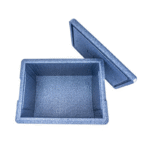
Uma caixa EPP isolada de alta densidade é um recipiente reutilizável feito de polipropileno expandido (PPE) espuma, moldado em uma densidade mais alta para que permaneça rígido e resistente durante muitas viagens. Pense em “tapete de ginástica resistente,” e não “espuma quebradiça”. Absorve solavancos, mantém sua forma, e ainda retarda o fluxo de calor.
caixa EPP isolada de alta densidade
As classes de EPP são comumente moldadas em uma ampla faixa de densidade; por exemplo, um fabricante lista densidades de moldagem alcançáveis de 20–100 kg/m³ por suas notas EPP. Indústrias Knauf
O que você deve esperar ver em uma folha de especificações de caixa EPP isolada de alta densidade?
Você não precisa de um longo relatório de laboratório. Você precisa de uma pequena lista de verificação que preveja o desempenho diário: ajuste da tampa, espessura da parede, opções de densidade, e recursos de empilhamento.
caixa EPP isolada de alta densidade
| Especificações a serem solicitadas | O que isso te diz | Bom sinal | Significado prático para você |
|---|---|---|---|
| Opções de densidade | Durabilidade vs ajuste de peso | Várias notas oferecidas | Combinação de pista mais fácil |
| Espessura da parede | Potencial de tempo de espera | Corresponde ao tempo do percurso | Menos aquecimentos “no final do dia” |
| Projeto da tampa | Risco de vazamento de ar | Assento profundo + aro estável | Menos desvio na transferência |
| Recursos de pilha | Risco de esmagamento | Intertravamentos / empilhamento plano | Menos tampas deformadas |
Dicas e sugestões práticas
-
Se sua caixa retornar semanalmente: comprar para reutilizar a vida, não é o preço inicial mais baixo.
-
Se sua equipe fizer as malas rápido: escolha uma tampa que feche perfeitamente em um movimento.
-
Se você manuseia cargas molhadas: escolha texturas e alças que permaneçam seguras quando úmidas.
Exemplo prático: Um programa regional de mercearia melhorou a conformidade com refrigeração ao padronizar uma caixa EPP isolada de alta densidade e um layout de bolsa de gelo validado.
caixa EPP isolada de alta densidade
Como você escolhe uma caixa EPP isolada de alta densidade para sua pista?
Escolha uma caixa EPP isolada de alta densidade combinando o tempo de rota, meta de temperatura, e intensidade de manuseio. Se você otimizar apenas para isolamento, você pode pagar a mais ou criar erros de embalagem. Se você otimizar apenas para força, você pode perder tempo de espera porque escolheu o tamanho errado.
caixa EPP isolada de alta densidade
Uma maneira rápida de escolher é o 3-Regra de correspondência: partida de tempo, correspondência de temperatura, manipulação de partida. Se um deles estiver errado, sua “melhor” caixa se torna um sistema ruim.
A pontuação de risco de pista de 60 segundos para uma caixa EPP isolada de alta densidade
Dê a cada item 0–3 pontos e some-os.
-
Tempo de rota: <4h (1) · 4–8h (2) · 8h às 12h (3)
-
Paradas & abre: 1–2 paradas (1) · 3–8 paradas (2) · 9+ para (3)
-
Intensidade de manuseio: luz (1) · moderado (2) · empilhamento/devoluções pesadas (3)
-
Exposição ao calor: sombreado/fresco (0–1) · misto (2) · sol/porta quente (3)
Interpretação da pontuação:
-
0–4: embalagem isolada padrão pode funcionar, mas uma caixa EPP isolada de alta densidade melhora a durabilidade.
-
5–8: uma caixa EPP isolada de alta densidade é ideal para repetibilidade e reutilização.
-
9–12: use uma caixa EPP isolada de alta densidade, além de embalagens e monitoramento validados.
caixa EPP isolada de alta densidade
| Faixa de pontuação | Melhor escolha inicial | O que validar | Significado para você |
|---|---|---|---|
| 0–4 | Parede intermediária, densidade média | Teste básico de retenção | Simples, baixo custo |
| 5–8 | Caixa EPP isolada de alta densidade | Repetibilidade de embalagem | Menos exceções |
| 9–12 | Caixa EPP isolada de alta densidade + POP estrito | Teste de rota do pior dia | Menos reclamações |
Dicas práticas e ações claras
-
Evite “tamanho único”: use 2 a 3 tamanhos de caixa que correspondam às suas famílias de SKU.
-
Tampa de teste ajustada sob carga: o empilhamento pode criar lacunas que você não verá em uma bancada.
-
Pilote sua pior pista primeiro: se funcionar aí, dimensionar é fácil.
Caso do mundo real: Uma marca de alimentos DTC reduziu os reenvios após bloquear um tamanho de caixa EPP isolada de alta densidade por família de produtos.
caixa EPP isolada de alta densidade
Qual densidade e espessura de parede sua caixa EPP isolada de alta densidade deve ter?
Densidade tem a ver com força e consistência. A espessura da parede depende do tempo de espera. Densidade mais alta geralmente reduz amassados e desvios da tampa durante a reutilização. Paredes mais espessas geralmente prolongam o tempo de frio, mas reduzem o volume interno. A melhor caixa EPP isolada de alta densidade é aquela que sua equipe pode embalar corretamente todos os dias.
caixa EPP isolada de alta densidade
Use um modelo mental simples: densidade protege a vedação, e espessura ganha tempo. Se você ignorar qualquer um, seu desempenho se torna imprevisível.
Uma comparação rápida: o que muda quando você aumenta a densidade em uma caixa EPP isolada de alta densidade?
| Escolha de design | Benefício principal | Troca | Significado prático para você |
|---|---|---|---|
| Maior densidade | Melhor empilhamento, menos rachaduras | Peso um pouco maior | Menos devoluções danificadas |
| Paredes mais grossas | Tempo frio mais longo | Menos espaço de carga útil | Pode precisar de um tamanho maior |
| Melhor assento da tampa | Menor troca de ar | É necessário um controle de qualidade mais rigoroso | Menos picos de calor |
Dicas e sugestões práticas
-
Se o valor do produto for alto: priorizar a consistência em vez do custo mínimo.
-
Se o trabalho é o seu gargalo: escolha designs que reduzam as etapas de embalagem.
-
Se você executar o pool: escolha maior densidade para prolongar a vida útil.
Exemplo prático: Uma rede de farmácias estabilizou as rotas da cidade depois de validar uma embalagem de caixa EPP isolada de alta densidade e retirar antecipadamente caixas com danos nas bordas.
caixa EPP isolada de alta densidade
Como você embala uma caixa EPP isolada de alta densidade sem surpresas?
A embalagem decide mais os resultados do que a espuma. Uma caixa EPP isolada de alta densidade tem melhor desempenho quando você usa um layout repetível de produto, refrigerante, e espaçamento. Seu objetivo não é “o mais frio possível”. Seu objetivo é “estável e seguro” até a transferência.
caixa EPP isolada de alta densidade
Se sua equipe improvisar pacotes, você obterá pontos de acesso aleatórios. Se você padronizar uma receita por pista, sua curva de temperatura se torna previsível.
Construtor de receitas de embalagem para uma caixa EPP isolada de alta densidade
Escolha o tipo de remessa e siga a receita correspondente.
-
Refrigerado 2–8°C (a maior parte da comida & farmacêutico):
-
Condicione pacotes de gel/PCM de acordo com sua temperatura SOP
-
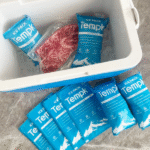
Adicione refrigerante inferior + folha separadora
-
Carga útil central, evite contato direto com a parede
-
Adicione refrigerante superior, feche a tampa rapidamente
-
-
Congelado (abaixo de −18°C):
-
Aumente a massa de refrigerante e reduza o ar vazio
-
Use divisórias apertadas para que o produto não se desloque
-
Minimize o tempo aberto entre as paradas
-
-
Pedidos mistos:
-
Separe os itens com “risco de congelamento” das zonas de refrigeração
-
Use partições e rotule seções claramente
-
| Elemento de embalagem | Boas práticas | Má prática | O que isso significa para você |
|---|---|---|---|
| Colocação do refrigerante | Principal + lados para risco quente | Colocação aleatória | Menos pontos quentes |
| Camada de separação | Barreira entre pacotes & produto | Contato direto | Menos danos ao produto |
| Controle de ar vazio | Inserções/divisórias | Grandes vazios | Menos desvio ao longo do tempo |
Dicas práticas e ações claras
-
Regra de disciplina de tampa: feche a caixa entre as paradas, mesmo para 30 segundos.
-
Foto POP: uma imagem por kit SKU supera um documento de texto longo.
-
Regra de duas verificações: um pacote, alguém verifica, então sele e envie.
caixa EPP isolada de alta densidade
Caso operacional: Uma rede de cozinha escura reduziu a variação da embalagem adicionando um diagrama de tampa dentro de cada caixa EPP isolada de alta densidade.
caixa EPP isolada de alta densidade
Como você valida uma caixa EPP isolada de alta densidade em 2025?
Valide uma caixa EPP isolada de alta densidade testando as piores condições: dia mais quente, rota mais longa, e os eventos mais manipulados. Seu objetivo não é um número de laboratório perfeito. Seu objetivo é a segurança repetível em operações reais, com uma regra de aprovação/reprovação que sua equipe pode seguir.
caixa EPP isolada de alta densidade
Comece simples. Execute o pacote exato que você planeja usar, em seguida, meça a temperatura do produto em pontos-chave: depois da encenação, depois que o meio do caminho abre, e na entrega final. Se você alterar o tipo de refrigerante, Tamanho da caixa, ou o layout da embalagem, trate isso como um novo teste.
Lista de verificação de validação que você pode executar em uma semana
| Etapa de validação | O que você faz | O que você grava | Valor prático |
|---|---|---|---|
| Teste de rota térmica | Simule a pista mais longa | Temperaturas do produto nos pontos de verificação | Confirma o tempo de espera |
| Verificação de queda/empilhamento | Manuseie como na vida real | Rachaduras, ajuste da tampa, folgas do aro | Evita risco de vazamento |
| Teste de repetição de embalagem | Pacote de trabalhadores diferentes | Taxa de variação de layout | Melhora a consistência |
Dicas e sugestões práticas
-
Sempre teste o “dia ruim”: ondas de calor e atrasos são o risco real.
-
Use os mesmos materiais em todos os testes: mudar os pacotes de gel prejudica a comparabilidade.
-
Bloqueie um pacote aprovado: se você mudar isso, teste novamente antes de dimensionar.
caixa EPP isolada de alta densidade
Exemplo de campo: Uma rede validou um pacote de caixa EPP isolado de alta densidade para rotas urbanas e eventos de investigação de temperatura reduzida.
caixa EPP isolada de alta densidade
Como uma caixa EPP isolada de alta densidade suporta EAT?
Uma caixa EPP isolada de alta densidade suporta EAT quando você pode mostrar controle de processo documentado e resultados repetíveis. Na cadeia de frio, a confiança vem da prova, não reivindicações.
caixa EPP isolada de alta densidade
Aqui estão maneiras simples de demonstrar credibilidade:
-
POPs de embalagem documentados (uma página, foto primeiro)
-
Registros de treinamento para equipes de pack-out
-
A validação é executada com critérios claros de aprovação/reprovação
-
Verificações de condição da caixa durante ciclos de reutilização
caixa EPP isolada de alta densidade
Dica prática: Forneça uma “folha de especificações de embalagem” para cada tipo de remessa, e adicione uma verificação rápida das condições na coleta e entrega.
caixa EPP isolada de alta densidade
Como você limpa e reutiliza uma caixa EPP isolada de alta densidade?
A limpeza não envolve produtos químicos agressivos. Trata-se de repetibilidade e secagem. Uma caixa EPP isolada de alta densidade dura mais quando você protege o aro, seque completamente, e remova as unidades danificadas antecipadamente. A maioria dos “problemas de odor” vem da umidade retida, não a espuma em si.
caixa EPP isolada de alta densidade
Trate a limpeza como escovar os dentes. Uma rotina simples, feito toda vez, supera uma rotina complexa que ninguém segue.
Um guia simples de limpeza para uma caixa EPP isolada de alta densidade
-
Limpe a seco primeiro (remove a maioria das fontes de odor)
-
Lave com detergente neutro e água morna
-
Enxágue completamente (resíduo causa cheiro mais tarde)
-
Higienize usando seu método aprovado
-
Seque completamente antes de empilhar
-
Inspecione o aro + ajuste da tampa (15 segundos)
-
Identifique e remova caixas danificadas
| Etapa de limpeza | Tempo | Ferramentas | Significado prático para você |
|---|---|---|---|
| Limpeza a seco | 30–60 seg. | pano/papel | Remove resíduos rapidamente |
| Lavar + limpar | 2–4 minutos | sabonete neutro + água | Mantém a reutilização estável |
| Seco | 10–30 minutos | fluxo de ar | Evita odor de mofo |
| Inspecionar | 15–30 seg. | verificação visual | Interrompe caixas com vazamento mais cedo |
Dicas e sugestões práticas
-
Não empilhe caixas molhadas: a umidade retida se transforma em odor rapidamente.
-
Proteja cantos: o desgaste dos cantos geralmente prediz falha na vedação.
-
Acompanhar viagens: uma etiqueta QR simples ajuda você a retirar as caixas a tempo.
Exemplo de campo: Um programa de entrega agrupada estendeu a vida útil da caixa EPP isolada de alta densidade, adicionando uma inspeção de 15 segundos após a lavagem.
caixa EPP isolada de alta densidade
Caixa EPP isolada de alta densidade vs EPS vs VIP: qual é a verdadeira compensação?
Escolha o sistema que reduz seu custo total por entrega bem-sucedida. EPS pode ser um ótimo isolante de viagem única. VIP pode fornecer isolamento extremo em espaço limitado, mas precisa de proteção cuidadosa. Uma caixa EPP isolada de alta densidade geralmente ganha quando você controla os retornos e precisa de durabilidade após muitos ciclos.
caixa EPP isolada de alta densidade
Os números dos materiais podem ajudá-lo a verificar a sanidade das reivindicações. Mas os resultados da sua rota ainda dependem da espessura da parede, vedação da tampa, e embalar.
Verificação rápida de sanidade do material (não é uma promessa de tempo de espera)
-
EPP moldado: condutividade térmica frequentemente relatada em torno 0.035–0,041 W/m·K (dependente da nota). Indústrias Knauf
-
Placa EPS: medido em torno 0.028–0,032 W/m·K em testes de fluxo de calor (dependente da temperatura). Banco de dados de materiais e produtos
-
VIP (núcleo de sílica pirogênica): sobre 0.004 C/(m·K) após a produção (mudanças de desempenho com envelhecimento e bordas). VIPA Internacional
A calculadora de custo por uso para uma caixa EPP isolada de alta densidade (interativo)
Use esta fórmula simples:
-
Custo por uso = (custo da caixa + custo médio de reparo) ÷ viagens esperadas
-
Custo real por uso = custo por uso + (custo médio de sinistros por viagem)
Se uma caixa EPP isolada de alta densidade reduzir as reivindicações, pode ficar mais barato mesmo com um preço inicial mais alto.
caixa EPP isolada de alta densidade
| Opção | Melhor para | Ponto fraco | O que isso significa para você |
|---|---|---|---|
| Remetente EPS | Faixas de viagem única | Rachaduras + desperdício | Baixo custo inicial |
| Construção VIP | Espaço limitado, alto valor | Bordas frágeis | Precisa de manuseio cuidadoso |
| Caixa EPP isolada de alta densidade | Loops de retorno + pistas difíceis | Precisa de disciplina SOP | Menor custo por viagem |
Dicas práticas e ações claras
-
Se você não conseguir recuperar a embalagem: EPS pode ser a escolha mais simples.
-
Se você executar o pool: uma caixa EPP isolada de alta densidade geralmente ganha em custo por uso.
-
Se o seu espaço for pequeno: VIP pode ajudar, mas proteja-o de perfurações e esmagamentos.
Exemplo do mundo real: Um operador melhorou a sustentabilidade principalmente ao reduzir danos e reenvios, não mudando apenas os materiais.
2025 últimos desenvolvimentos e tendências para programas de caixas EPP isoladas de alta densidade
Em 2025, a maior mudança é “embalagem como um sistema”. As equipes estão projetando ciclos de retorno, digitalização, e pacotes previsíveis, não remessas únicas. O pooling reutilizável está crescendo, e caixas estão sendo moldadas para transportadores, empilhamento, e fechamento rápido da tampa. As pastilhas modulares também estão melhorando a velocidade de empacotamento e reduzindo erros.
caixa EPP isolada de alta densidade
caixa EPP isolada de alta densidade
A regulamentação está empurrando na mesma direção. O Regulamento de Embalagens e Resíduos de Embalagens da UE entrou em vigor em Fevereiro 2025, e sua data de aplicação geral é Agosto 12, 2026. Ambiente
A política da UE também define a orientação de que todas as embalagens devem ser recicláveis 2030, e destaca restrições ao PFAS (“produtos químicos para sempre”) em embalagens de Agosto 2026. Ambiente+1
Instantâneo do progresso mais recente
-
Aumentar a escala dos loops de reutilização: mais operadores migram da espuma descartável para devoluções gerenciadas.
caixa EPP isolada de alta densidade
-
A rastreabilidade cresce: O rastreamento QR vincula cada caixa EPP isolada de alta densidade a contagens de viagens e ciclos de limpeza.
caixa EPP isolada de alta densidade
-
O design fica mais simples: menos vazios, rótulos mais claros, mais tamanhos padrão. Ambiente
Insight de mercado: os clientes julgam a qualidade da cadeia de frio por “chegaram perfeitos,” e não “chegou rápido”.
caixa EPP isolada de alta densidade
Perguntas comuns sobre caixa EPP isolada de alta densidade
Q1: Por quanto tempo uma caixa EPP isolada de alta densidade pode manter os produtos frios?
Depende da espessura da parede, vedação da tampa, empacotar, e calor ambiente. Para muitas rotas no mesmo dia, um pacote validado pode conter fogões refrigerados por horas com um buffer de segurança.
caixa EPP isolada de alta densidade
Q2: Uma caixa EPP isolada de alta densidade é sempre melhor que EPS?
Nem sempre. EPS pode ser excelente para isolamento de viagem única. Uma caixa EPP isolada de alta densidade geralmente vence quando você precisa de durabilidade de empilhamento, lavar, e muitas reutilizações.
caixa EPP isolada de alta densidade
Q3: Como faço para impedir o congelamento do produto dentro de uma caixa EPP isolada de alta densidade?
Use camadas separadoras para que o líquido refrigerante não toque no produto. Condicione os pacotes de acordo com seu SOP e mantenha os itens sensíveis ao congelamento longe de superfícies frias.
caixa EPP isolada de alta densidade
Q4: Qual é a maneira mais rápida de melhorar o desempenho sem trocar a caixa?
Padronize embalagens. A mesma caixa EPP isolada de alta densidade pode ter um desempenho muito diferente quando os trabalhadores improvisam sob pressão de tempo.
caixa EPP isolada de alta densidade
Q5: Como posso saber quando retirar da reutilização uma caixa EPP isolada de alta densidade?
Retire-o quando o ajuste da tampa se soltar, cantos racham, ou o aro deforma. Esses defeitos criam vazamentos de ar que reduzem silenciosamente o tempo de espera.
Sobre Tempk
E tempk, construímos sistemas de embalagem para cadeia de frio que funcionam em rotas reais: manuseio repetido, condensação, retornos rápidos, e loops de retorno. Apoiamos programas de caixas EPP isoladas de alta densidade com seleção de ajuste de pista, padronização de pacotes, e reutilize fluxos de trabalho que reduzem o desvio de temperatura e os danos causados pelo manuseio.
caixa EPP isolada de alta densidade
Próximo passo: Compartilhe seu tipo de carga útil, faixa de temperatura, tempo de rota, e pare a contagem. Sugeriremos um tamanho inicial de caixa EPP isolada de alta densidade e uma receita de embalagem que você pode testar.