Seus medicamentos são tão bons quanto a cadeia de frio que os protege. Biopharma cadeia de frio logistics—managing refrigeration and freezing from manufacturing to patient—keeps vaccines, produtos biológicos e terapias celulares potentes. Mais do que 85 % de produtos biológicos exigem armazenamento refrigerado e até metade das vacinas are wasted without proper temperature control. A demanda está aumentando: the global pharmaceutical cadeia de frio market is projected to grow from about USD 5.3 bilhão em 2023 para USD 9.6 bilhão por 2035, while the broader cadeia de frio logistics market could reach USD 862.33 bilhão por 2032. O guia a seguir desmistifica a cadeia de frio biofarmacêutica – por que ela é importante, como a tecnologia está mudando isso, os riscos que você enfrenta e as inovações sustentáveis que impulsionam 2025 e além.

Por que uma cadeia de frio biofarmacêutica robusta é essencial? Learn how temperaturesensitive therapies and tight regulatory standards make cadeia de frio logistics vital, e como as falhas desperdiçam bilhões de dólares e doses.
How are technology and AI transforming cadeia de frio logistics? Descubra como o blockchain, Sensores de IoT, predictive analytics and smart packaging create realtime visibility and reduce spoilage.
What risks and compliance challenges should you address? Understand the leading causes of cadeia de frio failures—mechanical breakdowns, human error and climate shocks—and learn mitigation strategies.
How can you make your cadeia de frio greener? Explore embalagens reutilizáveis, solarpowered storage and biodegradable materials to reduce carbon footprints while maintaining efficacy.
What does the market outlook look like for 2025? Review statistics on market size, regional growth and emerging trends such as digital twins and circular packaging.
Why Does the Biopharma cadeia de frio Matter in 2025?
Essencial para produtos biológicos, vacinas e terapias avançadas
Biopharma cadeia de frio logistics ensure that temperaturesensitive medicines retain their efficacy. Biologics—anticorpos monoclonais, recombinant proteins and insulin—are fragile molecules that must be kept within narrow temperature ranges. Sobre 85 % of biologics require refrigeration. Vaccines are equally sensitive; the World Health Organization estimates around half of all vaccines are wasted devido a variações de temperatura. Durante a pandemia de COVID19, poor cadeia de frio infrastructure meant only 14 % of planned vaccine doses reached lowincome countries.
Rising demand for cell and gene therapies—which often need armazenamento ultrafrio abaixo de -80 °C—places even greater pressure on logistics providers. Even everyday drugs like GLP1 weightloss medications must be shipped between 2 °C e 8 °C. Without a consistent cadeia de frio, produtos degradam, patients lose confidence and companies face costly recalls.
Background and regulatory context
Temperature control is not optional; it is legally mandated. Órgãos reguladores como o FDA e Agência Europeia de Medicamentos (Ema) set strict guidelines under Boas Práticas de Fabricação (GMP) e Boas Práticas de Distribuição (PIB). Violations can result in fines, recalls de produtos e danos à reputação. O Kit de ferramentas para armazenamento e manuseio de vacinas do CDC emphasises that vaccines must be kept entre 2 °C e 8 °C and warns that excursions outside this range render doses ineffective. Biopharma companies also adhere to the USP <659> guidance on temperaturecontrolled packaging and storage.
Clinical manufacturing adds another layer of complexity. Organizações de desenvolvimento e fabricação de contratos (CDMOs) must maintain temperaturecontrolled suites, cryogenic freezers and validated processes across the production lifecycle. Raw materials are stored at controlled room temperature (20–25ºC); intermediate pools are refrigerated between 2 °C e 8 °C; and drug substances may require cryogenic storage at −60 °C to −80 °C or lower. Compliance with these standards ensures that therapeutics meet quality specifications and remain safe for patients.
Key temperature ranges and therapies
The table below summarises the major temperature zones required for different therapies:
| Categoria de terapia | Temperatura necessária | O que isso significa para você |
| Vacinas padrão & peptídeos | 2 °C–8 °C (refrigerado) | Use recipientes isolados, gel packs and realtime monitors to maintain a fridgelevel temperature. This range covers childhood vaccines and GLP1 drugs. |
| Biologics (insulina, Anticorpos monoclonais) | 2 °C–8 °C for shortterm storage; −20 °C to −80 °C for longterm storage | Invest in cold rooms and freezers that can switch between refrigerated and frozen states; incorporate realtime monitoring to detect deviations. |
| Célula & terapias genéticas | −80 °C a −150 °C (criogênico) | Use liquidnitrogen vapour storage or portable cryogenic freezers; implement robust tracking and contingency plans for clinics. |
Dicas e conselhos práticos
Mapeie seu portfólio de produtos: Identify which products fall into refrigerated, frozen or cryogenic categories and align equipment accordingly.
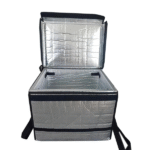
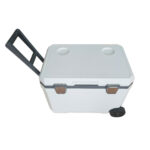
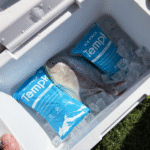
Validar embalagem: Uso testado remetentes isolados e materiais de mudança de fase (PCMs) para manter temperaturas estáveis. Soluções de resfriamento passivo como gelo seco e pacotes de gel can preserve temperatures for days.
Treine suas equipes: Human error remains a major cause of cadeia de frio failures. Eduque a equipe sobre a embalagem adequada, rotulagem e procedimentos de emergência.
Implementar redundância: Backup generators and alternative freezers prevent losses during power outages.
Caso do mundo real: Durante a pandemia, a critical Merck shipment was saved by an AIpowered control tower that rerouted cargo in real time. This proactive approach prevented a multimilliondollar loss and demonstrated the power of smart logistics.
Como está a IA, Blockchain and IoT Transforming Biopharma cadeia de frios?
Realtime visibility and predictive insights
The traditional cadeia de frio relied on manual checks and paper logs, leaving gaps in visibility. Inteligência artificial (IA), blockchain e Internet das coisas (IoT) sensors now provide continuous oversight and predictive capability.
Blockchain para registros invioláveis: Each handoff—from manufacturing to delivery—is logged in an immutable ledger. Blockchain records temperature, humidity and transit time data, creating a transparent and auditable trail. This deters counterfeiting and simplifies compliance audits.
AI for route optimisation and predictive analytics: IA analisa tráfego, weather and equipment data to recommend optimal routes and predict potential temperature excursions. Platforms like TransVoyant and CargoSense forecast shipment issues before they occur.
Sensores IoT para monitoramento contínuo: Tiny devices with GPS and wireless connectivity track temperature, umidade e localização. They send alerts when thresholds are breached and allow you to intervene before product quality deteriorates.
These technologies are not theoretical. Durante a pandemia, AIenabled route planning adjusted deliveries in real time to circumvent disruptions. DHL invested around USD 1.5 milhão in a temperaturecontrolled air freight service that uses IoT tracking to ensure compliance. Such advancements reduce spoilage, enable faster decisionmaking and improve trust throughout the supply chain.
Inovações em embalagens inteligentes
Packaging is becoming both smarter and greener:
Congeladores criogênicos portáteis: Compact units maintain temperatures as low as −80 °C a −150 °C during transport and include realtime tracking and alarms.
Materiais de mudança de fase (PCMs) & painéis isolados a vácuo (VIPs): Os PCMs absorvem ou liberam calor para manter as temperaturas internas estáveis, while VIPs offer high insulation with minimal thickness. These materials eliminate the need for active refrigeration in many cases.
Rótulos inteligentes & Tags RFID: Modern containers integrate sensors that record the temperature history and change colour if thresholds are exceeded. This immediate feedback helps receivers verify shipment integrity.
Materiais biodegradáveis: Seaweedbased bioplastics and recyclable foams reduce waste without compromising performance.
Dicas práticas para aproveitar a tecnologia
Invista em gêmeos digitais: Virtual replicas of shipments allow you to monitor temperature, localização e vibração em tempo real. Use control towers to oversee multiple shipments from a single dashboard.
Adote manutenção preditiva: AI can predict when refrigeration units will fail and schedule repairs proactively.
Garanta a interoperabilidade: Standardise data formats so IoT devices and blockchain systems can communicate with regulators and partners.
Pilotar novas tecnologias: Teste freezers criogênicos portáteis e rótulos inteligentes em pequena escala antes de lançá-los amplamente.
Exemplo de caso: O Fundo Global de Inovação em Saúde da Merck investiu em sistemas de rastreamento baseados em IA que salvaram uma remessa crítica durante a pandemia. Another company’s phasechange packaging kept ice cream frozen for four days—a testament to the potential of passive cooling for pharmaceuticals.
What Are the Main Risks and Compliance Challenges?
Fragile supply chains and failure points
Apesar do progresso tecnológico, the biopharma cadeia de frio remains fragile. Mechanical failures, erro humano, supplychain disruptions, climate impacts e regulatory noncompliance are leading causes of product loss. Inadequate infrastructure in remote regions makes maintaining consistent temperatures difficult.
Key risk factors and mitigation strategies
| Fator de Risco | Descrição | Estratégia de Mitigação |
| Falha mecânica | Unidades de refrigeração, sensors or generators break down, causando excursões de temperatura. | Use equipamentos redundantes, agende manutenção preventiva e monitore a integridade dos equipamentos com sensores IoT. |
| Erro humano | Incorrect packing, delayed loading, mishandling or poor documentation compromise product integrity. | Treine a equipe regularmente, implement checklists and automate data logging. |
| Interrupções na cadeia de abastecimento | Greves, encerramentos de fronteiras ou atrasos nos transportes prolongam o tempo de trânsito. | Diversifique as operadoras, planejar rotas alternativas e manter estoque regulador. |
| Clima & environmental impacts | Ondas de calor, storms and changing disease patterns increase cadeia de frio complexity. | Desenvolver infraestruturas resistentes ao clima, monitor weather forecasts and invest in remote sensing and insulation. |
| Não conformidade regulatória | Failure to meet GMP/GDP or environmental rules leads to fines or product recalls. | Alinhar procedimentos com diretrizes internacionais, implement realtime documentation, conduct regular audits and stay ahead of evolving regulations. |
Estratégias de conformidade
Risk assessments: Aplicar Análise de Perigos e Pontos Críticos de Controle (HACCP) methods to identify where temperature deviations might occur.
Documentação: Use digital documentation and blockchain to create immutable logs for regulators.
Stay ahead of rules: Monitor emerging regulations around refrigerant emissions and sustainable logistics.
Choose specialised partners: Collaborate with logistics providers experienced in cryogenic and refrigerated shipments.
Validação e qualificação: Conduct temperaturemapping studies, performance qualifications and ongoing monitoring. Establish key performance indicators (KPIs) to measure cadeia de frio effectiveness.
Caso do mundo real: According to NIST, many clinics used dormstyle refrigerators that caused accidental freezing of vaccines—a practice since eliminated. The adoption of calibrated, continuously recording temperature devices reduced vaccine waste.
Ferramentas úteis de decisão
Verifique os detalhes antes de escolher a embalagem
Essas ferramentas rápidas podem ajudá-lo a comparar o risco da rota, necessidades de dimensionamento, escolhas de refrigerante, e detalhes da embalagem antes de solicitar um orçamento.
Seletor de embalagens
Compare opções de embalagens isoladas por produto, rota, e necessidade de temperatura.
Encontre embalagensAvaliador de risco da rota
Revise as condições da pista antes de selecionar a embalagem para requisitos operacionais reais.
Verificar risco da rotaCalculadora de gelo seco
Estime as necessidades de gelo seco para remessas congeladas ou ultrafrias antes de embalar.
Estimar gelo secoInovações sustentáveis: Greening the Biopharma cadeia de frio
Reusable packaging and the circular economy
Disposable containers contribute to landfill waste and high carbon emissions. Reutilizável recipientes isolados e pacotes de gel can be collected, higienizado e reimplantado, reducing both cost and environmental impact. The global reusable cadeia de frio packaging market is projected to grow from USD 4.97 bilhão em 2025 para USD 9.13 bilhão por 2034.
Benefícios: Reusable packaging lowers waste and aligns with circular economy principles. No entanto, it requires reverse logistics and cleaning protocols.
Ação: Audit your packaging mix and partner with suppliers who offer tracking for recipientes retornáveis.
Renewable energy and carbon reduction
Cold storage is energyintensive, particularmente em regiões com energia não confiável. Unidades frigoríficas movidas a energia solar provide a sustainable alternative. Em 2024, NÓS. média de eletricidade comercial 13.10 centavos por quilowatt-hora, whereas solar power can range from 3.2 para 15.5 centavos por quilowatt-hora. Solar systems reduce reliance on diesel generators and maintain temperatures during outages, benefiting rural areas in Southeast Asia and Africa.
Ação: Evaluate renewable energy options for warehouses and distribution hubs. Consider converting refrigerated fleets to vehicles using hydrotreated vegetable oil or biomethane, que pode economizar mais 1,400 toneladas de emissões de CO₂.
Materiais ecológicos e embalagens inteligentes
Materials science is evolving to reduce plastic waste. Materiais biodegradáveis—including seaweedbased bioplastics and recyclable foam—maintain temperature integrity while minimising landfill. Smart labels with RFID provide realtime temperature and location data, and when paired with AI they predict temperature fluctuations.
Case example and tips
Correio Mundial reuses cadeia de frio transport data loggers and equipment, demonstrating how small changes across thousands of shipments can make a big sustainability impact.
Dica: Localise manufacturing where possible. Cadeias de abastecimento mais curtas reduzem o tempo de trânsito e as emissões.
Dica: Promote a reuse culture by training staff to handle embalagem retornável and offering incentives for returning containers.
Market Outlook and Future Trends for 2025 e além
Tamanho do mercado e projeções de crescimento
Demand for temperaturesensitive pharmaceuticals and biologics is fueling rapid growth in cadeia de frio logistics:
Biopharmaceutical cadeia de frio thirdparty logistics market: Estimado em USD 30.59 bilhão em 2024 e projetado para alcançar USD 74.46 bilhão por 2033, crescendo em um 10.54 % Cagr. O crescimento é impulsionado pela crescente demanda por produtos biológicos, stringent regulatory requirements and expansion of vaccine distribution.
Coldchain logistics industry (geral): Avaliado em USD 293.58 bilhão em 2023 and projected to grow from USD 324.85 bilhão em 2024 para USD 862.33 bilhão por 2032, um 13 % Cagr. Resilience to geopolitical disruptions and modernisation of facilities underpin this growth.
Pharmaceutical cadeia de frio packaging market: Expected to rise from USD 20.6 bilhão em 2025 para USD 83.2 bilhão por 2035 (15 % Cagr); embalagem passiva will hold about 72.5 % Quota de mercado e caixas pequenas em volta 44.1 % compartilhar 2025.
Mercado de embalagens reutilizáveis: Forecast to nearly double from USD 4.97 bilhão em 2025 para USD 9.13 bilhão por 2034.
Informações regionais
América do Norte: Holds approximately 38.33 % of the biopharmaceutical cadeia de frio 3PL market. Its advanced regulatory landscape and investments in IoTenabled warehouses and AIdriven route optimisation drive growth.
Europa: Rapidly integrating blockchain for secure cadeia de frio management and investing in GDPcompliant facilities. Strict EMA guidelines encourage adoption of realtime temperature monitoring.
Ásia-Pacífico: Emerging as a hub due to vast geography and high demand for rapid deliveries. Investments in manufacturing capacity and innovative solutions—especially in Southeast Asia—are accelerating growth.
Últimos desenvolvimentos de vista (2025)
Torres de controle & gêmeos digitais: Virtual control centres monitor shipments and create digital twins for realtime decisionmaking.
Análise preditiva orientada por IA: Platforms predict shipment issues and recommend preventive actions.
Inteligente, embalagem sustentável: Phasechange materials and VIP panels keep products cold without external power; RFIDenabled labels record temperature history.
Centros regionais de inovação: Southeast Asia invests in blockchain, armazenamento movido a energia solar e logística assistida por IA.
Soluções reutilizáveis e circulares: Prevê-se que o mercado de embalagens reutilizáveis quase duplique em 2034.
Insights de mercado
Consumers and regulators expect safe, effective medicines with minimal environmental impact. Em 2025, North America remains the largest market for cadeia de frio packaging due to high demand for biologics and vaccines. AsiaPacific is growing rapidly thanks to investments in manufacturing and innovation. Mergers and acquisitions—such as UPS acquiring the German healthcare logistics firm Frigo Trans—highlight consolidation and positioning for growth. Technology is the differentiator; companies embracing AI, blockchain e materiais sustentáveis definirão os padrões da indústria.
Perguntas frequentes
Q1: What is the biopharma cadeia de frio and why is it important?
The biopharma cadeia de frio is the network of temperaturecontrolled storage and transportation that keeps vaccines, biologics and cell therapies within safe ranges from manufacturing to administration. Sem isso, produtos podem degradar, tornando-os ineficazes ou inseguros. A robust cadeia de frio protects patient safety and reduces waste.
Q2: Como mantenho a integridade da temperatura durante o transporte?
Use contêineres isolados validados, materiais de mudança de fase e sensores de monitoramento em tempo real. Embale os produtos com pacotes de gel ou gelo seco, verify that vehicles are preconditioned, and train staff on loading procedures. Sempre planeje contingências como atrasos no trânsito ou falta de energia.
Q3: What technologies are shaping the future of the cadeia de frio?
Blockchain creates tamperproof logs for each shipment, IA prevê riscos e otimiza rotas, and IoT sensors monitor temperature and location in real time. Congeladores criogênicos portáteis e etiquetas inteligentes fornecem armazenamento ultrafrio com rastreamento contínuo.
Q4: Como o blockchain melhora a transparência da cadeia de frio?
Blockchain records each handoff in an immutable ledger that cannot be altered without consensus. This ensures product integrity, deters tampering and enables regulators and partners to see temperature and location data across the journey.
Q5: What are the benefits of sustainable cadeia de frio packaging?
A embalagem sustentável reduz o desperdício, reduz as emissões de carbono e pode cortar custos a longo prazo. Recipientes reutilizáveis, armazenamento movido a energia solar e materiais biodegradáveis contribuem para uma logística mais ecológica.
Q6: Como devo me preparar para 2025 tendências da cadeia de frio?
Evaluate your current capabilities, adote IA e IoT para visibilidade, pilot blockchain solutions and invest in sustainable packaging. Expand capacity for ultracold therapies if your portfolio includes cell or gene therapies, and diversify logistics partners to mitigate disruptions.
Resumo e recomendações
Takeaways -chave
Biopharma cadeia de frio logistics are essential for preserving the integrity of biologics, vacinas e terapias celulares; mais do que 85 % of biologics need refrigeration e half of vaccines are wasted without proper control.
A tecnologia está transformando a cadeia de frio: Blockchain cria registros invioláveis, AI predicts disruptions and optimises routes, and IoT sensors provide realtime monitoring. Smart packaging using PCMs, VIPs and smart labels keeps products within range.
Risk and compliance management is crucial: Major risks include mechanical failures, human error and climate impacts. Mitigating these requires redundancy, treinamento, risk assessments and adherence to GMP/GDP standards.
A sustentabilidade está aumentando rapidamente: Embalagem reutilizável, renewable energy and ecofriendly materials can cut carbon footprints while maintaining product safety.
O mercado está crescendo: The biopharmaceutical cadeia de frio 3PL market may surpass USD 74 bilhão por 2033, and the broader logistics industry could reach USD 862 bilhão por 2032.
Orientação acionável
Avalie sua prontidão: Map your product portfolio by temperature needs, audit your equipment and packaging, e identificar lacunas.
Invista em tecnologia: Implementar sensores IoT, Planejadores de rotas de IA e rastreamento de blockchain; start with pilot projects and scale gradually.
Fortalecer a conformidade: Align processes with GMP/GDP standards, document every step digitally, conduct temperature mapping and regular audits.
Adopt sustainability: Transição para embalagens reutilizáveis, explore renewable energy options and choose biodegradable materials. Train staff to support a reuse culture and work with vendors committed to circular economy principles.
Planeje o crescimento: Monitore as tendências do mercado, invest in additional cryogenic capacity if your pipeline includes cell or gene therapies, and diversify logistics partners. Build regional hubs to reduce transit time and mitigate geopolitical disruptions.
Sobre Tempk
Tempk is a specialist in pharmaceutical cadeia de frio solutions. Projetamos e fabricamos contêineres isolados validados, freezers criogênicos portáteis e sistemas de monitoramento habilitados para IoT que mantêm os medicamentos seguros desde a fábrica até o paciente. Our global network of logistics partners and service centres ensures reliable delivery across continents. Combinando profundo conhecimento do setor com tecnologia de ponta, nós ajudamos você a cumprir os regulamentos, reduzir o desperdício e proteger a saúde do paciente. If you’re ready to safeguard your supply chain, entre em contato com nossos especialistas para uma consulta.