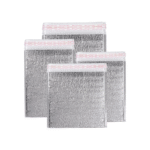
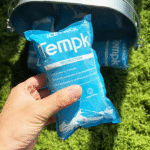
Manter a qualidade farmacêutica não se trata apenas de fabricar medicamentos – trata-se de levá-los aos pacientes em perfeitas condições. Gestão da cadeia de frio farmacêutico garante vacinas, produtos biológicos e medicamentos especiais permanecem dentro de faixas rigorosas de temperatura durante o armazenamento e transporte. Como 2025 começa, o mercado global de soluções farmacêuticas para a cadeia de frio está em expansão; o setor crescerá de aproximadamente US$ 6,38 bilhões em 2025 para US$ 9,6 bilhões em 2035. Você verá regulamentações mais rígidas, embalagens inovadoras e metas de sustentabilidade remodelam a forma como as empresas fornecem terapias que salvam vidas. Este guia explora o que significa conformidade em 2025 e como você pode ficar à frente.
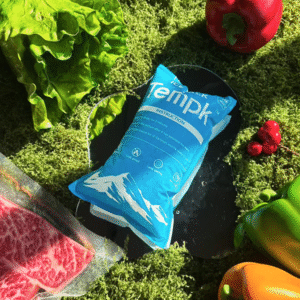
Quais são os principais elementos da gestão da cadeia de frio farmacêutica? Compreendendo a embalagem primária e secundária, monitoramento de temperatura e requisitos de transporte.
Como os regulamentos moldam a conformidade da cadeia de frio em 2025? Explorando o PIB, Padrões da OMS e IATA e novos 2025 Listas de verificação.
Quais tecnologias impulsionam as inovações da cadeia de frio farmacêutica? Examinando sensores IoT, Soluções de IA e blockchain para visibilidade em tempo real e análises preditivas.
Como as práticas sustentáveis estão impulsionando a logística farmacêutica líquida zero? Revendo embalagens ecológicas, iniciativas de rastreamento de carbono e emissões líquidas zero.
Que desafios e soluções definem a cadeia de frio farmacêutica internacional? Lidando com excursões de temperatura, disparidades regulatórias e complexidade de micro remessas.
Quais são os elementos principais do gerenciamento da cadeia de frio farmacêutico?
Componentes principais: A gestão da cadeia de frio farmacêutico abrange três pilares fundamentais: embalagem, Monitoramento de temperatura, e transporte. A escolha da embalagem – primária (frascos, ampolas, seringas pré-cheias) e secundário (caixas frias, recipientes isolados)—determina quão bem a temperatura é mantida. O monitoramento de temperatura em tempo real usa sensores e registradores de dados para garantir que os produtos permaneçam entre 2°C e 8°C para itens refrigerados ou abaixo de -20°C para produtos biológicos congelados. Finalmente, veículos refrigerados e aeronaves especializados fornecem ambientes de transporte controlados.
As cadeias de fornecimento farmacêutico dependem cada vez mais de soluções de cadeia de frio conectadas que integram esses elementos. O monitoramento em tempo real com sensores IoT permite o rastreamento da temperatura, umidade e choque, enquanto registros de blockchain fornecer auditorias à prova de adulteração. À medida que as cadeias de abastecimento mudam para terapias específicas para pacientes, micro remessas e testes descentralizados, mantendo a integridade em pequenos, entregas mais frequentes são cruciais.
Compreendendo os tipos de embalagem
| Aspecto da embalagem | Detalhes principais | Significado para você |
| Embalagem primária | Os frascos detêm a maior fatia do mercado da cadeia de frio farmacêutico. As seringas pré-cheias são o segmento que mais cresce devido à conveniência para autoadministração. | Escolha formatos que se alinhem com a estabilidade do produto e a conveniência do paciente. |
| Embalagem secundária | As caixas frias dominam hoje, mas os contêineres isolados são a categoria que mais cresce. Recipientes isolados oferecem designs reutilizáveis e melhor desempenho térmico. | Selecione contêineres que correspondam à duração do trânsito e às metas de reutilização para reduzir custos. |
| Usabilidade | Os sistemas reutilizáveis detêm a maior parte, enquanto as opções de uso único estão crescendo para remessas de alto risco. | Equilibre o impacto ambiental com a necessidade de esterilidade e rastreabilidade. |
| Sistemas passivos versus ativos | Embalagem passiva (usando materiais de mudança de fase, pacotes de gel ou gelo seco) detém um 72.5 % Quota de mercado. Os sistemas ativos utilizam refrigeração mecânica, mas acrescentam custos e complexidade. | Soluções passivas fornecem controle confiável de temperatura sem energia, ideal para remessas de curta duração. |
Dicas e conselhos práticos
Para remessas de ensaios clínicos: Use embalagens passivas validadas com materiais de mudança de fase para manter as temperaturas exigidas (frequentemente -80°C a 20°C) durante o trânsito.
Para produtos biológicos especializados e terapias celulares: Implementar soluções de armazenamento em temperatura ultrabaixa e envio criogênico quando necessário, garantindo que a embalagem mantenha −80°C ou menos.
Para distribuição multitemperatura: Use veículos refrigerados multizonas e contêineres que possam suportar temperaturas de 2°C a 8°C para vacinas e de 15°C a 25°C para medicamentos em temperatura ambiente dentro da mesma remessa. Sensores em tempo real pode monitorar cada zona de forma independente.
Exemplo de caso: Uma empresa de biotecnologia envia frascos de terapia genética da Europa para a América do Norte integrando embalagens passivas com registradores de temperatura IoT. Sensores mediram a temperatura a cada minuto, transmitindo dados via GSM. Apesar de um atraso de 12 horas devido à alfândega, o recipiente isolado manteve os frascos entre 2°C e 8°C, evitando uma perda potencial de produto avaliada em US$ 500 mil.
Como as regulamentações moldam a conformidade da cadeia de frio em 2025?
A logística farmacêutica é rigorosamente regulamentada porque qualquer variação de temperatura pode tornar um medicamento inseguro. Boas Práticas de Distribuição (PIB) diretrizes estabelecem padrões mínimos para armazenamento e distribuição. A Agência Europeia de Medicamentos observa que a conformidade garante que os medicamentos permaneçam autorizados, armazenado em condições corretas, evitar contaminação, e chegar ao destino certo em tempo hábil. O GDP também exige rastreabilidade e procedimentos eficazes de recall para produtos defeituosos.
Novo 2025 Atualizações do PIB
Uma aplicação mais rigorosa está chegando 2025. Uma lista de verificação de conformidade do PIB destaca mudanças significativas:
Mapeamento anual de temperatura agora é necessário para todas as câmaras frigoríficas e armazéns (anteriormente bienal).
Monitoramento em tempo real é obrigatório para todas as zonas da cadeia de frio (2–8 ° C., -20 ° C., -70 ° C.).
Rastreamento de localização baseado em blockchain é introduzido para produtos de alto risco para evitar o desvio.
Registros em papel não são mais aceitos; os distribuidores devem manter registros digitais baseados em nuvem com retenção de 10 anos.
A entrega da última milha está agora sob o escopo do PIB, exigindo selos invioláveis e embalagens serializadas.
Treinamento de motoristas e gestão da qualidade: Todo motorista que transporta remessas farmacêuticas deve possuir treinamento e certificação específicos da GDP.
O não cumprimento dessas normas pode resultar em multas de até 500.000€ e são esperadas mais 40% de inspeções em 2025. Conformidade não é opcional; as empresas devem adotar soluções digitais e alocar recursos para manter rastreáveis, processos auditáveis.
Além do PIB: QUEM, Regulamentos IATA e Regionais
As remessas globais geralmente cruzam diversas jurisdições regulatórias, adicionando complexidade. A Organização Mundial da Saúde (QUEM), Associação Internacional de Transporte Aéreo (IATA) e os reguladores nacionais impõem requisitos adicionais:
Diretrizes da OMS enfatizar que as vacinas e os produtos biológicos permanecem dentro das faixas de temperatura prescritas (geralmente 2°C–8°C). Mesmo excursões curtas podem comprometer a eficácia.
Regulamentos de Cargas Perecíveis da IATA definir padrões de embalagem e rotulagem para carga aérea, incluindo limites de quantidade de gelo seco e instruções de manuseio.
Ema 2024/2025 atualizar: À medida que as flexibilidades regulatórias da COVID 19 são eliminadas, as inspeções no local são retomadas e os certificados GDP exigem renovação a partir de 2025.
Construindo uma Cultura de Conformidade
Para navegar por esses regulamentos:
Implementar um Sistema de Gestão da Qualidade (SGQ): Um SGQ robusto garante processos documentados, treinamento e auditorias em toda a cadeia de suprimentos.
Digitalize documentação: Use plataformas em nuvem para manter trilhas de auditoria e acesso 24/7 monitoramento de painéis de temperatura, dados de umidade e cadeia de custódia.
Treine a equipe continuamente: Fornecer treinamento anual sobre PIB, verificações de antecedentes e sessões de integridade de dados para todo o pessoal.
Realize recalls simulados regulares e autoinspeções: Agende autoinspeções trimestrais e recalls simulados anuais para identificar lacunas.
Nomeie uma pessoa qualificada (QP): Designar um QP responsável pela conformidade com o GDP e pela tomada de decisões.
Quais tecnologias impulsionam as inovações da cadeia de frio farmacêutica?
A mudança para medicina personalizada e ensaios descentralizados exige menor, entregas mais frequentes que mantêm rigoroso controle de temperatura. Isto estimulou a rápida inovação em soluções de monitoramento e rastreabilidade.
Sensores inteligentes e monitoramento em tempo real
Dispositivos de rastreamento habilitados para IoT coletar dados sobre temperatura, umidade, choque e localização, proporcionando visibilidade contínua. De acordo com Sensos, esses sensores permitem visibilidade da remessa em tempo real e enviam alertas para evitar danos ou atrasos. Eles são essenciais para produtos biológicos, terapias genéticas e vacinas sensíveis à temperatura. A visibilidade em tempo real ajuda as empresas:
Rastrear remessas em rotas globais.
Antecipe interrupções causada por tarifas, clima ou tráfego, analisando dados históricos e em tempo real.
Garanta a conformidade mantendo documentação robusta e trilhas de auditoria.
Otimizar rotas dinamicamente para evitar atrasos e reduzir a exposição a temperaturas extremas.
Análise preditiva avançada combine dados de sensores com IA para prever possíveis interrupções. Sensos usa IA para analisar tendências em tempo real e dados históricos, permitindo gerenciamento proativo de riscos e otimização de rotas. Isto é especialmente crítico dadas as incertezas geopolíticas e as tarifas; algoritmos dinâmicos redirecionam as remessas para evitar regiões com tarifas altas e minimizar atrasos.
Blockchain para rastreabilidade aprimorada
Ofertas de blockchain registros imutáveis de temperatura, eventos de localização e cadeia de custódia, garantindo transparência e eliminando a manipulação de dados. Apoia a conformidade, fornecendo evidências verificáveis durante as inspeções. Sensos enfatiza o papel do blockchain na redução do risco de falsificação e na melhoria da segurança do paciente. Em 2025, a lista de verificação do PIB da UE introduz rastreamento de localização baseado em blockchain para produtos de alto risco.
Embalagens inteligentes e materiais de mudança de fase
O mercado de embalagens está evoluindo rapidamente: o O mercado de embalagens farmacêuticas da cadeia de frio deverá crescer de US$ 20,6 bilhões em 2025 para US$ 83,2 bilhões em 2035. As inovações incluem:
Materiais de mudança de fase (PCMs) e pacotes de gel: Sistemas passivos que usam PCMs mantêm temperaturas estáveis sem alimentação externa, dominando 72,5% do mercado. Pacotes de gel ou gelo seco dentro de recipientes isolados mantêm as temperaturas exigidas mesmo sob condições extremas.
Painéis de isolamento a vácuo e refrigeração autônoma: Materiais isolantes de alto desempenho reduzem a transferência térmica enquanto mantêm a integridade estrutural.
Modular, remetentes reutilizáveis: Recipientes reutilizáveis reduzem o desperdício e a pegada de carbono, alinhamento com metas de sustentabilidade.
Etiquetas indicadoras de temperatura e etiquetas inteligentes: Indicadores químicos e etiquetas RFID fornecem confirmação visual ou digital de que uma remessa permaneceu dentro do alcance. Algumas tags integram Bluetooth Low Energy (BLE) para transmitir dados em tempo real para sistemas em nuvem.
Otimização de rota orientada por IA & Logística de Micro Remessa
A medicina personalizada impulsiona uma mudança em direção a micro remessas e ensaios clínicos descentralizados. A otimização de rotas com tecnologia de IA usa dados de tráfego e meteorológicos para planejar o mais rápido, rotas mais seguras, reduzindo o tempo de trânsito e o risco de degradação da qualidade. Combinado com sensores IoT, a análise preditiva pode identificar possíveis variações de temperatura antes que elas ocorram e ajustar as condições de acordo. Isto é crucial para remessas criogênicas que exigem condições ultrafrias entre -80°C e -150°C para terapias celulares e genéticas.
Como as práticas sustentáveis estão impulsionando a logística farmacêutica líquida zero?
O impulso para emissões líquidas zero está remodelando as cadeias de abastecimento farmacêutico. Metas de sustentabilidade, mandatos regulatórios e a pressão dos investidores estão levando as empresas a descarbonizar as operações. No mercado da cadeia de abastecimento farmacêutico líquido zero, cadeia de frio & segmentos logísticos dominados em 2024 devido ao aumento da demanda por logística sustentável, e soluções baseadas em nuvem liderados porque permitem o rastreamento de carbono em tempo real.
Principais motivadores de sustentabilidade
Pressão regulatória: Governos e organizações de saúde em todo o mundo exigem que as empresas farmacêuticas reduzam as pegadas de carbono e adotem práticas mais ecológicas.
Demanda de investidores e consumidores: Produtos neutros em carbono são cada vez mais preferidos; investidores favorecem empresas com estratégias de sustentabilidade confiáveis.
Aumento dos custos de energia: Os altos preços da energia empurram as empresas para as energias renováveis, instalações energeticamente eficientes e modelos de economia circular.
Soluções e Inovações Verdes
| Área de Sustentabilidade | Solução | Impacto na Logística Farmacêutica |
| Cadeias de frio energeticamente eficientes | Use refrigerantes naturais, isolamento avançado e integração solar. Isolamento avançado pode reduzir o consumo de energia em 20 a 30%. Unidades de armazenamento refrigerado movidas a energia solar fornecem energia confiável em regiões com eletricidade inconsistente e reduzem os custos de energia para 3,2–15,5 centavos/kWh em comparação com a média dos EUA de 13,10 centavos/kWh. | Reduza os custos operacionais e as emissões de carbono, garantindo ao mesmo tempo um controle de temperatura consistente. |
| Embalagem ecológica | Reciclável, materiais biodegradáveis e reutilizáveis reduzem o impacto ambiental e atendem às expectativas regulatórias para embalagens sustentáveis. A embalagem passiva também é ecologicamente correta, usando pacotes de gel reutilizáveis. | Reduzir a geração de resíduos e apoiar a economia circular; ajuda as empresas a cumprir metas de sustentabilidade e conformidade. |
| Modelos logísticos líquidos zero | Ferramentas baseadas em nuvem rastreiam as emissões de carbono em todas as atividades do escopo3, enquanto a IA otimiza o roteamento para minimizar o consumo de combustível. | Forneça visibilidade sobre a pegada de carbono e apoie relatórios regulatórios; menor consumo de combustível e emissões. |
| Iniciativas neutras em carbono | Serviços como o SkyCell NetZERO reverso eliminar a necessidade de devolução de contêineres, reduzindo as emissões de CO₂ em mais de 90 %. | Reduzir emissões e custos de transporte; apoiar compromissos com a neutralidade carbónica. |
Dicas e conselhos práticos
Invista em instalações energeticamente eficientes: Atualizar isolamento, adotar refrigerantes naturais e integrar fontes de energia renováveis para reduzir o consumo de energia em 20–30%.
Escolha embalagens sustentáveis: Use recipientes recicláveis e embalagens de gel; adotar sistemas reutilizáveis para reduzir desperdícios e custos.
Acompanhe as emissões de carbono: Implementar plataformas de contabilidade de carbono para medir as emissões de escopo 1–3; usar dados para definir metas de redução.
Colabore com fornecedores: Trabalhar com fornecedores que oferecem soluções sustentáveis e adotam práticas de economia circular.
Exemplo do mundo real: Em março 2025, SkyCell introduziu um NetZERO reverso serviço que elimina a necessidade de devolver contêineres vazios, reduzindo as emissões de CO₂ em mais de 90% e reduzindo significativamente os custos logísticos. Os fabricantes farmacêuticos que utilizam este serviço relataram melhores métricas de sustentabilidade e economia de custos.
Quais desafios e soluções definem a cadeia de frio farmacêutica internacional?
Produtos farmacêuticos sensíveis à temperatura enfrentam desafios únicos quando transportados através das fronteiras. Manter o controle de temperatura, aderir a diversas regulamentações e proteger produtos frágeis exigem sistemas e conhecimentos robustos.
Excursões de temperatura & Interrupções de rota
Atrasos no envio, condições climáticas extremas e atrasos alfandegários podem levar a variações de temperatura. Produtos sensíveis à temperatura, como vacinas, produtos biológicos e insulina devem ficar entre 2 °C e 8°C para manter a eficácia. Tempos de envio prolongados e práticas de manuseio variáveis aumentam o risco de violações de temperatura. Para mitigar isso:
Usar contêineres isolados projetados para longos períodos e combinados com pacotes de gel ou gelo seco para manter temperaturas estáveis.
Implante dispositivos de monitoramento em tempo real com alertas de GPS e sensores para intervir rapidamente se as temperaturas se desviarem.
Otimize o roteamento usando IA para evitar congestionamentos e condições climáticas extremas, ao considerar novas tarifas e restrições comerciais.
Complexidade Regulatória & Documentação
As remessas internacionais encontram uma colcha de retalhos de estruturas regulatórias. Interpretações divergentes do PIB e das leis de importação/exportação criam obstáculos à conformidade. A Biocair observa que pequenos desvios ou erros de documentação podem levar a remessas rejeitadas e penalidades financeiras. Necessidades especializadas para terapias celulares e genéticas que requerem transporte criogênico acrescentam camadas de escrutínio. Estratégias eficazes incluem:
Inteligência regulatória profunda: Monitore continuamente as regulamentações globais e regionais para ajustar os processos adequadamente.
POPs padronizados com adendas específicas do país: Crie procedimentos universais, mas permita flexibilidade para requisitos locais.
Parcerias estratégicas: Trabalhe com fornecedores de logística experientes com presença global e conhecimento dos costumes locais.
Acordos e auditorias de qualidade: Estabeleça acordos de qualidade claros e realize auditorias regulares para garantir a conformidade mútua.
Otimização de embalagens & Sustentabilidade
A proteção de produtos farmacêuticos frágeis durante o transporte requer embalagens que mantenham a temperatura e resistam a impactos físicos. Nordic Cold Chain enfatiza materiais avançados que combinam integridade estrutural e desempenho térmico; embalagens biodegradáveis reduzem desperdício. Para otimizar a embalagem:
Selecione materiais robustos: Use poliestireno expandido (EPS), painéis de poliuretano ou vácuo combinados com revestimentos externos para resistir a choques.
Adote opções biodegradáveis: As malas diretas de algodão e os forros recicláveis reduzem o impacto ambiental, mantendo o isolamento.
Adapte a embalagem ao produto: Escolha a embalagem com base na fragilidade do medicamento, sensibilidade à temperatura e duração do trânsito.
2025 Últimos desenvolvimentos e tendências da cadeia de frio farmacêutico
Visão geral das tendências
A gestão da cadeia de frio farmacêutica evolui rapidamente. 2025 traz novas tecnologias, mudanças de mercado e atualizações regulatórias:
Logística de Micro Remessa & Terapias Personalizadas: Terapias genéticas e produtos biológicos exigem micro remessas com rígido controle de temperatura. Os ensaios clínicos descentralizados exigem entregas diretamente nas casas dos pacientes.
Tarifa & Turbulência comercial: Novos EUA. tarifas introduzidas em abril 2025 (10 % da linha de base e até 50% em mercadorias de 57 parceiros comerciais) criar complexidade para a logística transfronteiriça. Os produtos farmacêuticos são geralmente isentos, mas as cadeias de abastecimento ainda estão perturbadas e os custos aumentam.
Gerenciamento de risco baseado em IA: Análises preditivas baseadas em IA e ferramentas de otimização de rotas ajudam a antecipar interrupções e redirecionar remessas. Combinado com sensores IoT, eles reduzem a deterioração e melhoram a eficiência.
Ascensão das soluções de cadeia de suprimentos Net Zero: Práticas de logística sustentável estão ganhando força, impulsionado pela regulamentação e pressão dos investidores. Serviços líquidos zero, como o Reverse da SkyCell, reduzem as emissões de carbono em 90%.
Crescimento da Embalagem Passiva: O mercado de embalagens passivas domina devido à relação custo-benefício e confiabilidade, detendo uma participação de 72,5% 2025.
Expansão do Mercado: O mercado global de produtos farmacêuticos da cadeia de frio crescerá de US$ 6,67 bilhões em 2025 para US$ 9,71 bilhões em 2035 em 3,83% CAGR. Somente as embalagens deverão aumentar de US$ 20,6 bilhões para US$ 83,2 bilhões.
Últimos desenvolvimentos de vista
Robótica & Automação: Colaborações em robótica de armazém, como a parceria entre um armazém de Hong Kong e a Geekplus em abril 2025, melhorar a segurança e a escalabilidade da logística da cadeia de frio.
Colaboração Internacional: Instituições como o Organismo Nacional de Acreditação para a Gestão da Cadeia de Frio da Índia e a FIRAT do Ruanda assinaram um memorando de entendimento em abril 2025 melhorar os sistemas da cadeia de frio em África.
Inovações criogênicas: Congeladores criogênicos portáteis mantêm temperaturas de até -150°C, permitindo o transporte seguro de produtos biológicos e terapias celulares. Embalagem inteligente com sensores integrados garante rastreamento contínuo.
Gêmeos Digitais & Simulação: Nas cúpulas globais da cadeia de suprimentos, as empresas adotam gêmeos digitais para simular o comportamento da cadeia de suprimentos e identificar gargalos.
Insights de mercado
Lideranças da Ásia-Pacífico o mercado de cadeias de frio farmacêuticas. As oportunidades estão crescendo na Europa e na América do Norte devido à expansão dos produtos biológicos.
Estados Unidos continua sendo o maior contribuidor de crescimento para embalagens, com uma CAGR prevista de 4,5% até 2035.
Embalagem passiva continuará dominando devido às vantagens de custo, enquanto caixas pequenas detém 44,1% do mercado de embalagens, impulsionado pela necessidade de medicamentos de dose única e amostras de ensaios clínicos.
Mercado líquido zero: A Europa domina atualmente o mercado da cadeia de fornecimento farmacêutico líquido zero, enquanto a Ásia-Pacífico é a região que mais cresce.
Perguntas frequentes
Q1: Qual faixa de temperatura é necessária para produtos farmacêuticos da cadeia de frio?
A maioria das vacinas e produtos biológicos devem ser mantidos entre 2 °C e 8°C para manter a potência. Algumas terapias avançadas requerem temperaturas ultrabaixas, como -20°C para produtos congelados ou -80°C a -150°C para terapias celulares e genéticas.
Q2: Como o blockchain melhora a rastreabilidade da cadeia de frio?
Blockchain cria um imutável, registro à prova de falsificação de cada etapa da cadeia de suprimentos. Ele registra dados de temperatura e localização para verificar se uma remessa permaneceu dentro do alcance e evita a manipulação ou falsificação de dados. Por 2025, As diretrizes do PIB exigem o rastreamento de blockchain para produtos de alto risco.
Q3: O que são embalagens passivas e ativas da cadeia de frio?
A embalagem passiva utiliza materiais de isolamento e mudança de fase (por exemplo, pacotes de gel, gelo seco) para manter a temperatura sem energia externa; atualmente detém 72.5 % Quota de mercado. A embalagem ativa depende de refrigeração mecânica e requer fontes de energia, oferecendo controle de duração estendido, mas maior custo e complexidade.
Q4: Por que as micro remessas estão se tornando comuns na logística farmacêutica?
A ascensão de medicina personalizada e ensaios descentralizados necessita de envio pequeno, doses de alto valor diretamente para pacientes ou locais clínicos. Microembarques exigem logística ágil, controle preciso de temperatura e visibilidade em tempo real.
Q5: Como podem as empresas reduzir a pegada de carbono da sua cadeia de frio?
Adote energia renovável e instalações energeticamente eficientes, escolha embalagens recicláveis ou reutilizáveis, empregar otimização de rotas orientada por IA, e utilizar plataformas de contabilidade de carbono para monitorar as emissões. Serviços como o SkyCell NetZERO reverso reduzir drasticamente as emissões, eliminando os voos de regresso de contentores.
Q6: Que armadilhas comuns levam ao não cumprimento do PIB?
De acordo com o 2025 Lista de verificação do PIB, registros de temperatura incompletos, qualificações de fornecedor caducas, segregação inadequada de produtos vencidos, documentação de treinamento inadequada e manutenção manual de registros são os principais culpados. A digitalização e as auditorias de rotina podem mitigar estes riscos.
Sugestão
Takeaways -chave: Gestão da cadeia de frio farmacêutica em 2025 requer atenção meticulosa embalagem, Monitoramento de temperatura, conformidade regulatória, adoção de tecnologia, e sustentabilidade. Embalagem passiva domina o mercado, mas inovações como PCMs, transportadores modulares reutilizáveis e freezers criogênicos estão expandindo as opções. A conformidade está se tornando mais difícil; mapeamento anual de temperatura, monitoramento em tempo real e rastreamento de blockchain agora são obrigatórios. Tecnologia, especialmente IoT, IA e blockchain, fornece visibilidade em tempo real e análises preditivas para evitar excursões. As metas de sustentabilidade estão impulsionando a logística líquida zero e as embalagens ecológicas. O mercado crescerá de forma robusta, impulsionado por produtos biológicos e terapias personalizadas.
Etapas acionáveis:
Audite seus processos da cadeia de frio: Conduza uma análise de lacunas em relação aos requisitos atualizados do PIB; implementar sistemas baseados em nuvem para documentação e monitoramento de temperatura em tempo real.
Atualizar estratégias de embalagem: Transição para sistemas passivos com materiais de mudança de fase, adote recipientes reutilizáveis, e avaliar opções criogênicas para produtos ultrafrios.
Invista em tecnologias inteligentes: Implementar sensores IoT, Otimização de rotas orientada por IA e blockchain para rastreabilidade; essas ferramentas melhoram a visibilidade e a conformidade, ao mesmo tempo que mitigam os riscos.
Construir sustentabilidade nas operações: Adote instalações energeticamente eficientes, fontes de energia renováveis e embalagens recicláveis; medir as emissões usando ferramentas de contabilidade de carbono e fazer parceria com fornecedores de logística líquida zero.
Fortalecer a conformidade internacional: Desenvolver procedimentos operacionais padrão com adendos específicos do país, manter um SGQ robusto e fazer parceria com especialistas para navegar nos cenários regulatórios.
Sobre Tempk
Visão Geral da Empresa: A Tempk é especializada em soluções abrangentes de gerenciamento de cadeia de frio para as indústrias farmacêutica e de ciências biológicas. Nós projetar e fornecer embalagem validada, dispositivos de monitoramento em tempo real e plataformas em nuvem que garantem que seus medicamentos de alto valor permaneçam na temperatura certa desde a produção até a entrega. Nossas soluções estão em conformidade com o GDP, Diretrizes da FDA e da OMS e suporte à integração com sistemas de armazenamento e transporte existentes. Com foco na eficiência energética e materiais sustentáveis, nós ajudar as empresas a reduzir o desperdício e a pegada de carbono e, ao mesmo tempo, melhorar a confiabilidade.
Chamado à ação: Para saber como a Tempk pode otimizar sua cadeia de frio farmacêutica, entre em contato com nossos especialistas para uma consulta personalizada. Nossa equipe avaliará seus processos atuais, recomendar embalagens compatíveis e soluções de monitoramento, e ajudá-lo a implementar um robusto, estratégia sustentável da cadeia de frio.