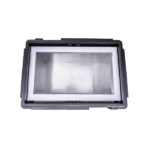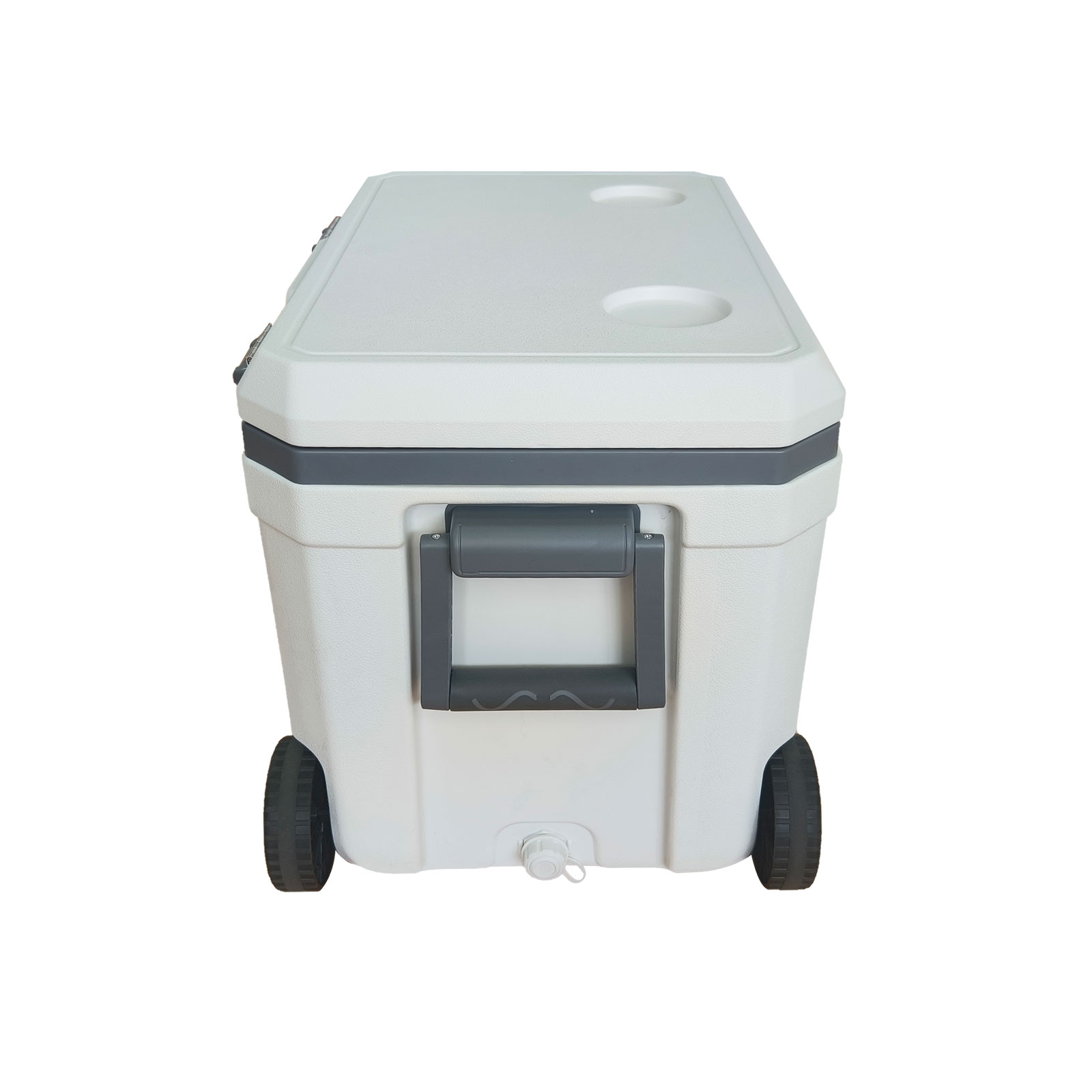
The best waterproof plastic container for medical import is the one that honestly matches the product class. A waterproof plastic container usually refers to a closed-wall outer handling pack that resists splash, chuva, lavagem, and dirty operating conditions better than open crates or paper-based packaging. A waterproof outer container may be enough for durable medical supplies. It is not enough on its own for clinical specimens, substâncias infecciosas, or temperature-sensitive biologics. An industrial design may improve handling and automation. It still needs the right inner packaging, amortecimento, and thermal architecture if the product demands them.
The Packaging Job You Actually Need to Solve
Medical and biotech buyers often use reusable plastic outer packaging to standardize handling across labs, armazéns, and courier lanes. That outer packaging can support barcoding, tamper ties, molded dunnage, and cleaner repeat use. But the correct specification depends on what sits inside. Durable medical devices have different needs from clinical specimens. Lab consumables differ from biologics. Infectious or potentially infectious substances may require triple packaging with leakproof primary and secondary layers plus a rigid outer packaging, while temperature-sensitive goods may require insulated or qualified systems on top of that. The result is that an ordinary waterproof or industrial plastic container can be useful, but only within clearly defined boundaries.
How to Match the Design to the Route
Medical and biotech packaging often sits at the intersection of material science and workflow design. PP is frequently used where stiffness, baixo peso, and molded detail matter, while HDPE can be attractive where impact tolerance and broad chemical resistance are more important. A waterproof claim can mean anything from splash resistance to a lidded wash-down-friendly outer pack, so buyers should ask exactly how sealing is achieved and what failure modes still exist. The structural choices should support the workflow: smooth cleanable walls for repeated use, dimensional consistency for racks or automation, secure label areas for specimen or kit identification, e, where necessary, compatibility with secondary leakproof packaging, forros isolados, or molded dunnage.
For medical imports and biotech workflows, reusable plastic packaging is most useful when it supports clean, repeatable movement of kits, componentes, dispositivos, or secondary packaged samples. Waterproof and industrial formats can be particularly attractive in environments where cardboard sheds fibers, absorbs moisture, or fails under repeated use. The limitation is that healthcare goods do not all share the same risk profile. Diagnostic specimens may need absorbent material and leakproof layers. Sensitive reagents may need insulated transport. Traceable trial materials may need tighter chain-of-custody control. A smart buyer therefore treats the reusable plastic outer container as one layer in a defined workflow rather than as the whole packaging answer.
The limitation for medical and biotech buyers is scope. A rugged outer box can improve handling but still be the wrong choice if the contents need triple packaging, pressure resistance, stronger shock isolation, or a qualified thermal packout. Waterproof language can also be misleading because splash resistance, resistência a vazamentos, and specimen-compliant packaging are not the same thing. Em caso de dúvida, define the product class first, then the regulatory or quality boundary, and only then the outer reusable container specification.
Match the Design to the Operating Lane
Medical and biotech buyers should define the lane before standardizing the container. Are you moving robust devices between fixed sites, couriered diagnostic kits, clinical-trial material with chain-of-custody needs, or samples that require leakproof secondary packaging and possible temperature buffering? Those are different lanes, even if the outer dimensions look similar. Route fit also includes who opens the package, whether it is cleaned and returned, how labels are changed, and whether the contents ever sit unattended in ambient conditions. A well-designed outer reusable container supports the workflow only when those touchpoints have been mapped in detail.
Mistakes That Make a Good Container Look Bad
A frequent mistake is to treat the supplier’s catalog dimensions as the working dimensions for your payload, when usable volume may be shaped by tapers, radii, dobradiças, or lid hardware. Another is to ignore the return loop and discover later that empties cost more to move than expected. Buyers also underestimate labeling, rastreabilidade, e consistência da amostra à produção. Containers fail projects as often through small operational mismatches as through dramatic breakage.
Compliance Lines for Medical and Biotech Packaging
Medical and biotech logistics can fall under very different packaging rules depending on the contents. General medical supplies may mainly require robust protective packaging and traceable handling. Clinical or infectious specimens can require leakproof or siftproof primary and secondary packaging, material absorvente, and a rigid outer packaging under specimen-transport guidance. Temperature-sensitive materials may also require insulated or qualified shipping systems. This is why buyers should define the product class before finalizing the outer reusable container. Waterproof or industrial language can be useful for handling, but it should never be mistaken for specimen compliance or thermal qualification.
Why the Cheapest Unit Can Be the Most Expensive Choice
O preço unitário é importante, but reusable packaging projects usually succeed or fail on cost per trip. Buyers should estimate service life, custo de limpeza, eficiência de retorno, asset loss, espaço de armazenamento, labor at touchpoints, and damage reduction before they compare quotations. A more expensive container can be the lower-cost option if it reduces product loss, speeds handling, survives more cycles, or cuts empty-return cube significantly. The opposite is also true. A low-cost design becomes expensive when latches fail, labels fall off, or the container shape wastes transport space on the reverse leg. Good supplier evaluations therefore include a simple operating model: how many turns are realistic, what percentage of units are lost, how much labor does the design add or remove, and what does one full cycle really cost? Buyers who do that work usually make calmer, melhores decisões.
Uma lista de verificação prática para fornecedores
- Confirm internal and external dimensions separately, and ask for usable internal volume rather than relying on nominal size alone.
- Define the product class first, then ask whether the container is being proposed as an outer handling pack only or as part of a specimen, dispositivo, or temperature-sensitive system.
- Review cleanability, label support, controle de violação, and compatibility with secondary packaging, inserções moldadas, or insulated components.
- If specimens or regulated biologicals are involved, ask what part of the compliant packaging architecture the supplier is actually providing.
- Verifique a capacidade de empilhamento, nesting or folding ratio, handling ergonomics, and whether the product remains stable after repeated use and cleaning.
- Ask about MOQ, ferramentas, color or logo options, lead-time variability, and what happens if you need sample revisions before production.
- Request clarity on quality control, resin traceability, and change-notification procedures so sample approval matches production reality.
Do Not Ignore Control After the Sample Passes
Healthcare packaging projects often fail through quiet change rather than obvious breakage. A sample may be approved with one resin source, one insulation set, one label position, or one packout sequence, then production drifts in ways that look minor but change the operational result. Buyers should ask how the supplier controls resin substitutions, tooling adjustments, insulation component changes, and artwork or label-area revisions. They should also ask what documentation accompanies the approved design and how deviations are communicated before shipment. In temperature-sensitive and traceability-sensitive workflows, that control discipline is part of packaging performance, not an administrative extra.
Reference Data That Helps Frame the Decision
Public vaccine and specimen guidance also shows that the packaging system, not the plastic shell alone, determines whether the shipment is fit for temperature-sensitive or regulated content.
Perguntas frequentes
Does waterproof packaging make a medical shipment compliant?
Não. Waterproof outer packaging may improve handling, but compliance depends on the product class and may require leakproof layers, material absorvente, or temperature-controlled packaging.
Is an industrial plastic box suitable for biotech sample movement?
It can be a strong outer handling unit, especially when cleanability and traceability matter. It still needs the right inner packaging and thermal plan if the contents require them.
Why do medical buyers ask so many questions about labeling and chain of custody?
Because product value is often tied to identity and handling history, not just physical protection. A durable container without good traceability can still fail the workflow.
Closing View
A good purchase decision for waterproof plastic container for medical import comes from matching the container to the product, a rota, and the operating discipline behind it. When those three elements line up, reusable plastic packaging can reduce damage, simplificar o manuseio, and improve repeatability. Quando eles não, even a strong container becomes expensive friction.
One More Operational Check
One more practical point: sample approval should reflect real operations. Ask the supplier to send samples that use the final resin family, projeto de parede, lid or latch option, and labeling method you expect in production. A visually similar sample can hide important differences in stiffness, ajustar, e durabilidade.
In regulated or high-value lanes, receiving discipline is part of packaging performance. Clear instructions for opening, inspeção, temperature review, and component return can be as important as the outer shell itself.
A Sensible Validation Plan
Before standardizing any reusable container, run a small pilot that mirrors the real workflow as closely as possible. Incluir carregamento, transporte, descarregamento, retornar, reetiquetagem, e armazenamento. Measure handling time, taxa de dano, eficiência de retorno vazio, and any problems that appear when users interact with the container repeatedly. A short pilot often reveals issues with labels, ergonomia, ajustar, or cleaning that are not visible in a desk review. Those insights are what justify a confident rollout.
Pilot Metrics Worth Tracking
Useful trial metrics are usually simple. Track damage or leakage events, estabilidade da pilha, time per handling touch, storage footprint for empties, label readability after the trip, and loss or non-return rate. In temperature-sensitive work, add temperature data and receiving-condition checks. In food and hygiene-sensitive work, add wash time and cleanliness observations. These practical measures help teams compare designs on operating reality instead of on brochure language. They also make supplier discussions more concrete because they connect packaging choice to labor, espaço, qualidade do produto, e custo total.
What Usually Separates the Best Option from the Rest
When several suppliers look acceptable, choose the one that leaves you with the fewest uncontrolled variables. That usually means clear dimensional data, a believable explanation of material choice, transparent change-control discipline, realistic advice on route fit, and willingness to support sampling or pilot work. O preço ainda importa, but a small packaging savings can disappear quickly if the design adds labor, creates product loss, or fails after a few turns. The strongest purchase decisions are the ones that keep operations simple, quality predictable, and supplier accountability easy to understand.
Signals That a Quote May Look Better Than It Really Is
Be cautious when a supplier cannot explain usable dimensions clearly, offers only generic material claims, avoids discussion of change control, or answers every performance question with a catalog load rating. Other warning signs include vague statements about food grade or temperature control, no clear sample-to-production plan, and no interest in your actual route or handling process. A good supplier does not have to know your operation better than you do, but they should be able to ask intelligent questions, describe trade-offs honestly, and tell you where the proposed design may not fit. That transparency is often more valuable than an aggressive first quotation.
Tempk at a Glance
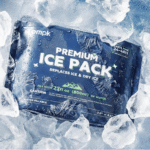
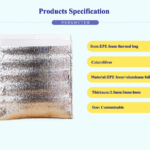
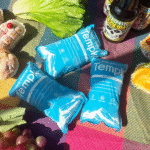
E tempk, we focus on temperature-control packaging for healthcare, farmacêutico, e logística alimentar. Our public product range includes gel ice packs, tijolos de gelo, sacos isolados, and insulated boxes built around materials such as EPP and VIP or VPU-style structures for different temperature lanes. We also present reusable and single-use solutions for chilled, controlled-room-temperature, and frozen transport, which makes us most useful when a reusable outer container must work with a real thermal packout rather than act alone.
Next Action
If your shipment involves medicines, vacinas, amostras, ou outros bens sensíveis à temperatura, ask for route-based packaging advice before you lock in the outer container format.