Como escolher uma caixa de espuma EPP reutilizável
Se um contêiner precisar proteger mercadorias mais de uma vez, os compradores precisam de uma maneira prática de julgar a adequação antes de fazer um pedido em grandes quantidades. Um reutilizável Caixa de espuma EPP deve ser avaliado pela forma como protege mercadorias sensíveis à temperatura ou sensíveis a danos que necessitam de manuseio reutilizável, suporte de isolamento, e embalagem protetora, com que facilidade as equipes podem usá-lo, e quais evidências apoiam as afirmações feitas na página de um fornecedor. Para compradores da cadeia de frio, operadores de armazém, gerentes de logística, e equipes de compras B2B, a questão útil não é se o PPE parece forte ou sustentável. A questão útil é se a caixa se ajusta à carga útil, rota, processo de transferência, rotina de limpeza, e plano de compras sem criar trabalho oculto.
Resposta rápida: Vale a pena considerar uma caixa de espuma EPP reutilizável quando você precisar de uma luz, protetor, embalagem reutilizável formato para mercadorias sensíveis à temperatura ou a danos que necessitam de manuseio reutilizável, suporte de isolamento, e embalagem protetora. Antes de fazer o pedido, confirme o espaço interno utilizável, ajuste de carga útil, confiabilidade de fechamento, expectativas de limpeza, e se o desempenho declarado é respaldado por testes relevantes ou documentação do fornecedor.
Uma definição clara para compradores
EPP significa polipropileno expandido, uma espuma moldada de polipropileno usada quando os compradores desejam baixo peso, absorção de impacto, recuperação de forma, e suporte de isolamento. Essas propriedades tornam o material relevante para mercadorias sensíveis à temperatura ou a danos que necessitam de manuseio reutilizável, suporte de isolamento, e embalagem protetora, mas a identidade material por si só não prova que um contêiner seja adequado para uma remessa. Forma, estrutura da parede, contato da tampa, dobradiças, detalhes de drenagem ou limpeza, e o ajuste da carga útil afetam o que a caixa pode fazer em serviço.
Em um programa geral de cadeia de frio ou embalagem protetora, a caixa deve corresponder à sensibilidade do produto, o padrão de tratamento da rota, e a capacidade do comprador de inspecioná-lo e reutilizá-lo. Uma compra prática geralmente é baseada em uma amostra de teste, uma especificação documentada, e uma decisão clara sobre a responsabilidade da caixa e o que outras partes da embalagem devem fazer.
Embalagens reutilizáveis agregam valor na hora da limpeza, inspeção, roteamento de retorno, e a responsabilidade de propriedade são projetadas desde o início.
Ajuste a caixa à rota
Uma revisão da rota deve descrever onde a caixa de espuma é embalada, quanto tempo espera antes do envio, se está exposto durante o carregamento, quantas transferências ocorrem, e quem marca a caixa no recebimento. Se o controle de temperatura é importante, a faixa exigida deve vir do proprietário do produto ou da equipe de qualidade, e qualquer refrigerante, forro, registrador de dados, ou etapa de qualificação deve ser especificada separadamente. Uma caixa pode suportar o sistema, mas não substitui um pacote validado.
O manuseio é onde muitas decisões de embalagem têm sucesso ou falham. Uma caixa que parece resistente em uma sala de amostras pode ser estranha quando a equipe a carrega sob pressão de tempo, empilhe-o em uma van, ou limpe-o entre os turnos. Áreas de aderência, segurança da tampa, proteção de canto, zonas de rótulo, e o comportamento de empilhamento deve ser revisado com as pessoas que tocarão no contêiner todos os dias.
O principal limite é que a caixa de espuma não é uma resposta universal. Não pode provar automaticamente a segurança alimentar, conformidade farmacêutica, qualificação de rota, ou estabilidade de temperatura. Esses resultados dependem dos requisitos do produto, faixa de distribuição, processo de limpeza, acessórios de embalagem, método de monitoramento, e os documentos que mostram como o sistema foi testado.
O que verificar antes de fazer um pedido em grandes quantidades
Para compras, a especificação mais segura separa fatos confirmados de suposições. Solicite dimensões internas e externas, espaço de carga útil, detalhes de fechamento, descrição do material, orientação de limpeza, processo de aprovação de amostra, e a evidência por trás de qualquer desempenho declarado. Se um fornecedor não puder explicar a condição de teste por trás de uma reclamação, trate essa afirmação como um ponto de partida para discussão, em vez de uma garantia de compra.
Uma conversa útil com o fornecedor é específica. Em vez de perguntar se a caixa é durável, pergunte como a durabilidade é verificada, o que acontece se a tampa deformar, se as unidades de produção correspondem à amostra, e qual documentação está disponível para o material, dimensões, e reivindicações de desempenho. Isso dá ao comprador um registro que pode ser revisado posteriormente pelas equipes de operações e qualidade.
Em um programa geral de cadeia de frio ou embalagem protetora, a caixa deve corresponder à sensibilidade do produto, o padrão de tratamento da rota, e a capacidade do comprador de inspecioná-lo e reutilizá-lo. Uma compra prática geralmente é baseada em uma amostra de teste, uma especificação documentada, e uma decisão clara sobre a responsabilidade da caixa e o que outras partes da embalagem devem fazer.
Tabela de decisão para revisão de especificações
Para compras, a especificação mais segura separa fatos confirmados de suposições. Solicite dimensões internas e externas, espaço de carga útil, detalhes de fechamento, descrição do material, orientação de limpeza, processo de aprovação de amostra, e a evidência por trás de qualquer desempenho declarado. Se um fornecedor não puder explicar a condição de teste por trás de uma reclamação, trate essa afirmação como um ponto de partida para discussão, em vez de uma garantia de compra.
Uma revisão da rota deve descrever onde a caixa de espuma é embalada, quanto tempo espera antes do envio, se está exposto durante o carregamento, quantas transferências ocorrem, e quem marca a caixa no recebimento. Se o controle de temperatura é importante, a faixa exigida deve vir do proprietário do produto ou da equipe de qualidade, e qualquer refrigerante, forro, registrador de dados, ou etapa de qualificação deve ser especificada separadamente. Uma caixa pode suportar o sistema, mas não substitui um pacote validado.
O manuseio é onde muitas decisões de embalagem têm sucesso ou falham. Uma caixa que parece resistente em uma sala de amostras pode ser estranha quando a equipe a carrega sob pressão de tempo, empilhe-o em uma van, ou limpe-o entre os turnos. Áreas de aderência, segurança da tampa, proteção de canto, zonas de rótulo, e o comportamento de empilhamento deve ser revisado com as pessoas que tocarão no contêiner todos os dias.
| Pergunta do comprador | O que verificar | Razão pela qual é importante |
|---|---|---|
| A carga útil realmente caberá? | Dimensões internas, espaço utilizável, divisores, refrigerante, e folga da tampa. | Uma caixa que cabe no papel pode falhar quando produtos e acessórios reais são embalados. |
| A equipe pode lidar com isso facilmente? | Pontos de aderência, segurança da tampa, comportamento da pilha, tamanho dobrado, se relevante, e peso carregado. | O fluxo de trabalho diário determina se o contêiner permanece prático. |
| A reivindicação de desempenho é suportada? | Ficha de dados, relatório de teste, condição de embalagem, ou explicação do fornecedor. | Reivindicações sem condições são difíceis de usar em compras ou análise de qualidade. |
| Pode ser reutilizado de forma limpa? | Método de limpeza, remoção de etiqueta, rotina de inspeção, e armazenamento após o retorno. | A reutilização depende do controle do processo, não é apenas material. |
| O que acontece no final da vida? | Rota de reciclagem local, risco de contaminação, opção de devolução, e separação de materiais. | A reciclabilidade só importa quando a recuperação é possível no sistema do comprador. |
A tabela não substitui uma avaliação do fornecedor. É uma maneira prática de transformar afirmações vagas sobre embalagens em perguntas que um comprador, gerente de qualidade, ou operador logístico pode verificar antes de um pedido de compra ser feito.
Riscos operacionais a controlar
O principal limite é que a caixa de espuma não é uma resposta universal. Não pode provar automaticamente a segurança alimentar, conformidade farmacêutica, qualificação de rota, ou estabilidade de temperatura. Esses resultados dependem dos requisitos do produto, faixa de distribuição, processo de limpeza, acessórios de embalagem, método de monitoramento, e os documentos que mostram como o sistema foi testado.
Erros comuns incluem tratar o volume interno bruto como espaço de carga útil, aceitar uma reivindicação de tempo de espera sem o perfil de teste, ignorando o manejo da equipe, e assumindo que uma superfície de aparência limpa é suficiente para uso repetido. Outro erro frequente é comprar um formato dobrável ou portátil sem verificar se o fecho permanece seguro após repetidas configurações e colapso.
Ferramentas úteis de decisão
Verifique os detalhes antes de escolher a embalagem
Essas ferramentas rápidas podem ajudá-lo a comparar o risco da rota, necessidades de dimensionamento, escolhas de refrigerante, e detalhes da embalagem antes de solicitar um orçamento.
Referência de material de isolamento
Compare as opções de materiais de isolamento para diferentes necessidades de embalagens da cadeia de frio.
Compare materiaisCalculadora de gelo seco
Estime as necessidades de gelo seco para remessas congeladas ou ultrafrias antes de embalar.
Estimar gelo secoCalculadora de bolsa de gelo
Estime a quantidade de bolsas de gelo em gel para remessas refrigeradas e planejamento prático de rotas.
Estimar bolsas de geloUma revisão da rota deve descrever onde a caixa de espuma é embalada, quanto tempo espera antes do envio, se está exposto durante o carregamento, quantas transferências ocorrem, e quem marca a caixa no recebimento. Se o controle de temperatura é importante, a faixa exigida deve vir do proprietário do produto ou da equipe de qualidade, e qualquer refrigerante, forro, registrador de dados, ou etapa de qualificação deve ser especificada separadamente. Uma caixa pode suportar o sistema, mas não substitui um pacote validado.
Quando é necessário controle adicional de temperatura
Uma revisão da rota deve descrever onde a caixa de espuma é embalada, quanto tempo espera antes do envio, se está exposto durante o carregamento, quantas transferências ocorrem, e quem marca a caixa no recebimento. Se o controle de temperatura é importante, a faixa exigida deve vir do proprietário do produto ou da equipe de qualidade, e qualquer refrigerante, forro, registrador de dados, ou etapa de qualificação deve ser especificada separadamente. Uma caixa pode suportar o sistema, mas não substitui um pacote validado.
O manuseio é onde muitas decisões de embalagem têm sucesso ou falham. Uma caixa que parece resistente em uma sala de amostras pode ser estranha quando a equipe a carrega sob pressão de tempo, empilhe-o em uma van, ou limpe-o entre os turnos. Áreas de aderência, segurança da tampa, proteção de canto, zonas de rótulo, e o comportamento de empilhamento deve ser revisado com as pessoas que tocarão no contêiner todos os dias.
O principal limite é que a caixa de espuma não é uma resposta universal. Não pode provar automaticamente a segurança alimentar, conformidade farmacêutica, qualificação de rota, ou estabilidade de temperatura. Esses resultados dependem dos requisitos do produto, faixa de distribuição, processo de limpeza, acessórios de embalagem, método de monitoramento, e os documentos que mostram como o sistema foi testado.
Exemplo prático
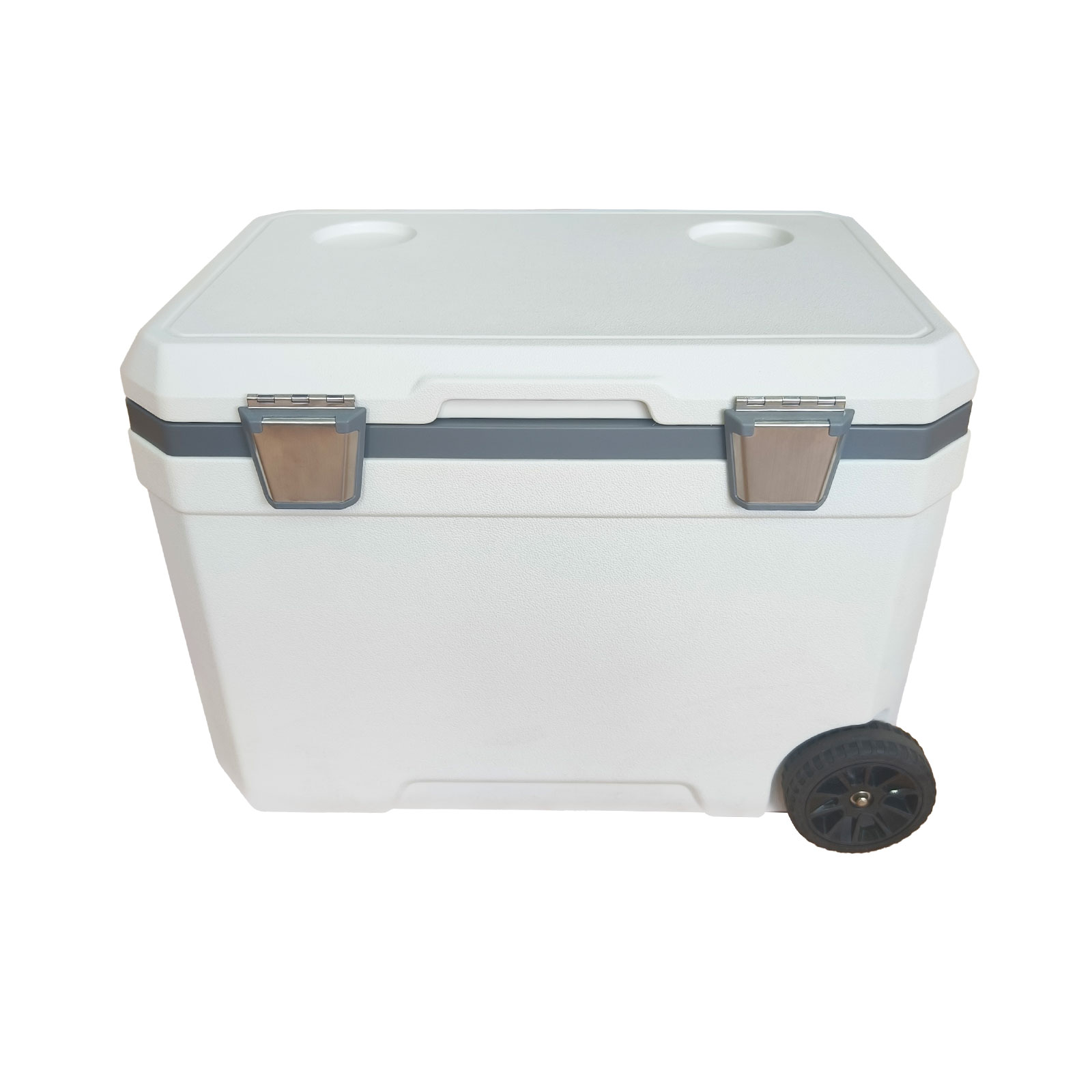
Por exemplo, um comprador pode precisar de um reutilizável caixa isolada para uma rota de entrega local repetida. Uma amostra parece adequada, mas o verdadeiro teste é se a equipe consegue embalá-lo rapidamente, se a carga deixa espaço suficiente para qualquer refrigerante ou divisor, se a tampa permanece fechada após o carregamento, e se a caixa pode ser limpa e devolvida sem confusão.
Do pedido experimental ao uso repetido
Para compras, a especificação mais segura separa fatos confirmados de suposições. Solicite dimensões internas e externas, espaço de carga útil, detalhes de fechamento, descrição do material, orientação de limpeza, processo de aprovação de amostra, e a evidência por trás de qualquer desempenho declarado. Se um fornecedor não puder explicar a condição de teste por trás de uma reclamação, trate essa afirmação como um ponto de partida para discussão, em vez de uma garantia de compra.
Uma revisão da rota deve descrever onde a caixa de espuma é embalada, quanto tempo espera antes do envio, se está exposto durante o carregamento, quantas transferências ocorrem, e quem marca a caixa no recebimento. Se o controle de temperatura é importante, a faixa exigida deve vir do proprietário do produto ou da equipe de qualidade, e qualquer refrigerante, forro, registrador de dados, ou etapa de qualificação deve ser especificada separadamente. Uma caixa pode suportar o sistema, mas não substitui um pacote validado.
O manuseio é onde muitas decisões de embalagem têm sucesso ou falham. Uma caixa que parece resistente em uma sala de amostras pode ser estranha quando a equipe a carrega sob pressão de tempo, empilhe-o em uma van, ou limpe-o entre os turnos. Áreas de aderência, segurança da tampa, proteção de canto, zonas de rótulo, e o comportamento de empilhamento deve ser revisado com as pessoas que tocarão no contêiner todos os dias.
Outra verificação prática é a propriedade. Se a caixa de espuma for reutilizável, alguém deve possuir inspeção, limpeza, armazenamento de retorno, e remoção de unidades danificadas. Sem essa propriedade, mesmo um contêiner forte pode se tornar inconsistente porque diferentes equipes tomam decisões diferentes em diferentes pontos de entrega.
Perguntas frequentes
É uma caixa de espuma EPP reutilizável com temperatura controlada automaticamente?
Não. Pode fornecer suporte de isolamento, mas o controle de temperatura depende da embalagem completa, a gama de produtos necessária, opções de refrigerante ou refrigerante, exposição da rota, ajuste de fechamento, e qualquer plano de monitoramento. Os compradores devem verificar o sistema completo em vez de tratar o Caixa EPP como autônomo expedidor qualificado.
O que devo perguntar a um fornecedor antes de comprar uma caixa de espuma EPP reutilizável?
Solicite dimensões internas e externas, espaço de carga útil, descrição do material, detalhes de fechamento, orientação de limpeza, controles da amostra até a produção, e evidências por trás de qualquer desempenho declarado. Se forem feitas alegações de temperatura, peça o perfil de teste e se ele corresponde ao seu produto, carga útil, e pista.
As embalagens EPP podem ser reutilizadas?
As embalagens EPP são comumente selecionadas para manuseio reutilizável porque são leves e resistentes, mas a reutilização depende do design e do processo operacional. Um comprador deve definir a limpeza, inspeção, armazenamento de retorno, remoção de etiqueta, e regras de rejeição para que unidades danificadas ou contaminadas não permaneçam em circulação.
Como devo comparar o EPP com embalagens de espuma descartáveis?
Compare mais do que o preço unitário. Considere a logística de devolução, espaço de armazenamento, trabalho de limpeza, risco de danos, apresentação ao cliente, manuseio de resíduos, e se o material pode ser recuperado localmente. Embalagens descartáveis podem parecer mais baratas à primeira vista, enquanto embalagens reutilizáveis precisam de disciplina de processo para criar valor.
Quando esse tipo de contêiner não é suficiente?
Não é suficiente quando o produto requer controle de temperatura validado, rotulagem regulamentada, evidência de higiene rigorosa, ou proteção mecânica que não foi testada com a carga útil real. Nesses casos, o contêiner deve fazer parte de um plano mais amplo de embalagem e manuseio qualificado.
Conclusão
Uma caixa de espuma EPP reutilizável pode ser uma escolha forte quando o material, projeto, e o fluxo de trabalho correspondem ao trabalho. A decisão mais segura começa pela sensibilidade do produto, a rota, a carga útil, e o processo de manuseio, em seguida, passa para evidências de fornecedores e revisão de amostras. Não confie em palavras amplas, como reutilizável, reciclável, serviço pesado, isolado, ou resistente a choques sem perguntar o que eles significam nas suas condições. Se a proteção de temperatura, segurança alimentar, manipulação de amostras de laboratório, ou carga regulamentada está envolvida, tratar a caixa de espuma como parte de um sistema mais amplo de embalagem e documentação.
Sobre Tempk
A Tempk ajuda os compradores a discutir embalagens EPP em termos que as equipes de operações possam realmente usar. Quando você avalia uma caixa de espuma EPP reutilizável, podemos ajudar a estruturar a conversa em torno da carga útil, rota, intenção de temperatura, manuseio, reutilizar, e documentação do fornecedor. O objetivo não é vender demais uma caixa, mas para tornar a especificação suficientemente clara para a aquisição, logística, e equipes de qualidade devem revisar antes de se comprometerem a repetir pedidos.
Compartilhe sua carga útil, rota, processo de manuseio, e requisitos de temperatura com Tempk antes de escolher uma caixa de espuma EPP reutilizável. Uma breve revisão das especificações pode evitar que a caixa errada se torne um problema logístico repetido.