Como escolher uma empresa de bolsas de gelo para injeção de água
Resumo executivo para compradores empresariais de bolsas de gelo para injeção de água
Se você estiver adquirindo um empresa de bolsa de gelo para injeção de água, você não está apenas comprando “frio”. Você está comprando controle de tempo-temperatura mais resistência a vazamentos, mais operações repetíveis sua equipe pode trabalhar em escala. É por isso que uma empresa de bolsas de gelo com injeção de água deve ser avaliada como um componente crítico da cadeia de frio, não como um complemento de commodity.
A maneira mais prática de reduzir o risco de compras é ancorar seus requisitos às expectativas reconhecidas da cadeia de frio: construção robusta, enchimento controlado, resistência a quedas/vazamento, e procedimentos de treinamento/pacote que evitam excursões congeladas (especialmente em pistas de 2–8°C).
Para pistas regulamentadas (farmacêutico, vacinas, Diagnóstico), você também precisa que sua empresa de bolsas de gelo para injeção de água “se ajuste” ao seu histórico de conformidade: avaliação de risco, embalagem qualificada, monitoramento calibrado, e procedimentos documentados. Isto está alinhado com as expectativas de transporte e monitorização do PIB da UE e com as orientações da OMS para o tempo- e produtos sensíveis à temperatura.
Finalmente, o 2026 Realidade de SEO: você não pode vencer com conteúdo superficial ou “recheio de palavras-chave”. Os sistemas de pesquisa recompensam cada vez mais páginas que são comprovadamente úteis e confiáveis, ao filtrar conteúdo escalonado de baixo valor. Sua página de marketing para uma empresa de bolsas de gelo com injeção de água deve ser lida como um guia do comprador de nível operacional - porque é isso que os usuários (e sistemas de qualidade de pesquisa) estão tentando emergir.
Suposições (para que a orientação permaneça acionável): você envia alimentos sensíveis à temperatura, kits de ciências da vida, ou farmacêuticos; você usa embalagem passiva (remetentes isolados + pacotes de refrigerante); e você se preocupa com a repetibilidade entre pistas e temporadas. (Se suas pistas forem de transporte refrigerado totalmente ativo, você ainda precisa de refrigerantes para transferências e exceções, mas os pacotes mudam.)
O que é uma empresa de bolsas de gelo com injeção de água em termos de cadeia de frio?
O que significa “injeção de água” em uma empresa de injeção de água com gelo?
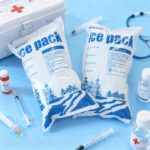
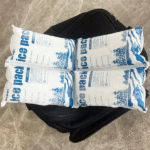
Em embalagens de cadeia de frio, “injeção de água” normalmente significa que a empresa fabrica (ou suprimentos) embalagens seladas projetadas para serem preenchidas com água-qualquer na fábrica (comum para remessas comerciais de embalagens de gel/água) ou pelo usuário final (comum para caixas frias e transportadores de vacinas que podem ser recarregados e reutilizados).
Uma definição de referência prática vem de uma especificação de desempenho da OMS que descreve uma embalagem como um plano, recipiente de plástico à prova de vazamentos destinado a ser enchido com água e usado como bolsa de gelo/bolsa fria/bolsa quente, com uma linha de enchimento definida e teor de água nominal. (Este é um modelo mental útil, mesmo se você adquirir uma variante pré-preenchida de fábrica.)
Pense na embalagem como uma “bateria térmica”. A água é a química da bateria. O corpo de plástico é o invólucro da bateria. Sua empresa de bolsas de gelo com injeção de água é responsável por tornar o invólucro confiável e previsível – porque um invólucro rachado é uma bateria que vaza por toda a carga.
Onde fica uma empresa de bolsas de gelo para injeção de água em seu mapa de risco da cadeia de frio?
Seu sistema de embalagem tem três grandes grupos de risco:
Risco térmico (você consegue manter a faixa de temperatura por tempo suficiente?),
Risco físico (vazamentos, perfurações, dano de queda),
Risco de processo (sua equipe pode embalá-lo sempre da mesma maneira?).
Uma empresa de bolsas de gelo com injeção de água afeta diretamente todos os três. Por exemplo, As especificações da OMS incluem expectativas explícitas em torno dos controles de enchimento de água, deformação após congelamento, robustez (resistência à queda), e resistência a vazamentos – exatamente os modos de falha que você vê em operações reais.
Quando você deve escolher bolsas de água versus bolsas de gel versus PCMs?
É aqui que as equipes desperdiçam dinheiro. Eles compram “mais frio” quando realmente precisam de “mais estável”.
Pacotes de gelo de água são simples e de baixo custo, mas a água congelada tem ponto de fusão de 0°C e pode criar risco de congelamento se entrar em contato com cargas sensíveis ao congelamento ou se o pacote for muito agressivo. Existem práticas de condicionamento para reduzir esse risco.
Pacotes de gel são frequentemente usados porque podem ser manuseados em diferentes estados (congelado ou refrigerado) e pode ser construído para diferentes perfis de uso, mas você ainda deve validar sua configuração exata.
PCMs perto de 4–5°C são comumente usados para reduzir o risco de congelamento de produtos refrigerados; A orientação do CDC observa explicitamente os PCMs nessa faixa como uma opção para manter as temperaturas e reduzir o risco de congelamento durante o transporte da vacina.
Abaixo está uma tabela de decisão que você pode usar como ponto de partida (você ainda valida o pack final).
| Questão operacional | Se você responder “sim” | O que você geralmente prefere | Por que cabe |
|---|---|---|---|
| Você está enviando produtos sensíveis ao congelamento de 2–8°C? | Sim | PCMs (4–5 ° C.) ou fluxos de trabalho cool-pack cuidadosamente controlados | Reduz o risco de danos por congelamento em comparação com embalagens congeladas não controladas |
| O custo é sua principal restrição e a carga útil tolera quase-0°C risco de contato? | Sim | Pacotes de gelo de água | Menor complexidade de material, modelos de reabastecimento fáceis |
| Você envia faixas ambientais mistas com grandes oscilações (verão/inverno) e precisa de esperas mais longas? | Sim | Remetente isolado validado + estratégia de refrigerante (frequentemente mistura de gel/PCM) | Perfis térmicos e qualificação são mais importantes do que o rótulo do refrigerante |
| Vazamentos e bagunça são um grande custo operacional? | Sim | Pacotes de especificações mais altas com resistência documentada a vazamentos/quedas | A robustez física se torna um KPI importante |
Como você especifica um produto empresarial de bolsa de gelo para injeção de água?
Quais especificações de uma empresa de bolsas de gelo com injeção de água realmente reduzem os incidentes?
As equipes de compras geralmente pedem “plástico mais espesso” ou “vedações mais fortes”. Isso é vago. Melhorar: vincule sua especificação a desempenho verificável.
Uma boa lista de verificação de base está incorporada na abordagem de especificação de desempenho da OMS:
A embalagem foi projetada para armazenar água e fornecer inércia térmica quando congelada/resfriada/aquecida.
Os tamanhos das embalagens são padronizados (exemplo: 0.3L, 0.4L, 0.6Aulas L) e compatível com as transportadoras/caixas que você usa.
Existem controles de preenchimento: tampa de enchimento removível e entregue vazia (para modelos recarregáveis), além de uma linha de preenchimento visível ou uma geometria que evita o preenchimento excessivo.
O congelamento em massa não deve fazer com que as embalagens se unam (um problema operacional real quando você congela pilhas).
Em outras palavras: você deseja que a empresa lhe forneça um pacote que sua equipe possa preencher corretamente sem adivinhar, e isso permanece intacto quando manuseado como carga real.
Quais testes de desempenho você deve exigir de uma empresa de bolsas de gelo para injeção de água?
É aqui que você pode parar de discutir sobre “qualidade” e começar a comprar evidências.
Uma especificação de pacote de água da OMS inclui testes mensuráveis, como:
Resistência à queda: as embalagens devem tolerar uma queda de um metro nas faces/bordas/cantos quando congeladas (condição de exemplo: a -20°C), então passe no teste de vazamento após o descongelamento; e da mesma forma resiste a quedas no estado líquido a +5°C.
Resistência a vazamentos: exemplo de requisito de que embalagens descongeladas (incluindo boné) resistir a uma força lateral especificada sem vazar.
Controle de deformação: a deformação da expansão por congelamento deve ser reversível, com limites de aumento de espessura.
Mesmo que seu caso de uso seja alimentos ou comércio eletrônico (não vacinas), esses ainda são os modos de falha certos para testar. Incidentes na cadeia de frio não importam em que setor você atua. Eles se importam se sua mochila quebra na placa de encaixe.
Quais materiais e restrições de sustentabilidade você deve definir?
Afirmações “ecologicamente corretas” são fáceis. As restrições no nível de aquisição são mais difíceis.
O exemplo de especificação da OMS é útil porque não diz apenas “seja verde”. Restringe explicitamente certas classes de materiais (por exemplo, proibindo plásticos clorados e compósitos de resina epóxi nesse contexto) e requer materiais que apoiem o descarte ambientalmente seguro no final da vida.
Observe também uma alavanca de sustentabilidade oculta: durabilidade. Uma embalagem que sobrevive a vários ciclos reduz mais o desperdício do que uma embalagem “reciclável” que falha precocemente. (Você pode tratar as especificações de queda/vazamento como um KPI de sustentabilidade.)
Um modelo de folha de especificações que você pode reutilizar para uma empresa de bolsas de gelo para injeção de água
Use esta tabela como seu anexo de RFQ. Força cotações comparáveis.
| Área de especificação | O que você deve declarar | O que você deve pedir ao fornecedor para fornecer | Por que isso importa |
|---|---|---|---|
| Classe de tamanho | Dimensões alvo ou capacidade nominal (por exemplo, 0.3L/0,4L/0,6L) | Desenho dimensional + tolerância | Adapte-se ao seu remetente e à geometria da embalagem |
| Controle de preenchimento | Linha de preenchimento visível ou design anti-transbordamento; estilo de boné | Fotos + instruções do usuário | Reduz a variação do packout e falhas devido a transbordamento |
| Resistência a vazamentos | Desempenho mínimo de vazamento (forçar/queda) | Método de teste + Resultados + tamanho da amostra | O vazamento é uma das “pequenas” falhas de maior custo |
| Orientação de condicionamento de temperatura | SOP de condicionamento ou pré-condicionamento | Sop + material de treinamento | Evita excursões congeladas para cargas sensíveis |
| Declaração de materiais | Família de resina, restrições de aditivos, orientação de descarte | Declaração + declarações de segurança | Ajuda no controle de qualidade e nos relatórios de sustentabilidade |
| Rastreabilidade de lote | Codificação de lote e caminho de relatório de defeitos | Etiquetas de exemplo + fluxo de trabalho de reclamação | Necessário para investigações CAPA e estilo recall |
Como você qualifica uma empresa de bolsas de gelo para injeção de água como fornecedora?
Quais expectativas de conformidade uma empresa de bolsa de gelo para injeção de água deve apoiar?
Se você envia medicamentos na Europa (ou atender parceiros que fazem), você reconhecerá padrões dos princípios do PIB:
O transporte deve proteger os produtos e manter as condições de temperatura dentro de limites aceitáveis.
Espera-se uma abordagem baseada no risco ao planejar o transporte.
Para produtos sensíveis à temperatura, equipamento qualificado (embalagem térmica, recipientes/veículos com temperatura controlada) deve ser usado, e a equipe deve ser treinada para montagem de caixas isoladas e reutilização de bolsas térmicas.
Equipamentos de monitoramento de temperatura precisam de manutenção e calibração em intervalos definidos.
Sua empresa de bolsas de gelo para injeção de água não é “dona” da conformidade com o PIB. Mas um fornecedor forte ajuda você a cumprir porque fornece produtos consistentes, rastreabilidade, e materiais de treinamento que tornam seu POP baseado na realidade.
Para orientação mais ampla do TTSPP, Orientação técnica da OMS enfatiza perfil de rota, Dispositivos de monitoramento, e controle processual em armazenamento e transporte. Essa é a mesma disciplina que você aplica aos pacotes.
Quais controles operacionais você deve esperar dentro do negócio de bolsas de gelo para injeção de água?
Mesmo que você nunca visite a fábrica deles, você ainda pode solicitar evidências de que eles controlam as etapas principais.
A maior parte da fabricação de embalagens baseadas em bolsas segue uma lógica simples: formar a bolsa, preencha, sele-o. As descrições da indústria de formar-encher-selar verticalmente explicam que a embalagem é formada a partir de filme (“estoque em rolo”), então preenchido, então selado, repetindo como um processo contínuo.
Esse processo simples tem pontos de falha previsíveis:
Volume de enchimento errado → desempenho térmico errado
Vedação fraca → vazamentos
Água de enchimento contaminada → reclamações de odor/mofo
Filme inconsistente → falhas de punção
Então você pergunta ao seu fornecedor o que eles fazem nesses pontos de controle. Se eles não conseguem responder claramente, sua “empresa” é na verdade uma loja de comércio.
Uma lista de verificação de devida diligência para qualificar uma empresa de embalagem de gelo para injeção de água
Use esta lista de verificação ao selecionar fornecedores. É intencionalmente prático.
| Área de due diligence | O que você pergunta | Como deve ser um “sim” | Por que isso importa |
|---|---|---|---|
| Evidência de desempenho | “Mostre sua queda + dados de teste de vazamento.” | Relatórios de teste alinhados aos riscos reais de manuseio | Links para os modos de falha dominantes |
| Controle de enchimento | “Como você evita transbordamento/enchimento insuficiente?” | Linha de preenchimento definida ou controle de volume automatizado, com cheques | Evita variação de embalagem |
| Rastreabilidade | “Você pode rastrear lotes e gerenciar defeitos?” | Códigos de lote + relatório de defeitos + Fluxo de trabalho semelhante ao CAPA | Torna as investigações possíveis |
| Conteúdo de treinamento | “Você fornece SOP de embalagem/condicionamento?” | Simples, instruções repetíveis | Reduz danos e erros de congelamento |
| Compatibilidade | “Ele se ajusta à nossa geometria de expedidor/caixa fria?” | Desenhos dimensionais e verificações de ajuste | Evita reformulação da embalagem de última hora |
| Restrições de sustentabilidade | “Qual é o seu material e orientação de descarte?” | Declaração clara de materiais + orientação de descarte | Apoia afirmações ESG com detalhes |
Como você embala e valida remessas com uma empresa de embalagem de gelo com injeção de água?
Como você evita danos por congelamento ao usar uma empresa de bolsa de gelo com injeção de água?
Danos por congelamento são o assassino silencioso em remessas de 2 a 8°C. Você pode enviar “frio” e ainda assim arruinar a carga útil.
Dois exemplos de fontes primárias mostram por que:
Um manual de imunização da OMS explica que as bolsas de gelo podem sair do congelador por volta de -20°C e devem ser condicionado então o núcleo de gelo sobe em direção a 0°C; o documento observa que o condicionamento pode levar até cerca de uma hora a +20°C e evita que vacinas sensíveis ao congelamento sejam danificadas pelo contato com embalagens congeladas.
A orientação de transporte de vacinas do CDC alerta para não usar pacotes de gel/refrigerante congelados de remessas originais de vacinas para embalar vacinas refrigeradas, observando que eles ainda podem congelar as vacinas mesmo que pareçam “suando”. Também afirma que uma única exposição a temperaturas congelantes pode destruir a potência de certas vacinas..
Mesmo se você não enviar vacinas, as transferências de lições do fluxo de trabalho: separe sua carga útil da fonte fria e controle o estado do refrigerante (congelado vs condicionado vs PCM).
Uma analogia simples: sua carga útil é o “ovo,” o pacote é o “cubo de gelo”. Se você pressionar o cubo de gelo contra o ovo, você cria um ponto de congelamento localizado – mesmo que a temperatura média do refrigerador pareça boa. A orientação do PIB recomenda explicitamente evitar o contato direto entre embalagens térmicas e produtos em caixas isoladas.
Quais padrões de validação você deve usar com uma empresa de bolsas de gelo para injeção de água?
A validação não é uma solução única para todos. Seu “padrão” deve refletir a realidade de sua distribuição.
O site da International Safe Transit Association indica que seu trabalho térmico inclui perfis térmicos globais e descreve os perfis Padrão 7E como um “novo padrão para testes de transporte térmico,”desenvolvido a partir de dados de transporte do mundo real. Ele também posiciona essas ferramentas como suporte aos esforços de conformidade das organizações regulamentadas para qualificação de contêineres de transporte isolados..
Esta é a chave: você valida o sistema (remetente + carga útil + pacotes empresariais de gelo para injeção de água + configuração) contra um perfil que reflete suas pistas.
Confie também nas orientações de transporte da OMS: anexar dispositivos de monitoramento de temperatura, manter condições adequadas de armazenamento até o envio, pré-condicionar a área de carga do veículo, e evite atrasos durante o carregamento. Isso é validação operacional, não apenas testes de laboratório.
Um fluxo prático de validação de embalagens que você pode executar com sua empresa de bolsas de gelo para injeção de água
Abaixo está um fluxo de trabalho que você pode usar para um piloto e depois dimensionar.
Não
Sim
Definir pista + faixa de temperatura do produto
Escolha o remetente + isolamento
Selecione a massa refrigerante + colocação
Escreva o SOP do pacote + treinamento
Teste de laboratório contra perfil térmico
Atende aos critérios?
Envios piloto com registradores de dados
Revise as excursões + CAPA
Configuração de congelamento + SLA do fornecedor
Este fluxo está alinhado com as expectativas de planejamento e documentação baseadas em risco no estilo do PIB, e com orientação da OMS para usar dispositivos de monitoramento e ações documentadas em todo o ciclo de vida da remessa.
Cenário de caso: uma via de encomendas de 48 horas usando uma empresa de embalagem de gelo com injeção de água
Cenário: Você envia kits de diagnóstico sensíveis à temperatura. A faixa de armazenamento da etiqueta é de 2–8°C. A pista é uma rota de encomendas de 48 horas com possíveis retenções de fim de semana.
Veja como você projeta o pacote:
Decida sua estratégia de refrigerante. Para 2–8°C, você prefere PCMs na zona de 4–5 ° C ou embalagens térmicas cuidadosamente gerenciadas, porque embalagens congeladas não controladas podem levar a temperaturas abaixo de 0°C.
Especifique a separação. Você inclui uma barreira física (ondulado, espaçador de espuma, ou caixa de carga útil) portanto, a carga útil não pode tocar diretamente nos pacotes – explicitamente consistente com a orientação do GDP sobre como evitar contato direto.
Estado e preparação do pacote de controle. Se você precisar usar bolsas de água, você define o tempo de condicionamento (e verificação por verificações de “movimento/sudorese”) como parte do seu POP. O manual da OMS descreve etapas de condicionamento, incluindo esperar por um pouco de água líquida e agitar para confirmar o movimento.
Adicione monitoramento e documentação. A orientação do suplemento de transporte da OMS recomenda a instalação de dispositivos de monitoramento de temperatura apropriados ao trajeto e a manutenção do produto em condições adequadas de armazenamento até o envio.
Pilote e feche o loop. Você executa pilotos em estações quentes e frias porque as orientações do PIB, o mapeamento de temperatura deve considerar variações sazonais, e você documenta desvios e ações corretivas.
Onde o empreendimento de bolsas de gelo para injeção de água é importante neste cenário: você precisa de consistência nas dimensões do pacote, orientação de preenchimento, resistência a vazamentos, e desempenho repetível. Se a espessura da embalagem ou a qualidade da vedação variarem de acordo com o lote, sua validação não tem sentido.