Como escolher o forro isolado com bolha dupla da China sem suposições
Um duplo forro isolado com bolha A decisão da China deve ser tomada da caixa para fora e da rota para trás. Comece com a condição exigida do produto na chegada, em seguida, revise o tempo de trânsito, exposição ambiental, refrigerante, volume utilizável e como o revestimento será embalado em escala. O revestimento é um componente desse sistema, portanto, a abordagem de compra mais segura é perguntar o que o revestimento comprovadamente faz e o que ainda precisa de testes de amostra.
A estrutura abaixo combina educação de produto, avaliação de fornecedores e verificações operacionais. Evita tratar qualquer material único como uma resposta universal, porque cargas úteis diferentes, rotas e mercados criam diferentes pontos de falha.
Comece com a condição do produto na chegada
O processo de compra mais confiável começa definindo em que condições o produto deve estar quando o destinatário abre a caixa. Para comida, que pode envolver expectativas refrigeradas ou congeladas e o plano de segurança alimentar utilizado pelo expedidor. Para produtos de saúde ou clínicos, pode envolver um protocolo, condição de armazenamento da etiqueta, Expectativa de PIB ou SOP logístico. Para mercadorias de menor risco, pode ser simplesmente uma proteção contra a exposição ao calor de curto prazo.
Assim que a condição de chegada estiver clara, trabalhar para trás ao longo da rota. Quanto tempo leva o pacote em trânsito? Onde estão os pontos de entrega? A carga útil é pré-resfriada? O pacote ficará em uma doca quente? Quem abre e com que rapidez? Estas questões determinam se um revestimento flexível é suficiente, se o refrigerante precisa ser ajustado ou se um mais expedidor qualificado deve ser considerado.
Combine o forro com a caixa, refrigerante e espaço utilizável
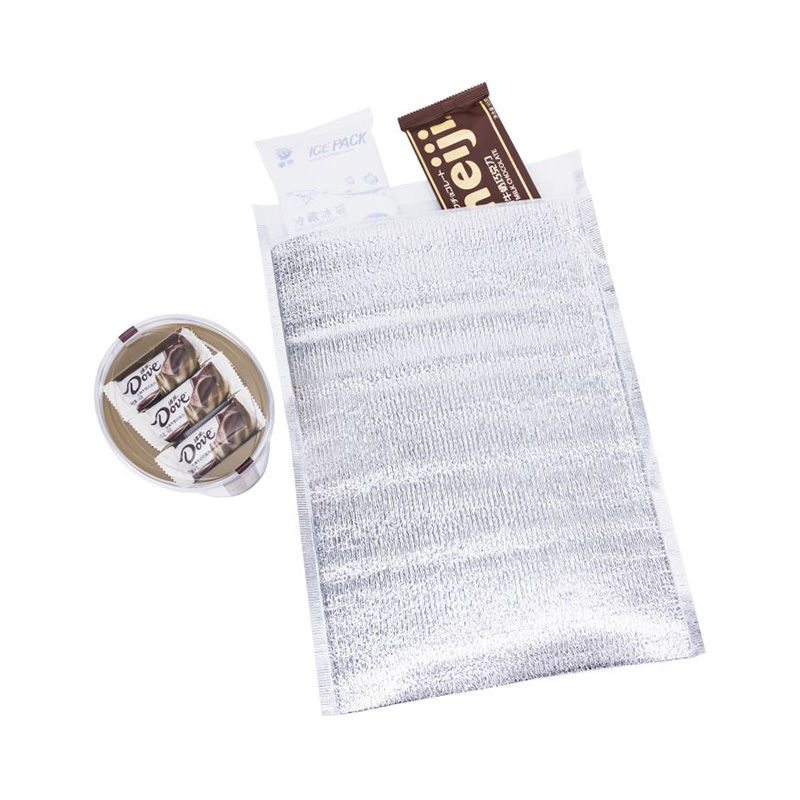
Um forro com isolamento de bolha dupla deve ser revisado dentro da caixa real, com o produto real e plano de refrigeração. Se o revestimento reduzir muito o volume utilizável, o packer pode remover o refrigerante, comprimir o produto ou deixar o fecho solto. Se o revestimento deixar muito vazio, o produto pode mudar e o desempenho térmico pode ser inconsistente.
O exemplo de revisão mais útil é uma revisão carregada. Meça o produto, coloque o refrigerante, feche o forro, feche a caixa e depois inspecione o resultado. A caixa fica saliente? O forro rasga? O líquido refrigerante encosta no produto ou cai para o lado? Esses detalhes são mais fáceis de corrigir durante a amostragem do que após um pedido de compra ter sido feito..
Fornecimento na China: a clareza da amostra é mais importante do que um orçamento rápido
Quando os compradores procuram fornecedores na China por forros isolados, eles geralmente recebem cotações rápidas antes que o pacote esteja totalmente definido. Essa velocidade pode ser útil, mas também pode criar confusão. O comprador pode comparar o preço do material plano de um fornecedor com o preço do revestimento pré-formado de outro fornecedor, ou compare uma amostra de tamanho padrão com uma cotação de produção de tamanho personalizado.
Um resumo de fornecimento da China deve incluir desenhos, caixa alvo, descrição da carga útil, tipo de refrigerante, estágios esperados do pedido e requisitos de embalagem. Se imprimir, cor, apresentação de varejo ou marcas de caixa de exportação são necessárias, esses devem ser incluídos antecipadamente. A tradução de dimensões também é importante: confirme se cada dimensão é interna, externo, tamanho de corte plano ou tamanho de inserto acabado.
Antes de escalar a produção, solicite o procedimento de aprovação da amostra, tolerância de produção, rastreabilidade de materiais e método de inspeção. Um comprador prático também perguntará como os forros são embalados para exportação, porque o cubo de remessa e a compactação podem influenciar o custo final e o planejamento do armazém.
Matriz de compras para uma comparação mais segura
| Ponto de decisão | O que verificar | Por que muda a ordem |
|---|---|---|
| Ajuste da caixa e da carga útil | Meça o produto carregado, refrigerante e revestimento juntos | Evita amostras inutilizáveis e empacotamento lento |
| Risco de rota | Revise o tempo de trânsito, exposição ambiental e pontos de transferência | Mostra se um simples liner é suficiente |
| Fonte fria | Definir pacote de gel, PCM, alternativa de gelo seco ou outro refrigerante | O revestimento não cria resfriamento por si só |
| Material e descarte | Esclareça o papel, frustrar, plástico, camadas laminadas ou separáveis | Suporta EPR, mensagens ao cliente e planejamento de resíduos |
| Base de cotação | Compare o mesmo tamanho, mesmo estilo, mesmo formato de embalagem | Evita comparações enganosas de preços unitários |
| Aprovação de amostra | Inspecionar dimensões, costuras, velocidade de embalagem e comportamento carregado | Reduz o risco antes da compra em massa |
Use a matriz para forçar cada fornecedor a entrar no mesmo quadro de comparação. Se duas cotações usam dimensões diferentes, estruturas de materiais ou formatos de embalagem, eles ainda não são alternativas reais. Normalize a especificação antes de negociar o preço.
Quando um forro não é suficiente
Um forro não é suficiente quando a remessa exige desempenho documentado de todo o sistema de remessa e não existe nenhuma evidência de embalagem. Também pode ser insuficiente quando o percurso é muito longo, a exposição ambiental é alta, o recebimento não é confiável ou o produto é altamente sensível a excursões curtas. Nesses casos, o comprador deve considerar um diferente expedidor isolado, refrigerante adicional, um pacote monitorado ou uma abordagem de qualificação específica da rota.
Não use um liner para substituir um processo de qualidade. Monitoramento de temperatura, recebendo inspeção, as decisões de lançamento do produto e a revisão da excursão permanecem responsabilidades separadas. O forro pode ajudar a reduzir o risco, mas isso não torna aceitável uma rota não revisada.
Exemplo prático: comparando duas amostras de revestimento antes de dimensionar
Imagine uma equipe de compras avaliando o forro com isolamento de bolha dupla da China para um programa de encomendas resfriadas. O fornecedor A envia uma amostra que se ajusta perfeitamente e parece elegante, mas os empacotadores precisam de mais tempo para carregar o refrigerante. O fornecedor B envia um revestimento um pouco mais solto que fecha mais rápido, mas deixa mais vazios laterais. A diferença de preço unitário é pequena, ainda assim o resultado operacional pode ser muito diferente.
A equipe deve carregar ambas as opções com o produto e refrigerante reais, registrar observações de embalagem, verifique se a caixa fecha sem abaular, e revisar a embalagem após uma simulação de manuseio. Se Produtos sensíveis à temperatura estão envolvidos, a equipe deve então executar uma verificação térmica relevante para a rota antes de aprovar a produção. Essa abordagem transforma uma comparação vaga de cotações em uma decisão prática sobre usabilidade, risco e repetibilidade.
A discussão final sobre fornecedores
Antes de aprovar um pedido recorrente, peça ao fornecedor para reafirmar a especificação por escrito. Deve incluir a descrição do material, dimensões acabadas, formato de embalagem, referência de amostra, abordagem de tolerância e quaisquer suposições de cotação. Se arte ou etiqueta privada estiver envolvida, inclua a versão da arte e o processo de aprovação. Se reivindicações de sustentabilidade estiverem envolvidas, definir a base material e o mercado onde a reivindicação será usada.
Ferramentas úteis de decisão
Verifique os detalhes antes de escolher a embalagem
Essas ferramentas rápidas podem ajudá-lo a comparar o risco da rota, necessidades de dimensionamento, escolhas de refrigerante, e detalhes da embalagem antes de solicitar um orçamento.
Refrigerante & Referência PCM
Compare as opções de refrigerante e PCM quando uma rota precisar de suporte adicional de temperatura.
Comparar opçõesSeletor de embalagens
Compare opções de embalagens isoladas por produto, rota, e necessidade de temperatura.
Encontre embalagensCalculadora de bolsa de gelo
Estime a quantidade de bolsas de gelo em gel para remessas refrigeradas e planejamento prático de rotas.
Estimar bolsas de geloEsta discussão final não é burocracia. Evita o problema comum em que as vendas, Compras, as equipes de produção e embalagem entendem o revestimento de maneira um pouco diferente. Uma especificação clara reduz argumentos posteriores e torna muito mais fácil reordenar conversas futuras.
Perguntas frequentes
Um forro com isolamento de bolha dupla é suficiente para transporte em cadeia de frio??
Pode ser suficiente para algumas rotas curtas ou de baixo risco, mas é apenas uma parte do pacote. Você ainda precisa da caixa certa, pré-condicionamento do produto, refrigerante, sequência de embalagem, duração da rota e processo de recebimento. Remessas de alto valor ou regulamentadas podem precisar de qualificação documentada de todo o sistema de remessa.
Devo escolher papel, bolha de alumínio ou outro material de revestimento?
Escolha por risco de rota, sensibilidade do produto, exposição à umidade, expectativas de descarte e velocidade de embalagem. O papel pode apoiar uma história de reciclagem mais clara em alguns mercados, enquanto os formatos de bolha de alumínio podem oferecer armazenamento compacto e embalagem rápida. Nenhum deles deve ser selecionado apenas pelo nome do material; amostras carregadas e verificações de rota são importantes.
Posso usar o mesmo forro para resfriados, remessas congeladas e com proteção ambiental?
Não automaticamente. Refrigerado, remessas congeladas e com proteção ambiental usam diferentes estratégias de refrigeração e critérios de aceitação. Um forro que funcione para uma rota curta refrigerada pode ser insuficiente para um pacote congelado ou desnecessário para uma remessa em ambiente de baixo risco. Confirme a condição necessária do produto e teste a embalagem adequadamente.
Que prova devo pedir antes de fazer um pedido em massa?
Solicite descrição do material, dimensões acabadas, tolerância de produção, fotos de amostra, formato de embalagem e qualquer contexto de teste por trás das reivindicações térmicas. Se o produto for sensível ou regulamentado, solicitar evidências vinculadas à caixa real, refrigerante, carga útil e perfil de rota, não é uma declaração geral.
Como devo comparar fornecedores sem comprar isolamento em excesso?
Compare a mesma caixa, carga do produto, plano de refrigeração, formato do forro e estágio do pedido. Mais isolamento nem sempre é melhor se reduzir o volume utilizável ou retardar a compactação. A melhor opção é aquela que oferece proteção suficiente, produção repetível e manuseio prático para sua pista.
Revisão do pedido piloto antes do dimensionamento
Um pedido piloto deve ser tratado como uma etapa de aprendizagem controlada, não como uma versão menor de um lançamento comercial completo. Verifique as dimensões do revestimento de entrada, condição da caixa embalada, comentários do operador, espaço de armazenamento, manuseio de resíduos e qualquer feedback de atendimento ao cliente. Se o piloto usar uma caixa diferente, refrigerante ou serviço de transporte do que o futuro pedido em massa, marque essa diferença claramente. De outra forma, um comprador pode aprovar um revestimento com base em condições que não se repetirão durante as operações diárias. Adicione uma pessoa de operações e uma pessoa de compras à revisão, porque a velocidade da embalagem e os termos de compra muitas vezes revelam riscos diferentes.
As instruções de embalagem reduzem variações evitáveis
Mesmo um liner bem dimensionado pode ter um desempenho inconsistente quando os packers usam sequências de carregamento diferentes. Uma folha de instruções simples deve mostrar como o revestimento é aberto, onde o produto fica, onde o refrigerante é colocado, como a tampa é dobrada e como deve ser a aparência da caixa acabada. A instrução não precisa ser complicada, mas transforma a amostra aprovada em um método de embalagem repetível. Também facilita o treinamento quando trabalhadores sazonais ou equipes terceirizadas de atendimento embalam o mesmo pedido. Se a rota for revisada posteriormente, a equipe pode ver se o pacote falhou porque o design era fraco ou porque o design não foi seguido.
Revisar uma remessa com falha sem culpar primeiro o forro
Se uma remessa chegar quente, esmagado ou molhado, revise toda a cadeia antes de assumir que o revestimento foi a única causa. Verifique o pré-condicionamento do produto, estado do refrigerante, hora de envio, danos na caixa, atrasos da operadora, temperatura de preparação e comportamento de recepção. Um problema de revestimento ainda pode estar presente, mas a ação corretiva é melhor quando a equipe identifica se a causa raiz veio de questões materiais, embalagem, exposição da rota ou tratamento do cliente. Mantenha fotos da caixa aberta, posição do revestimento, condição do líquido refrigerante e condição do produto. Essas fotos ajudam o fornecedor a entender se um redesenho, é necessária uma atualização das instruções de embalagem ou um nível de serviço diferente.
O custo total pertence à mesma planilha que o risco
Uma comparação prática deveria colocar o preço unitário ao lado do cubo de frete, trabalho de embalagem, tempo de revisão de amostra, quantidade de refrigerante, manuseio esperado de resíduos e o valor da carga útil. Isso ajuda a aquisição a evitar uma pequena economia que cria maiores custos operacionais. O liner certo raramente é aquele com o material mais caro ou com a cotação mais barata; é a opção que oferece proteção suficiente com manuseio repetível. Se dois forros tiverem custo semelhante, aquele que reduz erros de embalagem ou confusão do cliente pode ser a melhor escolha comercial. Se um revestimento for mais barato, mas precisar de mais refrigerante, o custo total pode não ser realmente menor.
Mantenha as perguntas abertas visíveis
Alguns detalhes permanecerão desconhecidos até que as amostras sejam testadas. Mantenha essas questões visíveis em vez de transformá-las em suposições. As perguntas abertas podem incluir exposição da rota, tolerância à umidade, volume utilizável exato, treinamento de operadores, mensagens de descarte ou se as peças de produção corresponderão à primeira amostra. Uma conversa com fornecedores se torna mais produtiva quando esses pontos são listados antes da próxima rodada de cotação. Isto também é útil quando vários departamentos estão envolvidos. A qualidade pode se preocupar com a documentação, as operações podem se preocupar com a velocidade de embalagem, e as compras podem se preocupar com reduções de preços. Uma lista de perguntas compartilhada evita que uma equipe aprove um liner que outra equipe não pode usar.
A inspeção de recebimento deve ser simples o suficiente para ser repetida
A inspeção de entrada não precisa ser um processo de laboratório para cada pedido de revestimento, mas deve ficar claro o suficiente para que o pessoal do armazém repita. Verifique se os revestimentos entregues correspondem ao tamanho aprovado, se as costuras estão intactas, se os pacotes estão danificados, e se as marcas de embalagem identificam a versão correta. Para projetos personalizados, manter uma amostra aprovada no local de embalagem e um arquivo de referência para aquisição. Quando as peças de produção se desviam da versão aprovada, a equipe pode identificar o problema antes que os revestimentos sejam usados nas remessas dos clientes.
As escolhas de design devem apoiar o próximo pedido
Muitos erros de embalagem acontecem durante novos pedidos, não durante a primeira rodada de amostragem. Um comprador pode fazer um novo pedido a partir de um e-mail antigo, um fornecedor pode cotar um material semelhante, ou uma pequena alteração na arte pode ser tratada como inofensiva. Para evitar isso, a especificação deve indicar quais dimensões, camadas de materiais, detalhes de fechamento e formatos de embalagem estão bloqueados. Também deve indicar quem pode aprovar alterações. Esta disciplina simples é especialmente útil para tamanhos personalizados, OEM, revestimentos regionais ou específicos de aplicação onde pequenas alterações podem afetar o ajuste e o manuseio.
Conclusão
Uma decisão confiável de revestimento com isolamento de bolha dupla na China vem da combinação do produto, rota, Carton, estágio de refrigerante e aquisição. Não presuma que um revestimento é suficiente porque o nome do material parece forte, e não rejeite uma opção prática porque é mais simples que um expedidor rígido. Pergunte o que está comprovado, o que ainda é um ponto de verificação do comprador e o que deve ser testado em seu próprio pacote antes de escalar.
Sobre Tempk
Suporte temporário embalagem da cadeia de frio seleção entre forros, pacotes de resfriamento, sacos isolados, caixas mais frias e proteção em nível de palete. Para compradores que comparam opções de forro, podemos ajudar a transformar uma solicitação geral em uma especificação mais clara: tipo de produto, dimensões da caixa, plano de refrigeração, método de embalagem e estágio do pedido. Essa clareza ajuda a reduzir as revisões de amostras e torna a comparação de fornecedores mais significativa.
Para uma discussão mais precisa sobre o liner, envie para Tempk sua rota, carga útil, desenho de caixa e método de embalagem alvo, em seguida, revise as amostras antes de dimensionar o pedido.