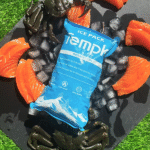
Como escolher a melhor bolsa de gel refrigerada da Espanha
Escolhendo o melhor bolsa de gel refrigerada O atacado na Espanha fica mais fácil quando você para de tratá-lo como uma mercadoria e começa a combinar a meta térmica, disciplina de execução, e capacidade do fornecedor em uma estrutura. Na Espanha, perfis de verão e exposição fiscal de embalagens podem alterar o custo real de um programa de bolsas mais do que o preço da fatura sugere. Também é preciso pensar em Espanha e nas rotas de distribuição ibéricas, onde estilo de manuseio, exposição ambiental, e a prática do armazém pode mudar o resultado muito mais do que um folheto genérico sugere. A Espanha aplicou um imposto sobre embalagens plásticas não reutilizáveis de EUR 0.45 por quilograma desde 2023, então a composição da embalagem afeta diretamente o custo final. Para canais de saúde, As expectativas do PIB da UE ainda se aplicam, o que significa que os produtos devem ser mantidos nas condições corretas durante o armazenamento e transporte e a documentação deve estar disponível. Este guia transforma essa complexidade em decisões em linguagem simples para que você possa comparar ofertas, validar a faixa da direita, e construir um programa que funcione para atacadistas espanhóis, exportadores de alimentos, farmácias, distribuidores de saúde, e marcas de comércio eletrônico sensíveis à temperatura.
Este artigo irá ajudá-lo a responder:
Como definir a janela de temperatura correta, tamanho do pacote, e posicionamento antes de solicitar um orçamento.
Qual material, validação, e os sinais de oferta separam uma oferta forte de uma oferta arriscada.
Como qualificar um atacadista espanhol sem perder tempo com amostras fracas ou afirmações vagas.
Qual embalagem, condicionamento, e as opções de posicionamento reduzem vazamentos, excursões, e desperdício evitável.
O que 2026 mudanças de mercado e políticas significam custos, documentação, e sustentabilidade.
Qual é a maneira mais clara de escolher bolsa de gel refrigerada no atacado na Espanha?
A primeira decisão é sempre a janela de temperatura. Os compradores geralmente escolhem primeiro a bolsa de gel refrigerada e só depois pensam no tempo de exposição, isolamento, colocação do pacote, massa de carga útil, e frequência de abertura. Essa sequência cria risco. Um pacote que funciona em uma rota pode falhar em outra se o tempo de permanência, padrão de carregamento, ou alterações no perfil do ambiente. A abordagem mais segura é simples: comece com a sensibilidade do produto, então mapeie a pista, então dimensione o plano de refrigeração. Essa ordem evita um número surpreendente de exceções evitáveis.
O método de compra mais forte usa uma sequência simples: definir o alvo térmico, entenda o caminho, especifique a geometria e o material do pacote, em seguida, compare a capacidade do fornecedor. Isso impede que você compre um pacote tecnicamente bom que não cabe na pista. Também ajuda você a parar de discutir sobre o preço unitário antes de saber se o design está realmente correto.
Quadro de decisão
| Área de decisão | O que definir | O que verificar | Por que isso ajuda você |
|---|---|---|---|
| Janela de temperatura | Sensibilidade da carga útil e alcance permitido | Exposição real da pista e plano de registro | Você combina o refrigerante com o verdadeiro risco. |
| Formato do pacote | Peso, forma, e conceito de posicionamento | Flexibilidade do filme, selos, e preencher tolerância | Você melhora a consistência e reduz danos evitáveis. |
| Validação | Verão e inverno ou perfis equivalentes | Limites de aceitação e posições do registrador | Você compra contra evidências, Não é adivinhação. |
| Capacidade do fornecedor | Plano de estoque, personalização, e documentação | Velocidade de resposta e rastreabilidade | Você reduz surpresas operacionais. |
| Sustentabilidade | Dados materiais, reutilizar, e lógica de desperdício | Se funciona sem prejudicar o desempenho | Você alinha o custo, política, e expectativas do cliente. |
Quais detalhes técnicos são mais importantes depois que a primeira amostra parece boa?
A maioria dos formatos frios à base de gel são sistemas com alto teor de água mantidos em uma rede de polímeros. Em muitos designs, a rede limita a agitação, estabiliza o preenchimento, e reduz a bagunça se acontecer um furo. Isso é importante porque dois pacotes com o mesmo tamanho externo podem se comportar de maneira muito diferente durante o uso.. Pode-se liberar o frio rapidamente e criar um risco de congelamento local. Outro pode liberá-lo de maneira mais uniforme e proteger a carga por mais tempo. Para compradores de bolsas de gel refrigeradas, a lição prática é essa forma, proporção de preenchimento, e o método de condicionamento são quase tão importantes quanto o peso bruto impresso na folha de especificações.
A escolha do filme é tão importante quanto a escolha do gel. Uma bolsa, enrolar, inserir, ou saco tem que sobreviver à pressão de empilhamento, contato de borda, ciclos de resfriamento repetidos, e o atrito de movimentação através de caixas de papelão ondulado ou sacolas reutilizáveis. Filme mais espesso não é automaticamente melhor. A estrutura certa equilibra a resistência à perfuração, integridade do selo, flexibilidade após condicionamento, e transferência de calor eficiente. Em operações reais, selos fracos geralmente falham antes do meio do filme. É por isso que compradores cuidadosos perguntam sobre a largura do selo, teste de vazamento, tolerância de peso de enchimento, e controle dimensional em vez de assumir que todos os produtos na mesma classe de espessura são iguais.
A validação deve refletir a realidade. Isso significa condicionar a bolsa de gel refrigerada da maneira que sua equipe realmente fará., carregar o remetente com a carga útil real ou equivalente testado, colocar madeireiros onde o risco é maior, e executando mais de um perfil de ambiente. Uma curva de laboratório limpa é útil, mas não é o mesmo que um resultado de rota. Pergunte como o desempenho muda quando o tempo de trânsito, aberturas de caixa, densidade de carga útil, ou mudança de posicionamento do pacote. Os melhores fornecedores ajudam você a entender a margem, não apenas o melhor resultado.
Se você se lembra de uma regra técnica, lembre-se disso: o tempo de espera não é toda a história. Um pacote pode ter energia de reserva suficiente e ainda assim se comportar mal devido ao mau padrão de contato, filme quebradiço, preenchimento inconsistente, ou um método de condicionamento que o armazém não consegue repetir consistentemente.
Como as regras regionais e de conformidade alteram a lista restrita?
A regulamentação altera a lista porque o controle documentado faz parte da gestão de riscos. A Espanha aplicou um imposto sobre embalagens plásticas não reutilizáveis de EUR 0.45 por quilograma desde 2023, então a composição da embalagem afeta diretamente o custo final. Para canais de saúde, As expectativas do PIB da UE ainda se aplicam, o que significa que os produtos devem ser mantidos nas condições corretas durante o armazenamento e transporte e a documentação deve estar disponível. Isso significa um fornecedor com instruções claras, melhores registros, e a lógica específica da rota costuma ser a escolha de menor risco, mesmo que o preço unitário não seja o mais baixo da página.
A sustentabilidade está passando da linguagem de marketing para o critério de aquisição em 2026. Os compradores agora perguntam se o formato é reutilizável, quanto plástico ele contém, se uma versão mais leve pode fazer o mesmo trabalho, e como será o tratamento no final da vida. Uma resposta sensata à sustentabilidade não significa escolher a embalagem mais fina ou mais barata. Significa cortar peso evitável, reduzindo resíduos descartáveis sempre que possível, e usando escolhas de materiais documentadas que se ajustam à pista. Os compradores espanhóis agora tratam material de embalagem escolha como fonte, imposto, e decisão de sustentabilidade ao mesmo tempo.
O que é um mais forte 2026 scorecard do fornecedor parece?
Para programas de atacado, consistência é mais importante do que uma barganha única. Você precisa de qualidade estável, MOQs realistas, planejamento de estoque claro, e reposição previsível. Isto é especialmente verdade quando a bolsa de gel refrigerada também afeta o custo do frete, volume de armazenamento, custo de descarte, ou exposição fiscal. Um parceiro fornecedor mais forte ajuda você a simplificar a contagem de SKU, padronizar regras de rota, reduzir compras de emergência, e evitar que exceções específicas da conta assumam o controle da operação.
O Regulamento de Embalagens e Resíduos de Embalagens da UE entrou em vigor em 11 Fevereiro 2025 e geralmente se aplica a partir de 12 Agosto 2026. Isso está levando os compradores espanhóis a fazer perguntas mais difíceis sobre formatos reutilizáveis, dados materiais, peso da embalagem, e manuseio no fim da vida útil, em vez de comprar apenas pelo preço unitário. Os compradores espanhóis agora tratam a escolha do material de embalagem como uma fonte, imposto, e decisão de sustentabilidade ao mesmo tempo.
Scorecard prático do fornecedor
| Ponto de controle | O que perguntar | Que bom parece | Por que isso importa |
|---|---|---|---|
| Ajuste de temperatura | Para qual faixa de temperatura este projeto é validado? | A resposta faz referência a um alcance real e a um tipo de pista real. | Você evita comprar um pacote forte, mas errado. |
| Controle de produção | Como o peso do enchimento e a qualidade da vedação são controlados? | Tolerância documentada e verificações de qualidade de rotina. | Você reduz a variação entre lotes. |
| Suporte de validação | Você pode mostrar perfis de verão e inverno ou quentes e frios? | Sim, com um método de teste claro e orientação prática de condicionamento. | Você obtém evidências que se aplicam à sua rota. |
| Resiliência da oferta | Onde o estoque é mantido e o que acontece durante os picos? | Estratégia de estoque nomeada e compromissos realistas de prazo de entrega. | Você evita confusão durante o pico de demanda. |
| Estratégia de materiais | O que você pode documentar sobre o filme, plástico, reutilizar, ou descarte? | Claro, informações materiais específicas. | Você apoia aquisições e revisão de sustentabilidade. |
Plano de ação que você pode usar imediatamente
Mapeie a sua distribuição doméstica refrigerada e as rotas marítimas transfronteiriças ibéricas por tempo de exposição e risco ambiental.
Ferramentas úteis de decisão
Verifique os detalhes antes de escolher a embalagem
Essas ferramentas rápidas podem ajudá-lo a comparar o risco da rota, necessidades de dimensionamento, escolhas de refrigerante, e detalhes da embalagem antes de solicitar um orçamento.
Gerador de lista de conformidade
Crie uma lista de verificação prática para revisão de embalagens, envio, e documentação.
Lista de verificação de construçãoSeletor de embalagens
Compare opções de embalagens isoladas por produto, rota, e necessidade de temperatura.
Encontre embalagensReferência de material de isolamento
Compare as opções de materiais de isolamento para diferentes necessidades de embalagens da cadeia de frio.
Compare materiaisReduza a conversa para um conjunto menor de possíveis formatos de bolsas de gel refrigeradas que realmente correspondam a essas faixas.
Solicite dados de validação comparáveis e detalhes de materiais de todos os fornecedores sérios.
Execute um piloto controlado com a carga útil real ou um equivalente testado antes de aumentar a escala.
Instantâneo do caso: Um atacado na Espanha padronizou um conjunto menor de tamanhos de bolsas de gel refrigeradas em torno de famílias de rotas reais, em vez de suposições de cliente por cliente. Isso reduziu a complexidade da embalagem, consistência de chegada aprimorada, e reduziu o excesso de embalagem de emergência quando as condições ambientais se tornaram mais difíceis.
Uma disciplina final útil é manter o feedback pós-lançamento vinculado aos dados da rota. Quando uma remessa é bem-sucedida ou falha, registre a pista, condições ambientais, contagem de pacotes, colocação do pacote, e qualquer revisão de embalagem para que a próxima decisão seja baseada em evidências em vez de memória. Esse hábito é especialmente valioso para os atacadistas espanhóis, exportadores de alimentos, farmácias, distribuidores de saúde, e marcas de comércio eletrônico sensíveis à temperatura, porque os programas da cadeia de frio muitas vezes parecem estáveis até uma estação, uma nova rota, ou uma mudança no mix de produtos expõe uma suposição fraca. Um simples ciclo de feedback torna a próxima rodada de embalagem mais nítida.
A sustentabilidade está passando da linguagem de marketing para o critério de aquisição em 2026. Os compradores agora perguntam se o formato é reutilizável, quanto plástico ele contém, se uma versão mais leve pode fazer o mesmo trabalho, e como será o tratamento no final da vida. Uma resposta sensata à sustentabilidade não significa escolher a embalagem mais fina ou mais barata. Significa cortar peso evitável, reduzindo resíduos descartáveis sempre que possível, e usando escolhas de materiais documentadas que se ajustam à pista. Os compradores espanhóis agora tratam a escolha do material de embalagem como uma fonte, imposto, e decisão de sustentabilidade ao mesmo tempo.
Para programas de atacado, consistência é mais importante do que uma barganha única. Você precisa de qualidade estável, MOQs realistas, planejamento de estoque claro, e reposição previsível. Isto é especialmente verdade quando a bolsa de gel refrigerada também afeta o custo do frete, volume de armazenamento, custo de descarte, ou exposição fiscal. Um parceiro fornecedor mais forte ajuda você a simplificar a contagem de SKU, padronizar regras de rota, reduzir compras de emergência, e evitar que exceções específicas da conta assumam o controle da operação.
Uma disciplina final útil é manter o feedback pós-lançamento vinculado aos dados da rota. Quando uma remessa é bem-sucedida ou falha, registre a pista, condições ambientais, contagem de pacotes, colocação do pacote, e qualquer revisão de embalagem para que a próxima decisão seja baseada em evidências em vez de memória. Esse hábito é especialmente valioso para os atacadistas espanhóis, exportadores de alimentos, farmácias, distribuidores de saúde, e marcas de comércio eletrônico sensíveis à temperatura, porque os programas da cadeia de frio muitas vezes parecem estáveis até uma estação, uma nova rota, ou uma mudança no mix de produtos expõe uma suposição fraca. Um simples ciclo de feedback torna a próxima rodada de embalagem mais nítida.
Perguntas frequentes
Por que os compradores espanhóis deveriam modelar o imposto sobre o plástico no fornecimento de bolsas de gel?
Porque a Espanha tributa embalagens plásticas não reutilizáveis por peso, portanto, o custo real pode diferir significativamente do preço da fatura se a bolsa usar plástico mais tributável.
A validação de verão importa mais na Espanha?
Sim. O desempenho em clima quente pode diferir bastante dos resultados da primavera ou da estação intermediária, portanto, uma bolsa deve ser testada em perfis de verão realistas antes do lançamento.
O que os compradores de cuidados de saúde em Espanha devem pedir?
Eles deveriam pedir uma lógica de tratamento pronta para o PIB, registros utilizáveis, validação específica da rota, e documentação clara que apoia a revisão de auditoria.
Como é 2026 mudando a seleção de bolsas na Espanha?
As questões relacionadas ao PPWR e o escrutínio dos custos de embalagem estão levando os compradores a olhar além do preço unitário e a pedir material melhor, reutilizar, e dados de descarte.
O design de uma bolsa pode funcionar para todas as rotas ibéricas?
Às vezes, mas apenas se a validação cobrir os diferentes tempos de permanência, condições ambientais, e variabilidade de serviço nessas rotas.
Resumo e recomendação
A melhor decisão sobre bolsa de gel refrigerada raramente é aquela com a massa mais fria ou o menor preço do item de linha. É aquele que se encaixa na rota, protege a carga útil, apoia regras operacionais claras, e fornece documentação que você pode realmente usar. Se você definir primeiro a meta de temperatura, valide a pista honestamente, e pontuar os fornecedores além do preço, você tomará uma decisão melhor a longo prazo.
Seu próximo passo deve ser simples: selecione as rotas que mais importam, solicitar informações técnicas e de fornecimento comparáveis, e execute um piloto controlado. Essa abordagem fornece evidências rapidamente e mantém as aquisições, operações, e controle de qualidade alinhados.
Sobre Tempk
E Tempk, nos concentramos na prática embalagem da cadeia de frio para comida, assistência médica, e outras necessidades de distribuição sensíveis à temperatura. Trabalhamos em formulação de gel estável, selos confiáveis, dimensionamento personalizado, e suporte de validação baseado em rota para que os compradores possam combinar o pacote com a pista em vez de adivinhar.
Se precisar de ajuda para comparar formatos, refinando a colocação do pacote, ou construir um plano piloto mais simples, podemos ajudá-lo a transformar dados de rota em uma decisão de embalagem mais clara.