Como escolher o preço do forro comprimido a vácuo
Choosing a vacuum compressed liner price starts with a simple boundary: o revestimento é uma parte do sistema de controle de temperatura, não todo o sistema. Deve caber na caixa, proteger o espaço de carga útil, trabalhar com o refrigerante, sobreviver ao manuseio, e apoiar as necessidades de documentação do comprador. Um bom processo seletivo evita dois erros comuns: comprar apenas pelo preço unitário e aceitar uma reclamação de desempenho sem conhecer as condições de teste por trás disso.
Regra de seleção: Defina a remessa primeiro, em seguida, selecione o forro. A cotação ou solicitação de amostra mais útil inclui as dimensões da caixa, faixa de temperatura do produto, peso e forma da carga útil, tempo de trânsito, pontos de transferência, tipo de refrigerante, meta de sustentabilidade, e a documentação que sua equipe espera.
O forro é um componente, não é um sistema completo de cadeia de frio
A primeira decisão é o caso de uso. Neste tópico, the main use case is liners shipped compressed or flat to reduce inbound storage volume before expanding into a usable forro térmico. Esse caso de uso informa quais questões são importantes. Um comprador que envia produtos em ambiente seco pode se preocupar principalmente com a apresentação e o amortecimento. Um comprador enviando ingredientes refrigerados, kits de laboratório, ou amostras sensíveis à temperatura precisam pensar no ganho de calor, colocação de refrigerante, recebendo inspeção, e se o pacote aguenta a parte mais quente da rota.
Vacuum compression improves storage efficiency, but it does not automatically improve thermal performance. É por isso que uma especificação responsável deve incluir a caixa externa, forro, refrigerante, pré-condicionamento de produtos, método de fechamento, e o tempo máximo que a embalagem pode permanecer fora do controle ativo de temperatura. Um transatlântico com desempenho aceitável em uma rota de entrega curta pode ser uma má escolha para uma rota de exportação com tempo de permanência na alfândega ou transferência para o aeroporto.. O oposto também pode ser verdade: um revestimento pesado pode ser desnecessário para uma entrega local de baixo risco, onde o peso e a velocidade de embalagem são mais importantes.
A tarefa prática do comprador é definir o limite de responsabilidade. O revestimento pode reduzir a transferência de calor através das paredes da caixa. Pode facilitar a embalagem quando o design do painel é repetível. Pode melhorar a experiência de desembalagem se a superfície estiver limpa e as instruções forem claras. Não é possível corrigir o carregamento de produtos quentes, subcondicionado pacotes de gel, uma caixa deixada sob o sol direto, ou uma rota que excede o design do pacote. Tratar esses limites com honestidade leva a melhores decisões de fornecimento e a menos receptores decepcionados.
Traduza as necessidades de temperatura em um briefing de compra
Thermal performance depends on the recovered insulation structure, not just the compressed shipping format. O forro retarda o movimento do calor, enquanto o refrigerante ou o material de mudança de fase absorvem o calor e ajudam a manter a carga útil perto da faixa desejada. A temperatura de carregamento do produto também é importante. Se produtos resfriados entrarem na caixa já quentes, o revestimento é forçado a compensar um problema que não foi projetado para resolver.
Para encomendas gerais sensíveis à temperatura, a questão principal não é uma única temperatura mágica. É a faixa necessária para o produto, a duração da exposição, o número de transferências, e a diferença entre o ambiente de teste e a pista real. Uma citação que ignora esses pontos está incompleta.
Uma conversa útil com o fornecedor deve, portanto, passar das reivindicações para as condições. Em vez de perguntar apenas, "Quantas horas este forro pode manter os produtos frios?" pergunte qual massa do produto foi usada, onde o sensor foi colocado, qual refrigerante foi usado, como o refrigerante foi condicionado, qual caixa foi testada, e qual perfil de ambiente foi aplicado. O pensamento no estilo ISTA 7E é útil aqui porque lembra aos compradores que a exposição térmica do pacote pode incluir perfis quentes e frios, não apenas uma condição constante do ambiente.
O resultado é uma comparação mais honesta. Um liner pode ficar melhor em uma planilha de dados genérica, enquanto outro pode ser mais fácil de embalar de forma consistente no seu armazém. Se ambos atenderem aos requisitos de temperatura sob suas condições realistas, a embalagem mais simples pode ser a melhor decisão comercial. Se nenhum deles tiver evidências relevantes, você deve tratar ambos como não comprovados até que o teste da amostra seja concluído.
Compare os tipos de revestimento por ajuste operacional
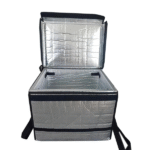
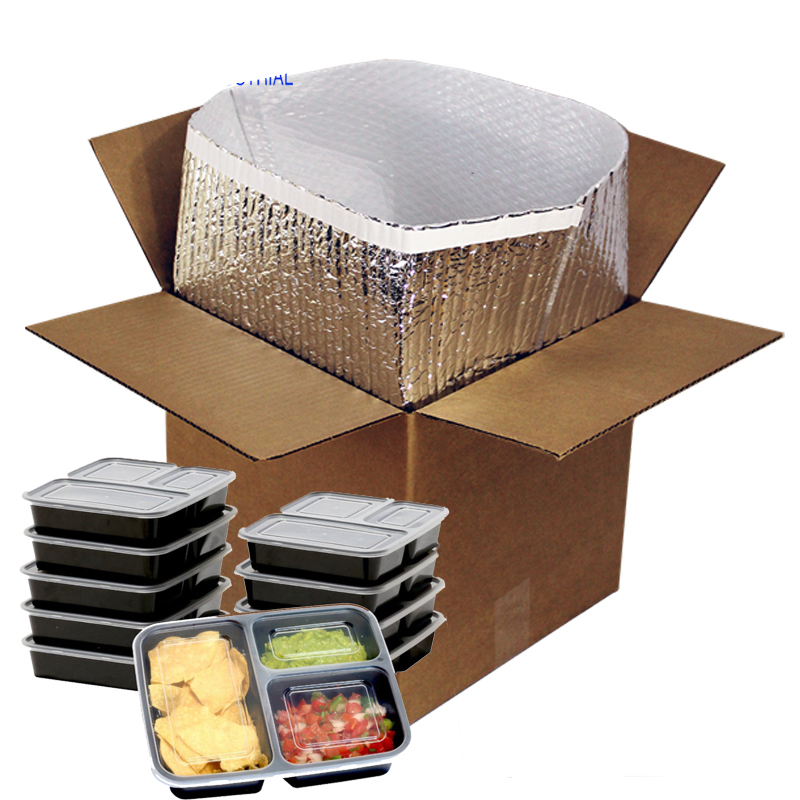
Vacuum compressed liners create a purchasing advantage only if the liner recovers into a predictable shape after unpacking. Buyers should test recovery time, corner fill, surface flatness, and whether workers can assemble the liner without slowing the line. Compression can reduce storage volume, but it may also reveal weak seams or inconsistent panel resilience.
A escolha do material também afeta o trabalho. Um revestimento que chega plano pode armazenar com eficiência, mas exige que os trabalhadores dobrem, inserir, e grave-o. Um revestimento pré-formado pode acelerar a montagem, mas ocupar mais espaço no armazém. Uma superfície resistente à umidade pode proteger a caixa da condensação, mas complica as reivindicações de reciclagem. Nenhuma dessas compensações é automaticamente boa ou ruim; eles devem ser julgados em relação ao seu volume de embalagem, custo de mão de obra, cubo de envio, e expectativas do cliente.
Compression can affect panels, fibras, costuras, bubble layers, or foam-like structures differently. Peça ao fornecedor para explicar o que cada camada faz. Se uma camada for para isolamento, pergunte como ele funciona quando comprimido. Se uma camada for para resistência à umidade, pergunte como isso afeta o descarte. Se uma superfície for destinada ao uso adjacente a alimentos, pergunte qual documentação está disponível. Para remessas de biotecnologia ou saúde, pergunte se o material cria fiapos, odor, preocupações com contaminação, ou lidar com problemas que sua equipe de qualidade rejeitaria.
Uma revisão prática do material deve incluir a amostra após o manuseio real. Dobre, carregue-o, adicionar refrigerante, feche a caixa, abra novamente, e inspecione os cantos. Muitas falhas do revestimento não são visíveis em uma foto de produto plano. Eles aparecem quando os trabalhadores embalam rapidamente ou quando a caixa fica sob a carga empilhada durante o transporte.
O que colocar em uma solicitação de orçamento ou amostra
Price discussions should include sample recovery tests, tempo de embalagem, contagem de paletes, and whether compression changes production tolerances. O problema de fornecimento mais comum não é que os compradores façam muitas perguntas. É que eles perguntam tarde demais, depois que a arte for aprovada, depois que o tamanho da caixa for corrigido, ou depois que uma equipe de vendas prometeu uma condição de entrega de que o pacote nunca foi testado para suportar.
Comece com dimensões. Registre o tamanho da caixa externa, o espaço interno utilizável desejado, a altura da carga útil, e a posição do refrigerante. Depois descreva o produto: comida gelada, produto congelado, reagente biotecnológico, kit de amostra, cosmético, ou outro item sensível à temperatura. Um fornecedor não precisa de dados confidenciais de formulação para fazer uma recomendação antecipada, mas eles precisam de informações suficientes para compreender a carga térmica e os riscos.
Próximo, separar requisitos obrigatórios de preferências. Itens obrigatórios podem incluir faixa de temperatura do produto, duração da rota, tamanho da caixa, Método de embalagem, material de embalagem restrições, ou documentação solicitada pela equipe de qualidade. As preferências podem incluir a cor da superfície, imprimir, aparência nas redes sociais, estilo de desembalagem, ou embalagem de entrada comprimida. Quando esses dois grupos são misturados, a cotação fica mais difícil de comparar e a decisão de engenharia fica menos clara.
Para pedidos B2B, pergunte também sobre a consistência da amostra até a produção. O revestimento de produção usará o mesmo material que a amostra? Existem tolerâncias aceitáveis para tamanho, largura do selo, grossura, ou compressão? Como os lotes são rotulados? Como o comprador deve inspecionar as caixas recebidas? Essas perguntas não são excessivas. Eles protegem ambos os lados de uma situação comum em que a amostra funciona, mas a primeira remessa a granel se comporta de maneira diferente na linha de embalagem.
Ferramentas úteis de decisão
Verifique os detalhes antes de escolher a embalagem
Essas ferramentas rápidas podem ajudá-lo a comparar o risco da rota, necessidades de dimensionamento, escolhas de refrigerante, e detalhes da embalagem antes de solicitar um orçamento.
Verificador de risco de rota
Revise as condições da pista antes de selecionar a embalagem para requisitos operacionais reais.
Verifique o risco da rotaGerador de lista de verificação de conformidade
Crie uma lista de verificação prática para revisão de embalagens, envio, e documentação.
Lista de verificação de construçãoSeletor de embalagens
Compare opções de embalagens isoladas por produto, rota, e necessidade de temperatura.
Encontre embalagens| Ponto de decisão | Bom sinal | Bandeira vermelha |
|---|---|---|
| Ajustar | O fornecedor solicita as dimensões da caixa e da carga útil | Cotações de fornecedores sem dimensões |
| Desempenho | O fornecedor explica as condições de teste e as suposições da embalagem | O fornecedor oferece uma reivindicação de horário universal |
| Reivindicação material | Fornecedor separa papel, reciclável, barreira, e camadas híbridas | O fornecedor usa uma linguagem ecológica ampla sem suporte |
| Produção | Aprovação de amostra e tolerância de produção são discutidas | A amostra parece boa, mas o controle de produção é vago |
| Clareza de cotação | O preço inclui método de embalagem, quantidade, e escopo da documentação | O preço mais baixo exclui fatores de custos importantes |
Esta tabela não substitui o teste, mas torna a discussão sobre fornecedores mais precisa. Também ajuda o setor de compras a comparar ofertas que, de outra forma, seriam semelhantes. Se um fornecedor não puder responder à coluna do meio, o comprador deve tratar a cotação como preliminar e não como pronta para produção.
Sinais de alerta antes de aprovar o fornecedor
A low price can disappear if liners do not expand consistently or if staff need extra time to shape each carton. Este risco geralmente aparece em pontos de entrega: uma caixa esperando em uma doca, um pacote em uma van de entrega, um trabalhador usando a orientação errada do refrigerante, ou um receptor abrindo a caixa mais tarde do que o esperado. O transatlântico não pode controlar esses eventos por si só, mas um pacote realista pode reduzir o seu impacto.
O sourcing baseado no preço muitas vezes esconde custos em falta. Ferramentas, frete de amostra, caixas de exportação, paletização, documentos de qualidade, produção urgente, e maior uso de refrigerante podem alterar o custo real. Peça aos fornecedores para definirem exatamente o que está incluído na cotação.
Outro erro comum é confundir identidade material com desempenho. Papel não significa automaticamente reciclável em todos os locais. Bolha de alumínio não significa automaticamente forte controle térmico. Um tamanho personalizado não significa automaticamente mais capacidade utilizável. A marca OEM não significa automaticamente conformidade. Um revestimento comprimido não significa automaticamente menor custo total. Cada afirmação deve estar vinculada à condição que a torna verdadeira.
A documentação deve corresponder ao nível de risco. Por um programa alimentar local de baixo risco, um teste de amostra simples, instrução de embalagem, e a verificação da temperatura do receptor pode ser suficiente para a tomada de decisões internas. Para cuidados de saúde, Biotech, ou bens regulamentados, o comprador pode precisar de uma revisão de qualidade, registros de calibração para registradores, qualificação de pista, e critérios de aceitação por escrito. Não deixe que a descrição do produto decida qual nível de documentação sua organização precisa.
Uma situação comum de comprador
A procurement team may face a meal-kit warehouse with limited space comparing bulky molded coolers with compressed liner bundles. Se a equipe solicitar apenas um preço, três fornecedores podem citar três construções diferentes que são impossíveis de comparar. Se a equipe fornecer um resumo real, as citações se tornam mais úteis. Um fornecedor pode recomendar um transatlântico mais leve para rotas curtas, outro pode recomendar uma construção de papel para fins de descarte, e outro pode sugerir testes antes de se comprometer com uma reivindicação de temperatura. O comprador pode então comparar a adequação e a evidência, não só o preço unitário.
A lição não é que todo projeto precisa de um estudo laboratorial complexo na primeira etapa. A lição é que a amostra deve ser testada de uma forma que se assemelhe ao trabalho real. Se o comprador alterar o mix de produtos, Carton, refrigerante, ou clima de destino, o resultado antigo pode não ser mais aplicável. Isto é especialmente importante quando um programa de transporte marítimo passa de um pedido piloto para um pedido de atacado., OEM, exportar, ou cumprimento recorrente.
As alegações ambientais devem ser úteis e específicas
Para revestimentos comprimidos a vácuo, the sustainability argument is often about inbound cube efficiency and reduced warehouse burden rather than recyclability alone. That can be a valid operational benefit, but it should be separated from claims about end-of-life recovery.
A linguagem ambiental deve ser escrita da mesma forma cuidadosa que a linguagem térmica. Uma boa declaração informa ao comprador qual é o material, quais partes podem ser separadas, e o que o receptor deve fazer após o uso. Uma declaração fraca usa palavras amplas como verde ou eco sem explicar o material ou a rota de descarte. As equipes de compras devem solicitar declarações de materiais e analisar as reivindicações junto aos mercados onde a embalagem será usada.
A sustentabilidade também inclui a prevenção de resíduos. Um transporte marítimo que reduz as remessas rejeitadas pode ser mais responsável do que um pacote com menos desperdício e que falha frequentemente. Um forro que é enviado plano pode reduzir a pressão de armazenamento, mas se demorar muito para montar ou criar erros de embalagem, o custo operacional pode compensar o benefício. A melhor abordagem é avaliar o desperdício, cubo, trabalho, desempenho térmico, e instruções do receptor juntos.
Perguntas frequentes
What information should I send when asking about vacuum compressed liner price?
Envie o tamanho da caixa, espaço de carga útil, tipo de produto, faixa de temperatura necessária, tempo de trânsito, rota, preferência de refrigerante, quantidade, e qualquer documentação necessária. Isso torna a recomendação e a cotação mais confiáveis.
Por que forros semelhantes têm preços diferentes?
O preço pode mudar devido à estrutura do material, tamanho, método de compressão, quantidade do pedido, densidade de embalagem, controle de qualidade, impressão, embalagem de exportação, e se o fornecedor inclui amostra ou suporte de teste.
Um fornecedor pode prometer um tempo de espera fixo?
Um fornecedor pode compartilhar um resultado testado, mas deve estar vinculado a condições específicas. Não trate uma reclamação de tempo de espera como universal, a menos que seu produto, rota, refrigerante, Carton, e faixa de aceitação correspondem ao teste.
Qual é o próximo passo mais seguro antes da produção?
Aprovar uma amostra representativa, execute um teste de pacote, documentar o método de embalagem, e definir o que não deve mudar na produção. Isso protege tanto as aquisições quanto as operações.
Conclusão: faça o orçamento e o envio combine
A vacuum compressed liner price should be chosen with the same practical discipline as any other packaging component that can affect temperature-sensitive goods. Defina os requisitos do produto, confirme a caixa e a carga útil, escolha um plano de refrigeração compatível, e peça ao fornecedor para explicar as evidências por trás da recomendação. Se a sustentabilidade, dimensionamento personalizado, Marca OEM, manipulação de exportação, ou o preço é importante, inclua esses pontos antecipadamente, em vez de adicioná-los após a aprovação da amostra.
O melhor resultado não é o revestimento mais caro ou a reclamação mais longa. É o forro que sua equipe pode embalar de forma consistente, sua rota pode suportar, seu receptor pode entender, e sua equipe de qualidade ou operações pode defender.
Sobre Tempk
Xangai Tempk Industrial Co., Ltda. usa a marca Tempk para embalagem da cadeia de frio produtos e soluções de controle de temperatura relacionadas. Quando um comprador pergunta sobre forros, nos concentramos no ajuste prático: a verdadeira caixa, o verdadeiro produto, a rota, o processo de recebimento, e se o pacote proposto pode ser testado antes da expansão.
Share your target carton, quantidade do pedido, storage limits, and assembly process with Tempk to compare realistic vacuum compressed liner pricing.