O chocolate é uma das guloseimas mais estáveis que você pode comprar, no entanto, a sua qualidade pode desaparecer rapidamente se a cadeia de frio quebrar. Num mundo onde o mercado global de chocolate liderou US$ 1,11 trilhão em 2023 e condições climáticas extremas reduziram a produção de cacau em 12.9 %, todo fabricante de feijão em barra deve proteger a vida útil. Este guia responde como você pode manter o chocolate artesanal fresco da fábrica até a porta. Isso explica por que a atividade aquática, temperatura e umidade são importantes, como as escolhas de embalagens prolongam a longevidade, e o que 2025 tendências significam para a gestão sustentável da cadeia de frio. Os insights abaixo são voltados para amadores e profissionais, usando linguagem simples para desmistificar a ciência.
Este artigo responderá às suas perguntas:
Principais fatores que afetam a vida útil do chocolate em barra – entender a atividade aquática, composição e preservação em condições de cadeia de frio.
Condições ideais de armazenamento para escuro, leite e chocolate branco – incluindo faixas de temperatura e umidade que evitam o florescimento de gordura e de açúcar.
Estratégias de embalagem para prolongar a vida útil – explorar sistemas passivos versus ativos, materiais de barreira e embalagens com atmosfera modificada.
Atividade aquática, inclusões e escolhas de ingredientes – aprenda por que os recheios encurtam a vida útil e como controlar a umidade.
Monitoramento e tecnologia – descubra como os sensores IoT, IA e blockchain ajudam a manter as condições.
2025 tendências e insights de mercado – mantenha-se atualizado com a sustentabilidade, rastreabilidade e tendências de ingredientes funcionais.
Por que questão de controle da cadeia de frio para a vida útil do chocolate do feijão à barra?
O chocolate feijão em barra permanece seguro por meses ou anos porque contém pouca água livre e manteiga de cacau estável, mas sua textura e sabor se degradam rapidamente quando expostos ao calor, umidade ou oxigênio. A massa de cacau tem baixo atividade aquática (A_W) – uma medida de água livre que permite o crescimento microbiano – normalmente entre 0.30 e 0.50, então as bactérias raramente crescem. No entanto, altas temperaturas amolecem a manteiga de cacau e causam flor gorda, enquanto a umidade dissolve açúcares e leva a flor de açúcar. Porque os produtores artesanais muitas vezes evitam conservantes e usam ingredientes naturais, suas barras são especialmente sensíveis: chocolate orgânico proíbe estabilizantes como PGPR ou gorduras hidrogenadas, tornando-o mais propenso a florescer e oxidar.
O tipo de chocolate também determina o prazo de validade. Barras escuras de alta qualidade com ≥70 % o cacau pode permanecer fresco por 18–24 meses porque a manteiga de cacau e os flavonóides estabilizam os cristais de gordura. Chocolate ao leite, que contém sólidos de leite e açúcar, dura aproximadamente 6–12 meses; Chocolate Branco, falta de sólidos de cacau e antioxidantes, mantém apenas 4–6 meses. Chocolates recheados e trufas têm vida útil mais curta – 2–4 meses – porque creme, nozes e frutas aumentam a atividade da água.
Compreender a atividade da água e o seu impacto na vida útil
Atividade aquática (A_W) mede a quantidade de umidade disponível para micróbios em vez do teor total de umidade. A maioria das bactérias, bolores e leveduras precisam de um a_w acima 0.8 prosperar. O chocolate puro tem um toque especial 0.30–0,50, é por isso que raramente se deteriora microbiologicamente. Em vez de, oxidação de gordura e recristalização de açúcar determinar o prazo de validade: o calor faz com que a manteiga de cacau migre e solidifique na superfície (flor gorda), enquanto a umidade dissolve e recristaliza o açúcar superficial (flor de açúcar). Bloom não torna o chocolate inseguro, mas sinaliza perda de qualidade. A baixa atividade de água também explica por que os nibs de cacau, licor e manteiga podem durar anos quando mantido seco.
| Tipo Chocolate | Faixa a_w típica | Prazo de validade aproximado* | Significado para você |
| Chocolate escuro (≥70 % cacau) | 0.30–0,50 | 18–24 meses | Manteiga de cacau rica e antioxidantes tornam as barras escuras estáveis; ideal para armazenamento de longo prazo e remessa global. |
| Chocolate ao leite | 0.35–0,50 | 6–12 meses | Os sólidos do leite oxidam mais rápido que a manteiga de cacau, então o chocolate ao leite precisa de um controle de umidade mais rígido e uma vida útil mais curta. |
| Chocolate Branco | 0.40–0,55 | 4–6 meses | Carece de sólidos de cacau e antioxidantes, tornando-o propenso ao ranço; monitoramento contínuo é essencial. |
| Chocolates/trufas recheadas | >0.50 devido a inclusões | 2–4 meses | Creme, recheios de caramelo e nozes aumentam a atividade da água; consumir rapidamente ou manter uma cadeia de frio rigorosa. |
*As faixas representam produtos fechados armazenados em condições ideais. Uma vez aberto, a vida útil é praticamente reduzida pela metade devido à exposição ao oxigênio e à umidade.
Quebrando mitos: o chocolate feijão em barra expira?
Os rótulos de prazo de validade do chocolate são melhor por datas, não datas de segurança. Porque a baixa atividade de água do chocolate inibe o crescimento microbiano, muitas vezes permanece comestível meses ou mesmo anos após a data impressa. Florescer, aquelas listras esbranquiçadas ou poeira, pode parecer desagradável, mas não não tornar o chocolate inseguro. A floração gorda resulta de temperaturas quentes e parece escorregadia; o florescimento do açúcar ocorre quando a umidade dissolve o açúcar e fica granulado. Ambas as formas de flor podem ser derretidas e temperadas novamente para assar. Apenas maus odores, crescimento de mofo ou sabores rançosos são motivos para descartar o chocolate.
Como armazenar chocolate feijão em barra para máxima vida útil
O ambiente de armazenamento ideal para chocolate em barra é legal (12–20 °C / 54–68 °F), escuro e seco, com umidade relativa abaixo 50 %. O chocolate começa a amolecer bem antes de derreter; manteiga de cacau derrete 30–32ºC (86–90°F). Mantendo barras entre 12 °C e 20 °C e umidade sob 50 % evita a migração de gordura e a recristalização de açúcar. O chocolate amargo tolera temperaturas mais frias; variedades de leite e brancas requerem controle intermediário porque os sólidos do leite absorvem a umidade e oxidam mais rapidamente.
Em casa, a despensa geralmente é melhor. Evite refrigeração a menos que as temperaturas ambientes excedam 75 °F ou a umidade é muito alta. As geladeiras introduzem odores e condensação que causam o aparecimento de açúcar. Quando a refrigeração é inevitável, embrulhe as barras firmemente, coloque-os em um recipiente hermético, e deixe-os retornar à temperatura ambiente antes de desembrulhar. O congelamento pode estender o armazenamento por até um ano, mas aclimatação adequada (24 horas na geladeira antes de congelar e descongelar gradualmente) é crucial para evitar choque de temperatura.
Armazenamento doméstico vs cadeia de frio: qual é a diferença?
Para consumidores, armazenar chocolate é simples: mantenha-o em sua embalagem original, coloque-o em um recipiente hermético e evite a luz. A temperatura da despensa (18–20 °C) combina com a maioria dos bares. Na cadeia de frio, no entanto, a temperatura e a umidade devem permanecer consistentes durante todo o armazenamento, transporte e entrega na última milha. Depois de temperar, chocolates são resfriados a cerca de 18–20 °C antes de embalar; picos acima 30 °C derreta a manteiga de cacau e estrague a textura. Os armazéns devem conter 12–20 °C com umidade abaixo 50 % e fornecer fluxo de ar e escuridão. Os veículos devem ser pré-resfriado e mantido em torno 55–65 °F (13–18ºC); mudanças rápidas de temperatura causam aumento de gordura e açúcar. Durante a entrega da última milha, a embalagem passiva da cadeia de frio com pacotes de gel e revestimentos isolados mantém as condições estáveis enquanto os sensores IoT alertam sobre desvios.
Temperatura & umidade por tipo de chocolate
| Tipo Chocolate | Temperatura Ideal (°C/°F) | Faixa de umidade | Nota Prática |
| Chocolate escuro | 12–20 °C (54–68 °F) | <50 % RH | Mais estável; pequenas flutuações têm menos impacto na textura e no sabor. |
| Chocolate ao leite | 13–18ºC (55–65 °F) | <50 % RH | Maior teor de leite torna-o sensível a oscilações; condições consistentes impedem o florescimento. |
| Chocolate Branco | 13–18ºC (55–65 °F) | <50 % RH | Mais frágil devido ao baixo teor de sólidos de cacau; monitoramento contínuo é essencial. |
| Chocolates/pralinés recheados | 13–18ºC (evite congelar) | <50 % RH | Recheios racham se congelados; embalagem pré-resfriada e evita oscilações de temperatura no frete aéreo. |
Práticas recomendadas de armazenamento
Produtos e embalagens pré-resfriados: estabilizar a umidade e a temperatura antes de selar.
Use recipientes isolados e pacotes de gel: manter a temperatura alvo durante o trânsito.
Monitore constantemente: registradores de dados e sensores IoT registram temperatura e umidade.
Mantenha o fluxo de ar e evite odores: o chocolate absorve facilmente os aromas próximos; escolha embalagens respiráveis.
Escudo da luz: embalagem opaca evita danos UV e oxidação.
Embrulhe bem em casa: uma vez aberto, embrulhe as barras em papel alumínio ou filme adequado para alimentos e guarde em recipientes herméticos. Identifique a data de abertura; chocolate amargo aberto dura cerca de um ano e chocolate ao leite aberto seis meses.
Caso real: Um chocolateiro artesanal que envia bombons da Bélgica para o Japão pré-resfria cada lote, embala-os em caixas isoladas de EPS reciclado com pacotes de gel e inclui um sensor de temperatura. Dados em tempo real garantem que o chocolate permaneça dentro 55–65 °F durante o trânsito, evitando o florescimento e preservando um acabamento brilhante na chegada.
Estratégias de embalagem para prolongar a vida útil do chocolate em barra
A embalagem protege o chocolate do calor, umidade, oxigênio e odores, prolongando drasticamente a vida útil. Exposição à luz, aquecer, umidade e oxigênio aceleram a oxidação e o florescimento. Embalagens equilibradas devem proteger o chocolate e, ao mesmo tempo, atender às expectativas dos consumidores em relação a materiais ecológicos.
O papel das barreiras e atmosferas
Barreiras multicamadas e embalagem com atmosfera modificada (MAPA) criar ambientes protetores que retardam a degradação. O MAP substitui o oxigênio por gases inertes como nitrogênio ou dióxido de carbono, reduzindo a oxidação e o ranço da gordura. Projetos de embalagens resistentes à temperatura manter o isolamento e limitar a condensação. A escolha da barreira depende dos requisitos de prazo de validade: os artesãos que enviam internacionalmente podem optar por bolsas seladas a vácuo ou laminados recicláveis com camadas de alumínio; entregas locais podem usar papel compostável com folha interna.
A embalagem adequada é essencial para o chocolate em barra: análises de embalagens específicas de cada produto – muitas vezes envolvendo testes microbiológicos, avaliação sensorial e envelhecimento acelerado – determine o prazo de validade e verifique se a embalagem evita o florescimento. Os fabricantes às vezes fazem parceria com laboratórios especializados para realizar essas análises porque os pequenos produtores podem não ter o equipamento.
Sistemas de cadeia de frio passivos versus ativos
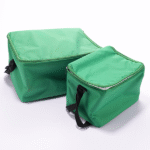
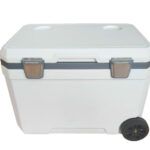
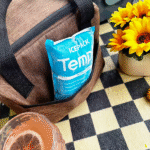
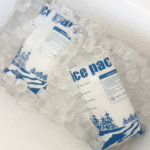
Os sistemas passivos dependem recipientes isolados, forros e pacotes de gel. Eles são modulares, leve e econômico, ideal para comércio eletrônico, entrega de última milha ou remessas curtas de exportação. Os pacotes de gel mantêm as temperaturas alvo por 24–72 horas e são mais limpos que gelo seco. Uso de sistemas ativos caminhões ou contêineres refrigerados (frigoríficos) que fornecem controle preciso de temperatura, especialmente para remessas de alto valor ou de longo curso. Sistemas híbridos combinam isolamento, materiais de mudança de fase (PCMs) e resfriamento ativo mínimo para equilibrar custo e desempenho.
| Opção de resfriamento | Características principais | Duração Aproximada | Benefícios práticos |
| Caixas isoladas | Materiais multicamadas (poliestireno, papel, algodão) transferência lenta de calor | 24–72 horas | Leve, barato e personalizável; melhor para remessas curtas. |
| Materiais de mudança de fase (PCMs) | Pacotes de gel ou PCMs avançados absorvem/liberam calor durante a mudança de fase | 24–96 horas | Mantenha a temperatura estável em uma faixa mais ampla; reutilizável; requer pré-condicionamento. |
| Contêineres ativos | Unidades de refrigeração motorizadas que oferecem controle preciso | ≥72 horas | Ideal para remessas de alto valor ou de longa distância; maior custo e peso. |
| Sistemas híbridos | Combine isolamento, PCMs e resfriamento ativo mínimo | 48–96 horas | Equilibre custo e desempenho; adaptável a vários climas. |
Lista de verificação de design de embalagem
Barreira primeiro: forre a caixa com materiais resistentes à umidade; isso bloqueia a umidade e evita o florescimento do açúcar.
Sem contato direto: coloque uma camada entre o refrigerante e o chocolate para evitar pontos frios que causam condensação.
Ajuste apertado: reduzir espaços vazios; espaço vazio excessivo permite a circulação de ar e acelera a transferência de calor.
Líquido refrigerante pré-condicionado: pacotes de gel ou PCMs devem ser condicionados à temperatura alvo antes de serem embalados; colocar bolsas geladas diretamente contra o chocolate causa condensação.
Escolha materiais sustentáveis: forros de papel compostáveis, espumas recicláveis e filmes biodegradáveis estão cada vez mais disponíveis; embalagens sustentáveis agora são uma expectativa da indústria.
Caso real: Uma loja especializada de feijão para bar na Califórnia envia pedidos on-line em contêineres passivos modulares com pacotes de gel. Durante o verão, programa entregas à noite e adiciona dessecantes para absorver a umidade, garantindo que cada barra chegue com o mesmo brilho e estalo da fábrica.
Gerenciando atividade de água e ingredientes
O controle da atividade da água é crucial para a vida útil. Mesmo que o chocolate puro tenha baixo a_w, a umidade pode entrar através de inclusões (fruta, nozes, recheios lácteos) ou de alta umidade. A umidade aumenta a atividade da água, tornando o chocolate menos estável. As inclusões introduzem água e açúcares que atraem umidade e encurtam a vida útil. Para maximizar a longevidade, Os fabricantes de feijão para barra devem ambos seco ingredientes corretamente e temperamento chocolate corretamente: o tempero adequado estabiliza os cristais de manteiga de cacau e evita o aparecimento de gordura.
Por que as inclusões encurtam a vida útil?
Recheios como creme, caramelo ou fruta aumentam a atividade de água acima 0.50. A alta atividade de água facilita o crescimento microbiano e acelera a cristalização do açúcar. É por isso chocolates recheados permanecem com qualidade máxima por apenas 2–4 meses, mesmo sob armazenamento ideal, enquanto barras escuras sólidas podem durar anos. As nozes também contribuem com óleos que oxidam rapidamente; pastas de nozes devem ser torradas e secas antes da inclusão.
| Tipo de produto | Impacto da atividade aquática | Prazo de validade | Dicas práticas |
| Feijão simples para barras de barra | Baixo a_w (<0.50) devido ao mínimo de água livre | ≥12 meses | Mantenha selado; guarde fresco e seco; ideal para remessas longas. |
| Trufas/chocolates recheados | Alto a_w de laticínios, fruta ou caramelo | 2–4 meses | Consumir rapidamente; use embalagens herméticas e refrigeração contínua se for enviar. |
| Inclusões de nozes | Os óleos oxidam e desenvolve-se ranço | 4–6 meses | Assar nozes para reduzir a umidade; vedação a vácuo para limitar o oxigênio. |
Passos simples para otimizar o prazo de validade
Mantenha os produtos acabados abaixo de a_w ≈ 0.60 – medir a atividade da água durante a produção ou confiar em certificados de fornecedores.
Selecione os ingredientes com cuidado – escolha inclusões de baixa umidade e trate-as por secagem ou revestimento.
Tempere adequadamente – estabilizar os cristais de manteiga de cacau dá ao chocolate seu brilho e brilho e reduz a formação de gordura.
Sele bem – use embalagens que protejam contra luz e umidade.
O controle da atividade da água não apenas prolonga a vida útil, mas também respeita a jornada do cacau desde o agricultor até o produtor. Cada passo, desde a colheita e fermentação até o transporte, influencia o sabor final e a longevidade.
Monitoramento e manutenção das condições durante o transporte
O sucesso da cadeia de frio depende do monitoramento contínuo e da intervenção rápida. Dispositivos IoT, Rastreadores GPS e registradores de dados fornecem visibilidade em tempo real da temperatura e umidade em toda a cadeia de abastecimento. Hardware para rastreamento da cadeia de frio contabilizado sobre 76 % de participação de mercado em 2022, refletindo a adoção generalizada. Quando os sensores detectam desvios, alertas permitem que a equipe redirecione remessas ou ajuste sistemas de refrigeração, reduzindo a deterioração e o desperdício.
Ferramentas tecnológicas para chocolate da cadeia de frio
Sensores de IoT: Rastrear localização, temperatura e umidade em tempo real; enviar alertas se os parâmetros saírem dos intervalos definidos.
Inteligência artificial (IA): Analise dados históricos e em tempo real para otimizar rotas, prever falhas de equipamentos e prever a demanda. O planejamento de rotas baseado em IA pode reduzir o tempo de trânsito e o uso de energia.
Blockchain e livros federados: Fornecer registros infalsificáveis de cada etapa da cadeia de fornecimento de cacau. Programas como Rainforest Alliance e Tony’s Chocolonely testaram o blockchain para verificar a sustentabilidade e a justiça.
Códigos QR & rastreabilidade digital: Permitir que os consumidores rastreiem as origens do cacau e o impacto ambiental, fortalecendo a confiança.
Manutenção preditiva: Use dados de sensores para detectar problemas de refrigeração antes que eles causem falhas no envio, permitindo reparos proativos.
Durante o transporte, pré-resfriar caminhões e contêineres antes de carregar, manter um estreito 13–18ºC banda com <50 % umidade, e reduzir o tempo de permanência nas docas de carregamento. Use materiais de amortecimento para evitar quebras e manter separados os produtos que emitem odores. O pré-resfriamento reduz as demandas de energia e minimiza o risco de condensação.
2025 últimos desenvolvimentos e tendências
Visão geral da tendência
O movimento do chocolate bean to bar continua a evoluir. Indulgência consciente, embalagens sustentáveis e cadeias de abastecimento rastreáveis não são mais opcionais; são expectativas dominantes. Um em cada três consumidores está disposto a pagar mais por chocolate com alegações de sustentabilidade verificadas. A crise dos preços do cacau de 2024–25 aumentou a consciência sobre as origens do cacau e as condições de trabalho, levando as marcas a fornecer dados claros de origem e impacto mensurável na comunidade.
As embalagens sustentáveis estão acelerando: sem plástico, embalagens compostáveis e biodegradáveis estão se tornando padrão, junto com recipientes recarregáveis e até conceitos de embalagens comestíveis. Ferramentas de rastreabilidade digital – códigos QR, monitoramento de satélite e blockchain – tornar as cadeias de suprimentos transparentes. Ingredientes funcionais (proteína, adaptógenos, probióticos) estão remodelando o chocolate, com consumidores que procuram benefícios para a saúde juntamente com a indulgência. Menor, formatos com porções controladas e embalagens que podem ser fechadas novamente apoiam lanches conscientes.
Último progresso em um olhar
Transparência & rastreabilidade: As plataformas digitais permitem que os consumidores vejam onde o cacau é cultivado e como os agricultores são compensados; marcas investem em códigos QR e monitoramento por satélite.
Embalagem sustentável: Compostável, embalagens biodegradáveis e recarregáveis estão se tornando referência; designs minimalistas usam menos tinta e menos materiais.
Fornecimento ético & agricultura regenerativa: Projetos de comércio direto e co-desenvolvimento com agricultores diferenciam marcas; práticas regenerativas e produção neutra em carbono ganham força.
Funcional & ingredientes saudáveis: Barras com infusão de proteínas, adaptógenos (maca, ashwagandha), probióticos e adoçantes naturais atendem às tendências de bem-estar.
Controle de porção & lanche: Os formatos de dose única e reutilizáveis suportam o consumo em movimento e reduzem o desperdício.
Perspectivas de mercado: O mercado de chocolate artesanal continua crescendo. Os produtos Bean to Bar alcançam preços premium graças ao seu alto teor de cacau e posicionamento ético. Enquanto isso, o mercado global de chocolate enfrenta desafios de abastecimento devido ao clima e às doenças, enfatizando a necessidade de uma gestão eficiente da cadeia de frio.
Insights de mercado
O mercado global de chocolate foi avaliado em mais de US$ 1,11 trilhão em 2023. O mau tempo e as doenças das culturas reduziram a produção de cacau em 12.9 %, dobrando preços e pressionando margens. Marcas de feijão para barra, que muitas vezes pagam aos agricultores um prémio por trabalho justo e de qualidade, devem proteger os seus investimentos através de uma melhor logística da cadeia de frio, inovação em embalagens e adoção de tecnologia. A crescente demanda por transparência e atributos de saúde sugere que os consumidores continuarão a recompensar marcas que oferecem qualidade excepcional e fornecimento ético.
Perguntas frequentes
Q1: Quanto tempo dura o chocolate amargo em barra?
Chocolate amargo de alta qualidade com 70 % cacau ou superior pode permanecer fresco por 18–24 meses quando fechado e armazenado em 60–70°F. Uma vez aberto, sua vida útil é reduzida pela metade para cerca de um ano. Mantendo a calma, seco e em um recipiente hermético preserva o sabor e a textura.
Q2: Devo refrigerar meu feijão para barrar chocolate?
Geralmente, não. A refrigeração introduz umidade e odores que causam o florescimento do açúcar e alteram o sabor. Refrigere apenas se a temperatura ambiente exceder 75 °F ou a umidade é muito alta; embrulhe bem e deixe a barra retornar à temperatura ambiente antes de desembrulhar.
Q3: O que é flor de chocolate, e é seguro?
Bloom aparece como uma camada branca ou cinza no chocolate. Flor gorda resulta de temperaturas quentes que fazem com que a manteiga de cacau se separe e solidifique novamente, enquanto flor de açúcar ocorre quando a umidade dissolve o açúcar e ele recristaliza. Bloom afeta a aparência e a textura, mas não torna o chocolate inseguro. Derreta o chocolate florido e tempere-o novamente ou use-o para assar.
Q4: O chocolate orgânico tem vida útil mais curta?
Sim. Chocolate orgânico proíbe emulsificantes, gorduras hidrogenadas e ceras que estabilizam barras convencionais. Sem esses aditivos, manteiga de cacau e açúcar são mais propensos a florescer e oxidar, portanto, as barras orgânicas exigem um controle mais rigoroso de temperatura e umidade.
Q5: Por que é importante controlar a atividade da água?
A atividade da água determina quanta água livre está disponível para o crescimento microbiano e reações químicas. A maioria dos micróbios precisa de um a_w acima 0.8; chocolate fica por aí 0.30–0,50. No entanto, inclusões e alta umidade podem aumentar a_w, encurtando a vida útil. Mantenha a_w abaixo 0.60 e use ingredientes com baixa umidade.
Resumo e recomendações
Takeaways -chave:
Controle a atividade e composição da água – chocolate simples de feijão em barra tem baixa atividade de água (0.30–0,50), dando-lhe uma longa vida útil, enquanto as inclusões aumentam a umidade e reduzem a longevidade.
Mantenha temperatura e umidade adequadas – guarde o chocolate entre 12 °C e 20 °C com umidade relativa sob 50 %; evite refrigeração e congelamento, a menos que seja absolutamente necessário.
Crie embalagens eficazes – use barreiras multicamadas, MAP e contêineres isolados; escolha passivo, sistemas ativos ou híbridos dependendo da duração e valor da remessa.
Monitore a cadeia de frio – Sensores IoT, IA e blockchain fornecem visibilidade em tempo real, otimização e rastreabilidade de rotas.
Adote práticas sustentáveis e transparentes – os consumidores exigem fornecimento ético e embalagens ecológicas. Investir na agricultura regenerativa e na rastreabilidade digital gera confiança e posicionamento premium.
Ações recomendadas:
Desenvolva um protocolo de cadeia de frio. Projeto de procedimentos operacionais padrão cobrindo pré-resfriamento, embalagem, transporte e entrega. Treine a equipe para responder rapidamente às variações de temperatura.
Escolha o sistema de embalagem certo. Para entregas locais (<72 horas), isolamento passivo com pacotes de gel pode ser suficiente. Para remessas internacionais ou produtos de alto valor, invista em contêineres híbridos ou ativos e inclua registradores de dados.
Implementar monitoramento contínuo. Implante sensores IoT e integre painéis alimentados por IA para otimizar rotas e prever falhas.
Promova a sustentabilidade. Use materiais de embalagem compostáveis ou recicláveis e forneça informações claras sobre as origens do cacau por meio de códigos QR.
Envolva os clientes. Educar os consumidores sobre as práticas de armazenamento e incentivá-los a manter a qualidade em casa. Forneça instruções na embalagem ou por meio de um código QR com link para uma página de cuidados.
Sobre Tempk
Tempk é um fornecedor de soluções para cadeia de frio especializado em embalagens isoladas reutilizáveis e recicláveis, materiais de mudança de fase e sistemas de monitoramento de temperatura. Nós nos concentramos em comida, setores farmacêutico e de fabricação de precisão, e nosso R&A equipe D testa continuamente materiais e projetos para oferecer desempenho térmico confiável. Nossas caixas isoladas e pacotes de gel ajudar a manter o chocolate em 15–20 °C para 48–96 horas, permitindo que os fabricantes de grãos em barra enviem chocolate artesanal para todo o mundo sem comprometer a qualidade. Nós também oferecemos Registradores de dados habilitados para IoT e software de otimização de rotas que se integram à sua plataforma logística, proporcionando visibilidade e análises em tempo real.
PRÓXIMOS PASSOS: Se você está pronto para prolongar a vida útil do seu chocolate ou tem dúvidas sobre a embalagem ideal, entre em contato com nossa equipe para uma solução personalizada. Ajudaremos você a criar um plano de cadeia de frio que equilibre os custos, sustentabilidade e qualidade.