O que torna uma caixa térmica EPP empilhável grande a escolha inteligente para 2025?
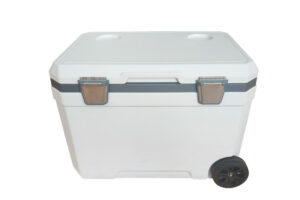
O caixa refrigeradora EPP empilhável grande está transformando a cadeia de frio. Em termos simples, é um recipiente leve, porém robusto, feito de polipropileno expandido (EPP) espuma que mantém a estabilidade da temperatura por dias. Este artigo explica como uma grande caixa térmica EPP empilhável pode aumentar sua eficiência logística e proteger produtos sensíveis à temperatura. Você aprenderá sobre as propriedades únicas do material, como sua capacidade de manter vacinas entre 2 e 8 °C ou produtos congelados a -18 °C por 72 a 96 horas, enquanto estiver por perto. 50 % mais leve que o Poliestireno Expandido tradicional (EPS) refrigeradores. Exploraremos recursos de design, casos de uso do mundo real, 2025 tendências de mercado e dicas para selecionar o modelo certo.
(O que você aprenderá)
Vantagens materiais: Por que a estrutura de células fechadas do EPP oferece isolamento superior e resistência ao choque em comparação com o EPS.
Benefícios do design empilhável: Como as tampas interligadas e os designs de retorno encaixáveis economizam espaço e reduzem as emissões.
Aplicações industriais: Maneiras de comer, empresas farmacêuticas e de comércio eletrônico usam grandes Caixas frigoríficas EPP para cumprir metas regulatórias e de sustentabilidade.
Dicas de seleção: Orientação sobre como escolher a espessura correta da parede, densidade e acessórios para diferentes durações de envio.
2025 tendências: Estatísticas recentes de mercado e inovações que tornam o EPP o material preferido para refrigeradores reutilizáveis.
O que é uma caixa térmica EPP empilhável grande e como ela beneficia sua cadeia de frio?
Principais benefícios explicados
Polipropileno Expandido (EPP) não é sua espuma típica. Milhares de células fechadas retêm o ar para formar uma barreira robusta contra a transferência de calor. Comparado com EPS, EPP bloqueia o calor 30 % de forma mais eficaz e pesa aproximadamente 50 % menos. Isso significa que uma grande caixa térmica EPP empilhável mantém o conteúdo frio ou quente por mais tempo, reduzindo o peso do transporte e os custos de combustível. Como o EPP é um termoplástico único, isso é 100 % reciclável e resiste à umidade, óleos e solventes. O material mantém a integridade estrutural de –40 °C a +110 °C, tornando-o adequado para vacinas ultrafrias ou entregas de refeições quentes.
Durabilidade e reutilização
A robustez do EPP o diferencia das espumas descartáveis. Classes de alta densidade (40–60 kg/m³) oferecem resistência máxima para cargas pesadas, enquanto densidades médias economizam peso. Caixas EPP pode ser reutilizado mais do que 500 vezes, voltando após o impacto e absorvendo choques que quebrariam o EPS. Alguns contêineres são testados para suportar resistências à compressão de 0,3–2,5 MPa e absorção de energia de 20–40 kJ/m², garantindo que suas mercadorias permaneçam seguras mesmo sob manuseio brusco. Após sua longa vida útil, As caixas de EPP podem ser trituradas e remodeladas em novos produtos, apoiando iniciativas de economia circular.
Desempenho de temperatura
Grandes refrigeradores EPP empilháveis mantêm as vacinas dentro 2–8 ° C. ou itens congelados em –18ºC para 72–96 horas quando emparelhado com pacotes de gel ou painéis isolados a vácuo. Este tempo de espera prolongado reduz a necessidade de substituição frequente de gelo e simplifica o roteamento para remessas de longa distância. Em contraste, refrigeradores EPS básicos normalmente mantêm a temperatura por apenas 24–48 horas. Alguns projetos de alta densidade até mantiveram as vacinas de mRNA a –90 °C durante o transporte de vários dias, enquanto os coolers EPS mais baratos falharam.
Como o design empilhável economiza espaço e melhora a logística?
Recursos de intertravamento e aninhamento
As caixas EPP empilháveis são projetadas com geometrias moldadas que se interligam quando cheias e se aninham umas nas outras quando vazias. Este design maximiza a utilização do espaço: caixas cheias podem ser dispostas em colunas estáveis em paletes ou em vans de entrega, enquanto as caixas vazias se aninham para reduzir o volume de retorno em até 60 %. Alguns modelos apresentam ranhuras e clipes embutidos que melhoram a vedação da tampa em cerca de 30 % e fornece pontos de aderência para tiras ou etiquetas RFID, permitindo empilhamento seguro em caminhões refrigerados.
Comparação com outros contêineres
A tabela abaixo contrasta caixas EPP empilháveis com recipientes rígidos de EPS e caixas dobráveis caixas de plástico. Observe como o EPP combina desempenho térmico, durabilidade e benefícios ergonômicos.
| Recurso | Caixa EPP empilhável | Recipiente EPS rígido | Caixa de plástico dobrável | Significado para você |
| Empilhabilidade | Lábios entrelaçados permitem empilhamento vertical seguro; aninhado quando vazio | Normalmente não empilhável; bordas comprimem sob peso | Dobrável, mas as dobradiças podem quebrar após uso repetido | O empilhamento eficiente reduz o espaço ocupado pelo armazenamento e os custos de frete de retorno |
| Desempenho térmico | Mantém o frio por 72 a 96 horas | Mantém o frio por 24 a 48 horas | Isolamento limitado; requer forros adicionais | Tempos de espera mais longos significam menos perdas por deterioração e menos elementos de resfriamento |
| Durabilidade & ciclos de reutilização | 500 + ciclos de reutilização | Uso único | 50–100 ciclos dependendo da qualidade | A longa vida útil reduz o custo total e o desperdício |
| Peso | Até 50 % mais leve que EPS | Mais pesado em relação à força | Peso semelhante, mas isolamento mais fraco | A leveza melhora a ergonomia e reduz o consumo de combustível |
Benefícios logísticos do mundo real
Caixas EPP empilháveis não são apenas soluções teóricas. Um serviço de entrega de supermercado usando uma caixa EPP empilhável de 52 litros relatou embalagem mais fácil, melhor estabilidade de empilhamento e 20 % redução nos custos de transporte de retorno porque caixas vazias aninhadas durante o back haul. Outro distribuidor adotou caixas EPP compactas com sensores IoT e placas eutéticas, manter a estabilidade da temperatura de 72 a 96 horas e, ao mesmo tempo, reduzir as perdas por deterioração da vacina devido US$ 1,2 milhão a zero.
Onde você pode usar uma grande caixa térmica EPP empilhável?
Logística alimentar e catering
As empresas do setor alimentar exigem temperaturas consistentes e resistência ao choque para fornecer produtos frescos. A capacidade do EPP de manter o conteúdo frio ou quente por dias e resistir a impactos o torna ideal para bandejas de catering, kits de refeição e remessas de produtos. A série Thermobox da Tribeca é feita de EPP de alta densidade, praticamente inquebrável e extremamente leve. Pode armazenar alimentos de –40 °C a 120 °C, com perda de temperatura tão pequena quanto 1–2 °C por hora quando o contêiner acabar 75 % completo. Estas caixas são empilháveis, fácil de transportar e seguro para contato direto com alimentos. Eles também podem ser lavados na máquina de lavar louça e totalmente recicláveis, garantindo higiene e sustentabilidade.
Remessas farmacêuticas e de ciências biológicas
Os distribuidores farmacêuticos precisam de recipientes que garantam um controle preciso da temperatura e cumpram regulamentações rigorosas. As caixas EPP mantêm as vacinas dentro dos limites regulamentados por até 96 horas. Eles também são aprovados para contato com alimentos (CE 1935/2004) e não contêm clorofluorcarbonos (CFC). Para produtos farmacêuticos de alto risco, emparelhar caixas EPP com sensores IoT permite monitoramento de temperatura e localização em tempo real, garantindo conformidade e rastreabilidade.
Serviços de comércio eletrônico e kits de refeição
As empresas de comércio eletrônico que enviam kits de refeição ou produtos sensíveis à temperatura precisam de embalagens que equilibrem o isolamento, branding e eficiência de custos. As caixas EPP podem ser personalizadas em tamanho, cor e marca; alguns fornecedores até integram logotipos de empresas diretamente na espuma. Porque as caixas são leves e reutilizáveis, eles reduzem os custos de frete e apoiam compromissos ambientais. Projetos encaixáveis economizam espaço de armazenamento em centros de distribuição, e as opções dobráveis reduzem o volume da viagem de volta em até 60 %.
Aplicações industriais e pesadas
Para remessas a granel de frutos do mar, produtos químicos ou eletrônicos, grandes resfriadores EPP empilháveis suportam cargas pesadas sem deformar. EPP de alta densidade (até 100 kg/m³) suporta cargas compressivas e pode integrar inserções ou partições personalizadas. Algumas unidades vêm com ranhuras para cintas de paletes, Etiquetas e alças RFID, permitindo o empilhamento seguro dentro de caminhões refrigerados. Quando usado em logística de circuito fechado, versões dobráveis ou aninhadas salvam 60 % espaço no retorno, reduzindo as emissões de carbono e os custos de armazenamento.
Como escolher a grande caixa térmica EPP empilhável certa
Determine o tempo de espera e a espessura da parede
O primeiro passo é decidir quanto tempo seus produtos devem permanecer dentro de uma faixa de temperatura específica. Entregas locais até 24 horas muitas vezes exigem 1 paredes de espuma de polegada e pacotes de gel, enquanto remessas regionais (24–72 horas) beneficiar de 1.5 paredes de polegadas e painéis isolados a vácuo. Remessas internacionais excedendo 72 horas pode precisar 2 paredes de polegadas combinado com materiais de mudança de fase. A seleção da espessura certa garante o uso eficiente do líquido refrigerante e mantém o refrigerador leve.
Considere a densidade e a carga útil
Combine a densidade da espuma com o peso do seu produto. Densidades mais altas (40–60 kg/m³ ou mais) suportar itens pesados ou frágeis sem deformação. Densidades médias economizam peso para cargas mais leves. Verifique sempre os valores de resistência à compressão e absorção de energia fornecidos pelo fabricante; por exemplo, alguns modelos suportam choques e deformações repetidas sem rachar.
Observe a capacidade de empilhamento e a logística de devolução
Escolha um design que se encaixe com segurança quando estiver cheio e se encaixe quando estiver vazio. As tampas interligadas melhoram a estabilidade durante o transporte e reduzem o risco de tombamento. Projetos encaixáveis economizam até 60 % espaço na viagem de volta, reduzindo custos e emissões de backhaul. Se você opera em um sistema de malha fechada, considere caixas dobráveis; estes entram em colapso para uma fração do seu tamanho total, reduzindo ainda mais os custos de logística de devolução.
Avalie a sustentabilidade e o fim da vida
A produção de EPP consome menos energia e emite menos gases de efeito estufa do que muitas alternativas. Porque o EPP é 100 % reciclável, você pode participar de programas de devolução de fornecedores para apoiar a economia circular. Verifique se o seu fornecedor oferece conteúdo EPP reciclado ou esquemas de devolução e procure certificações (por exemplo, ISO 9001, ISO 13485) que garantem qualidade e conformidade.
Equilibre o custo e o retorno do investimento
Grandes refrigeradores EPP custam mais antecipadamente – cerca de US$ 80 contra US$ 25 para um refrigerador EPS descartável - mas o período de retorno normalmente é inferior 18 meses. Reutilizar um recipiente de EPP semanalmente pode substituir milhares de caixas descartáveis, reduzindo taxas de descarte, impostos sobre carbono e custos de aquisição. Programas de leasing estão disponíveis para distribuir o investimento ao longo do tempo.
Quais são as características essenciais de uma caixa térmica EPP empilhável de alta qualidade?
Material e construção
EPP resistente a choques: O EPP de alta densidade torna a caixa resistente à quebra e leve. Combina a facilidade do isopor com extrema resistência à fratura e ao impacto, proporcionando uma longa vida útil.
Ampla faixa de temperatura: Os recipientes EPP podem ser usados a partir de –40 °C a +120 °C, retendo o sabor, estabilidade de odor e ácido mesmo durante transporte longo. Modelos como o Tribeca Thermobox são seguros para temperaturas quentes, alimentos frios e frescos.
Tampa bem ajustada: Uma tampa segura veda firmemente para minimizar a perda de temperatura e garante um empilhamento seguro. Alguns designs apresentam ranhuras e clipes embutidos que melhoram a vedação, 30 %.
Segurança em contato com alimentos: As caixas EPP são certificadas pela CE 1935/2004 para contato direto com alimentos e não contém CFCs. Eles são fáceis de limpar e totalmente laváveis na máquina de lavar louça.
Reciclabilidade: No final de sua vida, Caixas EPP podem ser trituradas, calçada remodelada ou reciclada. Muitos fabricantes oferecem programas de devolução.
Opções de design e personalização
Tampas interligadas e costelas empilhadas: Eles permitem empilhamento vertical seguro e aninhamento quando vazio. Alguns modelos integram alças ou ranhuras para cintas de paletes e etiquetas RFID para rastreamento.
Ferramentas úteis de decisão
Verifique os detalhes antes de escolher a embalagem
Essas ferramentas rápidas podem ajudá-lo a comparar o risco da rota, necessidades de dimensionamento, escolhas de refrigerante, e detalhes da embalagem antes de solicitar um orçamento.
Gerador de lista de conformidade
Crie uma lista de verificação prática para revisão de embalagens, envio, e documentação.
Lista de verificação de construçãoForro de caixa & Dimensionamento da cobertura de paletes
Verifique a lógica de dimensionamento do forro da caixa e da tampa do palete para projetos de embalagens isoladas.
Dimensionamento estimadoCalculadora de acumuladores de frio
Estime a quantidade de bolsas de gelo em gel para remessas refrigeradas e planejamento prático de rotas.
Estimar bolsas de geloMarca e cores: Os fabricantes personalizam caixas térmicas EPP com logotipos, tons personalizados e alças ergonômicas. Isso ajuda a alinhar sua embalagem com a identidade corporativa.
Acessórios: As opções incluem placas eutéticas, pacotes de gel, materiais de mudança de fase e painéis isolados a vácuo para prolongar o tempo de espera. Sensores IoT fornecem dados de temperatura e localização em tempo real.
Dicas e conselhos práticos
Pré-condicione sua caixa: Resfrie placas eutéticas ou bolsas de gelo durante a noite e pré-resfrie a caixa EPP antes de carregar. Isto prepara o isolamento e prolonga o tempo de espera.
Carregue com eficiência: Preencha o espaço vazio com amortecedores térmicos ou divisórias para reduzir o volume de ar e minimizar as flutuações de temperatura.
Selar bem: Certifique-se de que as tampas se encaixem perfeitamente; ranhuras e clipes embutidos podem melhorar o isolamento em até 30 %.
Escolha o tamanho certo: O sobredimensionamento aumenta o espaço vazio e reduz o tempo de espera. Selecione um volume que corresponda à sua carga útil.
Empilhe com sensatez: Alinhe as caixas de modo que as bordas interligadas se encaixem e evite empilhar além das cargas nominais para evitar deformação.
Use retornos aninhados: Invista em designs encaixáveis para que as caixas vazias se aninhem durante as viagens de volta, economizando espaço no caminhão e reduzindo as emissões.
Implementar monitoramento de IoT: Combine caixas EPP com sensores de temperatura e umidade para receber avisos antecipados de excursões e manter a conformidade.
Caso real: Um distribuidor farmacêutico trocou recipientes de EPS descartáveis por recipientes de EPP reutilizáveis, implementou rastreamento IoT e placas eutéticas, manteve a estabilidade de 72 a 96 horas e eliminou US$ 1,2 milhão em resíduos de vacinas. Um serviço de entrega de supermercado adotou uma caixa EPP empilhável de 52L, melhorando a estabilidade do empilhamento e reduzindo os custos de transporte de retorno, 20 %.
2025 desenvolvimentos e tendências de mercado para caixas frigoríficas EPP empilháveis
Visão geral da tendência
O mercado global de caixas térmicas foi avaliado em USD 6.15 bilhão em 2024 e está projetado para crescer até USD 6.80 bilhão em 2025 e alcance USD 14.28 bilhão por 2032, exibindo um CAGR de 11.23 %. Os refrigeradores reutilizáveis detêm a maior participação nas receitas devido aos preços médios de venda mais elevados e ao menor custo de utilização. A América do Norte foi responsável 41.3 % do mercado em 2024. Os impulsionadores do crescimento incluem estilos de vida móveis, aumento da entrega de alimentos e da demanda por logística da cadeia de frio, e convergência tecnológica, como unidades alimentadas por bateria.
Impulso da sustentabilidade e mudanças de materiais
A pressão regulamentar contra o EPS de utilização única e a procura dos consumidores por produtos mais ecológicos estão a remodelar o mercado. Vários EUA. estados proibiram certos recipientes de espuma de poliestireno expandido. Os fabricantes estão mudando para materiais recicláveis ou reutilizáveis, como EPP, que oferece resistência superior ao impacto, resiliência, Propriedades livres de BPA e não tóxicas. Os refrigeradores reutilizáveis representam cerca de dois terços da receita e continuam a crescer mais rapidamente do que os descartáveis.
Inovação e tecnologia
Em 2025, caixas EPP empilháveis estão sendo aprimoradas com IoT e IA. Sensores inteligentes monitoram temperatura e umidade, enviando alertas se as condições se desviarem. Algumas caixas integram GPS e RFID para rastreamento e verificação da cadeia de custódia. Há também um crescimento em projetos híbridos que combinam isolamento EPP com resfriamento ativo – unidades assistidas por bateria ou compressores – para atender a tempos de espera estendidos e necessidades regulatórias. Os fabricantes estão explorando o conteúdo de EPP reciclado e aditivos de base biológica para melhorar ainda mais a sustentabilidade.
Oportunidades de mercado
Prêmio, refrigeradores portáteis eletrificados criam oportunidades lucrativas de crescimento, especialmente para entrega lastmile e clínicas móveis. Os refrigeradores EPP alimentados por bateria com telemática podem manter a temperatura sem gelo e integrar-se aos sistemas de gerenciamento de frota. Adicionalmente, os programas de aluguer e devolução reduzem os custos iniciais e alinham-se com os objetivos da economia circular.
Restrições de mercado
Apesar do forte crescimento, o mercado enfrenta desafios. Regulamentações ambientais aumentam os custos de conformidade, e a volatilidade dos preços dos insumos para plásticos e espumas pressionam as margens. As unidades alimentadas por bateria devem cumprir as regras de segurança para células de lítio. Os fabricantes devem investir em reprojetos para atender aos mandatos de sustentabilidade, o que pode retardar a adoção entre compradores sensíveis ao preço.
Perguntas frequentes (Perguntas frequentes)
O que torna uma caixa térmica EPP empilhável grande diferente de um refrigerador normal?
Uma caixa térmica EPP empilhável grande usa espuma EPP de célula fechada, que bloqueia a transferência de calor sobre 30 % de forma mais eficaz e pesa aproximadamente 50 % menos do que os coolers EPS típicos. As caixas se interligam e se aninham, economizando espaço no transporte. Eles também suportam 500 + ciclos de reutilização, ao contrário do EPS de uso único.
Por quanto tempo um refrigerador EPP pode manter a temperatura?
Com 1.5 paredes de polegadas e pacotes de gel ou painéis isolados a vácuo, Os refrigeradores EPP mantêm as vacinas a 2–8 °C ou os produtos congelados a –18 °C durante 72–96 horas. Projetos de alta densidade combinados com materiais de mudança de fase podem estender o tempo de espera além 96 horas.
As caixas EPP empilháveis são seguras para contato com alimentos??
Sim. Os refrigeradores EPP são certificados pela CE 1935/2004 para contato direto com alimentos e são isentos de clorofluorcarbonos (CFC). Eles são higiênicos, pode ser lavado na máquina de lavar louça e resiste a óleos, umidade e solventes.
Qual é a faixa de temperatura dos resfriadores EPP?
Os resfriadores EPP de alta qualidade suportam temperaturas de –40 °C a +110 °C (ou até +120 °C para alguns modelos) mantendo a integridade estrutural. Eles são adequados para produtos farmacêuticos ultrafrios, pratos quentes de catering e tudo mais.
Quantas vezes posso reutilizar um cooler EPP?
Os refrigeradores EPP podem ser reutilizados mais do que 500 vezes porque a espuma recupera após a compressão e resiste a rachaduras. Limpeza e inspeção adequadas prolongam sua vida útil.
As caixas EPP empilháveis custam mais?
Eles custam mais adiantado – cerca de US$ 80 contra US$ 25 para um refrigerador EPS descartável – mas o investimento compensa dentro de 18 meses porque você os reutiliza centenas de vezes e evita taxas de descarte.
Resumo e recomendações
As grandes caixas frigoríficas EPP empilháveis estão redefinindo a logística da cadeia de frio. Sua espuma de célula fechada retém o ar para fornecer isolamento superior, permitindo que você mantenha vacinas, refeições ou frutos do mar em temperaturas precisas por até quatro dias. Eles estão por perto 50 % mais leve que as caixas EPS tradicionais, resiste a impactos e pode ser reutilizado 500 vezes. Tampas interligadas e designs encaixáveis economizam até 60 % espaço de retorno, reduzindo custos de frete e emissões de carbono. Além disso, EPP é 100 % reciclável e produz menos emissões de gases de efeito estufa do que muitas alternativas. O 2025 perspectivas de mercado indicam rápido crescimento em refrigeradores reutilizáveis, impulsionado por mandatos de sustentabilidade e inovações tecnológicas.
PRÓXIMOS PASSOS
Avalie suas necessidades: Identifique o tempo de espera necessário, peso da carga útil e requisitos regulamentares para suas remessas. Isso determina a espessura da parede, densidade e acessórios.
Escolha um fornecedor confiável: Procure produtos certificados para contato com alimentos e testados sob sistemas de qualidade ISO. Certifique-se de que eles oferecem opções de personalização e suporte pós-venda.
Implementar melhores práticas: Caixas de pré-condição, carregue com eficiência e feche bem as tampas para maximizar o tempo de espera. Invista em sensores IoT para monitorar temperatura e localização.
Plano para a sustentabilidade: Selecione designs encaixáveis ou dobráveis para economizar frete de retorno, e participar de programas de reciclagem para fechar o ciclo.
ROI avaliado: Compare o custo das caixas EPP reutilizáveis com alternativas descartáveis, contabilizando ciclos de reutilização, taxas de descarte e conformidade ambiental.
Sobre Tempk
Tempk é um fornecedor líder de soluções de embalagem para cadeia de frio. Com sede em Xangai, a empresa projeta e fabrica caixas térmicas EPP reutilizáveis, pacotes de gel e sacos isolados. Com mais de duas décadas de experiência, obtivemos a certificação CNAS e operamos um laboratório certificado pelo CNAS. Nossos produtos são exportados para todo o mundo e conhecidos por sua durabilidade leve e design ecológico. Nós nos concentramos em inovações como contêineres habilitados para IoT e soluções personalizadas para alimentos, produtos farmacêuticos e aplicações industriais. A missão da Tempt é ajudar os clientes a manter a integridade da temperatura e, ao mesmo tempo, reduzir o impacto ambiental.
Chamado à ação: Pronto para atualizar sua logística de cadeia de frio? Entre em contato com nossa equipe para uma consulta gratuita e descubra como uma caixa térmica empilhável EPP grande pode aprimorar seu negócio. Ajudaremos você a escolher o tamanho certo, configuração e acessórios para atender às suas necessidades.