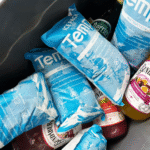
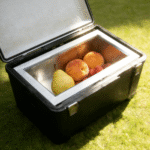
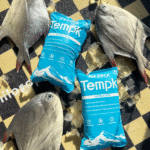
Caixas molhadas, vazando pacotes de gel, rótulos suavizados, condensação, e a desembalagem bagunçada pode prejudicar a confiança do cliente, mesmo quando o produto ainda está frio. Para entrega de alimentos, mercado, frutos do mar, farmacêutico, e remessas de cadeia de frio de comércio eletrônico, o controle de umidade faz parte do design da embalagem. Não deve ser tratado como uma reflexão tardia.
Este artigo explica por que as embalagens da cadeia de frio ficam molhadas e como reduzir falhas de umidade usando embalagens de gel melhores, forros, materiais absorventes, projeto de fechamento, proteção da caixa, e controles de armazém. Ele também conecta o controle de umidade com a segurança alimentar, risco de rota, e experiência do cliente.
Por que as caixas da cadeia de frio ficam molhadas
Uma remessa da cadeia de frio pode ficar molhada por diversas fontes. Pacotes de gel congelado podem acumular condensação quando expostos ao ar quente e úmido. A purga do produto pode escapar da carne, frutos do mar, ou alimentos preparados. O gelo molhado pode derreter. Uma vedação de gel pode falhar. Uma caixa pode absorver umidade se o revestimento estiver faltando ou mal fechado. As etiquetas podem amolecer quando colocadas em superfícies expostas à condensação.
A solução nem sempre é “usar menos bolsas de gelo.” A melhor abordagem é identificar a fonte de umidade e projetar uma barreira, absorção, ou estratégia de separação.
Referências de controle de umidade baseadas na fonte
| Referência baseada na fonte | Significado prático para embalagem |
|---|---|
| A FedEx recomenda o uso de um revestimento plástico para remessas perecíveis. | Um forro ajuda a proteger a caixa contra umidade e vazamentos. |
| A FedEx recomenda material absorvente dentro de remessas perecíveis. | Absorventes podem capturar condensação, água derretida, ou vazamento do produto. |
| A FedEx recomenda o ensacamento duplo de gelo úmido com sacos plásticos estanques de no mínimo 2 mil quando gelo úmido for usado. | O gelo úmido requer uma contenção de líquidos mais forte do que os pacotes de gel. |
| FDA afirma que alimentos frios devem ser mantidos a 40°F / 4°C ou abaixo. | O controle de umidade não deve comprometer a proteção da temperatura dos alimentos. |
| A FDA observa que alimentos perecíveis não devem permanecer na zona de perigo de 40°F-140°F por mais de 2 horas, ou 1 hora acima de 90°F. | Se a redução das bolsas de gelo aumentar a temperatura do produto, o pacote não é aceitável. |
Tabela de análise de falha de umidade
| Modo de falha | Provável causa raiz | Correção de embalagem | Verificação de controle de qualidade |
|---|---|---|---|
| Caixa externa molhada | Sem forro de plástico, mau fechamento do forro, condensação movendo-se para papelão ondulado. | Adicionar forro selado, melhorar o fechamento da aba, proteger a área da etiqueta. | Verifique a superfície da caixa após a rota simulada. |
| Vazamento de pacote de gel | Selo fraco, punção, borda afiada do produto, baixa espessura do filme, estresse congelante. | Use filme mais forte, teste de vedação, bordas arredondadas da embalagem, separação de produtos. | Verificação de queda e compressão com pacote completo. |
| Condensação no produto | Líquido refrigerante congelado tocando ar quente e úmido ou superfície do produto. | Adicionar buffer, embrulhar produto, melhorar o layout da zona fria. | Inspecione a desembalagem após exposição ao calor. |
| Etiqueta de remessa úmida | Etiqueta colocada perto do caminho de condensação ou da superfície superior do líquido refrigerante. | Mover localização da etiqueta, adicionar bolsa de etiqueta, mantenha a parte superior seca. | Confirme a legibilidade do código de barras após o teste. |
| Vazamento de purga do produto | Carne, frutos do mar, ou bandejas de refeição liberam líquido. | Use embalagens primárias seladas e absorventes. | Verificação de inclinação e vibração. |
| Cliente vê gel bagunçado | Pacote de gel danificado ou faltando instruções de descarte. | Use embalagens resistentes a vazamentos e instruções claras sobre embalagens frias. | Revise os dados de reclamação do cliente. |
Projete a embalagem para umidade antes de dimensionar
Problemas de umidade aparecem frequentemente durante o aumento de escala. Uma amostra embalada cuidadosamente por um engenheiro pode parecer limpa, enquanto uma embalagem de produção montada rapidamente pela equipe do armazém pode deixar o forro aberto, coloque os pacotes de gel incorretamente, ou esmague uma bandeja de produto. Por esse motivo, o controle de umidade deve ser incluído nas instruções de embalagem.
Uma boa instrução deve mostrar para onde vai o revestimento, para onde vai a camada absorvente, como os pacotes de gel são colocados, qual lado está voltado para o produto, como os produtos são separados, e onde a etiqueta de envio deve ser aplicada. Se a embalagem utilizar produtos úmidos, como frutos do mar ou carne, a instrução também deve especificar a quantidade do absorvente e a orientação da embalagem primária.
Seleção de pacote de gel para prevenção de vazamentos
Um pacote de gel para envio de cadeia a frio deve ser selecionado por mais do que preço. Resistência do filme, qualidade do selo, design de borda, preencher peso, comportamento de congelamento, e a colocação da caixa afetam o risco de vazamento. Uma embalagem fina pode ser mais barata, mas pode falhar durante o congelamento, compressão, ou manuseio. Uma embalagem congelada muito grande pode danificar alimentos moles se se deslocar durante o transporte.
Para embalagens de gel de marca própria ou de marca, a impressão não deve enfraquecer a embalagem ou reduzir a integridade do selo. O projeto também deve incluir instruções para congelamento, manuseio, e descarte. Se o cliente reclamar de vazamento de embalagens, a reputação da marca é prejudicada mesmo quando a temperatura dos alimentos é aceitável.
Controle de condensação sem perder desempenho térmico
Reduzir a condensação não deve significar remover muito líquido refrigerante. Para alimentos refrigerados, A orientação de temperatura da FDA continua sendo a prioridade. Se o produto aquecer acima da faixa aceitável, o pacote não faz sucesso só porque está seco.
Ferramentas úteis de decisão
Verifique os detalhes antes de escolher a embalagem
Essas ferramentas rápidas podem ajudá-lo a comparar o risco da rota, necessidades de dimensionamento, escolhas de refrigerante, e detalhes da embalagem antes de solicitar um orçamento.
Verificador de risco de rota
Revise as condições da pista antes de selecionar a embalagem para requisitos operacionais reais.
Verifique o risco da rotaCalculadora de bolsa de gelo
Estime a quantidade de bolsas de gelo em gel para remessas refrigeradas e planejamento prático de rotas.
Estimar bolsas de geloReferência de material de isolamento
Compare as opções de materiais de isolamento para diferentes necessidades de embalagens da cadeia de frio.
Compare materiaisUm melhor controle de condensação geralmente vem de um layout mais inteligente: mantenha os pacotes de gel congelados separados das superfícies dos produtos sensíveis à umidade, reduzir o espaço livre, use uma barreira de vapor ou líquido, adicione material absorvente, e combine a quantidade do pacote de gel com a duração do percurso. Em alguns casos, Pacotes de PCM ou pacotes de gel condicionado podem reduzir superfícies extremamente frias e melhorar o desempenho sem congelamento.
Lista de verificação de projeto de controle de umidade
| Pergunta de design | Por que isso importa |
|---|---|
| A embalagem externa está protegida da umidade interna? | O papelão ondulado perde resistência e as etiquetas podem falhar quando molhadas. |
| Existe um forro de plástico ou barreira contra umidade? | Evita que vazamentos cheguem à embalagem externa. |
| O material absorvente é incluído quando necessário? | Captura a eliminação do produto, condensação, ou água derretida. |
| Os pacotes de gel são separados de produtos pontiagudos? | Reduz o estresse de perfuração e vedação. |
| A embalagem do produto é resistente a vazamentos? | A falha na embalagem primária pode ser atribuída à embalagem da cadeia de frio. |
| A etiqueta é colocada em uma superfície seca? | A legibilidade do código de barras afeta a entrega e o recebimento. |
| O pacote completo foi testado após mudanças de orientação? | As encomendas nem sempre são mantidas em pé. |
| O cliente sabe o que fazer com o pacote de gel? | Instruções claras reduzem reclamações e uso indevido. |
Controles de processos de armazém
Mesmo o melhor projeto de controle de umidade pode falhar se o processo de armazenamento for inconsistente. Os pacotes de gel devem ser congelados ou acondicionados de acordo com a especificação. Os revestimentos devem ser totalmente abertos e fechados corretamente. O produto deve ser embalado na temperatura inicial exigida. As caixas não devem permanecer abertas no ar quente e úmido por muito tempo. Pacotes de gel molhados ou danificados devem ser rejeitados antes de serem embalados.
Para programas empresariais, incluir verificações de umidade no plano de qualidade. Inspecione as vedações do pacote de gel, secura da caixa, legibilidade do rótulo, fechamento do forro, e integridade da bandeja do produto. Rastreie reclamações de clientes por via, temporada, e mudança de empacotador. Esses dados podem revelar se o problema é material, problema de rota, ou problema de processo.
Perguntas frequentes
Por que minha caixa da rede de frio está molhada se a embalagem de gel não está vazando?
A condensação pode se formar quando superfícies frias encontram ar quente e úmido. A purga do produto ou a falha do revestimento também podem molhar a caixa, mesmo que o próprio pacote de gel esteja intacto.
Devo remover os pacotes de gel para impedir a condensação?
Não sem testes. A remoção dos pacotes de gel pode reduzir a umidade, mas também pode causar falha de temperatura. Melhorar barreiras, absorvente, colocação, e design da embalagem primeiro.
Qual é a melhor maneira de proteger as etiquetas de envio?
Coloque etiquetas em superfícies externas secas, evite zonas de contato com refrigerante, use bolsas de etiquetas, se necessário, e testar a legibilidade do código de barras após exposição simulada à rota.
Os absorventes são necessários para todas as remessas??
Não. Eles são mais úteis para produtos úmidos, frutos do mar, carne, risco de descongelamento, pacotes propensos à condensação, e remessas onde o molhamento da caixa causaria reclamações dos clientes.
Conclusão final
Caixas molhadas e vazando pacotes frios são problemas de design evitáveis. Use pacotes de gel resistentes a vazamentos, forros de plástico, camadas absorventes, posicionamento correto do refrigerante, proteção de rótulo, e instruções de armazém repetíveis. A embalagem final deve permanecer fria, fique limpo, e chegar em uma condição que os clientes e as equipes de recebimento confiem.