Embalagem de carne para distribuidor de mochila isolada: Do resumo do produto à frota controlada
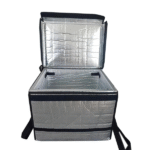
O erro mais caro em um mochila isolada projeto de frigorífico do distribuidor está comprando capacidade antes de definir o controle. Um saco pode acomodar doze pacotes de carne selados, mas falha quando o refrigerante é adicionado. Pode passar em um teste fechado, mas perder o controle durante quatro paradas em restaurantes. Pode sobreviver ao percurso, mas demorar muito para ser higienizado para o próximo turno. Uma mochila isolada é um transportador secundário passivo, não refrigeração, embalagem primária de carne, ou conformidade regulatória automática. A compra certa é um sistema controlado cujos limites de produto, construção, refrigerante, pacote, rota, limpeza, evidência, e as responsabilidades do fornecedor permanecem ligadas desde a amostra até o uso diário.
É assim que uma equipe de compras pode construir essa conexão sem pedir que a sacola faça um trabalho que pertence a outra parte da cadeia de frio.
Escreva uma declaração de uso específica para carne
Comece com uma frase que defina o trabalho aprovado. Por exemplo: a transportadora se moverá selada, cortes refrigerados de varejo de uma sala de expedição controlada para receptores de restaurantes em uma rota local definida, usando um layout de fonte fria especificado e não mais do que o número aprovado de aberturas. Essa frase não é a especificação final, mas expõe ambiguidade.
Faz "carne" significa carne crua, aves fatiadas cozidas, salsicha congelada, carne de porco marinada, ou uma ordem mista? Os produtos estão em bolsas a vácuo, bandejas com tampa, caixas, ou sacos flexíveis? Ossos afiados ou clipes podem entrar em contato com o revestimento? A carga contém alérgenos? Quem é o proprietário do produto na entrega? Onde o armazenamento com temperatura controlada é retomado?
Esclareça os limites da embalagem. A embalagem primária deve conter e proteger a carne. A embalagem de pedido secundário pode fornecer segregação e organização física. A mochila fornece isolamento, mobilidade, e contenção secundária por um intervalo limitado. Refrigerantes adicionam reserva fria. Nenhuma dessas camadas deve substituir silenciosamente outra. A carne exposta não deve ser colocada contra o forro da mochila, a menos que todo o uso de contato pretendido tenha recebido revisão regulatória e de segurança alimentar apropriada.
Definir as condições de partida e chegada através da equipe de qualidade. As informações ao consumidor do USDA usam 40°F ou menos como referência refrigerada comum e 0°F ou menos para armazenamento em freezer. Um programa comercial pode estabelecer limites operacionais diferentes ou mais rígidos para uma carne específica., processo, prazo de validade, e promessa do cliente. O padrão aprovado deve indicar o que é medido, onde é medido, o tempo permitido, e a resposta a um desvio.
Incluir aceitação física. Vazamento de vedações, bolsas perfuradas, bandejas esmagadas, caixas contaminadas, rótulos faltando, ou evidência de adulteração pode tornar uma entrega inaceitável, independentemente de uma leitura de temperatura favorável. Uma transportadora fria não é prova de que todo pacote é bom.
Finalmente, exclusões estaduais. A mochila pode não ser aprovada para produtos expostos, seções de carcaça, cargas além do limite de transporte seguro, mistura de alimentos crus e prontos para consumo em uma zona, gelo seco, entrega autônoma, transporte intermunicipal longo, ou use como armazenamento. As exclusões protegem o programa do uso indevido gradual.
Converta a declaração de uso em sete pontos de prova
A análise a seguir conecta cada decisão do comprador com evidências. Também mostra quando a resposta do distribuidor está incompleta.
| Ponto de prova | Decisão que deve ser tomada | Evidências para reter | Resposta não resolvida |
|---|---|---|---|
| Produto | Quais formatos e condições de carne selada são aprovados? | Lista de produtos, desenhos de pacotes, critérios de envio e chegada | "Qualquer carne, quente ou frio" |
| Carga útil | Qual mínimo, rotina, e cargas máximas cabem com segurança? | Revisão de ajuste carregado com refrigerante e limite de peso carregado | Capacidade baseada em um saco vazio |
| Rota | Que horas, exposição ambiental, aberturas, e as transferências são cobertas? | Mapa de rotas e desafio severo, mas credível | Duração declarada sem rota |
| Empacotar | Qual revisão da bolsa, refrigerante, divisor, e padrão de carregamento são usados? | Lista de materiais controlada e SOP ilustrado | Os componentes podem ser trocados livremente |
| Higiene | Como os vazamentos são contidos, sacos limpos, seco, e liberado? | Dados do revestimento, teste de limpeza, critérios de dano, e fluxo de segregação | "Limpe" como todo o procedimento |
| Desempenho | O sistema de intenção de produção atende ao limite aprovado? | Protocolo térmico, dados completos, repetições, e piloto de campo | Uma leitura central de uma amostra fechada |
| Fornecer | Como a produção em massa permanecerá consistente? | Amostra aprovada, tolerâncias, cheques de lote, aviso de alteração, e ação corretiva | A semelhança visual é considerada suficiente |
Um projeto está pronto para escalar somente quando todos os sete pontos se unem. Uma transportadora tecnicamente sólida sem um processo de devolução e limpeza não está operacionalmente pronta. Um saco limpável sem evidência térmica relevante para a rota não está termicamente pronto. Uma amostra passante com substituições de produção não controladas não está comercialmente pronta.
Projete o transportador em torno da carne embalada
Comece por dentro. Medir embalagens primárias e caixas secundárias reais. Inclui vedações salientes, clipes, rótulos, almofadas absorventes, e formas irregulares. Determine se os produtos estão empilhados na horizontal ou na vertical e se a orientação é importante. Adicione folga para carregamento sem raspar o revestimento.
As dimensões internas acabadas devem ser medidas após o isolamento, forro, base, e a tampa estão instaladas. Volume utilizável é o que resta após fontes frias, divisores, prateleiras, e liberação de fechamento. Avalie a carga mínima tão cuidadosamente quanto a carga máxima. Algumas embalagens em uma cavidade superdimensionada podem mudar e aquecer de maneira diferente; uma carga completa pode esmagar embalagens e dobrar o fechamento.
O revestimento deve apoiar a inspeção visual, o produto químico de limpeza aprovado, flexão em baixa temperatura, e secagem prática. Procure por armadilhas de solo nos cantos, fitas de zíper, encadernação de borda, anexos divisores, e costuras. Se embalagens com osso ou rígidas forem comuns, considere escudos contra abrasão ou bandejas secundárias. Uma alegação de que o tecido é resistente à água não prova que o transportador final conterá um vazamento na embalagem primária.
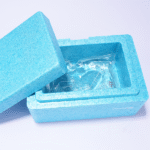
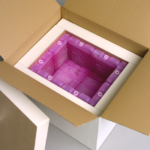
Escolha o isolamento como uma montagem. Solicite o material principal, espessura nominal, mapa do painel, densidade quando relevante, pontos de compressão, costuras, sobreposição da tampa, e construção de base. A resistência térmica em uma tela plana diz pouco sobre uma lacuna ao lado do zíper. Âncoras de tiras e inserções estruturais podem criar pontes. O desenho do fornecedor e o teste da sacola acabada juntos são mais informativos do que apenas um certificado de amostra.
Os fechamentos devem funcionar sob carga. Teste zíperes, abas, ou outros sistemas com funcionários com luvas e caixas reais. Verifique se o transbordamento distorce a tampa e se o movimento de fechamento transfere sujeira do exterior para o revestimento. A identificação externa de pedidos pode reduzir as aberturas, mas as janelas e bolsos das etiquetas não devem criar problemas térmicos ou de limpeza.
O design do arnês e da base exige um teste ergonômico. A carne é densa; refrigerantes adicionam peso. Defina uma carga segura aprovada por meio do processo relevante de segurança e operações no local de trabalho, não pela resistência ao rasgo da bolsa. Se o percurso exigir mais, selecione um transportador isolado com rodas ou montado em veículo. O sucesso de uma aquisição não deve criar um risco de lesões aos funcionários.
A cor e a marca podem ajudar a controlar. Cores dedicadas podem distinguir serviços crus de prontos para consumo ou refrigerados de frotas congeladas. A marca pode identificar a custódia. Ainda bordado, rebites, Windows, e manchas podem perfurar camadas ou complicar a limpeza. Aprovar a arte da amostra funcional, não após revisão térmica.
Faça da fonte fria um componente controlado
O isolamento passivo apenas retarda a transferência de calor. Para muitas rotas refrigeradas ou congeladas, uma fonte fria condicionada faz parte do pacote. Trate-o com a mesma disciplina da mochila.
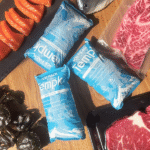
À base de água pacotes de gel e tijolos de gelo podem absorver calor à medida que aquecem e mudam de fase. A sua utilidade depende da massa, geometria, condicionamento, colocação, desafio ambiental, e exigência do produto. Um pacote congelado não garante uma carga profundamente congelada; muitos formatos à base de água mudam de fase perto de 0°C. Selecione com base no comportamento documentado e no teste de rota, em vez da palavra "gelo."
Outros materiais de mudança de fase podem ter como alvo diferentes regiões de transição. Solicite dados técnicos, instruções de condicionamento, filme de embalagem, resposta a vazamentos, e consistência de produção. Confirme se a fonte fria pode tocar a embalagem primária ou precisa de uma barreira. Posicione-o em mangas retidas ou zonas definidas para que os ciclistas não possam movê-lo casualmente.
Condicionamento precisa de infraestrutura. Identifique o ponto de ajuste do freezer e o monitoramento, padrão de carregamento, preparação mínima, método de confirmação, armazenamento pronto, rotação, e manuseio após retorno. Se a previsão exige centenas de rotas, confirmar se a instalação pode condicionar embalagens suficientes sem sobrecarregar os freezers ou encurtar o procedimento durante os picos.
O gelo seco é uma escolha de design separada. É dióxido de carbono sólido a cerca de -78,5°C, pode ferir a pele, pode danificar a embalagem devido ao frio extremo, e libera gás à medida que sublima. Armazenamento ou veículos mal ventilados podem se tornar perigosos, e a embalagem deve permitir a liberação de gás. As remessas aéreas enfrentam as atuais regras de mercadorias perigosas e requisitos da transportadora. Não insira gelo seco em uma mochila padrão, a menos que uma segurança competente, transporte, materiais, e a revisão da embalagem aprovou o uso.
Mantenha as cargas resfriadas e congeladas separadas, a menos que exista um sistema multizona verificado. Um divisor não cria duas regiões de temperatura estáveis. Da mesma maneira, não combine alimentos preparados quentes com carne crua resfriada em uma transportadora não controlada.
Teste o sistema completo, Incluindo uso humano
Escreva o protocolo antes de coletar dados. Nomeie a revisão do saco com intenção de produção, pacotes primários ou substitutos justificados, nível de carga útil, identidade e condicionamento de fonte fria, sequência de carregamento, condição inicial, perfil ambiente, orientação, cronograma de abertura, sensores, intervalo de registro, duração, e critérios de aceitação. Registrar desvios em vez de ajustar o protocolo depois que os resultados aparecerem.
Use sensores adequados e calibrados ou verificados para a faixa de interesse. Posicione-os perto de prováveis zonas quentes: tampa, zíper, parede externa, base, e localização do último pedido. Incluir um núcleo representativo protegido. Separe o sensor ambiente dos sensores de carga útil. Marque se cada medição representa ar, superfície da embalagem, ou um meio de simulação de produto.
A curva de temperatura conta a história. Um aumento rápido no início pode indicar componentes da bolsa quente ou condicionamento incorreto. Um passo após cada abertura mostra um problema de acesso. Uma borda quente com núcleo estável sugere distribuição de refrigerante ou ponte térmica. Um sensor de frio ao lado de uma embalagem de gel pode ocultar o produto mais quente em outro lugar.
Teste baixo enchimento e carga total. Use vários sacos e repetições como garantia de risco. Se a reutilização for planejada, inclua uma sacola que tenha passado por limpeza e manuseio representativos. Inspecione os selos da embalagem, rótulos, condensação, integridade do revestimento, e movimento de fonte fria após cada corrida.
Então vá para o campo. Um laboratório ou câmara não consegue reproduzir todos os atalhos de embalagem, posição do veículo, escadaria, fila de recebimento, ou ausência do cliente. Treine mais de um packer e rider. Observe se os trabalhadores podem carregar o diagrama, feche o saco, identificar pedidos externamente, carregue-o com segurança, e responder a atrasos.
Ferramentas úteis de decisão
Verifique os detalhes antes de escolher a embalagem
Essas ferramentas rápidas podem ajudá-lo a comparar o risco da rota, necessidades de dimensionamento, escolhas de refrigerante, e detalhes da embalagem antes de solicitar um orçamento.
Calculadora de gelo seco
Estime as necessidades de gelo seco para remessas congeladas ou ultrafrias antes de embalar.
Estimar gelo secoSeletor de embalagens
Compare opções de embalagens isoladas por produto, rota, e necessidade de temperatura.
Encontre embalagensVerificador de risco de rota
Revise as condições da pista antes de selecionar a embalagem para requisitos operacionais reais.
Verifique o risco da rotaConsidere um distribuidor de serviços de alimentação entregando cortes refrigerados embalados a vácuo para três restaurantes. A bolsa de teste passa por um perfil de ambiente fechado. Na rota, um motorista abre a tampa completa em cada parada e coloca o transportador próximo ao exaustor da cozinha. O último pedido se aproxima do limite de aceitação. O redesenho correto pode combinar rótulos de pedidos externos, zonas removíveis, uma posição diferente do veículo, e um compromisso de entrega. Mais refrigerante por si só poderia aumentar o peso sem controlar a exposição.
Conclua o piloto retornando, limpeza, secagem, inspecionando, e reutilizando a sacola. Se não puder estar pronto para o próximo envio sem pular uma etapa, a contagem da frota, capacidade de limpeza, ou o design deve mudar.
Coloque as responsabilidades regulatórias nas partes certas
Um fornecedor de equipamentos pode documentar materiais e testes. Não pode tornar toda a operação de carne do comprador compatível. A jurisdição dos EUA varia de acordo com a espécie, formulação, estabelecimento, e atividade. O Serviço de Inspeção e Segurança Alimentar do USDA supervisiona muitos produtos de carne e aves. FDA supervisiona outros alimentos e partes de sistemas de transporte e varejo. Estado, local, importar, e as regras do cliente podem adicionar requisitos.
O Código Alimentar da FDA é um modelo para salvaguardas de varejo e serviços de alimentação, lei federal não idêntica em todos os locais. A regra de transporte sanitário da FDA cobre muitos movimentos de alimentos qualificados por automóvel ou trem, mas cobertura, isenções, acordos escritos, e deveres devem ser avaliados para a operação real. A orientação do FSIS aborda a proteção e defesa da carne, aves, e ovoprodutos no transporte e distribuição.
A cuidadosa declaração de aquisição não é "Mochila aprovada pelo USDA" ou "Saco compatível com HACCP." É uma afirmação precisa sobre as condições de construção e teste, seguido pela determinação do próprio operador quanto à adequação. O estabelecimento deve integrar a transportadora em seus procedimentos de higienização, controles de perigo, métodos de proteção de produtos, plano de temperatura, rastreabilidade, e resposta de desvio conforme apropriado.
Produtos crus e prontos para consumo exigem separação controlada. Carne temperada ou marinada pode trazer preocupações com alérgenos. As embalagens primárias precisam de selos e rótulos intactos. As devoluções sujas devem permanecer segregadas das transportadoras liberadas. Se ocorrer um vazamento, segure os alimentos afetados e retire o transportador de serviço. Uma limpeza rápida durante uma rota não substitui a resposta aprovada.
Recursos de rastreabilidade podem apoiar o processo. Identificação da bolsa, pontos de vedação, rótulos de lote, e varreduras de custódia podem ajudar a vincular uma rota a um lote de produto e transportadora. Eles não substituem os registros comerciais exigidos pelo sistema relevante. Decida quais identificadores devem sobreviver à umidade, frio, limpeza, e uso repetido.
Contrato com o Distribuidor para Consistência
O relacionamento com o distribuidor deve ter uma camada técnica e uma camada comercial. Do lado técnico, controlar o material crítico e as especificações de construção, amostra aprovada, tolerâncias, plano de inspeção, identidade do lote, processo de não conformidade, e aviso prévio de alterações. Do lado comercial, definir componentes incluídos, quantidades, base de preços, amostras, personalização, tempo de produção, embalagem, condições de envio, garantia, peças de reposição, e processo de previsão.
Pergunte como o distribuidor controla os fabricantes upstream. Quem aprova espuma, forro, zíper, alças, impressão, e fontes frias? Como as revisões são identificadas? Quais verificações finais ocorrem antes do envio? Como são evitados lotes mistos? Quem investiga um defeito que atravessa fornecedores de componentes?
Nenhum distribuidor precisa divulgar todos os detalhes proprietários para ser útil, mas deve fornecer informações suficientes para que o comprador controle os recursos críticos para o desempenho. Uma recusa em identificar até mesmo a construção do revestimento, espessura de isolamento, ou a configuração do teste é um sinal de risco.
Aprovar uma amostra de intenção de produção. Um protótipo feito à mão pode demonstrar geometria, mas a produção em massa introduz o corte, costura, laminação, e variação de montagem. Uma pré-produção ou revisão do primeiro artigo pode confirmar o design antes do lançamento completo. Mantenha uma amostra de referência e desenhos ou fotografias controladas.
A inspeção recebida deve coletar amostras de caixas e posições. Verifique a identidade, dimensões internas, presença do painel, costuras de forro, alinhamento de fechamento, reforços, alças, limpeza, odor, marca, ajuste de fonte fria, e verificações de desempenho carregadas definidas no plano. Quando a construção interna não pode ser vista, avaliação destrutiva ocasional pode ser justificada.
Substituições críticas precisam de revisão. Uma espuma diferente, forro, adesivo, zíper, costura, placa de base, ou refrigerante pode alterar o comportamento térmico ou sanitário. Defina o que precisa de revisão de documentos, uma nova amostra, ou reteste. O controle de alterações também deve abranger alterações do lado do comprador, como uma nova caixa, produto, produto químico de limpeza, rota, ou carregar.
Operar e manter a frota
No envio, liberar apenas limpo, seco, portadores intactos. Verifique a identidade do produto e a condição inicial, selos de embalagem primária, refrigerantes corretos, colocação do divisor, rótulo de rota, e carga aprovada. Siga a embalagem ilustrada e feche a bolsa imediatamente. Mantenha os transportadores cheios em armazenamento controlado até a coleta.
Durante a entrega, prenda a mochila na orientação aprovada e proteja-a do calor evitável. Aberto apenas para o pedido pretendido. Não guarde itens pessoais no compartimento de carne. Não remova fontes frias, adicionar produtos não planejados, ou forçar o fechamento sobre uma carga excessiva. O plano de escalonamento deve abordar atrasos, vazamentos, sacos danificados, custódia perdida, e monitoramento de alarmes.
No recebimento, confirmar identidade, selos, condição física, e evidência de temperatura necessária. Transfira as mercadorias aceitas para armazenamento apropriado sem demora. Segregar desvios para avaliação autorizada. O recongelamento ou o recongelamento nunca devem ser tratados como uma correção automática sem avaliar o histórico do produto e o plano de segurança alimentar.
Após o retorno, mova sacos sujos para a área definida. Remova as inserções conforme as instruções, limpe usando a química e o método aprovados, enxágue se necessário, e seque totalmente aberto. Inspecione o revestimento, costuras, fechamentos, condição de isolamento, base, aproveitar, bolsos, e odor. Reparar ou retirar unidades que não atendam aos critérios de liberação.
Acompanhe a saúde da frota. Métricas úteis incluem malas perdidas, limpeza detém, dano ao revestimento, falha de fechamento, tipo de reparo, produto rejeitado, desvio de temperatura, ultrapassagem de rota, erro de pacote, e reutilização real concluída. Tendência por rota e revisão de bagagem. Os dados mostram se a próxima melhoria pertence às embalagens, expedição, treinamento, limpeza, ou projeto de rede.
O custo total deve incluir muito mais do que o preço de compra: refrigerantes, capacidade do freezer condicionado, trabalho, monitoramento, testando, limpeza, espaço de secagem, retorna, reparos, salvo, perdas, descarte de produtos, e tratamento em fim de vida. Uma frota reutilizável só tem valor quando regressa e permanece apta para o serviço.
Torne a reutilização e o fim da vida útil credíveis
Projete para o loop real. Uma rota de restaurante local com devolução diária de sacolas pode apoiar bem a reutilização. Uma remessa de consumo unidirecional não pode. Distância de retorno do modelo, perda, lavar, secagem, reparar, e substituição antes de escolher uma construção reutilizável mais pesada.
Prefira transportadores do tamanho certo e peças substituíveis de alto desgaste sempre que possível. Evite bolsos desnecessários, materiais mistos, e elementos de marca que adicionam pontos de falha sem valor operacional. Pergunte se o forro, alça, painel, ou componentes de fechamento podem ser reparados sem comprometer a construção aprovada.
As descrições do fim da vida útil devem corresponder à infraestrutura disponível. Uma mochila multicamadas pode ser difícil de reciclar, mesmo que a espuma individual, filme, ou componentes têxteis são teoricamente recicláveis. Determinar se as peças se separam, se os programas locais os aceitam, e se o distribuidor oferece uma rota de recuperação. Evite não qualificado "ecológico" reivindicações.
A política de embalagens também está mudando. As empresas que colocam embalagens no mercado da União Europeia devem avaliar o Regulamento (UE) 2025/40, que geralmente se aplica a partir de agosto 2026 e aborda a composição da embalagem, Reciclabalidade, reutilizar, e prevenção de resíduos. Deveres específicos dependem da embalagem e do papel no mercado. É necessária uma revisão qualificada; nem a reutilização nem o conteúdo reciclado por si só demonstram conformidade.
A proteção do produto continua a fazer parte da equação da sustentabilidade. Perder carne porque um transportador leve não consegue controlar a rota desperdiça o produto e todos os recursos investidos antes da entrega. O objetivo é o sistema menos material que desempenhe de forma confiável, completa seus ciclos pretendidos, e tem um próximo passo realista na aposentadoria.
Aprove apenas o envelope operacional que você pode defender
Uma mochila isolada para entrega de carne é apropriada quando a mobilidade com as mãos livres tem valor operacional, a carga útil é segura para transportar, o produto permanece lacrado, a rota é limitada, e o pacote completo passa nos testes relevantes. Não é o padrão para longas distâncias, carne pesada a granel, produto exposto, espera descontrolada, temperaturas mistas complexas, ou qualquer pista que exija refrigeração elétrica.
A aprovação deve identificar a família de produtos, revisão de bolsa, fonte fria, faixa de carga útil, padrão de carregamento, condições da rota, monitoramento, limpeza, e processo de aceitação. Esse limite dá aos despachantes uma resposta clara quando um pedido muda. Também dá ao distribuidor uma especificação real para fabricar.
Quando um parâmetro sai do limite, faça uma pausa e avalie. Encurtando a rota, separando pedidos, mudando a fonte fria, adicionando preparação controlada, usando um remetente rígido, mudando para um transportador com rodas, ou selecionar um veículo refrigerado pode ser mais seguro e econômico do que esticar a reivindicação da mochila.
A compra é bem-sucedida quando funcionários comuns treinados conseguem reproduzir o resultado aprovado e quando o distribuidor preserva a construção que a produziu. Essa é a diferença entre comprar sacos isolados e estabelecer uma frota controlada de entrega de carne embalada.
Sobre Tempk
Tempk é uma empresa com sede em Xangai embalagem da cadeia de frio fabricante. Sua linha oficial inclui mochilas isoladas para entrega de alimentos, bolsas térmicas, pacotes de gel, tijolos de gelo, e opções personalizadas para dimensões, isolamento, resina, fechamentos, alças, divisores, cores, e marca. Tempk também oferece suporte de amostra para ajuste de carga útil, conforto de transporte, limpeza, e verificações de rota. Para carne embalada, essas opções podem formar um candidato à intenção de produção; o comprador permanece responsável pelos limites do produto, saneamento, verificação térmica, e decisões regulatórias aplicáveis.
Forneça à Tempk seus formatos de embalagem de carne selados, critérios refrigerados ou congelados, rota e padrão de abertura, plano de fonte fria, método de limpeza, e requisitos do distribuidor para solicitar uma amostra controlada e uma proposta em massa.