Nome do artigo: Artigo 4: Otimizado para profissionais
Vacinas de fábrica de caixa isolada: Seleção de fornecedores sem suposições
As melhores vacinas de fábrica com caixa isolada são aquelas que combinam com o seu produto, faixa, carga útil, e requisitos de evidência antes do primeiro pedido em massa ser feito. Para vacina embalagem da cadeia de frio, as equipes de compras geralmente comparam o preço primeiro, então descubra mais tarde que a caixa não cabe na embalagem, operadora, refrigerante, ou processo de recebimento. Uma abordagem melhor é definir o que deve ser protegido, o que deve ser verificado, e o que o fornecedor deve provar. Este guia final reúne essas decisões em uma estrutura prática de seleção de fornecedores.
A resposta curta para compras
Escolha as vacinas de fábrica com caixa isolada somente depois de conhecer as condições do produto, rota, carga útil, plano de refrigeração, requisito de recebimento, e evidências necessárias após o parto. Uma caixa de baixo preço pode ser aceitável para uma remessa de baixo risco, mas é uma base pobre para vacinas, diluentes, suprimentos de imunização, e cargas úteis de saúde sensíveis à temperatura quando a rota é incerta ou o comprador precisa de documentação. O melhor fornecedor nem sempre é aquele com maior reivindicação; é aquele que explica claramente os limites.
O leitor-alvo geralmente não está procurando uma definição acadêmica de isolamento. Eles querem saber se um fornecedor pode apoiar vacinas, diluentes, suprimentos de imunização, e cargas úteis de saúde sensíveis à temperatura com um pedido, repetível, e pacote inspecionável. Isso significa que a caixa deve ser avaliada com o refrigerante, a carga útil, o fechamento, a caixa, o método de embalagem, e a documentação juntos. Uma parede isolada por si só não prova um resultado de cadeia de frio.
Uma conversa útil com o fornecedor começa com o risco que dificulta esta aplicação: excursões de temperatura, risco de congelamento, lacunas de documentação, qualificação de pista, e recebendo provas. Se esse risco não for mencionado na solicitação, a cotação pode parecer atraente, mas ainda assim estar incompleta. Por exemplo, uma caixa destinada a uma transferência controlada de armazém não enfrenta o mesmo abuso que uma remessa de encomendas entre as rotas de verão e inverno. Uma boa especificação torna essas diferenças visíveis antes do início da comparação de preços.
Muitos programas de vacinas refrigeradas utilizam um 2 C para 8 Faixa de armazenamento C, mas o requisito exato deve ser confirmado no rótulo da vacina, encarte do produto, e procedimento de qualidade.
Ajustar por produto, Rota, Temperatura, e manuseio
Uma caixa isolada retarda a transferência de calor; não cria controle de temperatura por si só. O resultado da temperatura vem de todo o sistema térmico: isolamento, refrigerante, massa de carga útil, ordem de embalagem, Headspace, perfil ambiente, e tempo decorrido. Em cadeia de frio da vacina embalagem, a mesma caixa pode se comportar de maneira diferente quando a carga útil é mais densa, mais quente na embalagem, mais perto da tampa, ou enviado por uma via mais quente. É por isso que os compradores devem evitar tratar o tempo de espera declarado como uma promessa universal, a menos que a condição de teste corresponda à sua rota e produto.
A seleção do refrigerante deve seguir os requisitos do produto. Para vacinas, diluentes, suprimentos de imunização, e cargas úteis de saúde sensíveis à temperatura, o fornecedor deve explicar por que as bolsas de água condicionadas, PCM, pacotes de gel, ou layouts de refrigerante qualificados de acordo com o produto e a pista são adequados e qual preparação é necessária antes da embalagem. O líquido refrigerante condicionado colocado na posição errada pode congelar um produto que só precisava de proteção refrigerada. O gelo seco pode manter um ambiente congelado, mas introduz a sublimação, ventilação, e problemas de aceitação da transportadora. O PCM pode ser útil quando é necessária uma faixa mais estreita, mas seu ponto de mudança de fase e processo de condicionamento devem ser confirmados.
O embalador faz parte do sistema de embalagem. Na embalagem da cadeia de frio da vacina, uma caixa que funciona em um laboratório pode falhar quando uma equipe ocupada do armazém improvisa a embalagem. As instruções devem mostrar a ordem do pacote, condicionamento de refrigerante, colocação de carga útil, proteção superior e inferior, preenchimento vazio, encerramento, posição da etiqueta, e quaisquer notas de recebimento. Curto, instruções visuais geralmente funcionam melhor do que longas notas técnicas que ninguém lê durante o pico de fluxo de pedidos.
A inspeção de recebimento deve ser planejada antes do início do envio. Alguns compradores apenas verificam se a embalagem externa está intacta, mas Produtos sensíveis à temperatura pode exigir uma leitura do registrador de dados, um indicador de tempo-temperatura, uma verificação visual de fusão, ou uma etapa de aceitação documentada. Se o destinatário não souber o que verificar, uma caixa com aparência compatível ainda pode levar a disputas após a entrega.
Avaliação do fornecedor além do preço unitário
As compras não devem perguntar apenas, 'Qual é o preço por caixa?'Uma primeira pergunta melhor é: que problema se espera que esta caixa resolva para as vacinas, diluentes, suprimentos de imunização, e cargas úteis de saúde sensíveis à temperatura? Se a resposta incluir faixa de temperatura, tempo de trânsito, carga útil, manuseio, tipo de operadora, e recebendo aceitação, o fornecedor pode recomendar uma estrutura mais realista. Se a resposta for apenas o nome do produto e o tamanho aproximado, as cotações serão fáceis de coletar, mas difíceis de confiar.
Em uma função de fornecimento direto da fábrica, onde o controle do processo, aprovação de materiais, e os planos de inspeção precisam ser claros, revisão de amostra é o ponto onde muitos problemas ocultos aparecem. A amostra deve ser embalada pelo mesmo tipo de pessoal que irá embalar a ordem de produção, usando o mesmo tipo de refrigerante, forro, preenchimento vazio, área do rótulo, e método de fechamento. O revisor deve observar se a tampa fecha sem força, se o produto se move, se as embalagens entram em contato com o produto em áreas de risco, e se a embalagem exterior permanece limpa e legível após o manuseamento.
Antes de passar para a produção, pergunte como o fornecedor controla as mudanças. Uma pequena mudança na espessura do isolamento, filme forro, qualidade da caixa, formato de refrigerante, ou o ajuste da tampa pode alterar o resultado térmico e de manuseio. Para remessas regulamentadas ou de alto valor, essa mudança pode exigir revisão de qualidade ou novo teste. O pedido de compra deve identificar quais detalhes foram aprovados e quais alterações exigem confirmação por escrito antes do envio.
Um fornecedor com comunicação forte pode economizar mais tempo do que um fornecedor com apenas um preço unitário baixo. Boas respostas são específicas: que material é usado, quais dimensões são internas versus externas, quais layouts de refrigerante são recomendados, que teste ou evidência de amostra está disponível, que arte de embalagem pode ser personalizada, e o que o comprador deve verificar. Respostas vagas como “mantém frio por muito tempo” devem ser tratadas como linguagem de marketing até que a condição do teste seja conhecida.
| Ponto de prova do fornecedor | Boa resposta | Sinal de alerta |
|---|---|---|
| Controle da amostra até a produção | Materiais aprovados, dimensões, encerramento, e packout são controlados. | A amostra parece boa, mas os detalhes da produção estão indefinidos. |
| Recomendação térmica | O fornecedor declara claramente as suposições e os limites dos testes. | O fornecedor promete um tempo de espera universal. |
| Personalização | Arte, tamanho, forro, e alterações de pacotes têm etapas de revisão. | As alterações são oferecidas sem novo teste da discussão. |
| Suporte de documentação | Ficha de dados, instrução de embalagem, e pontos de inspeção estão disponíveis. | Apenas fotos e preço unitário são fornecidos. |
Use estes pontos de prova para separar um fornecedor que entende o uso da cadeia de frio de um fornecedor que vende apenas uma caixa. A tabela não substitui o teste, mas torna a conversa sobre sourcing mais concreta.
Controles de risco antes da expansão
O erro mais comum é comparar as caixas por tamanho visível e preço unitário, ignorando a embalagem necessária.. Isso cria falsas poupanças. Uma caixa barata pode ficar cara se precisar de mais refrigerante, mais preenchimento de vazio, mais trabalho, um serviço de operadora premium, ou mais trabalho de atendimento ao cliente após a entrega. Para vacinas, diluentes, suprimentos de imunização, e cargas úteis de saúde sensíveis à temperatura, o custo total da embalagem desembarcada deve incluir o risco de danos, trabalho, espaço de armazenamento, peso dimensional, remessas rejeitadas, e manuseio de descarte.
Ferramentas úteis de decisão
Verifique os detalhes antes de escolher a embalagem
Essas ferramentas rápidas podem ajudá-lo a comparar o risco da rota, necessidades de dimensionamento, escolhas de refrigerante, e detalhes da embalagem antes de solicitar um orçamento.
Calculadora de gelo seco
Estime as necessidades de gelo seco para remessas congeladas ou ultrafrias antes de embalar.
Estimar gelo secoSeletor de embalagens
Compare opções de embalagens isoladas por produto, rota, e necessidade de temperatura.
Encontre embalagensForro de caixa & Dimensionamento da cobertura de paletes
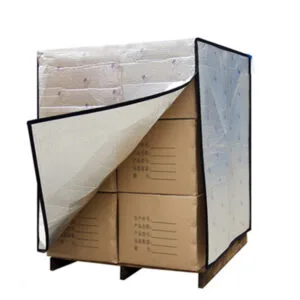
Verifique a lógica de dimensionamento do forro da caixa e da tampa do palete para projetos de embalagens isoladas.
Dimensionamento estimadoOutro erro é tratar a duração térmica declarada pelo fornecedor como uma promessa para cada remessa. O tempo de espera depende do perfil do ambiente, massa de carga útil, temperatura inicial, condicionamento de refrigerante, sequência de embalagem, e limite de aceitação. Pergunte se o número vem de um teste controlado, uma ficha técnica do fornecedor, uma pista do cliente, ou uma estimativa geral. Se a remessa for crítica, planeje um piloto ou qualificação antes de escalar.
A linguagem de conformidade deve permanecer precisa. Uma caixa isolada não é automaticamente compatível com GDP, seguro de comida, vacina aprovada, Pronto para IATA, ou adequado para cada rota. Pode apoiar um processo compatível quando usado com os materiais certos, procedimentos, monitoramento, documentação, e revisão de qualidade. O comprador deve perguntar qual parte do processo o pacote suporta e quais responsabilidades permanecem com o remetente.
Padrões e orientações podem fornecer limites úteis. Os testes de transporte térmico ISTA podem ajudar a avaliar contêineres isolados para condições de encomenda. Os programas de vacinas podem consultar as orientações do CDC, Categorias de PQS da OMS, e requisitos de manuseio específicos do produto. Os expedidores de alimentos podem fazer referência ao código alimentar, requisitos do comprador, e procedimentos internos de HACCP ou de qualidade. Remessas de gelo seco podem precisar de mercadorias perigosas e revisão da transportadora. Essas referências são pontos de partida, não aprovações universais.
Exemplo prático: Da amostra ao pedido repetido
Um cenário típico: um distribuidor precisa transportar as embalagens de vacina de um armazém regional para as clínicas, preservando ao mesmo tempo as evidências de controle de temperatura. O comprador primeiro pede uma caixa isolada de baixo custo, mas a verdadeira decisão é mais em camadas. A equipe tem que decidir se a remessa precisa ser refrigerada, congelado, ou proteção de sala controlada; se o produto pode entrar em contato com o líquido refrigerante; se o destino aceita o formato do pacote; e se a rota tem fim de semana, alfândega, ou risco de atraso na milha final.
Na primeira rodada de amostra, a equipe deve embalar o produto exatamente como seria embalado em escala. Se um operador de armazém precisar de fita extra, espaçadores improvisados, ou julgamento especial para fazer o pacote funcionar, o design não está pronto para produção. Se um registrador de dados for usado, sua posição deve ser documentada porque um registrador colocado contra o refrigerante pode não representar a experiência da carga útil.
Depois do julgamento, revisar a condição do produto e o esforço operacional. A caixa cabia na prateleira, palete, ou fluxo de encomendas? Os rótulos permaneceram legíveis? O destinatário sabia como desembalar o produto com segurança? A embalagem externa permaneceu limpa? Os resíduos de embalagens corresponderam às expectativas do cliente?? Estas questões muitas vezes revelam se a caixa é uma solução comercial real ou apenas uma amostra tecnicamente possível..
Notas adicionais do comprador
Outro ponto prático é o armazenamento em armazém. Caixas isoladas, forros, e os refrigerantes ocupam espaço antes mesmo de protegerem uma remessa. Se a embalagem for volumosa, difícil de empilhar, ou sensível à umidade, a equipe do armazém pode lidar mal com isso, mesmo quando o projeto é tecnicamente sólido. Para embalagens da cadeia de frio de vacinas, compras devem perguntar como as caixas são entregues, armazenado, encenado, e contados antes do início da embalagem diária.
Perguntas frequentes
Uma caixa isolada de vacinas de fábrica é suficiente para proteger produtos sensíveis à temperatura?
Não. A caixa é apenas uma parte do sistema térmico. Você ainda precisa do ajuste correto da carga útil, tipo de refrigerante, condicionamento de refrigerante, ordem de embalagem, encerramento, rota, e procedimento de recebimento. Para vacinas, diluentes, suprimentos de imunização, e cargas úteis de saúde sensíveis à temperatura, o comprador deve definir o requisito de temperatura do produto e perguntar ao fornecedor quais evidências apoiam a embalagem recomendada.
O que devo perguntar antes de aprovar uma amostra?
Solicite dimensões internas, espaço de carga útil, construção de materiais, layout de refrigerante recomendado, método de fechamento, resistência externa da caixa, área de rotulagem, e quaisquer dados de teste ou referência. Em seguida, embale a amostra como a equipe de produção a embalaria. Uma bela amostra não é suficiente se não puder ser repetida em escala.
Como devo comparar cotações de diferentes fornecedores?
Compare o sistema completo em vez do preço da caixa apenas. Uma cotação pode excluir o forro, refrigerante, almofadas absorventes, caixa impressa, dados térmicos, ou ferramentas. Outro pode incluir mais suporte, mas parecer mais caro. Crie uma comparação em torno do desempenho entregue, trabalho, desperdício, documentação, e risco de controle de mudanças.
Quando o teste de rota ou a qualificação devem ser considerados?
Considere testar quando o produto for de alto valor, regulamentado, sensível ao congelamento ou aquecimento, enviado através de rotas longas ou incertas, ou provavelmente enfrentará atrasos alfandegários e de fim de semana. O resultado geral do teste de um fornecedor pode ser útil, mas o comprador deve decidir se o produto, carga útil, refrigerante, e o perfil do ambiente correspondem à rota real.
A mesma caixa pode ser usada em todas as estações?
Não automaticamente. Calor do verão, congelamento de inverno, umidade, atrasos da operadora, e mudanças de rota podem alterar o desempenho. Uma caixa usada com sucesso em uma pista pode precisar de uma carga de refrigerante diferente, Escolha do PCM, estrutura de isolamento, ou nível de serviço em outra temporada. A revisão sazonal é uma etapa prática antes de ampliar um programa de embalagens.
Preciso de um registrador de dados de temperatura?
Um registrador de dados pode ser necessário quando a remessa exigir evidências após a entrega ou quando a equipe de qualidade desejar registros de temperatura para revisão. Um registrador registra condições; não protege o produto. Sua precisão, colocação, configurações de alarme, e o processo de recuperação deve corresponder ao risco da remessa.
Conclusão
Uma forte decisão sobre vacinas em fábricas de caixas isoladas é construída a partir de informações específicas: sensibilidade do produto, faixa de temperatura, carga útil, rota, refrigerante, manuseio, documentação, e controle de fornecedores. A caixa deve ser avaliada como parte de uma embalagem, não como uma mercadoria isolada. Antes de dimensionar, confirmar o que foi testado, o que é assumido, quais mudanças exigem revisão, e como o destinatário avaliará as condições de entrega.
Sobre Tempk
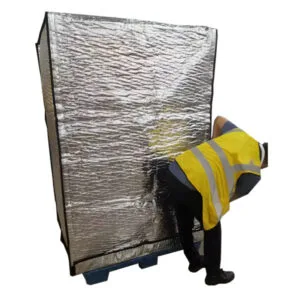
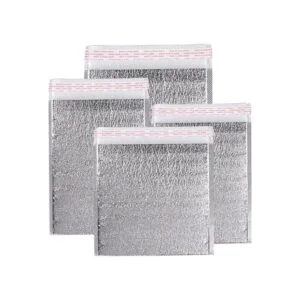
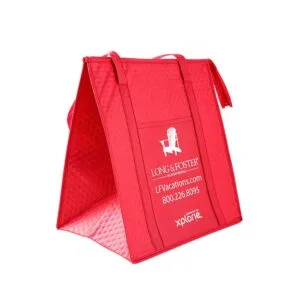
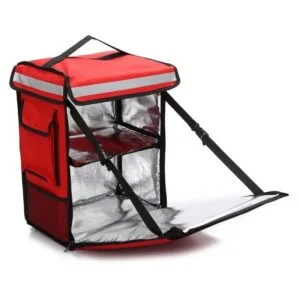
Sobre Tempk: A Tempk apoia decisões de embalagem da cadeia de frio B2B com produtos como bolsas de gelo em gel, Pacotes PCM, forros e sacos isolados, caixas isoladas, capas térmicas para paletes, caixas térmicas médicas, registradores de dados, e suporte de pacote de validação. Para embalagens da cadeia de frio de vacinas, nosso papel é ajudar os compradores a traduzir a rota, carga útil, faixa de temperatura, e restrições operacionais em uma discussão prática sobre embalagens. Evitamos tratar uma caixa como universal porque o sucesso da embalagem da cadeia de frio depende do produto, refrigerante, manuseio, e plano de verificação.
Próximo passo
Compartilhe seu tipo de produto, rota, tamanho da carga útil, e condição de temperatura necessária com Tempk se você quiser uma recomendação prática para fornecimento de vacinas de fábrica de caixas isoladas ou avaliação de amostras.