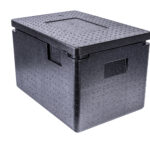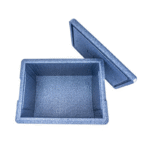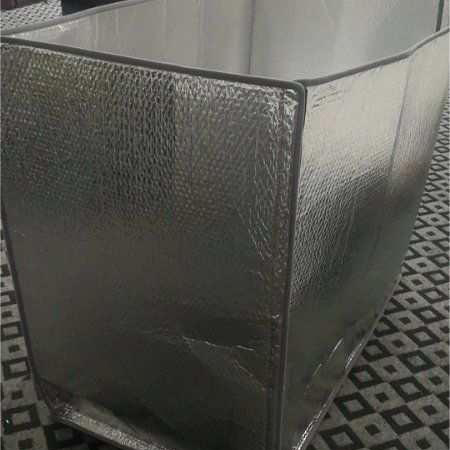
Uma maneira melhor de selecionar uma caixa isolada para rotas de distribuição de carne
Comprar o refrigerador de aparência mais resistente não é uma estratégia de cadeia de frio. A caixa isolada certa para rotas de distribuição de carne é aquela que passa por cinco portões práticos: produto, rota, pacote, higiene, e evidências. O preço só se torna significativo depois que essas condições são definidas. Esta abordagem evita três erros caros: pagando pelo desempenho a rota não precisa, usando uma configuração leve na parada final e mais quente, e aceitar uma declaração de teste que não corresponda ao pacote de produção. Ele também cria uma especificação que despacha, motoristas, receptores, pessoal de qualidade, e o fornecedor pode usar.
Cinco portas para uma caixa isolada para distribuidor de carne
A primeira porta é o limite do produto. Registre a categoria exata da carne, embalagem primária, condição inicial, faixa de temperatura aceita, e quaisquer restrições ao congelamento, descongelamento parcial, ou condensação. Resfriados e congelados são requisitos operacionais, não são categorias de marketing. O limite deve vir da especificação do produto, programa de qualidade, regulamento aplicável, e acordo do cliente.
Jurisdição muda o contexto. A referência de conservação a frio do Código Alimentar da FDA é um modelo de varejo que as jurisdições podem modificar, enquanto o regulamento da UE (CE) Não 853/2004 usa temperaturas de carne específicas da categoria. A supervisão dos EUA pode envolver o USDA FSIS, FDA, e autoridades estaduais. Não copie um número da etiqueta da caixa de outro distribuidor.
O segundo portão é a rota. Meça todo o intervalo desde a remoção do armazenamento controlado até o recebimento verificado, incluindo preparação de doca, carregando, para, papelada, e um atraso credível. Identificar se a caixa viaja em veículo refrigerado, uma van condicionada, um veículo ambiental, ou uma rede de encomendas. Marque a última entrega e qualquer lugar onde a caixa possa ficar exposta ao sol, vento, ou frio.
O terceiro portão é o packout. Liste a massa e as dimensões do produto no menor e no maior pedido de rotina. Adicionar refrigerante, divisores, materiais absorventes, forros, sensor, e folga necessária para fechamento. O volume da caixa externa é importante para o frete; volume interno bruto descreve uma cavidade; espaço de carga útil informa à equipe de embalagem o que caberá. Trate-os como três números diferentes.
A quarta porta é a higiene. Decidir se a carne permanece em embalagens primárias seladas, como o vazamento é contido, quem limpa um caixa reutilizável, como seca, e quais defeitos causam quarentena. Qualquer superfície destinada ao contato direto com alimentos precisa de documentação apropriada para esse uso e destino. Um invólucro isolado não se torna compatível com contato com alimentos porque é lavável.
O quinto portão é evidência. Peça o perfil de teste, revisão da caixa, carga útil, fonte fria, condicionamento, desenho de embalagem, localizações dos sensores, limites de aceitação, e resultado. A duração reivindicada tem significado apenas dentro dessas condições. Se sua pista for materialmente diferente, planejar um estudo representativo.
Quando todos os cinco portões estão escritos, os fornecedores podem propor sistemas comparáveis. Sem eles, aquisição recebe uma linha de preços associados a diferentes premissas.
Use uma matriz de decisão de rota para embalagem
Uma matriz de decisão compacta ajuda a traduzir operações em controles de embalagem. Deve descrever causas e respostas, não pretendo prever um tempo de espera universal.
| Sinal de rota | Mecanismo de falha provável | Resposta do projeto ou processo para avaliar | Provas a solicitar |
|---|---|---|---|
| Várias paradas de clientes | Acesso repetido e aumento de permanência para pedidos posteriores | Caixas de depósito fechadas separadas ou um plano de compartimento controlado | Teste ou ensaio que representa a exposição ao ponto final |
| Pedidos pequenos ou variáveis | Baixa massa térmica, pacotes de mudança, e excesso de espaço aéreo | Inserto de carga mínima aprovado e locais fixos de refrigeração | Resultado do pacote de carga útil mínima |
| Faixa de parcelas não controlada | Extremos ambientais sazonais, atraso, vibração, e impacto | Configuração térmica e física do remetente específica do pacote | MESMO relevante, ISO, ASTM, ou documentação de teste de pista |
| Loop local reutilizável | Desgaste do fecho, contaminação, peças perdidas, e atraso no retorno | Superfícies limpáveis, rastreamento de status, inspeção, e regras de aposentadoria | Compatibilidade de materiais e plano de inspeção de uso repetido |
| Produto congelado | Ganho de calor, perigos de gelo seco se usado, ou descongelamento parcial | Refrigerante específico do produto, ventilação, manuseio, e plano de operadora | Teste de configuração e instruções de envio aplicáveis |
| Produto resfriado no inverno frio | Pontos frios não intencionais ou congelamento perto do líquido refrigerante e das paredes | Pacote sazonal, separadores, e revisão do posicionamento do sensor | Perfil de inverno mostrando extremos de calor e frio |
A matriz evita que os compradores resolvam todos os riscos adicionando refrigerante. Mais líquido refrigerante pode reduzir a exposição ao calor, mas criar uma superfície local mais fria, reduzir o espaço de carga útil, aumentar o peso, e alterar o tratamento. Um fechamento, inserir, mudança de rota, ou tamanho de caixa separado pode ser o melhor controle.
Use métodos de teste reconhecidos para a questão que abordam. ASTM D3103 avalia desempenho de isolamento térmico de pacotes de distribuição. ISO 22982 aborda pacotes de encomendas com temperatura controlada. ISTA 7E fornece perfis térmicos de parcelas. Esses métodos suportam comparação disciplinada; eles não provam que uma rota de serviço de alimentação, transferência de paletes, ou cada temporada é coberta.
Procure o fracasso nas bordas
Condições médias fazem com que designs fracos pareçam confortáveis. As falhas da cadeia de frio tendem a aparecer nas bordas: a costura da tampa, um sensor de canto, a última entrega, a carga útil mais leve, o período de teste mais quente, ou o trabalhador que fecha a caixa de forma diferente. A revisão do projeto deve procurar deliberadamente essas arestas.
Comece pela tampa. Verifique se os trabalhadores podem ver ou sentir o fechamento total, se etiquetas ou tiras interferem, e se o empilhamento o deforma. Uma parede de alto desempenho não pode compensar uma lacuna persistente. Inspecionar alças, drenos, fixadores, e juntas de painéis como possíveis pontes térmicas ou armadilhas de higiene.
Em seguida, examine o layout interno. Uma bolsa fria tocando uma embalagem de carne resfriada pode criar uma mancha fria local. Um grande canal vazio pode promover o movimento interno do ar. O líquido refrigerante aglomerado em uma extremidade pode deixar outra parede subprotegida. Pacotes de produtos que se deslocam durante a frenagem podem mover o sensor ou bloquear o fechamento. O diagrama aprovado deve evitar essas variações em vez de depender do julgamento do operador durante um despacho movimentado..
Erros de condicionamento são outra vantagem. "Mantenha no freezer" não informa quando uma compressa fria está pronta ou quanto tempo ela pode esperar na bancada. O produto que começa fora da especificação também consome capacidade que o teste pode não incluir. A liberação de despacho deve cobrir o produto, refrigerante, caixa, e qualquer condição de fase PCM usada na evidência.
A transferência adiciona variabilidade humana. Um motorista pode abrir uma caixa para encontrar um pedido, um receptor pode deixá-lo ao lado de uma porta, ou um contêiner devolvido pode ser colocado com estoque liberado antes da limpeza. Dê a cada transferência um status visível e um proprietário. Onde o monitoramento de temperatura é usado, definir o que os dados acionam. Um registrador documenta a exposição; não restaura o produto nem torna a embalagem adequada.
As falhas de saneamento também vivem nas bordas. Vazamentos nas embalagens primárias podem molhar os rótulos, fechamentos, ou isolamento exposto. Uma unidade reutilizável pode reter resíduos em uma dobradiça ou costura danificada mesmo após uma limpeza rápida. Valide o método de limpeza e secagem do local para a construção específica. Rachaduras de quarentena, odor persistente, isolamento úmido, tampas deformadas, e componentes faltantes até a disposição.
Finalmente, desafiar a linguagem em torno do desempenho. "Qualidade alimentar," "à prova de vazamentos," "reutilizável," e "qualificado" cada um deve levar a um documento e ao uso pretendido. Uma declaração de conformidade material não é uma qualificação de rota. Um teste em um tamanho não é automaticamente transferível para outro. Um fornecedor deve sentir-se confortável em explicar onde termina a sua reclamação.
Passar da amostra do fornecedor para a produção controlada
Uma amostra demonstra ajuste e fornece uma construção inicial; ainda não é um sistema de cadeia de frio lançado. Comece com uma revisão dimensional e de embalagem. Carregue os pacotes de carne primária reais, fonte fria, divisor, material absorvente, rótulo, e monitorar. Confirmar fechamento, elevação, padrão de pilha, ajuste do veículo, e acesso ao receptor. Verifique o pedido mínimo e máximo definido na especificação.
Ferramentas úteis de decisão
Verifique os detalhes antes de escolher a embalagem
Essas ferramentas rápidas podem ajudá-lo a comparar o risco da rota, necessidades de dimensionamento, escolhas de refrigerante, e detalhes da embalagem antes de solicitar um orçamento.
Verificador de risco de rota
Revise as condições da pista antes de selecionar a embalagem para requisitos operacionais reais.
Verifique o risco da rotaSeletor de embalagens
Compare opções de embalagens isoladas por produto, rota, e necessidade de temperatura.
Encontre embalagensResistência à queda de material de isolamento
Revise a resistência à queda e os fatores de manuseio antes de escolher materiais de isolamento.
Verifique a resistênciaPróximo, crie um pacote representativo da produção para teste. O estudo deve registrar todas as condições iniciais, perfil externo, colocação do sensor, Critérios de aceitação, e desvios. Use desafios sazonais e de pista que reflitam a rede pretendida. Os testes de laboratório podem ser seguidos por um teste operacional controlado para encontrar problemas de treinamento e manuseio. Não chame uma remessa normal de validação controlada, a menos que tenha sido projetada e governada como uma.
Traduzir o projeto lançado em um breve procedimento operacional padrão. Um diagrama de pacote visual geralmente evita mais variações do que uma página de prosa. Incluir identidade do componente, condicionamento, inspeção, colocação de produto, orientação do refrigerante, encerramento, rótulos, monitorar a ativação, se usado, registro de despacho, entregar, recebendo cheque, e status de retorno.
Treine tanto para a exceção quanto para a rotina. A equipe deve saber o que fazer quando falta uma compressa fria, o produto está muito quente no momento da expedição, a caixa não fecha, um registrador falha ao iniciar, ou a van está atrasada. A resposta correta geralmente é parar, segregar, e escalar de acordo com o procedimento aprovado, para não adicionar um aleatório pacote de refrigerante.
O controle da produção se estende ao fornecedor. Definir dimensões e componentes críticos, inspeção de entrada, identificação do lote, se necessário, e consistência da amostra à produção. Solicite aviso prévio sobre alterações no isolamento, fonte de resina ou fibra, forro, tampa, adesivo, ferramentas, site, ou processo de fabricação. A equipe de qualidade pode então julgar se a evidência permanece aplicável.
Revise o sistema após o lançamento. Rastreie caixas danificadas, desvios de embalagem, exceções de temperatura, retornos ausentes, reclamações do receptor, e atrasos na rota. Uma mudança no tamanho do pedido ou na programação do cliente pode ser mais importante do que o desgaste gradual do material. A requalificação ou verificação adicional deve ser desencadeada pelo risco, não apenas por um calendário.
Calcular Custo Operacional, Em seguida, escolha o formato
O preço unitário está visível; o custo de manuseio é disperso entre departamentos. Compare o custo completo por pedido entregue com segurança. Inclui caixa e refrigerante, armazenamento de entrada, espaço condicionado, trabalho de embalagem, cubo de veículo, peso, monitoramento, limpeza, frete de retorno, perda de unidade, disposição, e o custo da investigação ou retenção do produto. Use seus próprios dados operacionais em vez da porcentagem genérica de economia de um fornecedor.
As embalagens descartáveis podem reduzir a administração de devoluções e a limpeza, que pode se adequar a redes abertas. Seu uso material recorrente, armazenar, descarte do cliente, e a reciclabilidade local ainda é importante. Embalagem reutilizável pode distribuir o impacto da fabricação e o custo de compra pelos ciclos concluídos em um circuito fechado, mas somente se as unidades retornarem, passar na inspeção, e permanecer termicamente e higienicamente aptos. A contagem teórica de reutilização não deve ser usada como o número real de ciclos.
O dimensionamento correto frequentemente melhora o custo e a consistência térmica. Uma caixa grande usada para um pedido pequeno carrega excesso de ar e pode exigir um inserto ou um plano de refrigeração diferente. Uma variedade de dois ou três tamanhos qualificados pode usar melhor o cubo do veículo do que uma caixa universal, embora cada tamanho precise de instruções controladas e evidências apropriadas.
Exemplo prático: duas rotas, uma comparação de preços enganosa
Suponha que um distribuidor compare um remetente descartável com uma caixa reutilizável. O descartável parece mais barato por unidade. O reutilizável parece mais barato quando seu preço de compra é dividido por um número planejado de viagens. Nenhuma das figuras descreve a operação.
Para uma rota fechada entre um depósito e filiais da empresa, backhaul já está disponível, caixas podem ser digitalizadas, e existe uma área de lavagem controlada. A reutilização pode merecer um piloto detalhado. Para restaurantes independentes dispersos, as caixas podem não retornar imediatamente e as unidades contaminadas podem ser armazenadas ao ar livre. Um formato de uso único ou retido pelo cliente pode ser operacionalmente mais seguro até que exista um programa de devolução.
A equipe deve modelar a taxa de retorno real, trabalho de limpeza, cubo de transporte, perda, e completou ciclos seguros para a rota fechada. Deve modelar materiais separadamente, disposição, e embalagem de mão de obra para a rota aberta. Em seguida, ele testa a configuração térmica para cada. O resultado pode ser dois formatos aprovados, nem um único vencedor. Isso é uma padronização sólida: regras de decisão comuns com embalagens adequadas à rota.
A sustentabilidade pertence ao mesmo cálculo. Confirme quais instalações locais aceitam, se os componentes mistos podem ser separados, e como os recursos de lavagem são medidos. Para embalagens colocadas no mercado da UE, revisar os requisitos aplicáveis e as datas de transição nos termos do Regulamento (UE) 2025/40, que começou a ser aplicado em agosto 2026. Não converta "reciclável" ou "reutilizável" em uma conclusão legal ou ambiental sem a evidência operacional.
Perguntas frequentes
Quais informações um distribuidor de carne deve enviar com uma solicitação de orçamento?
Forneça o produto e a condição de temperatura aceita, dimensões do pacote primário, carga útil mínima e máxima, temperatura inicial, duração da rota, ambiente do veículo, padrão de parada, exposição sazonal, subsídio de atraso, modelo de higiene, necessidades de monitoramento, e plano de uso único ou retorno. Peça ao fornecedor para declarar suposições e identificar as evidências que apoiam a embalagem proposta.
Quanto tempo extra deve ser adicionado para atrasos?
Não existe uma porcentagem universal. Construa a permissão a partir do histórico de rotas, comportamento do receptor, tráfego, serviço de transportadora, temporada, e a consequência do fracasso. O desafio escolhido deve ser documentado e aprovado através do processo de risco do distribuidor. Um fornecedor de embalagens pode testar o perfil acordado, mas não deve inventar a disrupção aceitável do negócio.
Uma caixa pode ser aprovada a partir de uma folha de dados de material?
Não. Uma folha de dados de materiais pode fornecer informações sobre um painel ou componente. A aprovação do sistema carregado requer evidência da caixa montada, refrigerante, carga útil, pacote, perfil externo, e limites de aceitação. Ajuste operacional, status de contato com alimentos, quando relevante, saneamento, e o controle de mudanças também precisa de revisão.
Onde um registrador de temperatura deve ser colocado?
A colocação depende do que o estudo ou controle de rotina pretende mostrar. O trabalho de desenvolvimento geralmente usa vários sensores calibrados em pontos quentes e frios esperados. Uma posição rotineira do registrador deve então ser justificada a partir desses resultados e mantida consistente. Evite o contato inexplicável com o líquido refrigerante ou com um local que possa se mover durante o transporte.
Quando uma caixa isolada reutilizável deve ser retirada?
Defina critérios observáveis e funcionais antes do lançamento. Exemplos incluem rachaduras, deformação, falha de fechamento, isolamento exposto ou molhado, odor persistente, uma identidade ilegível, peças faltantes, ou falha de uma inspeção prescrita. As regras de aposentadoria devem refletir a construção, método de limpeza, instruções do fornecedor, e programa de qualificação em vez de uma contagem de ciclos universal inventada.
Conclusão
A seleção de uma caixa isolada para rotas de distribuição de carne torna-se administrável quando a decisão segue evidências. Passe o produto, rota, pacote, higiene, e portões de evidências. Procure falhas nas bordas, liberar uma configuração representativa de produção, e avaliar o ciclo operacional completo. Manter os limites de temperatura e as decisões regulatórias com a qualidade apropriada e os proprietários legais.
O próximo passo: escrever um resumo de uma página e agrupar o menor pedido de rotina em uma amostra. Esse exercício irá expor o espaço faltante, suposições ausentes, e a falta de evidências antes de uma compra em massa os torna caros.
Sobre Tempk
A gama oficial da Tempk inclui caixas isoladas, pacotes frios, e opções de embalagens com controle de temperatura para distribuição de alimentos. Podemos revisar uma proposta de uso para entrega de carne através dos mesmos insumos práticos usados neste guia: condição do produto, carga útil, exposição da rota, refrigerante, manuseio, e modelo de reutilização ou descarte. O objetivo é restringir as opções e esclarecer o que precisa ser revisto. Qualquer decisão final deverá ser baseada na documentação atual do produto selecionado e em uma embalagem aprovada para a via real do distribuidor..
Solicite uma comparação focada: Envie ao Tempk seu resumo de uma página e um exemplo de layout de carga útil para discutir o adequado embalagem isolada opções e as evidências para verificar antes de fazer o pedido.