Seleção de caixa isolada para remessa confiável de cadeia de frio
Uma caixa isolada deve ser selecionada da remessa para trás. Comece com a condição do produto, exposição da rota, tamanho da carga útil, plano de refrigeração, e processo de recebimento, em seguida, decida qual formato de caixa pode suportar esse trabalho. O contêiner é importante, mas é apenas uma parte de um sistema passivo de controle de temperatura. Se você comprar a caixa antes de definir a rota, você pode acabar com embalagens que parecem fortes, mas não suportam o risco real da cadeia de frio.
A decisão de compra mais forte é baseada em evidências. Ele separa o que a caixa pode fazer, o que o refrigerante deve fazer, o que o logger registra, e o que o operador deve fazer durante a embalagem e recebimento. Essa é a diferença entre comprar um contêiner e construir um processo de remessa confiável.
Decida qual nível de controle a remessa realmente precisa
Nem toda remessa que utiliza uma caixa isolada precisa do mesmo nível de controle. Uma rota local de entrega de refeições pode precisar de proteção de temperatura, higiene, empilhabilidade, e fácil limpeza. Um pacote de frutos do mar resfriado pode precisar de proteção térmica mais forte, controle de vazamento, e um pacote unidirecional testado. Uma remessa farmacêutica ou de diagnóstico também pode precisar de histórico de temperatura documentado, critérios de aceitação definidos, e revisão de qualidade.
O primeiro passo é classificar a necessidade de remessa. Você está tentando reduzir as oscilações de temperatura durante o manuseio curto, manter uma condição refrigerada ou congelada através de uma rota de encomendas, proteger um produto sensível ao congelamento, ou apoiar um procedimento de distribuição regulamentado? São trabalhos diferentes. Uma caixa de entrega reutilizável, um expedidor isolado de uso único, uma caixa fria de vacina, um sistema passivo qualificado, e um recipiente ativo não são intercambiáveis apenas porque todos envolvem isolamento.
Uma caixa isolada retarda a transferência de calor. Não cria frio por si só, provar a conformidade por si só, ou tornar todos os produtos seguros para todas as rotas. Se as mercadorias começarem na condição errada, se o refrigerante não estiver preparado corretamente, ou se o destinatário deixar a remessa fechada, a caixa pode preservar uma falha no processo em vez de impedir uma.
Construa a especificação do produto, rota, e carga útil
Uma especificação útil começa com os requisitos do produto. Confirme a condição aceitável do proprietário do produto, rótulo, dados de estabilidade, ou procedimento de qualidade. Alguns produtos precisam de refrigeração. Alguns precisam de condições congeladas. Alguns não devem congelar. Alguns são aceitáveis em temperatura ambiente controlada. Não use uma suposição de cadeia de frio em todos os produtos.
Próximo, mapear a rota. Incluir tempo de embalagem, tempo de espera antes da retirada, trânsito transportador, centros de classificação, pontos de cross-dock, verificações alfandegárias ou de segurança, entrega de última milha, e tempo antes de o destinatário abrir o pacote. Se você envia através de uma rede de encomendas, você não pode controlar todas as transferências. Se você operar uma rota local de circuito fechado, você pode ter mais controle, mas ainda precisa de disciplina de motorista e de recebimento de disciplina.
A carga útil é a terceira âncora. As dimensões internas não são iguais ao espaço de carga útil. O espaço útil é o que resta após o isolamento, refrigerante, divisores, materiais absorventes, product protection, rótulos, e dispositivos de monitoramento estão incluídos. Se o produto deve estar na vertical, separado do refrigerante, ou protegido da condensação, o espaço utilizável torna-se menor.
É aqui que começam muitos erros de compra. Os compradores comparam dimensões externas e preço, então descubra durante a embalagem experimental que o produto, refrigerante, e logger não podem se encaixar sem improvisação. O melhor método é testar a embalagem pretendida com as dimensões reais do produto antes de aprovar a caixa.
Escolha o formato da caixa depois de entender o modelo operacional
Uso único remetentes isolados pode ser prático para remessas de encomendas unidirecionais, especialmente quando os destinatários são desconhecidos ou a logística de devolução não é realista. Eles ainda devem ser revisados quanto à resistência a danos, resistência externa da caixa, rota de descarte, e condições de embalagem testadas.
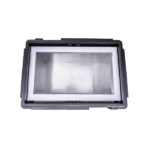
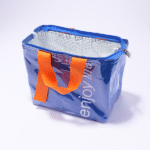
Reutilizável caixas isoladas pode funcionar bem em rotas repetidas onde a caixa pode ser devolvida, limpo, inspecionado, e reimplantado. Eles podem ser adequados para entrega de alimentos, distribuição de refeições, coleta de amostras médicas, redes de laboratório, e logística da filial. Seu sucesso depende da taxa de retorno, controle de perdas, procedimentos de limpeza, e regras de inspeção. Uma caixa reutilizável sem sistema de devolução não é um programa de reutilização; é apenas um pacote unilateral mais caro.
Sistemas de painéis de alto desempenho, incluindo designs de painéis isolados a vácuo, pode ajudar onde a eficiência da carga útil e a resistência térmica são importantes. Eles também exigem manuseio cuidadoso e inspeção de danos. Sistemas isolados à base de fibra ou papel podem apoiar metas de descarte ou sustentabilidade em algumas operações, mas umidade, compressão, e as evidências da rota devem ser verificadas.
A escolha do material deve estar vinculada ao modo de falha. Se as caixas forem esmagadas em vans, empilhamento e resistência da parede são importantes. Se as caixas forem reutilizadas, limpeza e desgaste do fechamento são importantes. Se as caixas forem enviadas por encomenda, embalagem externa e matéria de proteção de canto. Se o produto for regulamentado, documentação e embalagem repetível.
Peça evidências que descrevam as condições por trás do desempenho
As declarações de desempenho só são úteis quando você consegue ver as condições por trás delas. Uma declaração sobre tempo de espera ou proteção de temperatura deve ser apoiada por detalhes: perfil ambiente, carga útil, condição inicial do produto, tipo de refrigerante, condição do líquido refrigerante, layout de embalagem, posicionamento do registrador, Critérios de aceitação, e se a configuração testada corresponde à caixa citada.
Referências do setor podem ajudar a estruturar a conversa. Os testes de transporte térmico e os padrões de processo da ISTA podem ser relevantes para contêineres isolados, mas um perfil de teste deve ser comparado com a rota do comprador. O kit de ferramentas para armazenamento e manuseio de vacinas do CDC enfatiza o monitoramento da temperatura e o manuseio correto para programas de vacinas. Recursos da OMS e UNICEF distinguem caixas frigoríficas, portadores de vacinas, e outro recipientes isolados usado com pacotes de refrigerante. Os recursos de controle de temperatura da IATA são úteis para o manuseio de carga aérea do tempo- e remessas sensíveis à temperatura. Estas referências não transformam uma caixa numa solução universal, mas ajudam os compradores a fazer perguntas mais precisas.
| Reivindicação ou documento | O que isso deveria te dizer | Cuidado do comprador |
|---|---|---|
| Declaração de tempo de espera | Duração sob condições de teste definidas | Não use a menos que o perfil ambiente, carga útil, e o líquido refrigerante correspondem suficientemente à sua remessa |
| Instruções de embalagem | Método de montagem exato para produto, refrigerante, divisores, e registrador | Se a equipe tiver que adivinhar, o desempenho pode não ser repetível |
| Registro de temperatura | O que aconteceu durante um teste ou remessa | A colocação do registrador deve refletir o risco do produto, não apenas a temperatura da parede ou do líquido refrigerante |
| Especificação de materiais | Tipo de isolamento e detalhes de construção | O nome do material por si só não comprova o desempenho da rota |
| Processo de controle de alterações do fornecedor | Como material, tampa, Carton, ou mudanças de refrigerante são comunicadas | Pequenas mudanças podem afetar o ajuste, encerramento, e comportamento térmico |
Use esta tabela durante a revisão do fornecedor e aprovação interna. Isso mantém a conversa prática. Você não está pedindo uma linguagem impressionante; você está pedindo condições, limites, e repetibilidade.
Projete a embalagem com o mesmo cuidado que a caixa
O packout é a versão real funcional da caixa isolada. Ele decide onde o produto fica, onde fica o refrigerante, como o fluxo de ar ou espaço vazio é gerenciado, como a condensação é controlada, onde o registrador é colocado, e como a tampa fecha. Uma caixa forte pode falhar com um pacote fraco. Uma caixa razoável pode ter um bom desempenho quando o packout é disciplinado e adequado à rota.
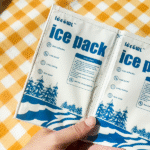
A seleção do refrigerante precisa de cuidados especiais. Pacotes de gel, materiais de mudança de fase, gelo seco, e outros refrigerantes se comportam de maneira diferente. Um refrigerante adequado para alimentos refrigerados pode não ser apropriado para um medicamento sensível ao congelamento. O gelo seco pode ser útil para certas remessas congeladas, mas pode desencadear requisitos adicionais de transporte e segurança e não é adequado para todos os produtos ou caixas.
A proteção do produto faz parte do design da embalagem. Não deixe itens frágeis se deslocarem. Não deixe que as etiquetas fiquem ilegíveis. Não coloque um registrador onde ele registrará apenas a temperatura do líquido refrigerante. Não projete um pacote que funcione apenas quando um funcionário experiente o monta lentamente. Se a equipe do armazém não puder repetir isso durante um turno movimentado, o design não está operacionalmente pronto.
Por exemplo, uma rede de laboratório pode precisar de uma caixa isolada para transferência regional de amostras. A equipe técnica poderá aprovar o tamanho interno, mas o teste de embalagem revela que os recipientes secundários, material absorvente, refrigerante, e o logger deixa menos espaço utilizável do que o esperado. A solução pode ser um formato interno diferente, um layout de refrigerante revisado, ou um tamanho de caixa diferente. A lição é simples: teste todo o pacote, não a caixa vazia.
Ferramentas úteis de decisão
Verifique os detalhes antes de escolher a embalagem
Essas ferramentas rápidas podem ajudá-lo a comparar o risco da rota, necessidades de dimensionamento, escolhas de refrigerante, e detalhes da embalagem antes de solicitar um orçamento.
Seletor de embalagens
Compare opções de embalagens isoladas por produto, rota, e necessidade de temperatura.
Encontre embalagensResistência à queda de material de isolamento
Revise a resistência à queda e os fatores de manuseio antes de escolher materiais de isolamento.
Verifique a resistênciaVerificador de risco de rota
Revise as condições da pista antes de selecionar a embalagem para requisitos operacionais reais.
Verifique o risco da rotaCrie um processo de recebimento antes da saída da primeira remessa
Muitos problemas da cadeia de frio aparecem após o parto, não durante a seleção da caixa. O receptor pode não saber onde o registrador está, com que rapidez abrir a caixa, o que significa alarme, ou quando colocar o produto em quarentena. Se o produto for sensível ou regulamentado, instruções de recebimento devem fazer parte do plano de embarque.
Defina quem verifica a condição do pacote, quem recupera o registrador, quem revisa o registro de temperatura, e o que acontece se a remessa parecer quente, danificado, atrasado, ou fora do alcance. Uma caixa não pode tomar uma decisão de disposição. Essa decisão pertence ao procedimento de qualidade ou ao proprietário do produto.
Para remessas de alimentos, o recebimento pode se concentrar na condição do produto, vazamento, odor, integridade do pacote, e tempo após o parto. Para remessas diagnósticas e farmacêuticas, o recebimento também pode incluir dados de temperatura, rótulos, etapas da cadeia de custódia, e documentação. Os requisitos variam de acordo com o produto e o mercado, portanto, o processo deve ser aprovado pela equipe responsável antes da implementação.
O processo de recebimento também alimenta melhorias. Se os registradores mostrarem exposição repetida em um determinado ponto de transferência, a solução pode ser o planejamento de rotas, controle de preparação, um nível de serviço diferente, ou um pacote mais forte. Sem receber dados, os compradores podem continuar trocando de caixa sem encontrar a causa real.
Perguntas do fornecedor que evitam erros de dimensionamento dispendiosos
Antes de comprar em massa, faça perguntas ao fornecedor que conectem o design do produto ao controle de produção. Quais são as dimensões internas e externas? Qual é o espaço de carga útil com o refrigerante recomendado? Qual material é usado, e quais mudanças acionariam a notificação do comprador? Como a caixa deve ser limpa, inspecionado, armazenado, e aposentado se for reutilizável?
Pergunte se a amostra corresponde às unidades de produção. Uma amostra pode ser feita cuidadosamente, enquanto a produção em massa introduz variação. Confirme o ajuste da tampa, tensão de fechamento, consistência da parede, ajuste da caixa, colocação de acessórios, e localização da etiqueta. Se o fornecedor oferecer personalização, pergunte como as alterações personalizadas afetam as evidências térmicas. Uma posição diferente do logotipo pode não importar, mas uma tampa diferente, forro, perfil de parede, ou o layout do refrigerante pode.
Pergunte qual documentação está disponível. Dependendo do produto e do nível de risco, você pode precisar de instruções de embalagem, informações materiais, relatórios de teste, registros de calibração para registradores, ou uma revisão do perfil ambiental. Não peça uma vaga promessa de que a caixa é compatível. Pergunte como a embalagem oferece suporte ao seu processo de envio específico.
Finalmente, pergunte como o fornecedor lida com reclamações e mudanças. Se uma remessa falhar, o fornecedor pode ajudar a investigar se o problema foi embalagem, manuseio, exposição da rota, condição inicial do produto, ou danos na caixa? Se o material mudar, você será informado antes da produção? Essas questões são mais importantes do que um folheto sofisticado.
A sustentabilidade deve seguir a confiabilidade, não substitua
A sustentabilidade agora faz parte de muitas decisões de embalagem, mas não deve ser reduzido a um único rótulo. Embalagens reutilizáveis podem reduzir o desperdício em rotas repetidas, ainda assim depende da logística de retorno, limpeza, inspeção, e controle de perdas. Uma solução reciclável ou baseada em fibra pode apoiar as metas de descarte, mas ainda precisa de evidências de rota e resistência à umidade. Um expedidor de alto desempenho pode reduzir a perda de produto, mas pode adicionar custo ou complexidade de manuseio.
A caixa isolada mais responsável é aquela que protege o produto de forma confiável dentro da operação real e ao mesmo tempo atende ao desperdício do comprador, retornar, e restrições de custos. Uma remessa rejeitada desperdiça produto, trabalho, frete, embalagem, e confiança do cliente. A confiabilidade faz parte da sustentabilidade porque a falha do produto tem sua própria pegada.
Ao avaliar opções com menor desperdício, faça as mesmas perguntas que você faria para qualquer caixa. Qual produto está sendo protegido? Qual rota está sendo usada? Quais evidências apoiam o desempenho? O que acontece após o uso? Quem limpa ou descarta a embalagem? Como o material danificado é removido de serviço? Se essas respostas forem claras, metas de sustentabilidade tornam-se práticas em vez de decorativas.
Perguntas frequentes
Qual é o objetivo principal de uma caixa isolada?
O objetivo principal é retardar a transferência de calor entre o espaço do produto e o ambiente externo. Ajuda a amortecer as mudanças de temperatura durante o transporte ou armazenamento, mas não cria refrigeração por si só. Para transporte de cadeia de frio, a caixa geralmente precisa do refrigerante correto, pacote, condição inicial do produto, plano de rota, e processo de recebimento.
Como posso saber se uma caixa isolada é adequada para o meu produto?
Comece com os requisitos do produto, então compare a rota, carga útil, refrigerante, e evidências. Pergunte se a caixa foi testada com uma embalagem semelhante à sua remessa. Confirme o espaço interno utilizável, colocação de refrigerante, estratégia de registrador, e procedimento de recebimento. Para produtos regulamentados, envolver a equipe de qualidade antes da aprovação.
Uma caixa isolada mais espessa é sempre melhor?
Nem sempre. Um isolamento mais espesso pode reduzir a transferência de calor, mas pode reduzir o espaço de carga útil, aumentar o tamanho do frete, ou criar problemas de manuseio. Ajuste da tampa, design de embalagem, colocação de refrigerante, condição material, e a exposição da rota pode ser tão importante quanto a espessura da parede. Os compradores devem avaliar o sistema completo em vez de uma dimensão.
Posso usar uma caixa isolada para todas as remessas da cadeia de frio??
Geralmente isso é arriscado. Produtos diferentes têm necessidades de temperatura diferentes, tamanhos de carga útil, sensibilidade ao congelamento, duração da rota, e requisitos de documentação. Uma caixa pode cobrir uma família de remessas semelhantes, especialmente em uma rota controlada, mas os compradores não devem presumir o ajuste universal sem testes e revisão de qualidade.
O que devo verificar antes de fazer um pedido em grandes quantidades?
Verifique a consistência da amostra até a produção, espaço de carga útil, instruções de embalagem, compatibilidade de refrigerante, base de teste, processo de controle de mudanças, requisitos de limpeza ou descarte, e recebendo fluxo de trabalho. Se uma duração de desempenho for declarada, confirme o perfil ambiental, carga útil, condição do líquido refrigerante, posicionamento do registrador, e critérios de aceitação por trás dessa declaração.
Conclusão
A seleção confiável de caixas isoladas começa com o envio, não o catálogo. Defina a condição do produto, rota, carga útil, plano de refrigeração, pacote, necessidade de monitoramento, e processo de recebimento antes de comparar estilos de caixa. Em seguida, peça aos fornecedores evidências que descrevam as condições por trás das declarações de desempenho.
A caixa é importante, but it is not the full cadeia de frio. Um sistema prático combina o recipiente certo, refrigerante correto, embalagem repetível, reconhecimento de rota, monitoramento quando necessário, e uma decisão de recebimento clara. Essa abordagem reduz o risco do produto, suporta revisão de qualidade, e ajuda os compradores a evitar erros dispendiosos ao escalar da amostra para a produção.
Sobre Tempk
Tempk atende às necessidades de embalagens com controle de temperatura em aplicações comerciais e pessoais, incluindo embalagem isolada para cenários de cadeia de frio e entrega. Para projetos de caixas isoladas, ajudamos os compradores a traduzir os detalhes da remessa em opções práticas de embalagem: condição do produto, tamanho da carga útil, ajuste de refrigerante, exposição da rota, método de manuseio, e expectativas de documentação. Qualquer meta de desempenho específica deve ser analisada em relação ao pacote e rota pretendidos, para que a recomendação seja fundamentada em condições operacionais reais.
Compartilhe sua rota, carga útil, condição alvo, e fluxo de trabalho de embalagem com Tempk para comparar opções de caixas isoladas antes de confirmar um pedido em massa.