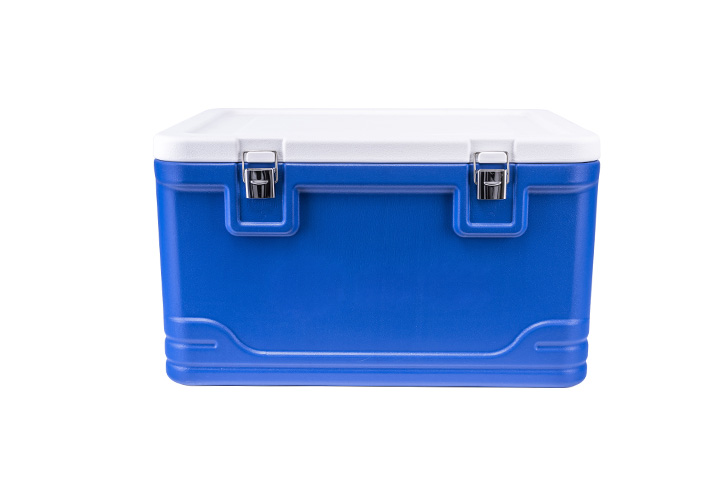
Ensaios clínicos de fornecedores de caixas isoladas para aquisição prática de cadeia de frio
Um fornecedor confiável de caixas isoladas para ensaios clínicos deve ajudá-lo a controlar os riscos práticos que aparecem após o pedido de compra: erros de embalagem, exposição da pista, ajuste de carga útil, e evidências fracas quando uma remessa é questionada. A escolha certa não é a caixa mais cara ou o forro mais leve; é o sistema de embalagem que se adapta aos produtos sob investigação, kits de laboratório, amostras de pacientes, produtos comparadores, e materiais do local de teste, o intervalo necessário, a rota, e as necessidades de documentação do comprador sem fazer alegações de que o fornecedor não pode suportar.
Uma especificação clara também protege o relacionamento com o fornecedor. Se o seu pedido diz apenas caixa isolada, diferentes fornecedores podem cotar estruturas diferentes, volumes utilizáveis, forros, fechamentos, e suposições de refrigerante. Uma investigação melhor descreve a faixa de temperatura do protocolo de estudo, que deve ser confirmado antes de qualquer caixa ou refrigerante ser selecionado, a rota, a carga útil, e os pontos de manuseio que devem ser controlados.
Para carga de saúde, A IATA usa uma etiqueta sensível ao tempo e à temperatura para remessas reservadas como cargas sensíveis ao tempo e à temperatura. A orientação do PIB da UE também espera sistemas de controle de temperatura validados quando necessário e pode exigir evidências de temperatura de trânsito mediante solicitação. Muitas vias refrigeradas de vacinas e farmacêuticas estão planejadas em torno de 2°C a 8°C, mas a faixa real deve vir do rótulo do produto, protocolo, ou equipe de qualidade. ISTA 7E é usado como referência para térmica embalagem de transporte em sistemas de entrega de encomendas, mas um perfil padrão não é o mesmo que qualificação específica de pista. As declarações de tempo de espera devem ser verificadas em relação à carga útil, perfil ambiente, pacote, e critérios de aceitação.
Defina o trabalho antes de comparar o fornecedor de caixas isoladas com fornecedores de ensaios clínicos
O processo de seleção mais forte começa antes das cotações dos fornecedores. Defina o que o pacote deve proteger, o que deve ser comprovado, e que tipo de realidade enfrentará. Para produtos experimentais, kits de laboratório, amostras de pacientes, produtos comparadores, e materiais do local de teste, os principais modos de falha incluem desvio de protocolo, investigação de excursão, recebimento atrasado do site, exemplos de perguntas sobre integridade, e falta de evidências de cadeia de custódia. Esses riscos são práticos, então a especificação também deve ser prática: faixa alvo, tempo de trânsito, exposição de transferência, tamanho da carga útil, necessidades de refrigerante ou revestimento, e processo de recebimento.
Um fornecedor pode ajudar a refinar esses detalhes, mas o comprador não deve terceirizar todo o requisito. Se o fornecedor não souber a rota, sensibilidade do produto, e critérios de aceitação, a recomendação será baseada em suposições. Uma boa linguagem de compras reduz essas suposições e torna as discussões posteriores sobre desempenho mais justas para ambos os lados.
Separe a caixa, o pacote, e a evidência
A caixa é apenas uma parte do resultado. A embalagem inclui o layout do produto, refrigerante ou PCM, forro, preenchimento vazio, encerramento, rótulos, e qualquer dispositivo de monitoramento. As evidências incluem dados de teste, instruções de embalagem, testes de pista, recebendo registros, e revisão de qualidade. Quando essas três partes são separadas, os compradores podem ver exatamente o que foi comprovado e o que ainda precisa de verificação.
Esta distinção evita reivindicações excessivas. Uma caixa isolada pode ser adequada para uma pista após revisão, mas não é automaticamente qualificado para todas as rotas. Um registrador de dados pode documentar uma excursão, mas não pode impedir alguém. Um material sustentável pode reduzir o desperdício, mas ainda tem que proteger o produto. Limites claros tornam a compra final mais defensável.
Combine a configuração com o padrão de envio
| Ponto de verificação de compras | Como usar | O que não assumir |
|---|---|---|
| Ajuste do produto | Comece com a gama de produtos, sensibilidade, e critérios de aceitação | Não presuma que uma caixa isolada se adapta a todos os produtos na pista |
| Ajuste de rota | Compare o pacote com o carregamento real, encenação, e comportamento de entrega | Não compare um perfil de laboratório favorável com todas as rotas de campo |
| Ajuste do material | Isolamento de equilíbrio, força, limpar, disposição, e opções de devolução | Não substitua os dados de desempenho por uma afirmação material |
| Ajuste da documentação | Solicite instruções de embalagem e registros de testes ou qualificação disponíveis | Não trate a linguagem de marketing como prova de conformidade |
| Ajuste de escala | Verifique a consistência da amostra até a produção e a notificação de mudança de fornecedor | Não aprove uma amostra sem saber o que acontece na produção em massa |
Use esta tabela como uma ferramenta de triagem, não como um substituto para um teste de embalagem. O objetivo é tornar as suposições visíveis para que a compra, armazém, logística, e as equipes de qualidade podem discutir os mesmos fatos antes de aprovar amostras ou pedidos em grandes quantidades.
Perguntas que revelam a maturidade do fornecedor
A maturidade do fornecedor aparece nas perguntas que o fornecedor faz. Um fornecedor sério vai querer conhecer a gama de produtos, dimensões de carga útil, duração da pista, exposição ambiental, processo de embalagem, e se o monitoramento é necessário. Um fornecedor fraco só pode pedir o tamanho da caixa e a quantidade do pedido. Isso não significa que o produto seja ruim, mas significa que o comprador deve trabalhar mais para definir o risco.
Pergunte como as unidades de amostra se comparam às unidades de produção. Pergunte se as substituições de materiais exigem notificação. Pergunte o que acontece se um forro, painel de espuma, ou alterações de fechamento. Pergunte se o fornecedor pode fornecer instruções de embalagem que o pessoal do armazém possa seguir sem suporte de engenharia. Para pedidos em grandes quantidades, esses detalhes geralmente são mais importantes do que pequenas diferenças no preço unitário.
Onde a linguagem de conformidade deve ser cautelosa
Remessas da cadeia de frio e regulamentadas podem envolver requisitos do cliente, Regras de transporte, procedimentos de qualidade, ou orientação específica do mercado. A embalagem pode atender a esses requisitos, mas não deve ser descrito como universalmente compatível sem evidências. Para carga de saúde, A rotulagem IATA e a documentação de temperatura podem ser aplicadas dependendo de como a carga é reservada e manuseada. Para comida, as expectativas de transporte sanitário podem envolver refrigeração, limpeza, e proteção contra contaminação. Para produtos químicos, A revisão da FDS e a classificação de perigo são essenciais.
A redação mais segura é operacional: verifique a gama de produtos, verifique o pacote, verificar o perfil de teste, e verificar as necessidades de documentação com a equipe de qualidade ou logística. Essa linguagem é menos dramática do que uma promessa geral de conformidade, mas é muito mais útil para compras reais.
Um exemplo prático: passando da aprovação de amostras para pedidos de rotina
Imagine que um comprador aprova uma caixa de amostras de kits iniciais para sites. A amostra parece boa, o produto chega em condições aceitáveis, e o preço unitário é viável. O risco aparece depois, quando o armazém inicia pedidos de rotina e os embaladores interpretam o layout de maneira diferente. Uma pessoa coloca refrigerante em cima, outro coloca nas laterais, e um terceiro adiciona documentos de uma forma que deixa uma lacuna na tampa.
A solução não é necessariamente uma caixa diferente. Pode ser um diagrama de embalagem mais claro, controle de refrigerante pré-condicionado, uma lista de verificação de recebimento, e um acordo do fornecedor de que os materiais de produção corresponderão à amostra aprovada. É aqui que a aquisição de embalagens maduras se torna um controle de qualidade operacional, em vez de uma simples compra.
Ferramentas úteis de decisão
Verifique os detalhes antes de escolher a embalagem
Essas ferramentas rápidas podem ajudá-lo a comparar o risco da rota, necessidades de dimensionamento, escolhas de refrigerante, e detalhes da embalagem antes de solicitar um orçamento.
Refrigerante & Referência PCM
Compare as opções de refrigerante e PCM quando uma rota precisar de suporte adicional de temperatura.
Comparar opçõesGerador de lista de verificação de conformidade
Crie uma lista de verificação prática para revisão de embalagens, envio, e documentação.
Lista de verificação de construçãoReferência de material de isolamento
Compare as opções de materiais de isolamento para diferentes necessidades de embalagens da cadeia de frio.
Compare materiaisDetalhes que decidem se a compra é dimensionada de maneira limpa
A aprovação da amostra só é útil quando se assemelha ao trabalho rotineiro. Se a ordem de produção usar uma caixa diferente, corte de forro, densidade de espuma, encerramento, tamanho do refrigerante, área do rótulo, ou sequência de embalagem, a amostra aprovada não pode mais representar o produto enviado. Pergunte ao fornecedor como as alterações são comunicadas e como você pode identificar a versão aprovada no estoque recebido.
O treinamento no armazém deve fazer parte da compra. A melhor instrução é simples o suficiente para ser seguida por novos funcionários durante um turno movimentado: produto pré-condicionado, preparar refrigerante, colocar carga útil, coloque refrigerante, feche a caixa, aplicar rótulos, tempo recorde, e passar para despacho. Se o pacote exigir julgamento que apenas um engenheiro entende, é muito frágil para escala.
As equipes receptoras também precisam de critérios claros. Eles devem saber se devem inspecionar um registrador, verifique o estado da embalagem, registrar hora de chegada, dano fotográfico, ou colocar uma remessa em quarentena para análise de qualidade. A embalagem não está terminada quando o transportador a recolhe; termina quando o receptor pode tomar uma decisão confiante.
Para ciências biológicas e uso em ensaios clínicos, a equipe de qualidade deve decidir quais evidências são necessárias antes do uso rotineiro. Isso pode incluir requisitos de protocolo, posicionamento do registrador, manejo de excursões, linguagem do rótulo, e instruções de devolução. A aquisição de embalagens não deve criar uma lacuna entre a equipe operacional e o estudo ou os requisitos do produto.
Perguntas frequentes
Um fornecedor de caixas isoladas para ensaios clínicos é suficiente para controlar a temperatura por si só?
Não. A caixa isolada retarda a transferência de calor, mas normalmente precisa do pré-condicionamento correto do produto, refrigerante ou PCM, layout de embalagem, método de fechamento, e processo de manuseio. Para remessas de alto risco, os compradores também devem decidir se o monitoramento da temperatura é necessário. Trate a caixa como parte de um sistema e não como uma garantia independente.
O que devo perguntar a um fornecedor antes de solicitar amostras?
Solicite dimensões internas e externas, espaço de carga útil, estrutura material, método de fechamento, opções de refrigerante compatíveis, instruções de embalagem, evidência de teste disponível, e controles da amostra até a produção. Descreva também sua rota e gama de produtos. Um fornecedor pode dar uma recomendação melhor quando o caso de uso é claro.
Posso confiar nas reivindicações de tempo de espera publicadas?
As declarações de tempo de espera publicadas são úteis somente quando as condições de teste são claras. Verifique a carga útil, quantidade de refrigerante, perfil ambiente, carregamento do produto, limites de aceitação, e se o resultado veio de um perfil de laboratório ou de um teste de pista real. Se as condições não corresponderem à sua remessa, trate a reivindicação como um ponto de partida, não é prova.
Como comparo uma caixa reutilizável com uma caixa descartável?
Compare mais do que o custo unitário. Considere a logística de devolução, limpeza, taxa de perda, Espaço de armazém, cubo de frete, risco do produto, e quantas vezes a pista se repete. UM caixa reutilizável pode ser atraente em rotas de circuito fechado, enquanto os sistemas descartáveis ou recicláveis podem se adequar melhor às remessas de exportação unilateral ou de comércio eletrônico.
As remessas de ciências biológicas ou de ensaios clínicos sempre precisam de um registrador de dados?
Nem sempre, mas muitas remessas de alto risco se beneficiam do histórico documentado de temperatura. A decisão depende do protocolo, valor do produto, expectativas regulatórias ou do cliente, risco de rota, e a ação necessária após o parto. A colocação e calibração do registrador devem ser revisadas, não assumido.
Conclusão
O melhor fornecedor de caixas isoladas para ensaios clínicos é aquele que se adapta ao produto, rota, pacote, necessidades de documentação, e equipe operacional. Deve proteger a remessa sem esconder a incerteza por trás de reivindicações amplas.
Outro hábito de compra útil é separar as condições obrigatórias das preferências. Os itens indispensáveis incluem a gama de produtos, ajuste de carga útil, integridade do fechamento, exposição da rota, e qualquer documentação necessária. As preferências incluem eficiência de armazenamento, menor peso do material, cor, área de impressão, ou uma rota de descarte específica. Quando os dois estão misturados, as equipes podem rejeitar um pacote termicamente adequado por razões estéticas ou aceitar um pacote fraco porque parece conveniente.
Os compradores também devem manter um registro simples do motivo pelo qual um pacote foi selecionado. O registro não precisa ser longo. Pode indicar o tipo de produto, suposição de pista, versão do pacote, evidência do fornecedor revisada, e quaisquer limites que a equipe aceitou. Esse registro ajuda quando uma remessa é investigada meses depois ou quando um novo gerente de compras herda o projeto.
Use discussões com fornecedores para verificar a variedade, rota, evidência, e processo de expansão. Uma vez que esses pontos estejam claros, a decisão de compra se torna mais fácil de defender e mais fácil de repetir.
Sobre Tempk
Suporte temporário embalagem da cadeia de frio decisões para cuidados de saúde sensíveis à temperatura, laboratório, e remessas de ciências biológicas. Nós nos concentramos no ajuste prático da embalagem: condições da rota, espaço de carga útil, escolha do refrigerante, instruções de embalagem, e o nível de documentação que o comprador precisa revisar. Em vez de tratar uma caixa isolada como uma resposta universal, ajudamos as equipes a comparar formatos adequados, como caixas isoladas, forros, refrigeradores, pacotes de gel, e relacionado embalagem térmica componentes.