Sacos de entrega isolados: Como escolher em 2025?
Sacos de entrega isolados são uma das atualizações mais baratas que você pode fazer para proteger a qualidade da última milha. Eles mantêm a comida quente quente, itens frios frios, e produtos frágeis estáveis. Eles também reduzem reclamações “aleatórias” causadas por problemas de trânsito., múltiplas paradas, e abertura frequente. Se você combinar sacos de entrega isolados com três hábitos simples, sua qualidade se torna previsível.
Este artigo responderá para você:
- Como retenção de temperatura de sacos de entrega isolados funciona em rotas reais
- Qual melhores sacos de entrega isolados para entrega de alimentos os recursos são mais importantes
- Como escolher sacos de entrega isolados para mantimentos sem comprar demais
- Por que sacos de entrega isolados com fundo rígido reduzir derramamentos e reembolsos
- Um SOP rápido para como limpar sacos de entrega isolados em escala
O que são sacolas de entrega isoladas, e o que eles realmente resolvem?
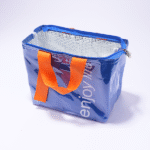
Sacos de entrega isolados são barreiras térmicas reutilizáveis que retardam a mudança de temperatura durante o transporte. Em termos simples, eles ganham tempo para você. Esse tempo protege a qualidade quando você não pode controlar o tráfego ou o acesso ao edifício. Sacos de entrega isolados não crie calor ou frio, então a temperatura e a velocidade iniciais ainda são importantes.
A maioria das equipes acha que as malas resolvem apenas condições climáticas extremas. Na prática, sacos de entrega isolados resolver falhas cotidianas:
- Refeições mornas em rotas com múltiplas paradas
- Sobremesas derretidas após abertura repetida
- Itens de mercearia aquecendo entre a coleta e a porta
- Embalagens esmagadas em veículos lotados
- A confiança do cliente é quebrada devido à entrega inconsistente
Pense em sacos de entrega isolados como uma caneca de viagem. A caneca não aquece o café. Retarda o resfriamento enquanto você está ocupado.
Onde geralmente acontece a perda de qualidade (e por que as bolsas são importantes)
A última milha é arriscada porque as portas abrem com frequência e as paradas são imprevisíveis. O comportamento do motorista é tão importante quanto a espessura do isolamento. Quando sacos de entrega isolados falhar, muitas vezes parece que “a bolsa não funcionou”. A verdadeira causa geralmente é o tempo, aberturas, ou misturando quente e frio.
| Risco da última milha | O que os clientes notam | Por que isso acontece | O que as sacolas de entrega isoladas consertam |
|---|---|---|---|
| Aberturas frequentes | Comida morna | Escavação multiparadas | Perda de calor mais lenta |
| Longo tempo ocioso | Itens macios ou derretidos | Atrasos no trânsito | Tempo extra de buffer |
| Esmagamento | Derramamentos e danos | Excesso de empilhamento | Melhor estrutura |
| Misto quente + frio | Encharcado + esquentar | Hábito de uma sacola | Sistema de separação |
Dicas práticas que você pode usar hoje
- Entregue quente + frio juntos? Use dois sacos de entrega isolados, nenhum.
- Motoristas correm? Escolha zíperes fáceis e aberturas largas para reduzir o tempo aberto.
- Derramamentos acontecem? Priorize sacos de entrega isolados com fundo rígido.
Caso prático: Uma equipe de entrega de refeições reduziu os reembolsos depois de mudar para sacolas de entrega isoladas estruturadas e treinar os motoristas para “fechar dentro 10 segundos.”
Como realmente funciona a retenção de temperatura das sacolas de entrega isoladas?
Retenção de temperatura de sacos de entrega isolados depende de três coisas que você pode controlar. O primeiro é a qualidade do isolamento. Em segundo lugar está a qualidade da vedação. Terceiro é o comportamento operacional. Uma bolsa com ótimo isolamento, mas com zíperes vazando, comporta-se como um casaco de inverno aberto.
Seu objetivo não é a perfeição. Seu objetivo é manter a temperatura estável por tempo suficiente para terminar sua rota. Por isso sacos de entrega isolados funcionam melhor como um sistema, não é um produto.
Os quatro drivers que decidem o desempenho
- Temperatura inicial
Se a comida sair da cozinha já esfriando, a bolsa não pode criar calor. - Selo e tempo de abertura
Cada abertura despeja calor ou frio rapidamente. O design e os hábitos de fechamento são importantes. - Densidade de carga e entreferros
As lacunas de ar causam temperaturas irregulares entre os contêineres. - Ambiente externo
Sol direto, troncos quentes, e mudança de temperatura na velocidade do vento frio.
| Motorista | Boas práticas | Erro comum | O que isso significa para você |
|---|---|---|---|
| Temperatura inicial | Faça as malas rápido | A comida fica descoberta | Menor tempo seguro |
| Horário de abertura | Disciplina aberta/fechada | Saco deixado aberto | Perda de temperatura mais rápida |
| Espaços de ar | Embalagem apertada | Bolsa grande | Qualidade irregular |
| Ambiente | Manipulação com sombra em primeiro lugar | Calor do tronco | Mais reclamações |
Dicas e sugestões práticas
- Expedição de alto volume: preparar sacos perto do passe para que a embalagem seja imediata.
- Rotas com várias paradas: carregar ordens em ordem de parada para evitar escavação.
- Itens frios: adicione proteção à camada superior para reduzir a exposição ao ar quente.
Caso prático: Um serviço de mercearia melhorou a estabilidade ao frio, reduzindo o tempo de abertura dos sacos, não adicionando mais refrigerante.
Quais sacolas de entrega com melhor isolamento para entrega de alimentos são mais importantes?
O melhores sacos de entrega isolados para entrega de alimentos combine com seu cardápio, tipos de contêiner, e estilo de rota. Se você entrega principalmente refeições quentes, você precisa de fechamento e estrutura fortes. Se você entregar misto quente e frio, você precisa de separação e velocidade. Se você entregar itens com muito derramamento, você precisa de estabilidade primeiro.
Recursos que alteram os resultados em operações reais
- Zíper ou fecho forte (o principal ponto de vazamento)
- Forro interno limpo (molhos e óleos acontecem)
- Estrutura (evita esmagamentos e derramamentos)
- Tamanho certo (sacos grandes criam espaços de ar)
- Alças confortáveis (motoristas carregam dezenas por turno)
Quando você deve escolher sacolas de entrega isoladas com fundo rígido
Sacos de entrega isolados com fundo rígido ajudar quando:
- Sopas e molhos derramam facilmente
- Pilha de itens em veículos
- Motoristas carregam malas pelas escadas
- Sua marca exige uma apresentação limpa
| Recurso de bolsa | Melhor para | Risco se faltar | Benefício para você |
|---|---|---|---|
| Fundo duro | Líquidos e pilhas | Derramamentos, caixas esmagadas | Menos reembolsos |
| Zíper forte | Rotas com várias paradas | Vazamento de calor | Melhor consistência |
| Opções de divisor | Pedidos mistos | Mistura quente/frio | Melhor sabor + textura |
| Ampla abertura | Carregamento rápido | Longo tempo aberto | Menos perda de temperatura |
Dicas e sugestões práticas
- Alimentos crocantes: evite aprisionamento de vapor; use embalagens ventiladas quando necessário.
- Itens de pizza: escolha ampla, formatos planos para evitar dobras.
- Alimentos fritos: não vede demais a umidade; concentre-se no calor estável e na entrega rápida.
Caso prático: Um grupo de restaurantes reduziu as reclamações de “batatas fritas encharcadas” combinando sacolas de entrega isoladas com recipientes mais ventilados e prazos de envio mais rápidos.
Como você escolhe sacolas de entrega isoladas para compras?
Sacos de entrega isolados para compras deve proteger categorias mistas: congelado, refrigerado, e itens ambientais. Se você juntar tudo, você força trade-offs. A melhor abordagem é classificar por necessidade de temperatura e manter o sistema simples para coletores e motoristas.
A abordagem da “mercearia de três zonas”
- Zona congelada: sorvete, refeições congeladas, carne congelada
- Zona refrigerada: laticínio, frutos do mar, carne fresca, produzir precisando de frescor
- Zona ambiente: produtos de despensa, pão, lanches
Você não precisa de três marcas de bolsas. Você precisa de uma regra clara para separação. Sacos de entrega isolados tornar-se eficaz quando a equipe puder seguir a regra sob pressão.
| Desafio de mercearia | O que padronizar | O que as sacolas devem fazer | Significado para você |
|---|---|---|---|
| Temperaturas mistas | Regra de classificação | Mantenha as zonas separadas | Melhor frescor |
| Peso pesado | Peso máximo por mala | Evite rasgar | Menos acidentes |
| Itens frágeis | Ordem de embalagem | Evitar esmagamento | Menos retornos |
Dicas e sugestões práticas
- Itens congelados: mantenha-os juntos e reduza o tempo aberto.
- Produzir: evite colocar itens quentes próximos a produtos resfriados.
- Treinamento: ensinar “pesado no fundo, frágil no topo” toda vez.
Caso prático: Uma equipe de entrega de alimentos reduziu itens quebrados depois de mudar para sacolas de entrega isoladas e estruturadas e aplicar uma regra simples de peso máximo.
Quais tamanhos de sacolas de entrega isoladas você deve estocar?
Muitos tamanhos criam confusão. Poucos tamanhos causam erros de embalagem. A melhor abordagem geralmente é:
- Um burro de carga tamanho que cobre a maioria das entregas
- Um tamanho maior para pedidos em grandes quantidades
- Um formato especial somente se o seu produto exigir
O 80/20 plano de tamanho (simples e rápido)
Use seus próprios dados de pedido:
- A bolsa que cabe 80% de pedidos se torna seu padrão
- O segundo saco cobre o próximo 15–20%
- Formas especiais são opcionais, não é padrão
| Estratégia de tamanho de sacola | O que melhora | O que reduz | Significado prático |
|---|---|---|---|
| Menos tamanhos | Velocidade + treinamento | Confusão | Embalagem mais consistente |
| Tamanho padrão | Eficiência de rota | Reembalagem | Envio mais rápido |
| Tamanho especial | Proteção ao produto | Dano | Melhores avaliações |
Dicas e sugestões práticas
- Motoristas reclamam? Os tamanhos das suas sacolas provavelmente não correspondem aos recipientes.
- As malas parecem meio vazias? Você pode ser superdimensionado; encolher um tamanho.
- Os pedidos parecem apertados? Adicione divisórias antes de adicionar mais tamanhos.
Caso prático: Um operador melhorou a consistência após reduzir de cinco tamanhos de sacos para dois, reduzindo erros de embalagem visivelmente.
Como embalar sacos de entrega isolados para pedidos mistos de quentes e frios?
A regra mais segura é simples: não misture quente e frio nas mesmas sacolas de entrega isoladas. Comida quente aquece comida fria. Comida fria esfria comida quente. Ambos sofrem. A embalagem mista também aumenta a condensação e a umidade.
Se sua operação exige pedidos mistos, a resposta é um sistema de duas bolsas:
- Uma bolsa é apenas quente
- Uma bolsa é somente frio
Mapa de embalagem (repetível em 60 segundos)
Saco quente
- Entradas quentes mais pesadas na parte inferior
- Itens crocantes perto do topo com embalagem respirável
- Líquidos na vertical em um canto com inserção estabilizadora
Bolsa fria
- Laticínios e sobremesas no centro
- Fontes frias ao redor da carga, se necessário
- Proteínas cruas seladas e separadas de itens prontos para consumo
| Tipo de pedido | Bolsa correta | Regra de embalagem | Significado prático para você |
|---|---|---|---|
| Pizza | Apenas quente | Plano, sem inclinação | Melhor textura da crosta |
| Sorvete | Somente frio | Adicionar fonte fria | Menos risco de derretimento |
| Sushi/frutos do mar | Somente frio | Pacote apertado + fechamento rápido | Melhor percepção de frescor |
| Sopa | Apenas quente | Inserções verticais | Menos derramamentos |
Dicas e sugestões práticas
- Fechar entre paradas: sacos abertos perdem temperatura rapidamente.
- Usar inserções: inserções reduzem esmagamento e derramamentos em rotas estreitas.
- Pare de cavar: carregue na ordem da rota para que o acesso seja rápido.
Caso prático: Um entregador de vários restaurantes melhorou as classificações ao adotar uma regra estrita de “duas sacolas de entrega isoladas por motorista” para pedidos mistos.
Por quanto tempo as sacolas de entrega isoladas mantêm os alimentos seguros e de alta qualidade?
Não há tempo de espera universal. Sacos de entrega isolados o desempenho depende da temperatura inicial, aberturas, condições externas, e quão cheio o saco está. A mentalidade prática é “orçamento de risco”. Cada minuto quente gasta seu orçamento. Cada abertura gasta seu orçamento mais rapidamente.
Em vez de prometer um número fixo, execute uma regra de controle simples: reduzir o tempo fora de controle e minimizar as aberturas. Esta abordagem melhora a segurança e a qualidade ao mesmo tempo.
Pontuação de tempo de espera (calculadora interativa)
Adicionar pontos:
- Condições externas: leve (0) / esquentar (2) / quente (4)
- Aberturas de bagagem por rota: 1–2 (0) / 3–5 (2) / 6+ (4)
- Fontes frias para itens refrigerados: sim (0) / não (3)
- Sensibilidade do pedido: estável em prateleira (0) / refeições padrão (2) / laticínios/frutos do mar (4)
Pontuação → o que mudar
- 0–5: SOP básico geralmente funciona
- 6–10: aperte o roteamento e reduza as aberturas
- 11–15: redesenhar o tempo de despacho ou alterar a promessa de serviço
Dicas e sugestões práticas
- Comece frio com frio: itens resfriados devem começar resfriados.
- Comece quente com quente: itens quentes devem começar quentes, não “quente”.
- Evite estadias longas: o tempo de preparação costuma ser o culpado oculto.
Caso prático: Uma marca de entrega de refeições reduziu as reclamações após adicionar metas de tempo de coleta na porta e auditar os motoristas com o Hold-Time Score.
Como limpar sacolas de entrega isoladas com segurança e rapidez?
Como limpar sacos de entrega isolados é importante porque odores e resíduos quebram a confiança do cliente. A limpeza também protege a vida útil da bolsa. Mas a limpeza deve ser rápida, ou as pessoas ignoram. A etapa mais ignorada é a secagem. Um saco úmido armazenado fechado pode cheirar mal rapidamente.
A prática rotina de limpeza em 6 etapas
- Esvazie os detritos e limpe os derramamentos imediatamente
- Lave o interior com uma solução de limpeza aprovada
- Concentre-se nas costuras e cantos
- Remover resíduos (não deixe película de sabão)
- Higienize de acordo com seu SOP
- Seque completamente antes de armazenar
| Etapa de limpeza | Qual é a aparência de “pronto” | Falha comum | O que isso significa para você |
|---|---|---|---|
| Limpe e lave | Sem resíduos | Apenas limpeza rápida | O odor cresce |
| Higienizar | Tempo de contato correto | Enxágue muito rápido | Risco de higiene |
| Seco | Totalmente seco | Úmido armazenado | Risco de cheiro e mofo |
Dicas e sugestões práticas
- Frotas de alto volume: crie uma estação de escorredor para que os sacos não fiquem molhados.
- Dias ocupados: “Limpe agora, limpe profundamente depois,”com um cronograma rigoroso.
- Problemas de odor: verifique se os sacos são armazenados fechados enquanto úmidos.
Caso prático: Uma equipe de entrega reduziu o odor da sacola adicionando uma regra: “Nenhum armazenamento fechado até que esteja completamente seco.”
Como você projeta POPs em torno de sacolas de entrega isoladas para uma entrega consistente?
Um programa de sacolas fracassa se for apenas “comprar sacolas e ter esperança”. Você precisa de POPs simples que os motoristas possam repetir sob pressão. Os programas vencedores tratam sacos de entrega isolados como um sistema: bolsa + mapa de embalagem + hábitos + limpeza + revisão semanal.
O SOP do driver de 3 regras (simples e eficaz)
- Classificar por necessidade de temperatura: quente, frio, congelado separado
- Fechar rápido: zíper fechado dentro de um curto período de tempo
- Proteja durante atrasos: mantenha os sacos longe do sol e de superfícies quentes
Despachar POP (rápido e repetível)
- Embale por ordem de rota para reduzir a escavação
- Etiquete os sacos claramente
- Confirme o fechamento antes de sair
| Elemento POP | O que isso impede | Como ensinar | Significado prático |
|---|---|---|---|
| Classificação de temperatura | Danos de temperatura mista | Etiquetas coloridas | Melhor qualidade |
| Disciplina de encerramento | Vazamento de calor | Hábito de cronômetro | Temperaturas mais estáveis |
| Evitar o sol | Choque térmico | Regra de sombra | Menos reclamações |
Dicas e sugestões práticas
- Equipes de duas pessoas: um pacote, verifica-se o fechamento e os rótulos.
- Alta temporada: impor “bolsa fechada, a menos que esteja carregando ativamente”.
- Rotas com várias paradas: carregue para que a primeira parada seja mais fácil de acessar.
Caso prático: Uma frota reduziu a variação de qualidade após adicionar uma rápida “verificação de fechamento” no despacho – 10 segundos por mala.
Ferramenta interativa: Qual configuração de sacolas de entrega isoladas se adapta à sua operação?
Responder Sim ou Não:
- Você entrega mais do que 5 paradas por rota frequentemente?
- Você carrega líquidos como sopas ou molhos regularmente?
- Você entrega itens quentes e frios na mesma rota?
- Você opera em estações extremamente quentes ou frias?
- Você reutiliza sacolas diariamente (alta contagem de ciclos)?
- Você vê reclamações sobre “chegou quentinho” ou “chegou derretido”?
Sua recomendação
- 0–2 Sim: sacos de entrega isolados básicos + disciplina de fechamento pode ser suficiente
- 3–4 Sim: use sacos estruturados e adicione regras de separação quente/frio
- 5–6 Sim: use um sistema de dois tamanhos, fundos duros, e uma estação de limpeza com revisões semanais
Como você mede o ROI para sacolas de entrega isoladas?
O ROI é simples quando você monitora o custo do fracasso. Sacos de entrega isolados pagar quando eles reduzirem os reembolsos, remakes, e reenvio. Eles também compensam quando reduzem o retrabalho do motorista e os danos à embalagem.
Minicalculadora de ROI (2 minutos)
Preencha os espaços em branco:
- Custo de falha na entrega = $_____ (reembolso + refazer/reenviar + trabalho)
- Falhas por semana (linha de base) = _____
- Falhas por semana (depois das mudanças) = _____
- Economia semanal = (linha de base - depois) × custo de falha na entrega
- Economia mensal = economia semanal × 4
| Entrada de ROI | O que rastrear | Por que isso importa | Significado prático |
|---|---|---|---|
| Reclamações | Contar por semana | Sinal de qualidade | Mostra estabilidade |
| Reembolsos/remakes | $ por semana | Sinal de margem | Mostra vingança |
| Derramamentos/esmagamento | Incidentes por semana | Sinal de processo | Mostra o valor da estrutura |
| Perdas de bagagem | Bolsas substituídas | Sinal de durabilidade | Mostra o ciclo de vida |
Dicas e sugestões práticas
- Execute um 30-piloto diurno no seu pior caminho primeiro.
- Altere uma variável de cada vez (tamanho, fechamentos, regra dos dois sacos).
- Revise semanalmente e treine um hábito por semana.
Caso prático: Muitas equipes veem ganhos maiores com o “fechamento rápido + interromper o carregamento do pedido” do que comprar a sacola mais cara.
2025 tendências: o que está mudando para sacolas de entrega isoladas?
Em 2025, a qualidade da entrega é medida pela experiência do cliente, não velocidade sozinho. Os clientes percebem a temperatura, textura, derramamentos, e odores. Isso leva as equipes a padronizar menos modelos de sacolas e melhorar hábitos. Os melhores programas tratam sacos de entrega isolados como um sistema: bolsa + Sop + limpeza + revisão semanal.
Últimos desenvolvimentos nos quais você pode agir
- Projetos estruturados são mais comuns: menos derramamentos e menos esmagamento
- Sistemas de treinamento mais simples: curto, rotinas repetíveis superam manuais longos
- Maiores expectativas de higiene: os clientes percebem odores e manchas rapidamente
Visão do mercado em linguagem simples: os clientes não julgam sua bolsa. Eles julgam a comida. O seu melhor sacos de entrega isolados são aqueles que sua equipe pode usar corretamente todos os dias.
Perguntas frequentes
Q1: Por quanto tempo os sacos de entrega isolados mantêm os alimentos quentes ou frios?
Depende da temperatura inicial, quão cheio está o saco, e com que frequência você o abre. Fechamento mais rápido e cargas mais completas permanecem estáveis por mais tempo.
Q2: As sacolas de entrega isoladas são suficientes sem um veículo refrigerado?
Para rotas curtas, muitas vezes sim. Para rotas longas ou calor extremo, você pode precisar de controle extra. Bolsas ganham tempo, mas eles não criam frio.
Q3: Por que ainda recebo reclamações de “cheguei com frio” com malas boas?
A maioria dos problemas vem do longo tempo de preparação ou abertura frequente. Corrija o processo e a disciplina de fechamento antes de substituir as sacolas.
Q4: Devo usar os mesmos sacos de entrega isolados para produtos quentes e frios??
Você pode, mas a separação é mais segura. Misturar quente e frio em um saco aumenta o risco para ambos.
Q5: Qual é a maneira mais rápida de reduzir derramamentos?
Escolha sacolas de entrega isoladas com fundo rígido e padronize “fundo pesado”, frágil por cima.”
Resumo e recomendações
Sacos de entrega isolados funcionam melhor quando você os trata como um sistema, não é um produto. Escolha tamanhos que correspondam aos seus padrões de pedido. Priorize fechamentos fortes e fundos estruturados para menus com muitos derramamentos. Treine os motoristas para minimizar o tempo aberto e manter as malas longe da luz solar direta. Finalmente, impor uma rotina simples de limpeza e secagem para que os odores não destruam a confiança.
Plano de ação para o próximo passo (CTA)
- Padronizar dois tamanhos de bolsa e um método de embalagem para 30 dias.
- Treine a disciplina “fechar rapidamente” e o carregamento por ordem de rota para reduzir a escavação.
- Adicione uma estação de limpeza básica e uma regra “secar antes de armazenar”.
- Acompanhe as reclamações semanalmente e ajuste uma variável por vez.
Sobre Tempk
E tempk, apoiamos operadores da cadeia de frio e de última milha com soluções térmicas práticas projetadas para uso diário. Nós nos concentramos na repetibilidade: selecionando sacos de entrega isolados, projetando mapas de pacotes, treinando motoristas com micro-brocas, e criar POPs de limpeza que as equipes realmente sigam. Nosso objetivo é simples: ajudar você a reduzir a perda de temperatura e tornar a qualidade da entrega consistente entre motoristas e temporadas.
Chamado à ação: Se você deseja um plano de implementação para sacolas de entrega isoladas – planejamento de tamanho, embalagem de POPs, rotinas de limpeza, e um rastreador de ROI simples – entre em contato com a Tempk para obter um plano operacional que você pode implementar imediatamente.