Caixa EPP isolada: FutureProof Your cadeia de frio in 2025
Atualizado em dezembro 2, 2025
In the realm of cadeia de frio logistics, usar o recipiente certo pode significar a diferença entre produtos frescos e uma deterioração dispendiosa. Um caixa EPP isolada – feito de polipropileno expandido – oferece durabilidade leve, excelente proteção térmica e benefícios ambientais que superam materiais tradicionais como EPS ou EPE. Neste guia completo você descobrirá como isolado Caixas EPP trabalhar, por que eles são vitais para a logística moderna, e quais são as últimas 2025 tendências de mercado significam para o seu negócio. Utilizaremos dados oficiais e casos reais para ajudá-lo a tomar decisões informadas.
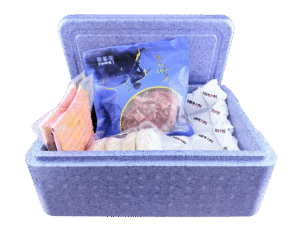
O que é uma caixa EPP isolada e como sua estrutura de espuma fornece isolamento superior?
Como as caixas EPP se comparam ao EPS, EPE e outros materiais em termos de desempenho, custo e sustentabilidade?
Quais aplicações se beneficiam mais das caixas EPP na indústria alimentícia, setores farmacêutico e de comércio eletrônico?
What are the newest innovations and market trends shaping cadeia de frio packaging in 2025?
Como você pode maximizar a vida útil da sua caixa EPP através do uso adequado, limpeza e sensores?
Quais perguntas frequentes os clientes têm ao adotar contêineres EPP reutilizáveis?
O que é uma caixa EPP isolada e como funciona?
Uma caixa EPP isolada é um recipiente reutilizável feito de espuma de polipropileno expandido. Durante a fabricação, contas de polipropileno são expandidas usando vapor e depois moldadas em forma. O processo cria uma estrutura de célula fechada onde pequenas bolsas de ar ficam presas dentro de paredes rígidas de plástico. Esta arquitetura oferece diversas vantagens:
Excelente isolamento térmico – as bolsas de ar fechadas impedem o fluxo de calor, ajudando a manter temperaturas internas estáveis. As folhas de dados listam a condutividade térmica em torno 0.25–0,26 W/m·K, e Rvalores próximos 3.9 no 70 °F. Na prática, As caixas EPP mantêm temperaturas frias por 72–96 horas e ainda mais quando combinado com painéis de vácuo ou placas eutéticas.
Baixa absorção de água e resistência química – células fechadas absorvem menos do que 5 % de volume, resistindo à absorção de umidade; eles também repelem óleos, gorduras e muitos produtos químicos.
Alta relação resistência/peso – A espuma EPP é leve, mas forte; pode suportar quedas de 1.5 m e dura mais 500 viagens sem rachar. Sua resistência à compressão é alta (por exemplo, 11–15 psi em 10 % compressão), permitindo absorver choques e proteger itens delicados.
Ampla faixa de temperatura – EPP permanece estável desde –40 °C a +110 °C, tornando-o adequado para ambientes de freezer ou salas limpas de alta temperatura.
Reutilização e reciclabilidade – o material pode ser limpo, higienizado e reutilizado centenas de vezes, e o polipropileno pode ser reciclado no final da vida.
Por causa dessas propriedades, caixas EPP isoladas fornecem desempenho térmico confiável para produtos perecíveis, farmacêuticos e biológicos. Eles bloqueiam a transferência de calor sobre 30 % de forma mais eficaz do que caixas de EPS descartáveis e são 50 % isqueiro. Uma caixa típica pode alcançar 500 + ciclos de reutilização, reduzindo drasticamente custos e desperdícios.
Propriedades dos materiais e desempenho térmico
| Propriedade | Polipropileno Expandido (EPP) | Poliestireno Expandido (EPS) | EPE/PUR & Outros | Significado prático |
| Densidade (kg/m³) | 15 - 100 (personalizável) | 15 - 30 (geralmente fixo) | Variável | Opções de densidade mais alta permitem que o EPP suporte cargas mais pesadas sem deformação. |
| Condutividade térmica (S/m·K) | 0.25–0,26 | ~0,036 | 0.034 - 0.04 | Valores mais baixos significam melhor isolamento; As paredes mais espessas do EPP e o ar retido melhoram a resistência térmica. |
| Resistência ao impacto | Alto; recupera após compressão | Baixo; quebradiço e racha facilmente | Médio | As caixas EPP podem sobreviver a quedas e manuseio brusco, protegendo o conteúdo e reduzindo as perdas de produto. |
| Absorção de água | <5 % volume | 2 - 4 % volume | Varia | A baixa absorção de umidade evita mofo e mantém a eficiência do isolamento. |
| Faixa de temperatura | –40 °C a +110 °C | –30 °C a +70 °C | –60 °C a +80 °C | O EPP permanece estável em condições de congelamento e esterilização, tornando as caixas versáteis. |
| Reutilização | 500 + ciclos | Uso único | Tipicamente <10 usa | A longa vida útil reduz o custo total de propriedade e o desperdício. |
| Reciclabilidade | 100 % reciclável | Difícil de reciclar devido à contaminação | Limitado | Atende aos regulamentos de sustentabilidade e às metas da economia circular. |
A combinação de baixa condutividade térmica, resiliência de alto impacto e design reutilizável tornam as caixas EPP isoladas ideais para aplicações onde manter uma temperatura estável é fundamental. Quando você abre uma seção transversal de uma caixa EPP, você verá uma treliça de espuma rígida em torno de uma cavidade oca. Este design confere à caixa sua resistência leve enquanto retém o ar para isolamento. A densidade personalizável também permite que os fabricantes otimizem entre configurações mais leves ou mais fortes, dependendo da sua carga útil.
Dicas práticas para uso ideal
Pré-condicionamento com refrigerante: Frio bolsas de gelo ou placas eutéticas durante a noite e pré-resfrie sua caixa de EPP antes de carregá-la. Isto prepara o isolamento e prolonga os tempos de espera.
Carregue com eficiência: Preencha o espaço vazio com amortecedores térmicos, como divisórias isoladas ou enchimento, reduzindo o volume de ar e minimizando as flutuações de temperatura.
Selar bem: Certifique-se de que as tampas se encaixem perfeitamente. Muitas caixas modernas usam ranhuras e clipes embutidos; uma vedação adequada melhora o isolamento 30 %.
Monitorar temperaturas: Use sensores IoT para monitorar a temperatura interna, umidade e localização em tempo real. O monitoramento contínuo permite que você tome ações corretivas caso ocorram desvios.
Limpar e higienizar: Depois de cada viagem, lave a caixa com detergente neutro e desinfetante. A resistência química do EPP permite limpeza repetida sem degradação.
Caso do mundo real: Um distribuidor farmacêutico implementou caixas EPP compactas equipadas com sensores IoT e placas eutéticas. Mais de um ano, a empresa alcançou 72–Estabilidade de temperatura de 96 horas, reduziu as perdas por deterioração de vacinas de US$ 1,2 milhão a zero, e eliminado 15 % rejeição de frutos do mar devido a variações de temperatura. Reutilizando as caixas mais de 500 vezes salvou aproximadamente 60 % dos custos de embalagem em comparação com recipientes EPS descartáveis.
Como as caixas EPP se comparam ao EPS, EPE e outros materiais de isolamento?
When choosing a container for your cadeia de frio shipments, você costuma comparar o EPP com materiais como poliestireno expandido (EPS), polietileno expandido (EPE) ou poliuretano (Pur). Compreender as diferenças ajuda você a selecionar a melhor opção para suas necessidades.
Desempenho e durabilidade: A resiliência e a alta relação resistência/peso do EPP significam que ele pode suportar manuseio brusco sem rachar. EPS, por contraste, é frágil; muitas vezes quebra e solta contas após uma única viagem, criando bagunça e reduzindo a proteção. EPE é mais macio e oferece bom amortecimento, mas menos isolamento térmico e rigidez estrutural, enquanto o PUR fornece excelente isolamento, mas é pesado e não é facilmente reciclável.
Retenção térmica: Com menor condutividade térmica e capacidade de integrar placas eutéticas, As caixas EPP mantêm o conteúdo frio até 96 horas. Os contêineres de EPS só podem permanecer frios por 24 a 48 horas e não podem incorporar elementos de resfriamento avançados de maneira eficaz. EPE e PUR podem oferecer desempenho médio, mas podem exigir paredes mais espessas ou materiais adicionais.
Impacto ambiental: A pressão regulatória está afastando as empresas da espuma descartável. A União Europeia exigência de reciclabilidade para embalagens por 2030 está acelerando mudanças de EPS para isolamento de base biológica e fibra. As caixas EPP são feitas de polipropileno, que é amplamente reciclável e livre de agentes de expansão químicos. Em contraste, O EPS muitas vezes acaba em aterros sanitários devido à contaminação, e PUR podem liberar vapores tóxicos se descartados incorretamente.
Custo e custo total de propriedade: Embora as caixas EPP tenham um custo inicial mais alto do que EPS, eles podem ser reutilizados centenas de vezes. Um contêiner EPP típico se paga depois de apenas oito ciclos de envio quando o rastreamento de IoT reduz perdas e modelos de aluguel espalham custos. Ao longo da vida da caixa, isso resulta em economias significativas, especialmente para faixas de alta frequência.
Flexibilidade e personalização: A espuma EPP pode ser moldada em vários formatos, integrado com alças, Etiquetas RFID ou registradores de temperatura, e colorido (branco, preto ou personalizado) para diferentes indústrias. EPS oferece personalização limitada, enquanto o EPE está disponível principalmente como envoltórios flexíveis.
Takeaways -chave
Durabilidade: As caixas EPP absorvem choques e resistem melhor à deformação do que EPS e EPE.
Longevidade térmica: Eles mantêm temperaturas frias por 72–96 horas com placas eutéticas.
Ferramentas úteis de decisão
Verifique os detalhes antes de escolher a embalagem
Essas ferramentas rápidas podem ajudá-lo a comparar o risco da rota, necessidades de dimensionamento, escolhas de refrigerante, e detalhes da embalagem antes de solicitar um orçamento.
Resistência à queda de material de isolamento
Revise a resistência à queda e os fatores de manuseio antes de escolher materiais de isolamento.
Verifique a resistênciaCalculadora de gelo seco
Estime as necessidades de gelo seco para remessas congeladas ou ultrafrias antes de embalar.
Estimar gelo secoCalculadora de acumuladores de frio
Estime a quantidade de bolsas de gelo em gel para remessas refrigeradas e planejamento prático de rotas.
Estimar bolsas de geloReutilização: Sua vida útil de 500 viagens e capacidade de reciclagem reduzem custos e desperdícios a longo prazo.
Conformidade regulatória: O EPP ajuda você a cumprir mandatos de sustentabilidade, como os requisitos de reciclabilidade da UE.
Aplicativos: Onde brilham as caixas isoladas de EPP?
Logística de alimentos e bebidas
As caixas EPP são amplamente utilizadas para entrega de frutos do mar frescos, carne, laticínios e refeições prontas. Sua alta capacidade de isolamento garante que os itens perecíveis permaneçam dentro da faixa de temperatura exigida durante a entrega de última milha e remessas internacionais. Por exemplo, caixas compactas de EPP usadas com placas eutéticas permitem que os varejistas de alimentos mantenham a temperatura por até 96 horas, manter os produtos frescos mesmo quando os prazos de entrega são imprevisíveis. As empresas de serviços de alimentação também apreciam a durabilidade e a facilidade de limpeza das caixas, o que os torna ideais para uso repetido em cozinhas comerciais e operações de catering.
Farmacêutica e biotecnologia
Vacinas, insulina, anticorpos monoclonais e produtos de terapia celular exigem controle rigoroso de temperatura. As caixas EPP fornecem desempenho térmico consistente e resistência a choques necessários para transportar esses produtos sensíveis. Diretrizes regulatórias, como as do FDA 21 Cfr 600.15 e o PIB da UE sublinham a importância das embalagens validadas. A capacidade do EPP de incorporar sensores de temperatura IoT e rastreamento GPS garante visibilidade em tempo real e conformidade. According to cadeia de frio market analysis, produtos farmacêuticos e biotecnológicos foram responsáveis 45 % of cadeia de frio packaging revenues in 2024, ilustrando a escala da demanda.
Comércio eletrônico e kits de refeição
The rise of directtoconsumer grocery and mealkit services has spurred demand for dependable cadeia de frio packaging. A natureza leve das caixas EPP reduz os custos de envio, enquanto sua força protege ingredientes frágeis contra danos. Com os consumidores esperando embalagem sustentável, a capacidade de reutilizar e reciclar recipientes de EPP melhora a percepção da marca. O rápida expansão do segmento de mercearia online—with AsiaPacific cadeia de frio packaging market growing at 12 % Cagr—cria uma excelente oportunidade para a adoção de soluções EPP.
Logística especializada e uso industrial
Além de alimentos e produtos farmacêuticos, Caixas EPP servem no transporte de produtos químicos, amostras de laboratório, e eletrônicos de alto valor que exigem controle de temperatura. Seu design personalizável permite partições, inserções de absorção de choque e fechos seguros. Nas cadeias de abastecimento industriais, A embalagem EPP protege adesivos sensíveis à temperatura, tintas e resinas contra degradação. Como o EPP tolera temperaturas de até 110 °C, caixas podem ser esterilizadas ou usadas em autoclaves.
2025 Cenário de mercado e tendências de crescimento
Perspectivas do mercado de caixas de isolamento EPP
O mercado global para Caixas de isolamento EPP está preparada para um crescimento sustentado. Arquivar pesquisa de mercado projeta que o mercado valerá a pena US$ 2 bilhões em 2025 com um 7 % CAGR através 2033. A demanda decorre da expansão da entrega de alimentos no comércio eletrônico, remessas de biotecnologia e iniciativas de sustentabilidade. O estudo observa que as vantagens inerentes do EPP – excelente isolamento, peso leve, reutilização e reciclabilidade – são os principais impulsionadores. A concentração de mercado é maior na América do Norte e na Europa, juntos contabilizando cerca de 100 milhões de unidades anualmente, enquanto a Ásia-Pacífico contribui com cerca de 40 milhões de unidades e está experimentando o crescimento mais rápido.
As inovações estão a reforçar a vantagem competitiva do EPP. Os pesquisadores estão melhorando desempenho térmico and extending cadeia de frio duration via new foam formulations and advanced eutectic plates. Os fabricantes também estão adicionando aditivos reciclados e de base biológica ao polipropileno para reduzir as pegadas de carbono. Otimização de design - como caixas empilháveis e dobráveis—reduz os custos de envio e facilita a logística de devolução. Regulamentações rigorosas para segurança alimentar e transporte farmacêutico estão impulsionando ainda mais a adoção.
Tendências do mercado de embalagens de cadeia de frio em 2025
De acordo com Inteligência Mordor, the global cadeia de frio packaging market stood at US$ 32,29 bilhões em 2025 e está projetado para atingir US$ 48,93 bilhões por 2030, representando um 8.67 % Cagr. Os dispositivos de monitoramento de temperatura são o segmento que mais cresce, com um 12.95 % Cagr, refletindo a importância da visibilidade em tempo real. As regulamentações de sustentabilidade desempenham um papel importante -As políticas da UE que exigem a reciclagem total por 2030 encorajar as empresas a mudarem do EPS para materiais de base biológica e soluções reutilizáveis.
Outras tendências incluem sistemas de embalagens híbridas que combinam isolamento passivo com sensores inteligentes, que estão se expandindo em 10.32 % Cagr. Na Ásia-Pacífico, rápida expansão da fabricação farmacêutica, distribuição de vacinas e melhoria da infraestrutura de refrigeração impulsionam um 12 % Cagr. Os modelos de aluguel e rastreamento de IoT em tempo real estão reduzindo o custo total de propriedade, encurtando os períodos de retorno para menos de oito ciclos de envio.
Innovative cadeia de frio technologies shaping 2025
Um relatório de Atualização comercial de controle térmico lista vários avanços que transformam a indústria:
Otimização de rotas orientada por IA: IA analisa tráfego, janelas meteorológicas e de entrega para ajustar rotas, reduzindo o uso de combustível e melhorando a confiabilidade.
Blockchain para rastreabilidade: Blockchain cria registros imutáveis da jornada de um produto, melhorando a conformidade e a confiança do consumidor.
Refrigeração movida a energia solar: Solar cadeia de frio solutions are gaining traction in regions with limited electricity, reduzindo o desperdício e expandindo o acesso.
Contêineres leves com sensores IoT: Novos contêineres integram sensores para monitorar temperatura, umidade e localização em tempo real.
Embalagens ecológicas e materiais sustentáveis: As empresas estão adotando embalagens mais ecológicas para atender aos requisitos regulatórios e à demanda dos consumidores.
The article also notes that international trade and export programmes are boosting cadeia de frio demand. Por exemplo, o Programa de exportação de laticínios do Reino Unido, lançado em 2023 com Financiamento de US$ 1,2 milhão, visa aumentar as exportações de laticínios avaliadas em mais de US$ 2,47 bilhões anualmente, enquanto as exportações de produtos de panificação dos EUA aumentaram para US$ 4,21 bilhões em 2022. The global cadeia de frio market is projected to reach US$ 372 bilhões por 2029, acima de US$ 228,3 bilhões em 2024, com um CAGR de 10.3 %.
Perguntas frequentes
Q1: Por quanto tempo uma caixa EPP isolada pode manter as mercadorias frias?
Uma caixa EPP isolada pode manter as temperaturas necessárias para 72–96 horas, especialmente quando combinado com placas eutéticas e pré-resfriamento adequado. Esta duração pode ser estendida ainda mais com painéis isolados a vácuo ou elementos de resfriamento ativos.
Q2: Posso reutilizar uma caixa EPP centenas de vezes?
Sim. A resiliência do EPP permite que uma caixa seja reutilizada mais do que 500 vezes sem perda significativa de desempenho. A limpeza e o manuseio adequados garantem que a espuma retenha sua integridade estrutural.
Q3: Como o EPP se compara ao EPS ambientalmente?
EPP é 100 % reciclável e livre de agentes de expansão prejudiciais. EPS muitas vezes acaba em aterros sanitários, e suas taxas de reciclagem são baixas. Regulamentações europeias que exigem embalagens recicláveis por 2030 estão acelerando a transição para o EPP.
Q4: O EPP é adequado para produtos farmacêuticos e vacinas??
Absolutamente. As caixas EPP oferecem isolamento consistente, pode integrar sensores de temperatura, e suportar procedimentos de descontaminação. Eles atendem aos requisitos do FDA e do PIB da UE e são amplamente utilizados para produtos biológicos, vacinas e kits de ensaios clínicos.
Q5: Qual é o período de retorno para mudar para caixas EPP reutilizáveis?
Com modelos de aluguel e rastreamento IoT, os períodos de retorno podem cair para menos de oito ciclos de envio. As economias de custos a longo prazo resultam de taxas de substituição mais baixas e redução de deterioração.
Q6: Como as perspectivas do mercado afetam meu negócio?
Demanda crescente - projetada 7 % CAGR para caixas EPP e 8.67 % CAGR for the broader cadeia de frio packaging market—sugere que a adoção antecipada pode proporcionar vantagem competitiva. Tendências como logística de IA, Os mandatos de monitoramento e sustentabilidade da IoT moldarão o ambiente operacional por meio de 2030.
Resumo e recomendações
Caixas EPP isoladas combinam desempenho térmico, durabilidade, reutilização e sustentabilidade to deliver unmatched value for cadeia de frio logistics. As principais conclusões incluem:
Isolamento e resistência superiores: A estrutura de espuma de célula fechada retém o ar, proporcionando baixa condutividade térmica e alta resistência ao impacto. As caixas mantêm a temperatura por 72–96 horas com auxiliares de resfriamento adequados.
Longa vida útil e reciclabilidade: Com mais 500 ciclos reutilizáveis e 100 % Reciclabalidade, O EPP reduz significativamente o custo e o desperdício em comparação com o EPS de uso único.
Vantagens regulatórias e de sustentabilidade: Os mandatos da UE para embalagens recicláveis e os crescentes compromissos ESG favorecem a adoção do EPP. O uso do EPP ajuda a cumprir as metas de sustentabilidade corporativa e a reduzir a pegada de carbono.
Crescimento do mercado e inovação: O mercado de caixas EPP, avaliado em US$ 2 bilhões em 2025, está crescendo em 7 % Cagr. Inovações como planejamento de rotas com IA, IoT sensors and solar refrigeration are reshaping cadeia de frio logistics.
Etapas acionáveis
Avalie suas remessas: Analise os requisitos de temperatura, condições de manuseio e logística de devolução. As caixas EPP podem fornecer valor imediato se você enviar produtos perecíveis com frequência ou por longas distâncias.
Adote monitoramento inteligente: Integre sensores IoT e dispositivos de rastreamento para obter visibilidade em tempo real de suas remessas e otimizar rotas logísticas.
Transição para sistemas reutilizáveis: Explore modelos de aluguel ou redes agrupadas que permitem compartilhar e reutilizar caixas EPP, encurtando os períodos de retorno para menos de oito viagens.
Envolva-se com fornecedores: Trabalhe com fornecedores de embalagens para personalizar soluções EPP, como designs particionados, cores e tamanhos – que atendem às suas necessidades específicas.
Sobre Tempk
Tempk is a leading cadeia de frio solutions provider focused on innovation and sustainability. Nossos produtos incluem caixas EPP isoladas de alto desempenho, placas eutéticas, sensores de temperatura e sistemas de entrega lastmile. Com décadas de experiência no setor, projetamos soluções que atendem às rigorosas regulamentações alimentícias e farmacêuticas enquanto reduz o impacto ambiental. Nossas caixas EPP reutilizáveis são projetadas para 500 + ciclos e são totalmente recicláveis. Nós priorizamos melhoria contínua, incorporando materiais reciclados e tecnologia inteligente para ficar à frente das tendências do mercado. Quer você esteja enviando vacinas que salvam vidas ou queijo artesanal, Tempk fornece confiável, embalagens econômicas e ecológicas.
Chamado à ação: Ready to improve your cadeia de frio performance? Contactar a Tempk para discutir soluções personalizadas de caixas EPP isoladas e saber como nossa tecnologia pode proteger seus produtos e avançar em suas metas de sustentabilidade.