Compra a granel de bolsa isolada na Espanha: Um plano prático de aprovação
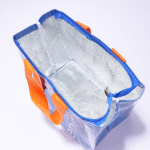
O trabalho decisivo em um bolsa isolada O programa de compra em massa na Espanha acontece antes do pedido em volume. Um comprador deve traduzir uma mercearia, entrega de refeição, varejo, ou necessidade de logística interna em uma carga útil definida, mapa de transferência, especificação de materiais, plano de evidências, e modelo de propriedade. Só então as amostras e cotações poderão ser comparadas de forma justa. A bolsa deve ser tratada como um componente em um sistema operacional: retarda o fluxo de calor, enquanto refrigerante, encenação, controle de rota, comportamento do usuário, limpeza, e os processos de conformidade determinam se o sistema funciona na Espanha.
Portão Um: Descreva o serviço em linguagem operacional
Substitua a solicitação “reutilizável bolsa térmica para produtos refrigerados” com uma breve declaração operacional. Nomeie os produtos embalados, carga típica, primeiro e último ponto de armazenamento controlado, método de entrega, usuário, modelo de retorno, e qualquer condição alvo definida pela equipe de qualidade responsável. Não insira um número não verificado de horas frias.
Próximo, desenhe a sequência de transferência. Um pedido de supermercado pode passar da coleta refrigerada para a preparação na loja, coleção de clientes, um veículo particular, e uma geladeira doméstica. A entrega de um restaurante pode passar da cozinha para a prateleira de expedição, correio, entrada do apartamento, e destinatário. Um loop interno pode adicionar transporte de retorno, segregação, limpeza, secagem, inspeção, e redistribuição.
Este mapa revela se uma bolsa flexível é apropriada. Um breve, a transferência controlada pode precisar mais de conveniência e organização do que de isolamento pesado. Uma rota longa ou incerta que transporte mercadorias sensíveis pode exigir um profissional qualificado. sistema de embalagem passiva, monitoramento, ou uma solução ativa. Uma bolsa isolada normal não deve ser apresentada como expedidor farmacêutico ou como prova de que um produto comercial cadeia de frio alimentar foi mantido.
Atribuir um proprietário em cada etapa. Alguém deve controlar o condicionamento do líquido refrigerante, liberar, carregando, exceções de entrega, retorna, saneamento, e disposição do produto quando uma regra de tempo ou temperatura é violada. A embalagem não pode preencher uma lacuna de responsabilidade.
Portão Dois: Projete a embalagem antes da bolsa
Meça os pacotes primários reais. Duração do registro, largura, altura, peso, orientação, e se eles podem ser empilhados. Adicione as fontes de frio pretendidas, separadores, papelada, e liberação de fechamento. O espaço interno utilizável da bolsa é importante; o volume nominal e as dimensões externas não mostram quanto de um reforço flexível permanece depois que paredes espessas e costuras tomam forma.
Construa pelo menos uma carga normal e uma carga difícil confiável. O caso difícil pode ser uma pequena carga com vazio extra, uma bandeja estranha, uma garrafa alta, ou o mix de pedidos com maior probabilidade de distorcer o fechamento. Não escolha automaticamente a bolsa maior. O excesso de volume pode permitir movimento, complicar a colocação do refrigerante, aumentar a área de superfície e o material, e convide os usuários a misturar itens quentes com produtos refrigerados.
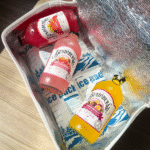
Faça com que os operadores reais embalem uma amostra. Observe em vez de instruir. Eles colocam o líquido refrigerante onde o procedimento espera? Eles podem fechar o zíper sem comprimir os recipientes? A alça inclina a carga ou abre a parte superior? Um mensageiro pode carregá-lo junto com outro equipamento? O destinatário pode identificar a ação correta de desembalagem?
O resultado deve se tornar um desenho de embalagem ou foto padrão. Deve identificar conteúdos e posições sem transformar um exemplo típico numa afirmação térmica universal. Se diversas famílias de produtos precisarem de arranjos materialmente diferentes, crie mais de uma configuração ou selecione diferentes tamanhos de bolsa.
Portão Três: Controle a construção multicamadas
Uma bolsa isolada é uma pilha de material, nem uma única resina ou tecido. A parte externa fornece resistência ao manuseio e impressão. O núcleo retarda a condução. O forro suporta a limpeza, gerenciamento de umidade, e às vezes controle de calor radiante. Adesivos, costura, ligações, fita zip, reforço, correia, revestimentos, rótulos, e tinta conectam o sistema.
Nomes comerciais não são suficientes. ““Forro de folha”pode significar folha de alumínio, polímero metalizado, ou outro laminado reflexivo. “Espuma” não identifica grau, estrutura, continuidade, ou comportamento de compressão. “Não tecido” não descreve fibra, revestimento, peso, ou durabilidade. Peça ao fornecedor para bloquear os componentes aprovados em uma especificação controlada.
Inspecione os locais onde as camadas deixam de ser planas. Cantos, dobras básicas, dobradiças da tampa, extremidades do zíper, lidar com âncoras, e as penetrações nas costuras podem tornar-se pontos fracos térmicos e de higiene. Carregue a bolsa antes de julgá-los. Uma amostra limpa e vazia pode desenvolver lacunas ou dobras expostas quando recipientes rígidos são empurrados para fora.
A limpeza deve ser compatível com o artigo montado. Um produto químico pode deixar o revestimento inalterado enquanto enfraquece o adesivo, imprimir, espuma, ou zip. Defina o verdadeiro processo de limpeza e secagem, em seguida, obtenha informações de apoio sobre cuidados e teste uma amostra representativa da produção. Evite prometer uma série de ciclos de reutilização, a menos que um método definido e evidências apoiem isso.
Portão Quatro: Faça com que as evidências térmicas respondam à rota
O isolamento reduz a taxa de transferência de calor; não cria refrigeração. O calor condutivo se move através das paredes e pontos de contato. O ar quente entra através de fechos e aberturas. A exposição radiante pode adicionar calor, particularmente sob sol direto. O refrigerante absorve calor, e a temperatura inicial da carga altera o orçamento térmico.
É por isso que a declaração de duração de um fornecedor não pode ser independente. As evidências devem identificar a bolsa exata, construção de produção, perfil ambiente, carga útil, refrigerante e condicionamento, temperaturas iniciais, sensores e locais, eventos de abertura, duração do teste, e critério de aceitação. Pergunte se todas as unidades atenderam ao critério e como a variação foi tratada.
O perfil da rota deve ser credível para o serviço espanhol. Um teste interno suave não pode representar um veículo sob o sol de verão. Uma rota urbana continental não pode representar automaticamente uma ilha ou entrega remota. Ao mesmo tempo, um teste irrealisticamente severo pode adicionar custos e materiais sem refletir o negócio. A qualidade, segurança alimentar, e equipes de logística devem definir o perfil a partir de dados de rota e risco.
Trate qualquer teste como específico da configuração. Se a carga útil, dimensões da bolsa, isolamento, encerramento, refrigerante, ou mudanças de rota, revisar se a evidência permanece aplicável. Um piloto no serviço real é útil para o aprendizado operacional, mas uma viagem bem-sucedida não é prova de todas as estações ou pistas.
Portão Cinco: Construir o Arquivo de Responsabilidade da Espanha e da UE
| Pergunta de aprovação | Revisão responsável | Evidência para se conectar ao pedido | Falha em evitar |
|---|---|---|---|
| A comida tocará no forro? | Especialista em contato com alimentos ou qualidade | Declaração de uso pretendido, construção de material exato, declarações e provas de apoio, conforme aplicável | Confiar na “qualidade alimentar” para um laminado não identificado |
| É um produto de consumo? | Equipes jurídicas e de segurança do produto | Avaliação de risco, registros técnicos, identificação, rastreabilidade, instruções, e informações de vendas, conforme aplicável | Tratar um certificado de catálogo como uma revisão completa do GPSR |
| A legislação CE se aplica? | Especialista em conformidade de produtos da UE | Avaliação do escopo para as funções reais do produto | Adicionar uma marca CE como logotipo genérico de qualidade |
| Quem o coloca no mercado espanhol? | Importador, jurídico, e equipes ambientais | Funções do operador, contratos, plano de registro e relatórios | Supondo que a fábrica no exterior detenha todas as obrigações espanholas |
| O que conta como embalagem? | Consultor de embalagens espanhol | Classificação e dados de material/peso para bolsas e todos os níveis de embalagem | Ignorando malas individuais, caixas, enrolar, ou uso de serviço |
| As reivindicações ambientais são suportáveis?? | Equipes jurídicas e de sustentabilidade | Artigo de definição de arquivo de reivindicação, comparação, geografia, e evidências | Chamar um item multimaterial de reciclável com base em uma camada |
| A produção permanecerá idêntica? | Equipes de compras e qualidade | Amostra aprovada, especificação, rastreabilidade de lote, e termos de notificação de alteração | Aceitar substituições de materiais visualmente semelhantes |
Esta tabela de aprovação evita que um documento seja solicitado para provar coisas não relacionadas. Desempenho térmico, adequação para contato com alimentos, segurança geral do produto, e responsabilidade pela embalagem são análises distintas. O escopo exato depende do uso pretendido da bolsa e do modelo de vendas.
Onde se pretende o contato direto com alimentos, Regulamento (CE) Não 1935/2004 fornece o quadro da UE para a segurança e a inércia, e Regulamento (CE) Não 2023/2006 abrange boas práticas de fabricação. Regulamento (UE) Não 10/2011 contém regras específicas para materiais plásticos em contato com alimentos dentro de seu escopo. As declarações e testes devem corresponder à superfície de contato acabada, tipos de alimentos, tempo, temperatura, e condições de uso repetido.
Para abastecimento do consumidor, Regulamento (UE) 2023/988 sobre a segurança geral do produto pode ser relevante. Rever as obrigações do produto e do operador económico para o canal real, incluindo vendas à distância, quando aplicável. As instruções e informações de segurança para Espanha devem ser compreensíveis para o utilizador pretendido, com requisitos de idioma local confirmados.
Ferramentas úteis de decisão
Verifique os detalhes antes de escolher a embalagem
Essas ferramentas rápidas podem ajudá-lo a comparar o risco da rota, necessidades de dimensionamento, escolhas de refrigerante, e detalhes da embalagem antes de solicitar um orçamento.
Seletor de embalagens
Compare opções de embalagens isoladas por produto, rota, e necessidade de temperatura.
Encontre embalagensRefrigerante & Referência PCM
Compare as opções de refrigerante e PCM quando uma rota precisar de suporte adicional de temperatura.
Comparar opçõesReferência de material de isolamento
Compare as opções de materiais de isolamento para diferentes necessidades de embalagens da cadeia de frio.
Compare materiaisA marcação CE não é um certificado de conformidade universal. As regras da UE exigem isso apenas para categorias de produtos abrangidas pela legislação que obriga a marca, e produtos fora desse escopo não devem exibi-lo. Uma bolsa isolada básica não motorizada deve ser avaliada de acordo com as regras que realmente se aplicam. Adicionando aquecimento elétrico, refrigeração alimentada, baterias, uma função de brinquedo, ou outro recurso regulamentado pode alterar o resultado.
Portão Seis: Resolva as obrigações de embalagem e resíduos antes do envio
Decreto Real 1055/2022 define o quadro espanhol para embalagens e resíduos de embalagens, incluindo registro de produtor, relatórios, e obrigações de responsabilidade estendida do produtor para operadores dentro do escopo. A orientação oficial espanhola cobre o agregado familiar, comercial, e categorias de embalagens industriais. A parte que atende à definição de produtor legal precisa ser identificada a partir dos fatos da cadeia de abastecimento.
Regulamento (UE) 2025/40 sobre embalagens e resíduos de embalagens entrou em vigor em 11 Fevereiro 2025 e geralmente se aplica a partir de 12 Agosto 2026. Os pedidos feitos durante a transição precisam de uma revisão atual porque as definições, responsabilidades, Informação, e detalhes de implementação podem afetar o produto e sua embalagem. Use orientação oficial e aconselhamento qualificado em espanhol, em vez de uma lista de verificação estática copiada de um ano anterior.
Classifique todos os níveis. A bolsa pode ser um produto vendável, um embalagem reutilizável item, embalagem de serviço preenchida em ponto de venda, ou parte das operações de transporte dependendo do modelo. Sua bolsa protetora, rótulos, caixa agrupada, palete, e wrap podem criar dados e responsabilidades separadas. Obtenha informações sobre materiais e peso dos componentes em um formato que o operador espanhol relevante possa reter e relatar.
As regras fiscais da Espanha para embalagens plásticas não reutilizáveis também podem afetar o custo final. Classificação, evidência de conteúdo reciclado, isenções, e responsabilidade exigem revisão especializada. Não afirme que chamar a bolsa de reutilizável resolve automaticamente questões fiscais ou de responsabilidade estendida do produtor; o design real e o sistema operacional são importantes.
Portão Sete: Pilote o modelo de negócios, Não apenas a bolsa
Uma amostra de pré-produção confirma a construção, mas não pode provar que a rede a utilizará adequadamente. Execute um piloto controlado em locais e rotas representativas. Inclua as pessoas que escolhem, pacote, expedição, carregar, receber, retornar, limpar, inspecionar, loja, e relatar problemas.
Colete evidências operacionais:
- tempo de embalagem e padrões de erro;
- problemas de fechamento e manuseio sob cargas reais;
- exceções de rota e entregas com falha;
- taxa de retorno e tempo fora de circulação;
- trabalho de limpeza, capacidade de secagem, e unidades rejeitadas;
- perda, tipo de dano, e motivo de aposentadoria;
- compreensão do usuário sobre as instruções;
- informações de temperatura onde o protocolo aprovado exige;
- resíduos de embalagens e implicações de transporte relevantes para a comparação.
O piloto pode mostrar que uma bolsa mais leve é suficiente para uma entrega curta, que um zip mais forte evita a aposentadoria precoce, ou que um esquema de retorno é impraticável em um canal. Também pode revelar que a rota, não a bolsa, precisa de redesenho. Use os resultados para alterar a especificação e o procedimento operacional antes que o preço por volume torne a mudança cara.
Quando a produção começa, reter a amostra aprovada, revisão de construção, obra de arte, documentos, e critérios de qualidade. Exigir aviso prévio para alterações em materiais críticos, local de fabricação, dimensões, encerramento, ou impressão. Inspecione os lotes entregues em relação à mesma linha de base e coloque em quarentena diferenças inexplicáveis.
Calcule o custo em todo o ciclo
Para comparar cotações, colocar todos os fornecedores na mesma base comercial. Identificar amostragem, obra de arte, ferramentas quando aplicável, testando, inspeção, embalagem do produto, caixas mestras, frete, seguro, alfândega, obrigações, impostos, entrega doméstica, armazenar, e condições de pagamento. Confirme os termos comerciais e qual parte detém o risco em cada etapa.
Para programas reutilizáveis, adicionar distribuição, coleção, transporte reverso, limpeza, secagem, monitorando, administração, substituição, e tratamento final. Não divida o preço de compra por um número de vida útil inventado. Use dados piloto e uma série de suposições de retorno e perda. Uma bolsa com um preço de compra mais alto pode ter um desempenho melhor, mas apenas o uso medido pode mostrar se a diferença compensa.
A avaliação ambiental precisa do mesmo limite do sistema. Materiais mais duráveis podem suportar a reutilização, mas acrescentam encargos de fabricação e transporte. Uma opção leve de mão única usa menos material por item, mas cria fluxos repetidos. Perda de produto, desperdício de comida, limpeza, e a viagem reversa também pertencem à comparação quando relevante. Documente suposições e evite uma afirmação universal quando o resultado depender do comportamento.
Perguntas frequentes
Quais informações devem constar no primeiro briefing do fornecedor?
Incluir o caso de uso, Destinos espanhóis, dimensões e peso da carga útil, pacote, refrigerante, exposições de rota, limite de contato com alimentos, necessidades de fechamento e manuseio, processo de limpeza, marca, configuração de embalagem, previsão de pedido, plano de entrega, e lista de verificação de evidências. Peça aos fornecedores para listarem suposições e exclusões.
O comprador deve escolher uma bolsa pela espessura do isolamento?
Não. A espessura é apenas uma variável. Estrutura material, continuidade, compressão, costuras, encerramento, geometria, carga útil, refrigerante, e a exposição ambiental afetam o desempenho. Compare as montagens finalizadas com evidências relevantes para a embalagem e rota pretendidas.
O que torna útil uma declaração de contato com alimentos?
Deve identificar o fornecedor e o artigo exato, base jurídica aplicável, alimentos pretendidos e condições de contato, restrições, e evidências de apoio conforme necessário. Também precisa de uma conexão rastreável com a construção entregue. Uma declaração genérica de resina ou filme não é suficiente para uma bolsa multicamadas alterada.
Como o PPWR deve afetar um 2026 ordem?
Regulamento (UE) 2025/40 geralmente se aplica a partir de 12 Agosto 2026. Os compradores devem revisar as orientações atuais da UE e da Espanha, classifique a bolsa e cada nível de embalagem, coletar dados materiais, atribuir responsabilidades ao produtor, e verifique reivindicações e marcações. Obrigações e transições específicas devem ser confirmadas por consultores qualificados.
Quando um pedido em massa está pronto para liberação?
Libere-o após a especificação escrita, pacote representativo, amostra decorada, evidência de desempenho quando necessário, arquivo de conformidade, plano de responsabilidade pela embalagem, descobertas piloto, escopo comercial, critérios de qualidade, rastreabilidade, e os termos de controle de mudanças são aprovados pelas funções responsáveis.
Dimensione apenas o que foi definido
Um programa de bolsas isoladas pronto para a Espanha conecta o design de serviços, pacote, construção, evidência térmica, funções jurídicas, deveres de embalagem, e economia operacional. Não depende da aparência da folha, um certificado genérico, ou a palavra “reutilizável”. Passando por cada portão de aprovação antes da produção em volume, os compradores podem fazer cotações de fornecedores comparáveis, manter a documentação vinculada ao artigo entregue, e selecionar um sistema que os operadores possam operar em rotas espanholas reais.
Sobre Tempk
Tempk é uma marca da Shanghai Tempk Industrial Co., Ltda. Apoiamos compradores B2B que selecionam cadeia de frio e embalagem isolada e produtos de embalagem de controle de temperatura relacionados. Tempk pode ajudar a organizar uma discussão sobre bolsas em torno da carga útil, pacote, rota, construção de materiais, compatibilidade de refrigerante, e compra de evidências. O importador e comprador espanhol deverá manter legalidade qualificada, segurança alimentar, imposto, e consultores ambientais para decisões e reivindicações específicas do mercado.
Envie para Tempk seu mapa de serviço, pacote de amostra, condições da rota, modelo de retorno, e lista de verificação de aprovação para comparar embalagens isoladas antes de confirmar um pedido em massa.