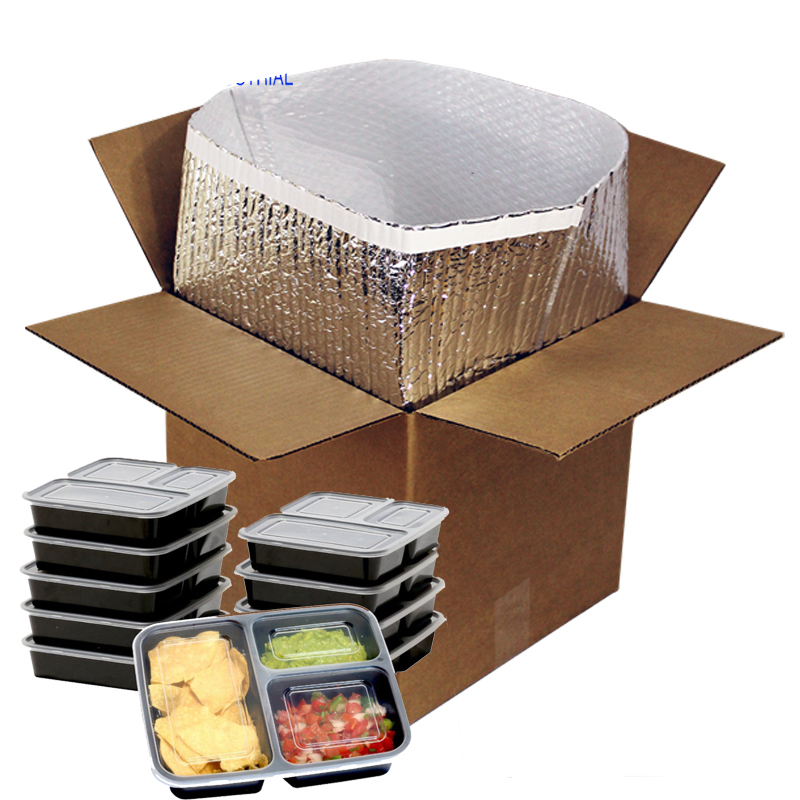
Fornecedor de vacinas com caixa de transporte isolada para transporte de vacinas: Como escolher um parceiro de embalagem adequado para a rota
Escolhendo um insulated shipping box vaccine supplier para o transporte de vacinas é uma decisão de projeto de rota antes de ser uma decisão de compra. A caixa deve se adequar à faixa de temperatura do produto, carga útil utilizável, arranjo de refrigerante, duração do transporte, padrão de transferência, e necessidades de documentação. Se essas entradas não estiverem claras, mesmo uma caixa isolada bem feita pode ser usada incorretamente. Se eles forem definidos antecipadamente, compras podem comparar fornecedores com muito menos suposições.
Um processo de seleção prático deve responder a três perguntas antes de começar a comparação de preços: qual condição de temperatura deve ser mantida, qual rota de exposição deve ser sobrevivida, e qual prova ou inspeção é necessária no recebimento? Para muitos programas de vacinas, armazenamento em geladeira é comumente associado a 2 C para 8 C, embora alguns produtos exijam manuseio congelado ou ultrafrio; o fabricante da vacina e a orientação do programa aplicável devem decidir o requisito exato. Depois que essas respostas forem documentadas, a discussão sobre fornecedores fica mais específica e o risco de comprar uma caixa incompatível cai drasticamente.
Defina a missão de temperatura antes do formato da caixa
A frase caixa de remessa isolada pode ocultar vários casos de uso diferentes. Um comprador pode precisar de proteção refrigerada para uma rota curta de encomendas. Outro pode precisar de um pacote congelado. Um terceiro pode precisar evitar a exposição ao calor e ao mesmo tempo evitar o congelamento. Um quarto pode precisar de um recipiente retornável para um circuito fechado de distribuição. A mesma forma externa pode aparecer em cada caso, mas a missão térmica é diferente.
Para vacinas, diluentes quando aplicável, suprimentos de imunização, e inventário clínico sensível à temperatura, o requisito do produto deve ser confirmado pelo proprietário do produto, rótulo, equipe de qualidade, especificação do comprador, ou regra de programa aplicável. O fornecedor pode ajudar a traduzir esse requisito em um conceito de pacote, mas não deveria inventar a exigência. Este limite é importante porque a embalagem não pode tornar segura uma especificação de temperatura pouco clara.
Após a missão de temperatura ser definida, decidir se a remessa precisa ser refrigerada, congelado, proteção ambiental, suporte de temperatura ambiente controlada, ou manuseio ultra-frio. Em seguida, decida qual nível de evidência é necessário. Remessas de baixo risco podem precisar apenas de boa disciplina de embalagem e inspeção de recebimento. Alto valor, regulamentado, ou remessas sensíveis a desvios podem precisar de registro de dados, pacote documentado, e revisão de qualidade.
Trate a caixa isolada como parte de um sistema passivo
Um sistema com isolamento passivo não resfria ativamente a carga útil. Preserva uma condição térmica planejada combinando isolamento, refrigerante, massa de carga útil, pré -condicionamento, e fechamento. O sistema funciona por um período limitado sob condições definidas. É por isso que a frase tempo de espera deve sempre desencadear uma pergunta de acompanhamento: sob qual perfil de ambiente, com que carga útil, e com que configuração de refrigerante?
O sistema de embalagem também tem que ser prático. Se os trabalhadores não conseguirem carregar o refrigerante de forma consistente, se a tampa for difícil de fechar, se a carga útil se comprimir contra pacotes de gel, ou se o receptor não puder inspecionar a condição sem demora, o projeto pode falhar operacionalmente mesmo se os materiais forem sólidos. Uma caixa teoricamente forte, mas difícil de repetir, pode se tornar uma fonte de variação.
Um recipiente em formato de refrigerador não é automaticamente uma solução para o transporte de vacinas. Condicionamento de refrigerante, arranjo de carga útil, monitoramento, rotulagem, e os procedimentos de recebimento são tão importantes quanto o material da parede. O comprador deve, portanto, avaliar a lógica térmica e o comportamento no local de trabalho. Uma recomendação do fornecedor deve incluir como o pacote é embalado, onde fica o refrigerante, como o produto é separado do contato direto, se necessário, e o que o receptor deve esperar ver na chegada.
Perguntas do fornecedor que evitam um primeiro pedido ruim
Uma equipe de compras deve comparar os fornecedores em mais do que preço e quantidade mínima de pedido. Para este tópico, os pontos úteis são os formatos disponíveis, suporte técnico responsivo, documentação, conselhos práticos sobre embalagem, e a capacidade de combinar uma caixa com pacotes de gel, tijolos de gelo, forros, ou outros componentes. O fornecedor não precisa fornecer uma qualificação formal para cada comprador, mas deve ser capaz de explicar o uso pretendido, limites materiais, e o que deve ser verificado antes do dimensionamento.
| Fator de seleção | O que bons compradores definem primeiro | O que não assumir |
|---|---|---|
| Missão de temperatura | Alcance necessário de armazenamento ou transporte, sensibilidade de congelamento, e regras de excursão aceitáveis. | Não presuma que uma caixa refrigerada pode lidar com remessas congeladas ou ultra-frias. |
| Rota e duração | Tempo de trânsito esperado, encenação, transferências de operadora, e os piores atrasos prováveis. | Não aceite uma reivindicação de tempo de espera sem as condições de teste por trás dela. |
| Ajuste de carga útil | Tamanho real do produto, embalagem secundária protetora, e deslocamento do refrigerante. | Não use o volume bruto como volume de carga útil. |
| Sistema de refrigeração | Tipo, método de condicionamento, quantidade, colocação, e instruções do trabalhador. | Não presuma que o isolamento sozinho controla a temperatura. |
| Documentação | Registros de temperatura, registros de embalagem, rótulos, e recebendo inspeção. | Não presuma que um registrador de dados impede uma excursão. |
| Suporte ao fornecedor | Revisão de amostra, aviso de alteração, comunicação técnica, e repetibilidade. | Não dimensione uma amostra se os detalhes da produção não estiverem claros. |
Esta tabela ajuda a separar uma análise real de embalagens de uma comparação de catálogo. Também facilita a aprovação interna, porque a aquisição pode mostrar a qualidade e as operações o que foi verificado e o que ainda precisa de verificação. Quando todos os fornecedores recebem os mesmos insumos, é menos provável que a decisão final se baseie em afirmações vagas.
Observe atentamente os pontos de transferência
Remessas sensíveis à temperatura geralmente falham nos limites do controle. O produto pode ser seguro dentro de uma sala fria, então sente-se em uma doca. Pode passar por um hub de operadora onde ninguém entende o risco do produto. Pode chegar a um receptor durante um período de maior movimento e esperar antes da inspeção. Esses curtos períodos são importantes porque podem esgotar a margem térmica que o packout foi projetado para fornecer.
Mapeie a rota desde a retirada do produto do armazenamento até a aceitação final. Incluir tempo de embalagem, encenação, escolher, transporte de linha, manuseio de hub, veículo de entrega, área de recepção, e o ponto em que a remessa é aceita, em quarentena, ou rejeitado. Pergunte onde a embalagem está mais exposta e se a recomendação do fornecedor leva em conta essa exposição. Isto é mais útil do que pedir apenas uma declaração de desempenho ampla.
Para remessas internacionais ou aéreas, rotulagem e documentação podem adicionar mais complexidade. Práticas IATA por tempo- e carga de saúde sensível à temperatura, regras de gelo seco, quando aplicável, e as expectativas da alfândega local ou da autoridade de saúde devem ser analisadas pelo expedidor. O fornecedor pode fornecer informações de embalagem, mas o remetente deve confirmar os requisitos da rota.
Quando uma caixa isolada não é suficiente
Há casos em que uma caixa isolada é a resposta primária errada. Rotas muito longas, cargas farmacêuticas de alto valor, faixas de temperatura instáveis, repetidos atrasos alfandegários, ou remessas que exigem controle ativo podem precisar de uma solução diferente, como um contêiner ativo, um qualificado expedidor térmico, transporte refrigerado, ou um redesenho de rota. Um fornecedor deve estar disposto a dizer quando uma simples caixa passiva não é apropriada.
A caixa também pode ser insuficiente quando o processo operacional é fraco. Produto quente embalado em um expedidor frio, refrigerante não condicionado, uma equipe de embalagem não treinada, faltando instruções do receptor, ou um registrador de dados que ninguém lê podem anular um design de embalagem razoável. Antes de culpar o material, revisar o processo.
Isto é especialmente importante para compradores que mudam de um tipo de remessa para outro.. Uma embalagem usada para amostras de alimentos pode não ser adequada para produtos biológicos. Uma caixa usada para produtos refrigerados pode não ser adequada para produtos congelados. Um contêiner reutilizável para entrega local pode não ser adequado para exportação unilateral. Novo produto, nova rota, ou novo receptor deve desencadear uma revisão da embalagem.
Ferramentas úteis de decisão
Verifique os detalhes antes de escolher a embalagem
Essas ferramentas rápidas podem ajudá-lo a comparar o risco da rota, necessidades de dimensionamento, escolhas de refrigerante, e detalhes da embalagem antes de solicitar um orçamento.
Refrigerante & Referência PCM
Compare as opções de refrigerante e PCM quando uma rota precisar de suporte adicional de temperatura.
Comparar opçõesCalculadora de bolsa de gelo
Estime a quantidade de bolsas de gelo em gel para remessas refrigeradas e planejamento prático de rotas.
Estimar bolsas de geloResistência à queda de material de isolamento
Revise a resistência à queda e os fatores de manuseio antes de escolher materiais de isolamento.
Verifique a resistênciaUm fluxo de trabalho prático para revisão de amostras
Uma equipe de saúde pública pode precisar transferir o estoque de vacinas de um armazém regional para pontos de alcance, evite contato direto com líquido refrigerante congelado quando o produto for sensível ao congelamento, e confirme se a equipe receptora pode ler o registro de temperatura. Em um exemplo de revisão, o comprador deve embalar a caixa em condições reais de trabalho, não apenas em uma sala de reuniões. A equipe deve observar se o produto se ajusta, se a colocação do refrigerante está clara, se o fechamento é confiável, se os rótulos permanecem legíveis, e se o receptor pode seguir as etapas de inspeção. Se um registrador de dados for usado, confirme onde ele está e como os dados serão recuperados.
A amostra deve ser comparada com a unidade de produção planejada. Pergunte se o mesmo material, design de tampa, dimensões internas, forro, e acessórios serão usados. Se o fornecedor espera substituições ou alterações personalizadas, documente-os antes da aprovação. Uma boa análise de amostra não é uma formalidade; é o ponto onde os problemas operacionais ocultos se tornam visíveis, embora ainda sejam baratos para corrigir.
Depois que a amostra for aceita, crie uma instrução de embalagem simples. Deve mostrar a ordem de carregamento, a posição do refrigerante, qualquer camada de separação de produto, etapas de fechamento, rotulagem, e recebendo notas. Mesmo uma breve instrução pode reduzir a variação quando diferentes trabalhadores embalam a mesma caixa em dias diferentes.
O custo deve incluir o risco de falha, não apenas preço unitário
Um preço unitário baixo pode ser atraente, especialmente para compras no atacado ou de alto volume, mas embalagem da cadeia de frio o custo deve ser avaliado em relação ao custo da perda do produto, retrabalhar, envio de substituição, lançamento atrasado, e insatisfação do cliente. Isso não significa que os compradores devam sempre selecionar a opção de custo mais alto. Significa que a opção selecionada deve ter margem suficiente para o valor do produto e risco da rota.
O custo do frete também é importante. Caixas grandes aumentam o peso dimensional e o espaço de armazenamento. Líquido refrigerante excessivamente pesado pode aumentar o custo de transporte. Caixas reutilizáveis podem reduzir consumo de material, mas exigem logística de devolução. As caixas descartáveis podem simplificar as exportações, mas criam mais encargos de eliminação. A melhor decisão geralmente é equilibrada: proteção de temperatura suficiente, pacote simples, perfil de frete aceitável, e suporte claro ao fornecedor.
Notas adicionais do comprador para uso rotineiro
Antes que o design de uma embalagem se torne rotina, a equipe deve anotar quem prepara o refrigerante, quem carrega o produto, quem verifica o fechamento, e quem analisa a remessa no recebimento. Isto não precisa se tornar um documento complicado para cada remessa de baixo risco, mas as responsabilidades devem ser claras. Em muitas operações, o pacote tem um desempenho aceitável durante um teste porque uma pessoa experiente o embala com cuidado, então surgem problemas quando a tarefa passa para uma equipe ocupada em um turno diferente.
O mesmo ponto se aplica ao armazenamento antes da expedição. Uma caixa isolada armazenada na área errada, refrigerante que não está totalmente condicionado, produto que espera muito tempo fora da sala controlada, ou uma caixa exposta ao sol direto pode reduzir a margem antes mesmo de a transportadora receber a remessa. Para transporte de vacinas, um comprador deve tratar a bancada de embalagem e a doca de carga como parte da rota da cadeia de frio, não como detalhes de fundo.
As revisões de embalagens também são mais fáceis quando a aquisição, qualidade, e as operações usam a mesma linguagem. A área de compras pode solicitar preço e prazo de entrega, a qualidade pode solicitar documentação e procedimentos de desvio, e as operações podem perguntar com que rapidez a equipe pode embalar a caixa. Uma boa conversa com o fornecedor reúne essas preocupações, porque o pacote selecionado deve satisfazer todos os três grupos ao mesmo tempo.
Uma revisão final deve incluir o primeiro envio de rotina após a fase de amostragem. Verifique se a equipe do armazém seguiu o pacote sem treinamento especial, se a transportadora aceitou o pacote sem reetiquetá-lo, se o receptor entendeu as etapas de inspeção, e se algum registro de temperatura ou nota de condição foi revisado dentro do prazo. Este pequeno ciclo de feedback muitas vezes revela questões práticas que as especificações técnicas não mostram.
Para pedidos repetidos, mantenha um histórico de versão simples para a caixa selecionada, refrigerante, forro, rótulos, e instruções de embalagem. Se algum desses elementos mudar, a equipe pode decidir se a alteração é pequena ou se é necessária uma nova verificação de amostra. Isto é especialmente útil quando a compra passa de um contato de fornecedor para outro ou quando a mesma embalagem é usada em vários armazéns.
Perguntas frequentes
Qual é a primeira coisa a confirmar antes de fazer o pedido?
Confirme o requisito de temperatura do produto e por quanto tempo a embalagem deve protegê-lo em condições realistas de rota. Sem essas duas entradas, Tamanho da caixa, escolha do refrigerante, e comparação de fornecedores tornam-se suposições. Para bens regulamentados ou de alto valor, definir também quais evidências são exigidas após o parto.
Quando devo pedir uma caixa isolada personalizada?
Considere a personalização quando as dimensões padrão desperdiçarem muito espaço, o produto é facilmente danificado, o pacote é difícil para os trabalhadores repetirem, ou o transporte a granel precisa de melhor eficiência de empilhamento e armazenamento. A personalização deve ser revisada com amostras antes de se tornar um pedido de rotina.
Como posso comparar dois fornecedores de forma justa?
Dê a ambos os fornecedores o mesmo tamanho de produto, carga útil, faixa de temperatura, duração da rota, preocupações ambientais, e necessidades de documentação. Em seguida, compare o pacote recomendado, evidência, consistência de produção, comunicação, e ajuste operacional total. Um preço unitário mais baixo não representa uma economia se aumentar as remessas rejeitadas.
O que os destinatários devem verificar na chegada?
Os receptores devem inspecionar a condição do pacote, integridade do fechamento, estado do refrigerante onde visível, rótulos, registros de temperatura, se usados, e quaisquer sinais de vazamento ou dano. A regra de aceitação deve ser definida antes do envio, especialmente para produtos farmacêuticos, vacina, comida, ou outros bens sensíveis à temperatura.
Conclusão
The right insulated shipping box vaccine supplier for vaccine transport helps you define the temperature mission, escolha um sistema passivo viável, verifique a carga útil e o ajuste do líquido refrigerante, revisar transferências de rota, e dimensione desde amostras até pedidos de rotina sem suposições ocultas. Não compre apenas com base em uma folha de especificações. Compartilhe a rota e os detalhes do produto, peça as evidências por trás das afirmações de desempenho, e envolver as pessoas que irão embalar e receber a remessa.
Sobre Tempk
A Tempk fornece produtos de embalagem para cadeia de frio, como bolsas de gelo em gel, tijolos de gelo, sacos isolados, Caixas isoladas em EPP, caixas de transporte frio, forros de caixa isolados, Tampas de paletes, e materiais relacionados. Para transporte de vacinas, ajudamos os compradores a pensar no ajuste da rota, espaço de carga útil, arranjo de refrigerante, revisão de amostra, e escalando de remessas experimentais para pedidos repetidos. Evitamos tratar uma caixa isolada como uma resposta universal porque a recomendação certa depende do produto, faixa, manuseio, e provas exigidas após a entrega.
Próximo passo
Envie Tempk sua pista, carga útil, faixa de temperatura, e planeje o pedido para receber uma recomendação de embalagem que pode ser revisada antes da compra em massa.